



We protect your health through science
Investigation
Immune Presentation and Regulation
Publications
Emergence of cfr-Mediated Linezolid Resistance in a Methicillin-Resistant Staphylococcus aureus Epidemic Clone Isolated from Patients with Cystic Fibrosis.
Emergence of cfr-Mediated Linezolid Resistance in a Methicillin-Resistant Staphylococcus aureus Epidemic Clone Isolated from Patients with Cystic Fibrosis. de Dios Caballero J, Pastor MD, Vindel A, Máiz L, Yagüe G, Salvador C, Cobo M, Morosini MI, del Campo R, Cantón R; GEIFQ Study Group. Antimicrob Agents Chemother. 2015 Dec 14;60(3):1878-82.
PUBMEDMolecular epidemiology of community-associated methicillin-resistant Staphylococcus aureus in Spain: 2004-12.
Molecular epidemiology of community-associated methicillin-resistant Staphylococcus aureus in Spain: 2004-12. Vindel A, Trincado P, Cuevas O, Ballesteros C, Bouza E, Cercenado E. J Antimicrob Chemother. 2014 Nov;69(11):2913-9.
PUBMEDDraft Genome Sequence of Strain SA_ST125_MupR of Methicillin-Resistant Staphylococcus aureus ST125, a Major Clone in Spain.
Draft Genome Sequence of Strain SA_ST125_MupR of Methicillin-Resistant Staphylococcus aureus ST125, a Major Clone in Spain. Barrado L, Viedma E, Vindel A, Otero JR, Chaves F. Genome Announc. 2013 Aug 8;1(4).
PUBMEDDetection of linezolid-resistant Staphylococcus aureus with 23S rRNA and novel L4 riboprotein mutations in a cystic fibrosis patient in Spain.
Detection of linezolid-resistant Staphylococcus aureus with 23S rRNA and novel L4 riboprotein mutations in a cystic fibrosis patient in Spain. Román F, Roldán C, Trincado P, Ballesteros C, Carazo C, Vindel A. Antimicrob Agents Chemother. 2013 May;57(5):2428-9.
PUBMED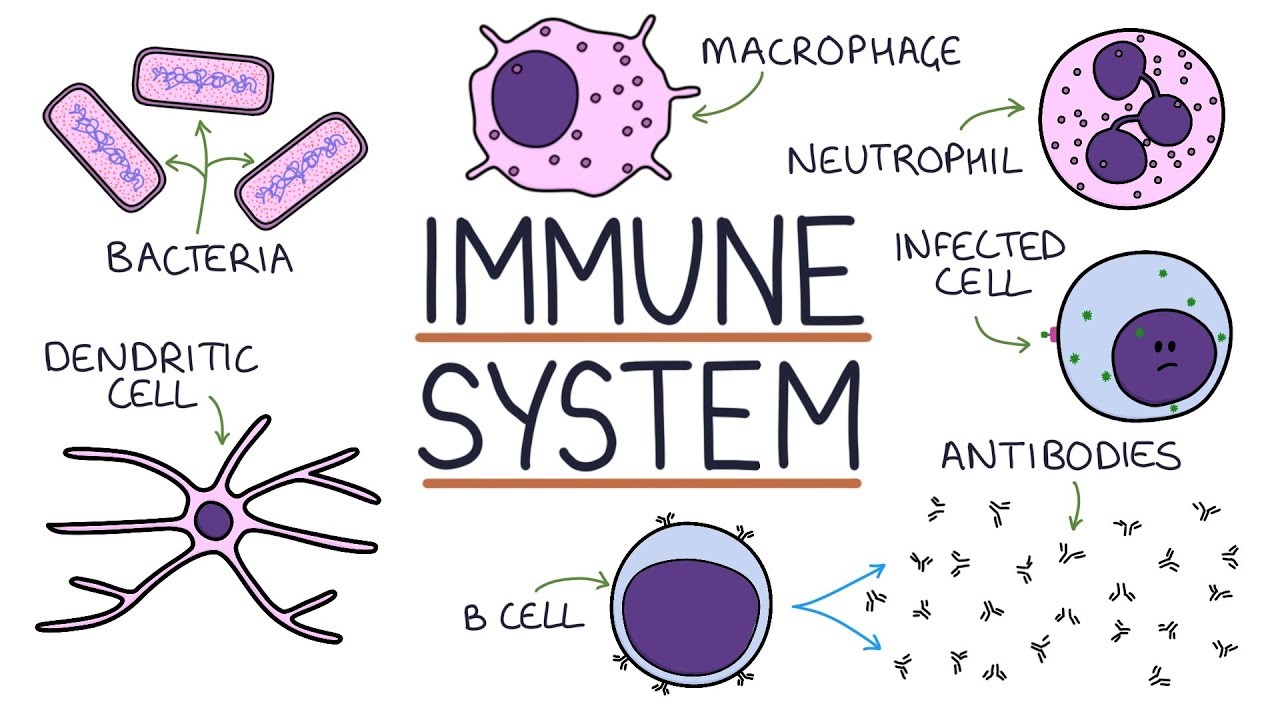
Additional Information
The group is interested in the study of the immune response from a multidisciplinary perspective that includes genomic, biochemical, proteomic, in vivo and biotechnological models aimed at the design of therapeutic strategies against various chronic, infectious and rare diseases that have a clear immunological component in their etiology.
The current specific objectives focus on:
- Antigenic presentation: Identification of antigenic presentation rules for their application in the design of therapeutic treatments including vaccines.
- Study of CD69 function and its regulation; its use as a therapeutic target in the mobilization of hematopoietic precursors and in the potentiation of the immune response mediated by CD69 with the potentiation of vaccines using the vaccinia virus as a vector.
The group is interested in the study of the immune response from a multidisciplinary perspective that includes genomic, biochemical, proteomic, in vivo and biotechnological models aimed at the design of therapeutic strategies against various chronic, infectious and rare diseases that have a clear immunological component in their etiology.
The current specific objectives focus on:
- Antigenic presentation: Identification of antigenic presentation rules for their application in the design of therapeutic treatments including vaccines.
- Study of CD69 function and its regulation; its use as a therapeutic target in the mobilization of hematopoietic precursors and in the potentiation of the immune response mediated by CD69 with the potentiation of vaccines using the vaccinia virus as a vector.