



We protect your health through science
Investigation
Immune Presentation and Regulation
Publications
Cytotoxic cell populations developed during treatment with tyrosine kinase inhibitors protect autologous CD4+ T cells from HIV-1 infection
Cytotoxic cell populations developed during treatment with tyrosine kinase inhibitors protect autologous CD4+ T cells from HIV-1 infection. Vigón L, Rodríguez-Mora S, Luna A, Sandonís V, Mateos E, Bautista G, Steegmann JL, Climent N, Plana M, Pérez-Romero P, de Ory F, Alcamí J, García-Gutierrez V, Planelles V, López-Huertas MR, Coiras M (AC). Biochem Pharmacol. 2020 Dec;182:114203. doi: 10.1016/j.bcp.2020.114203. PMID: 32828803.
PUBMED DOITyrosine Kinase Inhibition: a New Perspective in the Fight against HIV
Tyrosine Kinase Inhibition: a New Perspective in the Fight against HIV. Rodríguez-Mora S, Spivak AM, Szaniawski MA, López-Huertas MR, Alcamí J, Planelles V, Coiras M (AC). Curr HIV/AIDS Rep. 2019 Oct;16(5):414-422. doi: 10.1007/s11904-019-00462-5. PMID: 31506864. Review.
PUBMED DOIDasatinib protects humanized mice from acute HIV-1 infection
Dasatinib protects humanized mice from acute HIV-1 infection. Salgado M, Martinez-Picado J, Gálvez C, Rodríguez-Mora S, Rivaya B, Urrea V, Mateos E, Alcamí J, Coiras M (AC). Biochem Pharmacol. 2020 Apr;174:113625. doi: 10.1016/j.bcp.2019.113625. PMID: 31476293.
PUBMED DOIEvaluation of resistance to HIV-1 infection ex vivo of PBMCs isolated from patients with chronic myeloid leukemia treated with different tyrosine kinase inhibitors.
Evaluation of resistance to HIV-1 infection ex vivo of PBMCs isolated from patients with chronic myeloid leukemia treated with different tyrosine kinase inhibitors. Bermejo M, Ambrosioni J, Bautista G, Climent N, Mateos E, Rovira C, Rodríguez-Mora S, López-Huertas MR, García-Gutiérrez V, Steegmann JL, Duarte R, Cervantes F, Plana M, Miró JM, Alcamí J, Coiras M (AC). Biochem Pharmacol. 2018 Oct;156:248-264. doi: 10.1016/j.bcp.2018.08.031. PMID: 30142322.
PUBMED DOI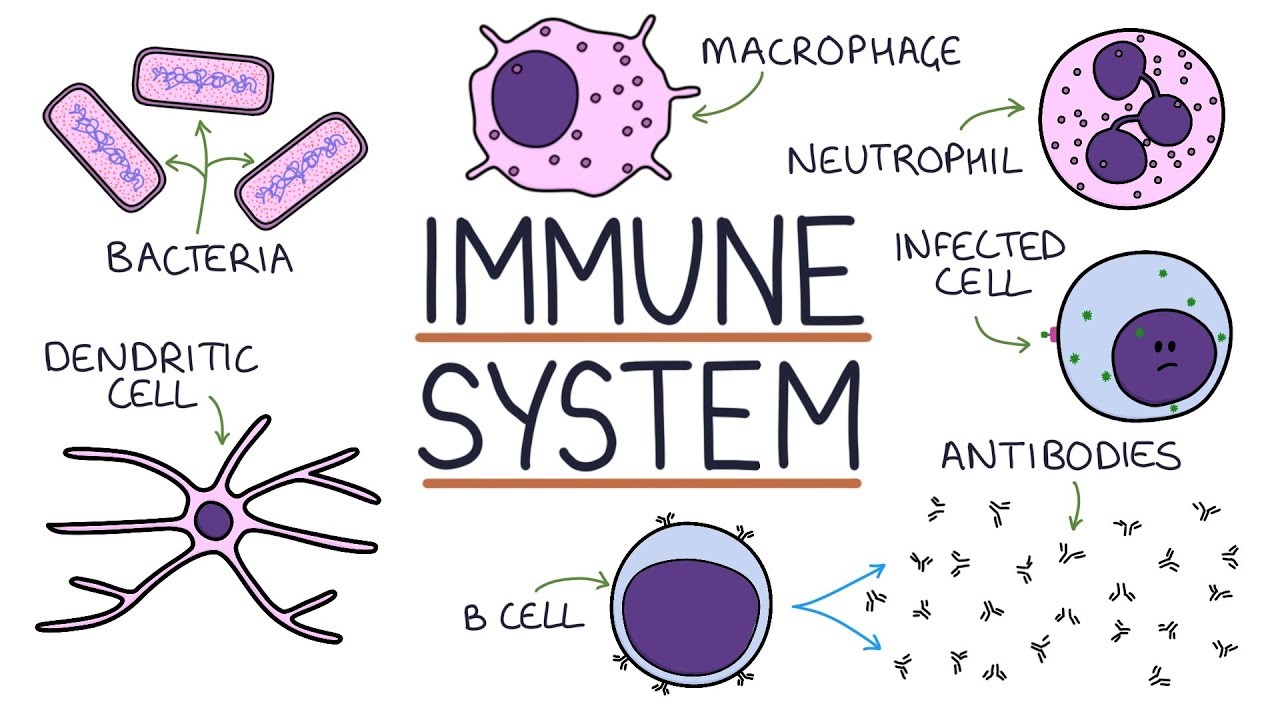
Additional Information
The group is interested in the study of the immune response from a multidisciplinary perspective that includes genomic, biochemical, proteomic, in vivo and biotechnological models aimed at the design of therapeutic strategies against various chronic, infectious and rare diseases that have a clear immunological component in their etiology.
The current specific objectives focus on:
- Antigenic presentation: Identification of antigenic presentation rules for their application in the design of therapeutic treatments including vaccines.
- Study of CD69 function and its regulation; its use as a therapeutic target in the mobilization of hematopoietic precursors and in the potentiation of the immune response mediated by CD69 with the potentiation of vaccines using the vaccinia virus as a vector.
The group is interested in the study of the immune response from a multidisciplinary perspective that includes genomic, biochemical, proteomic, in vivo and biotechnological models aimed at the design of therapeutic strategies against various chronic, infectious and rare diseases that have a clear immunological component in their etiology.
The current specific objectives focus on:
- Antigenic presentation: Identification of antigenic presentation rules for their application in the design of therapeutic treatments including vaccines.
- Study of CD69 function and its regulation; its use as a therapeutic target in the mobilization of hematopoietic precursors and in the potentiation of the immune response mediated by CD69 with the potentiation of vaccines using the vaccinia virus as a vector.