



We protect your health through science
Investigation
Immune Presentation and Regulation
Publications
High susceptibility to zoliflodacin and conserved target (GyrB) for zoliflodacin among 1209 consecutive clinical Neisseria gonorrhoeae isolates from 25 European countries, 2018.
Unemo M, Ahlstrand J, Sánchez-Busó L, Day M, Aanensen D, Golparian D, Jacobsson S, Cole MJ, Torreblanca RA, Ásmundsdóttir LR, Balla E, De Baetselier I, Bercot B, Carannante A, Caugant D, Borrego MJ, Buder S, Cassar R, Cole M, Dam A, Eder C, Hoffmann S, Hunjak B, Jeverica S, Kirjavainen V, Maikanti-Charalambous P, Miriagou V, Mlynarczyk-Bonikowska B, Pakarna G, Patterson L, Pavlik P, Perrin M, Shepherd J, Stefanelli P, Unemo M, Jelena V, Zákoucká H. J Antimicrob Chemother. 2021 Feb 10:dkab024
PUBMED DOIFirst Insight into the Genome Sequences of Two Linezolid-Resistant Nocardia farcinica Strains Isolated from Patients with Cystic Fibrosis
2: Valdezate S, Monzón S, Garrido N, Zaballos A, Medina-Pascual MJ, Azcona-Gutiérrez JM, Vilar B, Cuesta I. First Insight into the Genome Sequences of Two Linezolid-Resistant Nocardia farcinica Strains Isolated from Patients with Cystic Fibrosis. Genome Announc. 2017 Nov 16;5(46).
PUBMED DOIApoptosis, Toll-like, RIG-I-like and NOD-like Receptors Are Pathways Jointly Induced by Diverse Respiratory Bacterial and Viral Pathogens.
3: Martínez I, Oliveros JC, Cuesta I, de la Barrera J, Ausina V, Casals C, de Lorenzo A, García E, García-Fojeda B, Garmendia J, González-Nicolau M, Lacoma A, Menéndez M, Moranta D, Nieto A, Ortín J, Pérez-González A, Prat C, Ramos-Sevillano E, Regueiro V, Rodriguez-Frandsen A, Solís D, Yuste J, Bengoechea JA, Melero JA. Apoptosis, Toll-like, RIG-I-like and NOD-like Receptors Are Pathways Jointly Induced by Diverse Respiratory Bacterial and Viral Pathogens. Front Microbiol. 2017 Mar 1;8:276
PUBMED DOIMolecular identification, antifungal resistance and virulence of Cryptococcus neoformans and Cryptococcus deneoformans isolated in Seville, Spain
Gago S, Serrano C, Alastruey-Izquierdo A, Cuesta I, Martín-Mazuelos E, Aller AI, Gómez-López A, Mellado E. Molecular identification, antifungal resistance and virulence of Cryptococcus neoformans and Cryptococcus deneoformans isolated in Seville, Spain. Mycoses. 2017 Jan;60(1):40-50
PUBMED DOIHigh-Quality Draft Genome Sequence of Babesia divergens, the Etiological Agent of Cattle and Human Babesiosis
7: Cuesta I, González LM, Estrada K, Grande R, Zaballos A, Lobo CA, Barrera J, Sanchez-Flores A, Montero E. High-Quality Draft Genome Sequence of Babesia divergens, the Etiological Agent of Cattle and Human Babesiosis. Genome Announc. 2014 Nov 13;2(6).
PUBMED DOIContent with Investigacion .
-

Isabel Jado García
Científico Titular OPIS, Director laboratorio
-
Raquel Escudero Nieto
Científico Titular OPIS, Director laboratorio
-
Escolástica Chaparro Tercero
Técnico de Laboratorio
-
Ave María Vila-Coro Laviña
Auxiliar de Investigación
-
María Elena Andrés Galván
Ayudante de Investigación.
Técnico superior en laboratorio de diagnóstico clínico en 2013 y Técnico superior en laboratorio de análisis y control de calidad en 2015. Lleva vinculada a la Unidad de Neumococos desde 2022 como ayudante de investigación y es personal de plantilla. Anteriormente estuvo contratada en el Instituto de recursos naturales y agrobiología de Salamanca (IRNASA) del CSIC.

List of staff
Additional Information
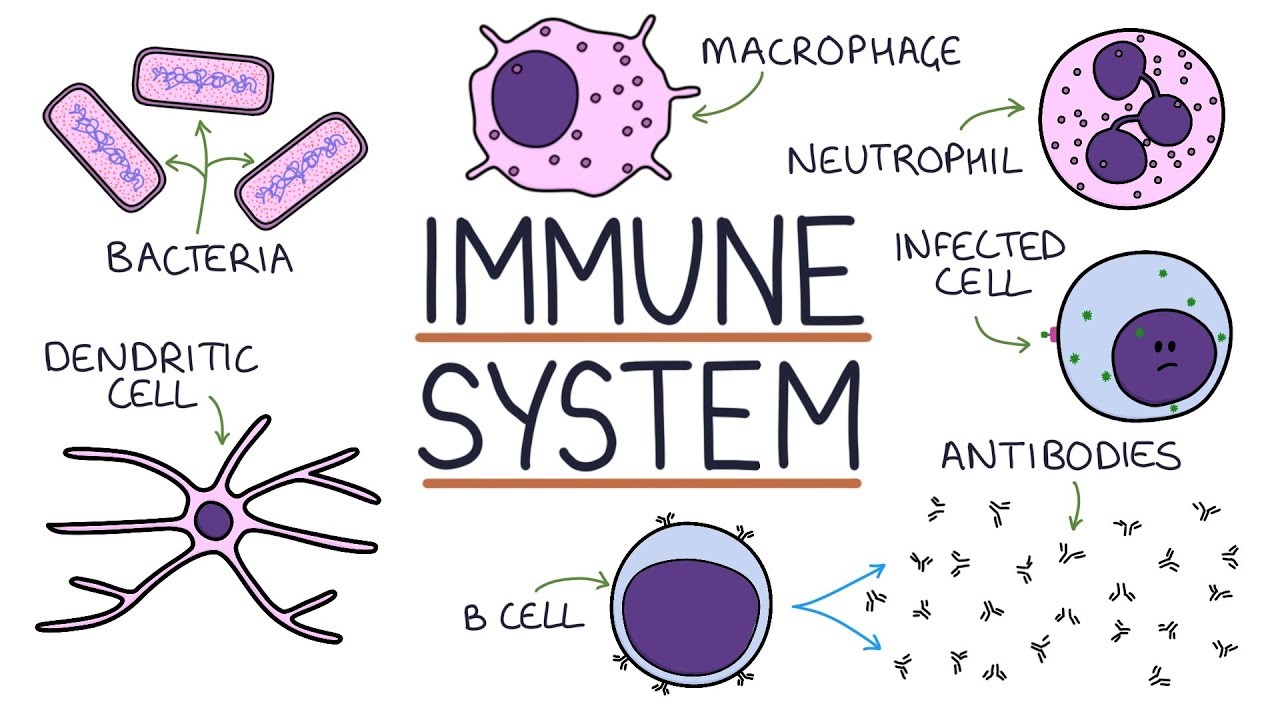
The group is interested in the study of the immune response from a multidisciplinary perspective that includes genomic, biochemical, proteomic, in vivo and biotechnological models aimed at the design of therapeutic strategies against various chronic, infectious and rare diseases that have a clear immunological component in their etiology.
The current specific objectives focus on:
- Antigenic presentation: Identification of antigenic presentation rules for their application in the design of therapeutic treatments including vaccines.
- Study of CD69 function and its regulation; its use as a therapeutic target in the mobilization of hematopoietic precursors and in the potentiation of the immune response mediated by CD69 with the potentiation of vaccines using the vaccinia virus as a vector.
The group is interested in the study of the immune response from a multidisciplinary perspective that includes genomic, biochemical, proteomic, in vivo and biotechnological models aimed at the design of therapeutic strategies against various chronic, infectious and rare diseases that have a clear immunological component in their etiology.
The current specific objectives focus on:
- Antigenic presentation: Identification of antigenic presentation rules for their application in the design of therapeutic treatments including vaccines.
- Study of CD69 function and its regulation; its use as a therapeutic target in the mobilization of hematopoietic precursors and in the potentiation of the immune response mediated by CD69 with the potentiation of vaccines using the vaccinia virus as a vector.