



We protect your health through science
Investigation
Immune Presentation and Regulation
Research projects
Content with Investigacion .
- Título: Desvelando la genómica de las bacterias anaerobias procedentes de bacteriemias
Referencia Proyecto: PID202-1127477OB-I00-MPY 302/22.
Entidad financiador: Agencia Estatal de Investigación.
Fechas de ejecución: 2023-2026
Financiación 108.900 €.
Investigadora principal: Sylvia Valdezate

- Título: Plataformas MALDI-TOF/CMI SENSITITRETM Personal Técnico Apoyo
Referencia: PTA2019-016623-I.
Entidad Financiadora: Agencia Estatal de Investigación.
Fechas ejecución 12/2020-11/2023
Investigadora principal: Sylvia Valdezate
- Título: Elementos genéticos móviles protagonistas en la evolución de los serotipos pandémicos M1 y M89 de Streptococcus pyogenes en el síndrome del shock tóxico y otras infecciones invasivas
Referencia: (MPY 377/18).
Entidad financiadora: Instituto de Salud Carlos III. Agencia Estatal de Investigación en Salud Intramural (AESI).
Fechas de ejecución: 11/2018-12/2022.
Financiación: 40.000 €.
Investigadoras principales: Pilar Villalón. Co-IP Sylvia Valdezate.
- Título: Plataformas genéticas y su influencia en la resistencia a co-trimoxazol, macrólidos y tetraciclina en Nocardia spp.
Referencia: MPY 1278/15
Entidad financiadora: Instituto de Salud Carlos III. Agencia Estatal de Investigación en Salud Intramural (AESI).
Fechas de ejecución: 2015-2017.
Financiación: 88.141,8 €.
Investigadora principal: Sylvia Valdezate
- Título: Filogenia y caracterización de mecanismos moleculares de resistencia en Nocardia spp.
Referencia: MPY 1446/11
Entidad financiadora: Instituto de Salud Carlos III. Fondo de Investigación Sanitaria (AES). ()
Fechas de ejecución: 04/2012-10/2015
Financiación: 115.457 €.
Investigadora principal: Sylvia Valdezate.
- Título: Iberian network of laboratories of biological alert. Accreditation of methods for detection highly pathogenic agents (IB-BIOALERTNET).
Entidad financiadora: COMISIÓN EUROPEA HOME/2012/ISEC/AG/CBRN/4000003810. (Instituto de Salud Carlos III (VISAVET, IVIA, INSA, INIAV))
Referencia: SAFI 1132/13-7.
Fecha de ejecución: 2013-2015.
Financiación: 699.175 €.
Tipo de participación: Miembro del equipo investigador.
- Título: EQUATOX Project Establishment of Quality Assurances for theDetection of Biological Toxins of potential Bioterrorism risk.
Entidad financiadora y convocatoria: Seven Framework Programme for Research FP7-SECURITY. (Robert Koch-Institut Berlin Alemania).
Referencia: SEC-2011.5.4-1.
Fechas de ejecución: 2012-2014.
Publications
Ribavirin Had Demonstrable Effects on the Crimean-Congo Hemorrhagic Fever Virus (CCHFV) Population and Load in a Patient With CCHF Infection
9. Nicole Espy; Unai Pérez-Sautu; Eva Ramírez de Arellano; Anabel Negredo; MR Wiley; S Bavari; Marta Díaz Manéndez; María Paz Sánchez-Seco; Gustavo Palacios. Ribavirin Had Demonstrable Effects on the Crimean-Congo Hemorrhagic Fever Virus (CCHFV) Population and Load in a Patient With CCHF Infection. J Infect Dis. 217 - 12, pp. 1952 - 1956. 25/05/2018.
PUBMED DOIAcute respiratory distress syndrome after convalescent plasma use: treatment of a patient with Ebola virus disease contracted in Madrid, Spain.
10. M Mora-Rillo, M Arsuaga, G Ramírez-Olivencia, F de la Calle, A M Borobia, P Sánchez-Seco, M Lago, J C Figueira, B Fernández-Puntero, A Viejo, A Negredo, C Nuñez, E Flores, A J Carcas, V Jiménez-Yuste, F Lasala, A García-de-Lorenzo, F Arnalich, J R Arribas, for the La Paz-Carlos III University Hospital Isolation Unit. Acute respiratory distress syndrome after convalescent plasma use: treatment of a patient with Ebola virus disease contracted in Madrid, Spain. Lancet Respir Med. 3-7, pp:554-562. 31/05/2015
PUBMED DOIViral infections of the central nervous system in Spain: a prospective study.
1. F. de Ory, A. Avellón, J.E. Echevarría, M.P. Sánchez-Seco, G. Trallero, M. Cabrerizo, I. Casas, F. Pozo, G. Fedele, D. Vicente, M. J. Pena, A. Moreno, J. Niubo, N. Rabella, G. Rubio, M. Pérez Ruiz, M. Rodríguez-Iglesias, C. Gimeno, J.M. Eiros, S. Melón, M. Blasco, I. López-Miragaya, E. Varela, A. Martinez-Sapiña, G. Rodríguez, M.Á. Marcos, M.I. Gegúndez, G. Cilla, I. Gabilondo, J.M. Navarro, J. Torres, C. Aznar, A. Castellanos, M.E. Guisasola, A.I. Negredo, A. Tenorio, S. Vázquez-Morón (2013). Viral Infections of the Central Nervous System in Spain: a prospective Study. JOURNAL OF MEDICAL VIROLOGY 85: 554-562.
PUBMED DOIContent with Investigacion .
-
Mónica Valiente Novillo
Técnico de laboratorio. Convocatoria empleo juvenial (PEJ-2021-TL_BMD-21100)
-
-
-
-
-
Noelia Castrillo Garrido
Técnico de Laboratorio. Contratada de Proyecto PID2021-127477OB-I00 (AEI)
ORCID code: 0000-0003-1676-9693
List of staff
Additional Information
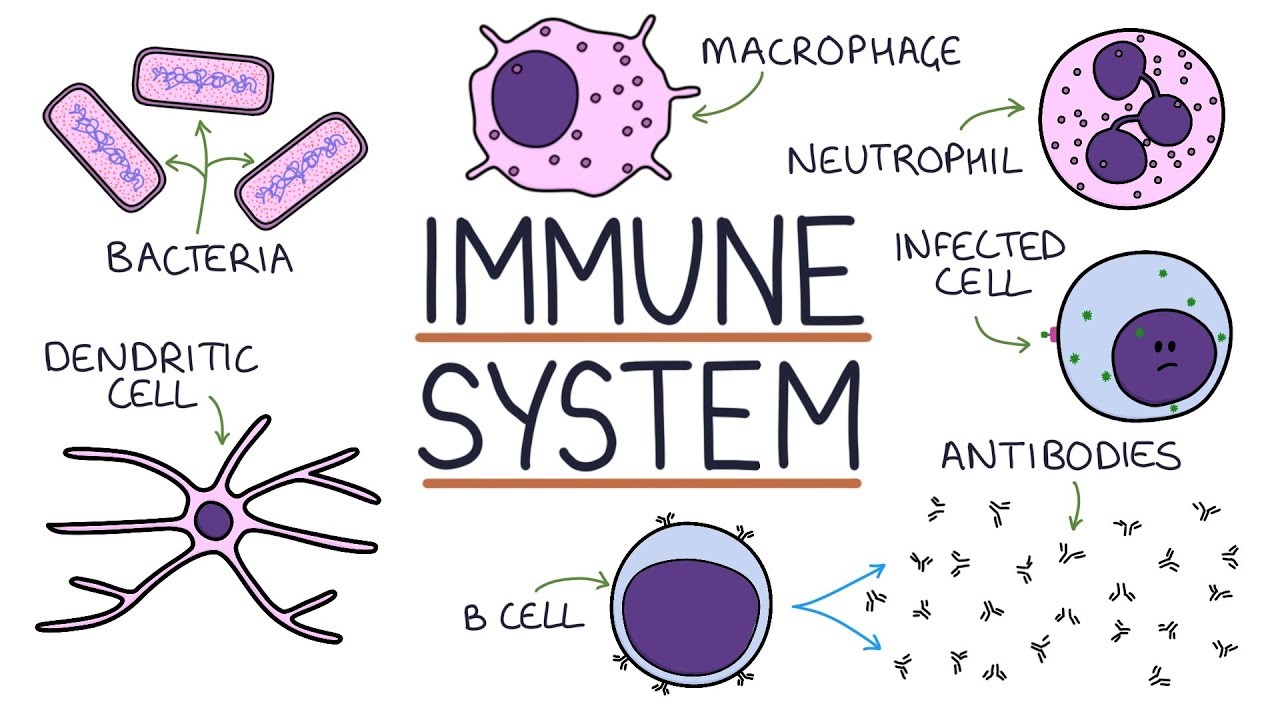
The group is interested in the study of the immune response from a multidisciplinary perspective that includes genomic, biochemical, proteomic, in vivo and biotechnological models aimed at the design of therapeutic strategies against various chronic, infectious and rare diseases that have a clear immunological component in their etiology.
The current specific objectives focus on:
- Antigenic presentation: Identification of antigenic presentation rules for their application in the design of therapeutic treatments including vaccines.
- Study of CD69 function and its regulation; its use as a therapeutic target in the mobilization of hematopoietic precursors and in the potentiation of the immune response mediated by CD69 with the potentiation of vaccines using the vaccinia virus as a vector.
The group is interested in the study of the immune response from a multidisciplinary perspective that includes genomic, biochemical, proteomic, in vivo and biotechnological models aimed at the design of therapeutic strategies against various chronic, infectious and rare diseases that have a clear immunological component in their etiology.
The current specific objectives focus on:
- Antigenic presentation: Identification of antigenic presentation rules for their application in the design of therapeutic treatments including vaccines.
- Study of CD69 function and its regulation; its use as a therapeutic target in the mobilization of hematopoietic precursors and in the potentiation of the immune response mediated by CD69 with the potentiation of vaccines using the vaccinia virus as a vector.
The current director of CNM is Dr. José Miguel Rubio Muñoz.
Dr. José Miguel Rubio has a degree in Biological Sciences from the Universidad Autónoma de Madrid (1986) and a PhD in Biological Sciences from the same university (1992). He carried out his doctoral thesis at the Department of Genetics of the Universidad Autónoma de Madrid, as Associate Professor (1988-1989), and at the School of Biology of the University of East Anglia in Norwich, UK, as Senior Research Assistant (1989-1992).
During his postdoctoral period he obtained a grant from the European Commission within the Human Capital and Mobility Program to be carried out at the University of “La Sapienza” in Rome, Italy and the Institute of Molecular Biology and Biotechnology in Crete, Greece (1993-1994). Subsequently, he made a further stay funded by the WHO and the university itself at the Department of Entomology, Wageningen University, The Netherlands (1994-1996).
Since 1997 he has been a member of the Instituto de Salud Carlos III (ISCIII), where he joined the Department of Parasitology of the National Center of Microbiology, as an EU-INCO postdoctoral fellow and later with a grant from the Autonomous Community of Madrid (CAM). She was part of the founding group of the National Center for Tropical Medicine (2003-2006) and of the 24/7 Alerts and Emergencies Unit (2006-2018) and is currently Head of the Malaria and Emerging Parasitosis Unit of the National Microbiology Center and is part, as research staff, of the Center for Biomedical Research Network on Infectious Diseases (CIBERINFEC/ISCIII).
During his scientific career he has been Visiting Scientist at the Leonidas e Marie Dean Center (FIOCRUZ-AMAZONAS, Manaus, Brazil) and is an External Consultant of the Parasitology Departments of Cairo University (Egypt) and the Medical Research Center (MRC) of Kuala Lumpur (Malaysia). He also belongs or has belonged to different national and international committees: Member of the expert group for malaria control of the European Centre for Disease Control (ECDC) since 2011; Expert-Evaluator for health programs of the European Commission since 2004; Spanish Representative (commissioned by ISCIII and MSC) in the Technical Scientific Committee of the TDR (WHO) 2007-2008; Spanish Deputy Focal Point for microbiology at the European Centre for Disease Control (ECDC) from 2012 to 2020; and, member of the Research Ethics Committee of ISCIII until 2019.
In this period he has published more than 100 articles in international indexed journals, 10 book chapters and has been co-editor of two books in the area of malaria, tropical medicine and neglected diseases. He has participated in 58 competitively funded research projects, 20 of them international, having been the principal investigator in 8 national and 11 international projects as PI of the project or WP leader. In addition, he has led five agreements with companies. Currently he has been awarded four sexenios of research, being presented this year 2025 to the fifth. In the teaching field, he participates in different postgraduate programs in the areas of microbiology and parasitology, having directed seven doctoral theses and more than 20 Master's or Degree final projects, both nationally and internationally.
El laboratorio de Referencia e Investigación en Resistencia a Antibióticos ofrece una amplia cartera de servicios al Sistema Nacional de Salud, las cuales pueden solicitarse en cnm-laboratorios.isciii.es. Jefe del Laboratorio: Jesús Oteo Iglesias (Punto focal Nacional de Resistencia antibiótica).
Dispone de dos programas de Vigilancia oficiales y gratuitos que engloban los ensayos ofertados ya sea como aislamientos individuales o mediante estudio de brotes. El Laboratorio utiliza asimismo técnicas de PCR en tiempo real para la detección de genes de resistencia, estas técnicas se han adaptado a un formato multiplex que permite detectar varios genes en la misma reacción. En los últimos años se han incluido metodologías basadas en la secuenciación de genomas completos para el análisis de bacterias multiresistentes (WGS).
Programa de vigilancia de Haemophilus influenzae. Responsables: María Pérez Vázquez (Punto focal Nacional de Haemophilus influenzae) y Belén Aracil. Laboratorio encargado de la identificación, estudio de sensibilidad y análisis genotípico de aislados de Haemophilus influenzae, centrándose esencialmente en la patología invasiva debida este patógeno.
Programa de vigilancia de Resistencia a Antibióticos. Responsables: María Pérez Vázquez y Belén Aracil (Punto focal Nacional de Resistencia antibiótica). Laboratorio encargado de la identificación, el estudio de sensibilidad antibiótica, y el diagnóstico fenotípico y genotípico de los diferentes mecanismos de resistencia a antibióticos fundamentalmente en enterobacterias y gram-negativos no fermentadores y Enterococcus spp.
Estudio de brotes. Responsables: Belén Aracil y María Pérez Vázquez. El programa incluye la caracterización de brotes nosocomiales y clones emergentes de alto riesgo mediante diferentes técnicas moleculares (tabla resumen). Éstas, nos permiten realizar estudios filogenéticos con el fin de obtener una información detallada acerca la relación entre los diferentes aislados y su trazabilidad. El objetivo final es generar datos que se transfieren a los hospitales como ayuda para la prevención o control de la propagación del brote.
Acreditación y Calidad. Responsable: Belén Aracil. El laboratorio Referencia e Investigación en Resistencia a Antibióticos ha sido de los primeros en el ISCIII en la utilización de técnicas acreditadas por la Entidad Nacional de Acreditaciones (ENAC). Este laboratorio consiguió la primera acreditación homologada de técnicas diagnósticas en 2012, programa que ha sido ampliado, de manera que en la actualidad más de la mitad de las técnicas ofrecidas al Sistema Nacional de Salud están debidamente acreditadas por ENAC.
Técnicos responsables de las técnicas realizadas en el Laboratorio: Noelia Lara Fuella y Verónica Bautista Sánchez.
En la siguiente imagen se resumen las técnicas ofrecidas al Sistema Nacional de Salud.
| PROGRAMAS | NOMBRE CARTERA SERVICIO | PATÓGENO | DETERMINACIÓN, DETECCIÓN, ANÁLISIS | MÉTODOS |
|
Programa de vigilancia de Haemophilus Programa de vigilancia de resistencia a antibióticos. |
Identificación bacteriana |
Haemophilus sp. Enterobacterias, gram-negativos no fermentadores, Enterococcus spp |
Identificación bacteriana |
Bioquímicos MALDI TOF Secuenciación de RNAr |
| | Identificación capsular |
Haemophilus influenzae
|
Identificación capsular fenotípica y genotípica |
Aglutinación serológica en latex PCR ind/multiplex |
| | Determinación de Sensibilidad |
Haemophilus sp. Enterobacterias, gram-negativos no fermentadores, Enterococcus
|
Determinación de Sensibilidad |
Microdilución Tiras epsilon Kirby Bauer |
| | Métodos fenotípicos de detección de mecanismos de resistencia |
Enterobacterias, gram-negativos no fermentadores,
|
Métodos fenotípicos de detección de mecanismos de resistencia |
Discos y tabletas combinados con inhibidores Tiras combinadas Test de Hodge modificado CabaNP Inmunocromatografía CBP |
| | Métodos genotípicos de detección de mecanismos de resistencia |
Haemophilus sp. Enterobacterias, gram-negativos no fermentadores, Enterococcus
|
ADN, PCR y secuenciación |
PCR ind/multiplex Análisis comparativo de las secuencias |
| | Tipificación molecular/análisis filogenéticos |
Haemophilus sp. Enterobacterias, gram-negativos no fermentadores, Enterococcus
|
Corte enzimas de restricción, electroforesis ADN, PCR y secuenciación Preparación de librerías y secuenciación y análisis de genomas completos |
PFGE
MLST
WGS |