



We protect your health through science
Investigation
Immune Presentation and Regulation
Publications
DC-SIGN(+) Macrophages Control the Induction of Transplantation Tolerance
9. Conde P, Rodriguez M, van der Touw W, Jimenez A, Burns M, Miller J, Brahmachary M, Chen HM, Boros P, Rausell-Palamos F, Yun TJ, Riquelme P, Rastrojo A, Aguado B, Stein-Streilein J, Tanaka M, Zhou L, Zhang J, Lowary TL, Ginhoux F, Park CG, Cheong C, Brody J, Turley SJ, Lira SA, Bronte V, Gordon S, Heeger PS, Merad M, Hutchinson J, Chen SH, Ochando J. 2015. DC-SIGN(+) Macrophages Control the Induction of Transplantation Tolerance. Immunity. 16;42(6):1143-58.
PUBMED DOIProteomic characterisation of bovine and avian purified protein derivatives and identification of specific antigens for serodiagnosis of bovine tuberculosis
2.- Proteomic characterisation of bovine and avian purified protein derivatives and identification of specific antigens for serodiagnosis of bovine tuberculosis. Antonio Infantes-Lorenzo, Jose; Moreno, Inmaculada; Angeles Risalde, Maria; et ál. CLINICAL PROTEOMICS Volumen: 14 Número de artículo: 36 Fecha de publicación: NOV 2 2017
PUBMED DOIFunctional and structural characterization of four mouse monoclonal antibodies to complement C3 with potential therapeutic and diagnostic applications.
3.- Functional and structural characterization of four mouse monoclonal antibodies to complement C3 with potential therapeutic and diagnostic applications. Subias Hidalgo, Marta; Yebenes, Hugo; Rodriguez-Gallego, Cesar; et ál..EUROPEAN JOURNAL OF IMMUNOLOGY Volumen: 47 Número: 3 Páginas: 504-515 Fecha de publicación: MAR 2017
PUBMED DOIImmunoproteomic characterisation of Mycoplasma mycoides subspecies capri by mass spectrometry analysis of two- dimensional electrophoresis spots and western blot
5.- Immunoproteomic characterisation of Mycoplasma mycoides subspecies capri by mass spectrometry analysis of two- dimensional electrophoresis spots and western blot. Churchward, Colin P.; Rosales, Ruben S.; Gielbert, Adriana; et ál..JOURNAL OF PHARMACY AND PHARMACOLOGY Volumen: 67 Número: 3 Número especial: SI Páginas: 364-371 Fecha de publicación: MAR 2015
PUBMED DOIEfficacy of low doses of amphotericin B plus allicin against experimental visceral leishmaniasis.
6.- Efficacy of low doses of amphotericin B plus allicin against experimental visceral leishmaniasis. Corral, M. Jesus; Serrano, Dolores R.; Moreno, Inmaculada; et ál..JOURNAL OF ANTIMICROBIAL CHEMOTHERAPY Volumen: 69 Número: 12 Páginas: 3268-3274 Fecha de publicación: DEC 2014
PUBMED DOIA Novel Antibody against Human Factor B that Blocks Formation of the C3bB Proconvertase and Inhibits Complement Activation in Disease Models
7.- A Novel Antibody against Human Factor B that Blocks Formation of the C3bB Proconvertase and Inhibits Complement Activation in Disease Models. Subias, Marta; Tortajada, Agustin; Gastoldi, Sara; et ál..JOURNAL OF IMMUNOLOGY Volumen: 193 Número: 11 Páginas: 5567-5575 Fecha de publicación: DEC 2014
PUBMED DOIDetection of anti-Leishmania infantum antibodies in sylvatic lagomorphs from an epidemic area of Madrid using the indirect immunofluorescence antibody test
8.- Detection of anti-Leishmania infantum antibodies in sylvatic lagomorphs from an epidemic area of Madrid using the indirect immunofluorescence antibody test. Moreno, Inmaculada; Alvarez, Julio; Garcia, Nerea; et ál..VETERINARY PARASITOLOGY Volumen: 199 Número: 3-4 Páginas: 264-267 Fecha de publicación: 2014
PUBMED DOI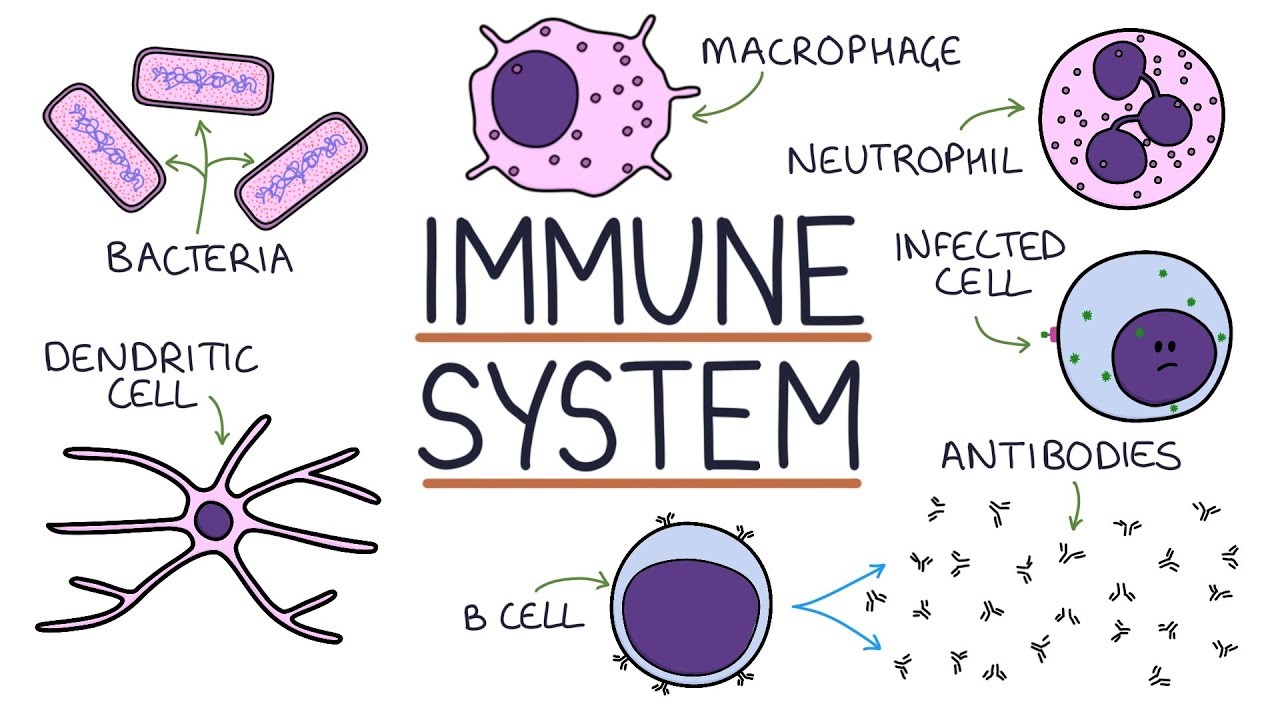
Additional Information
The group is interested in the study of the immune response from a multidisciplinary perspective that includes genomic, biochemical, proteomic, in vivo and biotechnological models aimed at the design of therapeutic strategies against various chronic, infectious and rare diseases that have a clear immunological component in their etiology.
The current specific objectives focus on:
- Antigenic presentation: Identification of antigenic presentation rules for their application in the design of therapeutic treatments including vaccines.
- Study of CD69 function and its regulation; its use as a therapeutic target in the mobilization of hematopoietic precursors and in the potentiation of the immune response mediated by CD69 with the potentiation of vaccines using the vaccinia virus as a vector.
The group is interested in the study of the immune response from a multidisciplinary perspective that includes genomic, biochemical, proteomic, in vivo and biotechnological models aimed at the design of therapeutic strategies against various chronic, infectious and rare diseases that have a clear immunological component in their etiology.
The current specific objectives focus on:
- Antigenic presentation: Identification of antigenic presentation rules for their application in the design of therapeutic treatments including vaccines.
- Study of CD69 function and its regulation; its use as a therapeutic target in the mobilization of hematopoietic precursors and in the potentiation of the immune response mediated by CD69 with the potentiation of vaccines using the vaccinia virus as a vector.