



We protect your health through science
Investigation
Immune Presentation and Regulation
Publications
Proline-Rich Hypervariable Region of Hepatitis E Virus: Arranging the Disorder.
• Muñoz-Chimeno M, Cenalmor A, García-Lugo MA, Hernandez M, David Rodríguez-Lazaro D, Avellón A. Proline-Rich Hypervariable Region of Hepatitis E Virus: Arranging the Disorder. Microorganisms. 2020 Sep 15;8(9):1417.
PUBMED DOIClinical performance of Determine HBsAg 2 rapid test for Hepatitis B detection.
• Avellón A, Ala A, Diaz A, Domingo D, González R, Hidalgo L, Kooner L, Loganathan S, Martin D, McPherson S, Muñoz-Chimeno M, Ryder S, Gabrielle Slapak G, Ryan P, Valbuena M, Kennedy PT. Clinical performance of Determine HBsAg 2 rapid test for Hepatitis B detection. J Med Virol. 2020 Apr 9.
PUBMED DOIHepatitis E virus genotype 3 microbiological surveillance by the Spanish Reference Laboratory: geographic distribution and phylogenetic analysis of subtypes from 2009 to 2019.
• Muñoz-Chimeno M, Bartúren S, García-Lugo MA, Morago L, Rodríguez A, Galán JC, Pérez-Rivilla A, Rodríguez M, Millán R, Del Álamo M, Alonso R, Molina L, Aguinaga A, Avellón A. Hepatitis E virus genotype 3 microbiological surveillance by the Spanish Reference Laboratory: geographic distribution and phylogenetic analysis of subtypes from 2009 to 2019. Euro Surveill. 2022 Jun;27(23):2100542.
PUBMED DOIHepatitis E virus: Assessment of the epidemiological situation in humans in Europe
• Adlhoch C, Avellón A, Baylis SA, Ciccaglione AR, Couturier E, de Sousa R, Epštein J, Ethelberg S, Faber M, Fehér A, Ijaz S, Lange H, Manďáková Z, Mellou K, Mozalevskis A, Rimhanen-Finne R, Rizzi V, Said B, Sundqvist L, Thornton L, Tosti ME, van Pelt W, Aspinall E, Domanovic D, Severi E, Takkinen J, Dalton HR. Hepatitis E virus: Assessment of the epidemiological situation in humans in Europe, 2014/15. J Clin Virol. 2016 Sep;82:9-16.
PUBMED DOIEmergence of linezolid-resistant coagulase-negative staphylococci in an intensive care unit
2. Emergence of linezolid-resistant coagulase-negative staphylococci in an intensive care unit. Balandin B, Lobo B, Orden B, Román F, García E, Martínez R, Valdivia M, Ortega A, Fernández I, Galdos P. Infect Dis (Lond). 2016;48(5):343-9.
PUBMED DOIHorizontal gene transmission of the cfr gene to MRSA and Enterococcus: role of Staphylococcus epidermidis as a reservoir and alternative pathway for the spread of linezolid resistance.
3. Horizontal gene transmission of the cfr gene to MRSA and Enterococcus: role of Staphylococcus epidermidis as a reservoir and alternative pathway for the spread of linezolid resistance. Cafini F, Nguyen le TT, Higashide M, Román F, Prieto J, Morikawa K. J Antimicrob Chemother. 2016 Mar;71(3):587-92.
PUBMED DOIEmergence of cfr-Mediated Linezolid Resistance in a Methicillin-Resistant Staphylococcus aureus Epidemic Clone Isolated from Patients with Cystic Fibrosis.
4. Emergence of cfr-Mediated Linezolid Resistance in a Methicillin-Resistant Staphylococcus aureus Epidemic Clone Isolated from Patients with Cystic Fibrosis. de Dios Caballero J, Pastor MD, Vindel A, Máiz L, Yagüe G, Salvador C, Cobo M, Morosini MI, del Campo R, Cantón R; GEIFQ Study Group. Antimicrob Agents Chemother. 2015 Dec 14;60(3):1878-82.
PUBMED DOIThe dynamic changes of dominant clones of Staphylococcus aureus causing bloodstream infections in the European region: results of a second structured survey.
5. The dynamic changes of dominant clones of Staphylococcus aureus causing bloodstream infections in the European region: results of a second structured survey. Grundmann H, Schouls LM, Aanensen DM, Pluister GN, Tami A, Chlebowicz M, Glasner C, Sabat AJ, Weist K, Heuer O, Friedrich AW; ESCMID Study Group on Molecular Epidemiological Markers; European Staphylococcal Reference Laboratory Working Group. Euro Surveill. 2014 Dec 11;19(49).
PUBMED DOI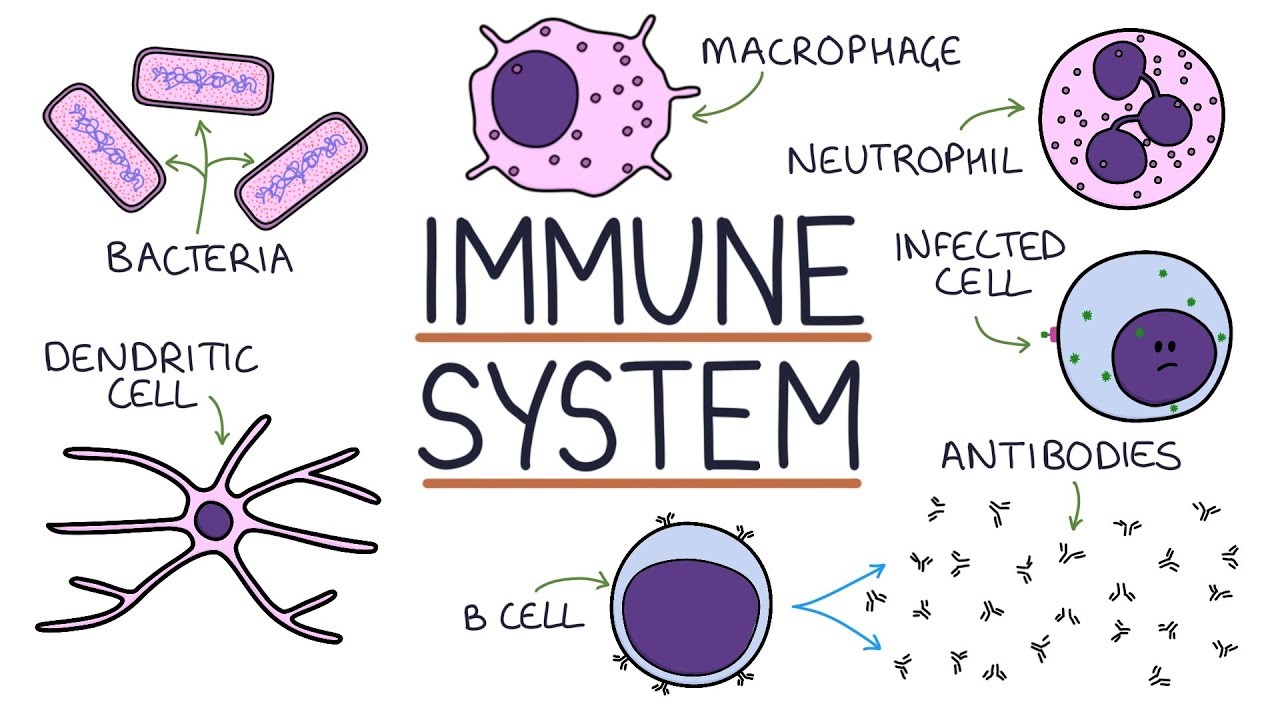
Additional Information
The group is interested in the study of the immune response from a multidisciplinary perspective that includes genomic, biochemical, proteomic, in vivo and biotechnological models aimed at the design of therapeutic strategies against various chronic, infectious and rare diseases that have a clear immunological component in their etiology.
The current specific objectives focus on:
- Antigenic presentation: Identification of antigenic presentation rules for their application in the design of therapeutic treatments including vaccines.
- Study of CD69 function and its regulation; its use as a therapeutic target in the mobilization of hematopoietic precursors and in the potentiation of the immune response mediated by CD69 with the potentiation of vaccines using the vaccinia virus as a vector.
The group is interested in the study of the immune response from a multidisciplinary perspective that includes genomic, biochemical, proteomic, in vivo and biotechnological models aimed at the design of therapeutic strategies against various chronic, infectious and rare diseases that have a clear immunological component in their etiology.
The current specific objectives focus on:
- Antigenic presentation: Identification of antigenic presentation rules for their application in the design of therapeutic treatments including vaccines.
- Study of CD69 function and its regulation; its use as a therapeutic target in the mobilization of hematopoietic precursors and in the potentiation of the immune response mediated by CD69 with the potentiation of vaccines using the vaccinia virus as a vector.