



We protect your health through science
Investigation
Immune Presentation and Regulation
Publications
Epidemiology of the Acinetobacter-derived cephalosporinase, carbapenem-hydrolysing oxacillinase and metallo-beta-lactamase genes, and of common insertion sequences, in epidemic clones of Acinetobacter baumannii from Spain
Villalón P, Valdezate S, Medina-Pascual MJ, Carrasco G, Vindel A, Saez-Nieto JA. Epidemiology of the Acinetobacter-derived cephalosporinase, carbapenem-hydrolysing oxacillinase and metallo-beta-lactamase genes, and of common insertion sequences, in epidemic clones of Acinetobacter baumannii from Spain. J Antimicrob Chemother. 2013;68(3):550-3.
PUBMED DOIShortcomings of the commercial MALDI-TOF MS database and use of MLSA as an arbiter in the identification of Nocardia species
Carrasco G, de Dios Caballero J, Garrido N, Valdezate S, Cantón R, Sáez-Nieto JA. Shortcomings of the commercial MALDI-TOF MS database and use of MLSA as an arbiter in the identification of Nocardia species. Front Microbiol. 2016 21;7:542.
PUBMED DOIKinetics of the invasion and egress processes of Babesia divergens, observed by time-lapse video microscopy.
Sevilla E; González LM; Luque D; Gray J; Montero E. 2018. Kinetics of the invasion and egress processes of Babesia divergens, observed by time-lapse video microscopy. Scientific Reports. 8:14116.DOI: 10.1038/s41598-018-32349-7
PUBMED DOIMisdiagnosis of Babesiosis as Malaria, Equatorial Guinea, 2014.
2. Arsuaga M; González LM; Salvador Padial E; Woubshet Dinkessa A; Sevilla E; Trigo E; Puente S; Gray J; Montero E. 2018. Misdiagnosis of Babesiosis as Malaria, Equatorial Guinea, 2014. Emerging Infectious Diseases.24-8, pp.1588-1589.
PUBMED DOI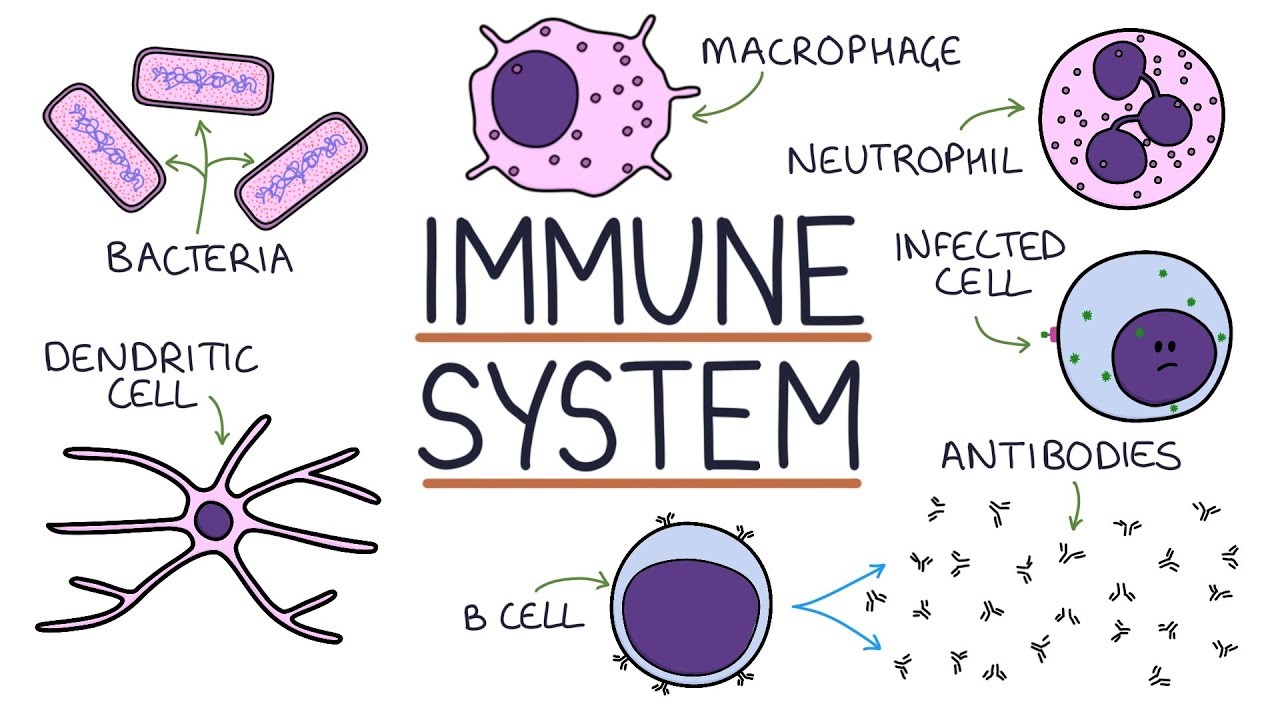
Additional Information
The group is interested in the study of the immune response from a multidisciplinary perspective that includes genomic, biochemical, proteomic, in vivo and biotechnological models aimed at the design of therapeutic strategies against various chronic, infectious and rare diseases that have a clear immunological component in their etiology.
The current specific objectives focus on:
- Antigenic presentation: Identification of antigenic presentation rules for their application in the design of therapeutic treatments including vaccines.
- Study of CD69 function and its regulation; its use as a therapeutic target in the mobilization of hematopoietic precursors and in the potentiation of the immune response mediated by CD69 with the potentiation of vaccines using the vaccinia virus as a vector.
The group is interested in the study of the immune response from a multidisciplinary perspective that includes genomic, biochemical, proteomic, in vivo and biotechnological models aimed at the design of therapeutic strategies against various chronic, infectious and rare diseases that have a clear immunological component in their etiology.
The current specific objectives focus on:
- Antigenic presentation: Identification of antigenic presentation rules for their application in the design of therapeutic treatments including vaccines.
- Study of CD69 function and its regulation; its use as a therapeutic target in the mobilization of hematopoietic precursors and in the potentiation of the immune response mediated by CD69 with the potentiation of vaccines using the vaccinia virus as a vector.