



We protect your health through science
Investigation
Immune Presentation and Regulation
Research Lines
Content with Investigacion .
Herramientas transcriptómicas aplicadas al diagnóstico y pronóstico de enfermedades infecciosas
A) Papel regulador de smallARNs en infecciones virales: Los microARNs (miARNs) son excelentes biomarcadores de diagnóstico en enfermedades infecciosas, por su gran estabilidad, aparición temprana durante el periodo de incubación y papel central en la regulación de la respuesta inmune. Las células infectadas muestran un perfil de expresión específico según el patógeno. Su análisis masivo permite identificar ARNs cortos tanto celulares como virales o bacterianos, y analizar su asociación con la evolución clínica de la enfermedad y aspectos inmunovirológicos. Actualmente se analizan ARNs cortos menos conocidos (como piwiRNA, snoRNA, snRNA, etc), utilizando y/o desarrollando herramientas bioinformáticas adaptadas a su estudio en enfermedades infecciosas.
B) Desarrollo de herramientas y estudio de ARNs cortos exógenos: un elevado porcentaje de secuencias de ARNs cortos en muestra clínica corresponden a ARN no humano. Estas secuencias corresponden principalmente a potenciales co-infecciones, microbiota, o incluso procedentes de la dieta. El análisis de estas secuencias permite conocer mejor las bases moleculares de las enfermedades infecciosas, así como identificar nuevos biomarcadores o estrategias terapéuticas, ya que son moléculas de aparición temprana e interaccionan con el sistema inmune del paciente. Por ello desarrollamos herramientas para su estudio y analizamos los ARNs cortos exógenos en distintas patologías infecciosas.
C) Estudio de vesículas extracelulares como fuente de biomarcadores de diagnóstico y pronóstico en enfermedades
Infecciosas: Los ARNs cortos están presentes tanto en la célula de origen como en el interior de vesículas extracelulares (VE) formando parte de un mecanismo de comunicación intersistémica. Las VE están presentes en prácticamente todos los fluidos biológicos. Su contenido está relacionado con el estadio fisiopatológico de una célula infectada, conteniendo biomarcadores con interés tanto diagnóstico como pronóstico en enfermedades infecciosas. Por ello analizamos los ARN relacionados con la evolución clínica en distintas patologías infecciosas como VIH, VHC y sepsis y también los ADN contenidos en VE que puedan proporcionar información sobre el reservorio del VIH.
D) Identificación de marcadores de senescencia inducida por virus y estrategias paliativas: Las infecciones tanto crónicas como agudas inducen una senescencia acelerada en el paciente cuyo impacto afecta tanto a la evolución de la enfermedad como a posibles comorbilidades. No existen estudios a largo plazo sobre la evolución de los pacientes tras la infección por VHC o administración de AADs, por lo que estamos evaluando los mecanismos que desencadenan la inmunosenescencia y estrés oxidativo asociado a la infección por el VIH, VHC y otras infecciones virales para identificar nuevas estrategias terapéuticas que palien el envejecimiento prematuro en estos pacientes.
E) Impacto de la coinfección por hepatitis virales en el reservorio del VIH: La coinfección por el VHC impacta en el reservorio del VIH, principal obstáculo para eliminar esta infección a día de hoy. Se realizan distintos abordajes del estudio del reservorio de viral VIH en grupos de pacientes VIH con distinta exposición al VHC y otras infecciones, y su asociación con otros marcadores inmunológicos con el objetivo de identificar y proponer nuevas estrategias de eliminación/curación del VIH.
F) Integración de ómicas frente al COVID-19: Debido a que la enfermedad causada por la infección por SARS-CoV-2 representa un espectro variado de gravedad clínica, en esta línea de investigación, aplicamos tecnologías ómicas de manera integrada que incluyen un análisis de asociación de genoma completo, secuenciación masiva de microRNAs y análisis metabolómico y de marcadores de inflamación y coagulación, además del estudio del microbioma sanguíneo, con el objetivo de identificar al inicio de la infección los pacientes con peor pronóstico, contribuyendo a una intervención temprana y medidas terapéuticas efectivas.
Research projects
Content with Investigacion .
PROYECTOS DE INVESTIGACIÓN FINANCIADOS EN LOS ÚLTIMOS 10 AÑOS
1.TÍTULO: Sur8/Shoc2 como nuevo actor en envejecimiento y fragilidad.
CONVOCATORIA: COOPERA ISCIII 2024
ENTIDAD FINANCIADORA: Instituto de Salud Carlos III
REFERENCIA: COOP24CIII/00030
INVESTIGADOR PRINCIPAL: Amanda Fernández Rodríguez
INICIO/FINALIZACIÓN: 2025 - agosto 2028
FINANCIACIÓN: 130.600€
2.TÍTULO: Algoritmo predictivo para aNTicipar una retIrada preCoz y segura del tratamiento AntIbiótico en sePsis Abdominal basado en marcadores clínicos y transcriptómicos (ANTICIPA).
CONVOCATORIA: CIBERINFEC 2023
ENTIDAD FINANCIADORA: Centro de Investigación Biomédica en Red, CIBER, Instituto de Salud Carlos III
REFERENCIA: INFEC24PI01 S.N/2024
INVESTIGADOR PRINCIPAL: Amanda Fernández Rodríguez, IP coordinador
INICIO/FINALIZACIÓN: 2024-2025
FINANCIACIÓN: 120.000€

3.TÍTULO: Optimización de la duración del tratamiento antibiótico en la sepsis abdominal basado en la cinética de biomarcadores transcriptomicos y clínicos (Estudio GENOTIME-COHORT)).
CONVOCATORIA: AESI 2023
ENTIDAD FINANCIADORA: Instituto de Salud Carlos III
REFERENCIA: PI23CIII/00010
INVESTIGADOR PRINCIPAL: Amanda Fernández Rodríguez, IP coordinador
INICIO/FINALIZACIÓN: 2024-2026
FINANCIACIÓN: 128.750€
4.TÍTULO: Impact of long-tem HCV eradication on HIV infection: integration of Immune-virologic HIV markers, host transcriptome, and plasma microbiome data
CONVOCATORIA: Proyectos de Generación de Conocimiento
ENTIDAD FINANCIADORA: Ministerio de Ciencia, Innovación y Universidades.
REFERENCIA: PID2021-126781OB-I00 financiado por por MICIU/AEI /10.13039/501100011033 y por FEDER, UE
INVESTIGADOR PRINCIPAL: Amanda Fernández y Verónica Briz
INICIO/FINALIZACIÓN: Septiembre 2022 - agosto 2025
FINANCIACIÓN: 157.300€

5.TÍTULO: Determinación de biomarcadores de senescencia tras la eliminación del virus de la hepatitis C con antivirales de acción directa
CONVOCATORIA: X Convocatoria Proyectos de Investigación Santander UAX.
ENTIDAD FINANCIADORA: Fundación Universidad Alfonso X El Sabio
REFERENCIA: 1.010.932
INVESTIGADOR PRINCIPAL: Amanda Fernández
INICIO/FINALIZACIÓN: 2019 - 2022
FINANCIACIÓN: 90.000€
6.TÍTULO: Impacto de la erradicación y aclaramiento del VHC con los nuevos antivirales de acción directa, en pacientes coinfectados VIH/VHC en el reservorio VIH en sangre periférica y sistema inmune.
CONVOCATORIA: AESI 2018
ENTIDAD FINANCIADORA: Instituto de Salud Carlos III
REFERENCIA: PI18CIII/00020
INVESTIGADOR PRINCIPAL: Amanda Fernández Rodríguez
INICIO/FINALIZACIÓN: 2020-2021
FINANCIACIÓN: 92.000 €
7. TÍTULO Integración de ómicas frente al COVID-19.
CONVOCATORIA: Fondo SARS-CoV-2 y enfermedad COVID19
ENTIDAD FINANCIADORA: Instituto de Salud Carlos III
REFERENCIA: COV20/01144
INVESTIGADOR PRINCIPAL: Amanda Fernández Rodríguez
INICIO/FINALIZACIÓN: 2020-2021
FINANCIACIÓN: 131.970 €
8. TÍTULO: Estudio de los efectos de la clarificación del VHC en pacientes coinfectados VIH/VHC: impacto en el reservorio VIH, subpoblaciones de LT y en el perfil de microRNAs.
CONVOCATORIA: AESI 2015
ENTIDAD FINANCIADORA: Instituto de Salud Carlos III
REFERENCIA: PI15CIII/00031
INVESTIGADOR PRINCIPAL: Amanda Fernández Rodríguez y Verónica Briz
INICIO/FINALIZACIÓN: 2019-2019
FINANCIACIÓN: 54.800 €
Formando parte del equipo investigador:
1. 101157269. The ENVironmental ExpoSOME and health (ENVESOME) Entidad Financiadora: HORIZON EUROPE (Horizon), Horizon Research and Innovation Actions IP: Coordinador ETHNIKO IDRYMA EREVNON Duración: 1 December 2024 – 30 November 2028; Presupuesto: total 7 999 798,58 €, ISCIII 447 500,00 €; Grant agreement ID: 101157269
2. 925.581: Estudio de los factores genéticos asociados al desarrollo de secuelas en el paciente crítico post COVID. Fundación Universidad Alfonso X el Sabio-Santander. Abril 2022-prorrogable hasta marzo 2025. 81.000€; IP: Rafael Blancas Gómez-Casero
2. COV20_00622: Determinantes genéticos y biomarcadores genómicos de riesgo en pacientes con infección por coronavirus SARS-Cov-2. Instituto de Salud Carlos III, Fondo COVID-19. 01/05/2020-30/04/2021. 597.900 €; IP: Ángel Carracedo
3. CIVP19A5953: Búsqueda de biomarcadores en vesículas extracelulares para el diagnóstico y pronóstico del shock séptico post-quirúrgico. Fundación Ramón Areces. 2019-2021. 70.567€; IP: Eduardo Tamayo Gómez
4. VA321P18: Búsqueda de biomarcadores en vesículas extracelulares para el diagnóstico y pronóstico del shock séptico post-quirúrgico. Gerencia Regional de Salud. Consejería de Sanidad. Comunidad de Castilla y León. 2019-2021. 120.000€; IP: Eduardo Tamayo Gómez
La Dra. Fernández lidera tres subproyectos del consorcio “Spanish COalition to Unlock Research on host Genetics on COVID-19 (http://www.scourge-covid.org/)" que surgió a partir de uno de los proyectos del fondo COVID-ISCIII (REF:COV20_00622). Esta propuesta engloba a más de 60 grupos españoles, 9 biobancos y 22 grupos de investigación de distintos países Latinoaméricanos (México, Cuba, República Dominicana, Nicaragua, Colombia, Ecuador, Perú, Paraguay, Brasil, Uruguay y Argentina) y está alineada con el “The COVID-9 Host Genetics Initiative" (https://www.covid19hg.org/).
Publications
Detection of Rhabdovirus viral RNA in oropharyngeal swabs and ectoparasites of Spanish bats
Aznar C, Vazquez-Moron S, Martson D, Juste J, Ibáñez C, Berciano JM, Salsamendi E, Aihartza J, Banyard AC, McElhinney L, Fooks AR, Echevarria JE. Detection of Rhabdovirus viral RNA in oropharyngeal swabs and ectoparasites of Spanish bats. Journal of General Virology. 2013. 94: 69-75.
PUBMED DOIGenomic non-coding regions reveal hidden patterns of mumps virus circulation in Spain, 2005 to 2015
Gavilán AM, Fernández-García A*, Rueda A, Castellanos A, Masa J, López-Perea N, Torres de Mier MV, de Ory F, Echevarría JE. Non-coding sequences reveal hidden patterns of mumps virus circulation in Spain, 2005 to 2015. Eurosurveillance,2018, 23(15): 1-8. *Corresponding author.
PUBMED DOIFirst cases of European Bat Lyssavirus type 1 in Iberian serotine bats: implications for the molecular epidemiology of bat rabies in Europe.
Mingo-Casas P, Sandonís V, Obón E, Berciano JM, Vázquez-Morón S, Juste J, Echevarría JE. First cases of European Bat Lyssavirus type 1 in Iberian serotine bats: implications for the molecular epidemiology of bat rabies in Europe. Plos Neglected Tropical Diseases, 2018: 12(4): e0006290.
PUBMED DOILast cases of rubella and congenital rubella syndrome in Spain, 1997–2016: The success of a vaccination program
Seppälä EM, López-Perea N, Torres de Mier MV, Echevarría JE, Fernández García A, Masa-Calles J. Last cases of rubella and congenital rubella syndrome in Spain, 1997–2016: The success of a vaccination program. Vaccine, 2019, 37(1):169-175.
PUBMED DOICombination of Cefditoren and N-acetyl-l-Cysteine Shows a Synergistic Effect against Multidrug-Resistant Streptococcus pneumoniae Biofilms
Llamosí M, Sempere J, Coronel P, Gimeno M, Yuste J, Domenech M. Combination of Cefditoren and N-acetyl-l-Cysteine Shows a Synergistic Effect against Multidrug-Resistant Streptococcus pneumoniae Biofilms. Microbiol Spectr. 2022 Dec 21;10(6):e0341522
PUBMED DOIClearance of mixed biofilms of Streptococcus pneumoniae and methicillin-susceptible/resistant Staphylococcus aureus by antioxidants N-acetyl-L-cysteine and cysteamine
Sempere J, Llamosí M, Román F, Lago D, González-Camacho F, Pérez-García C, Yuste J, Domenech M. Clearance of mixed biofilms of Streptococcus pneumoniae and methicillin-susceptible/resistant Staphylococcus aureus by antioxidants N-acetyl-L-cysteine and cysteamine. Sci Rep. 2022 Apr 23;12(1):6668
PUBMED DOIClinical Relevance and Molecular Pathogenesis of the Emerging Serotypes 22F and 33F of Streptococcus pneumoniae in Spain
Sempere J, de Miguel S, González-Camacho F, Yuste J, Domenech M. Clinical Relevance and Molecular Pathogenesis of the Emerging Serotypes 22F and 33F of Streptococcus pneumoniae in Spain. Front Microbiol. 2020 Feb 27;11:309.
PUBMED DOICombination of Antibodies and Antibiotics as a Promising Strategy Against Multidrug-Resistant Pathogens of the Respiratory Tract
Domenech M, Sempere J, de Miguel S, Yuste J. Combination of Antibodies and Antibiotics as a Promising Strategy Against Multidrug-Resistant Pathogens of the Respiratory Tract. Front Immunol. 2018 Nov 20;9:2700. doi: 10.3389/fimmu.2018.02700. PMID: 30515172; PMCID: PMC6256034.
DOIChemotherapy with Phage Lysins Reduces Pneumococcal Colonization of the Respiratory Tract
Corsini B, Díez-Martínez R, Aguinagalde L, González-Camacho F, García-Fernández E, Letrado P, García P, Yuste J. Chemotherapy with Phage Lysins Reduces Pneumococcal Colonization of the Respiratory Tract. Antimicrob Agents Chemother. 2018 May 25;62(6):e02212-17. doi: 10.1128/AAC.02212-17. PMID: 29581113; PMCID: PMC5971604.
DOIImpact of Biological Therapies on the Immune Response after Pneumococcal Vaccination in Patients with Autoimmune Inflammatory Diseases
Richi P, Yuste J, Navío T, González-Hombrado L, Salido M, Thuissard-Vasallo I, Jiménez-Díaz A, Llorente J, Cebrián L, Lojo L, Steiner M, Cobo T, Martín MD, García-Castro M, Castro P, Muñoz-Fernández S. Impact of Biological Therapies on the Immune Response after Pneumococcal Vaccination in Patients with Autoimmune Inflammatory Diseases. Vaccines. 2021 Feb 28;9(3):203. doi: 10.3390/vaccines9030203. PMID: 33671007; PMCID: PMC7997274.
DOIPleiotropic Effects of Cell Wall Amidase LytA on Streptococcus pneumoniae Sensitivity to the Host Immune Response
Ramos-Sevillano E, Urzainqui A, Campuzano S, Moscoso M, González-Camacho F, Domenech M, Rodríguez de Córdoba S, Sánchez-Madrid F, Brown JS, García E, Yuste J. Pleiotropic effects of cell wall amidase LytA on Streptococcus pneumoniae sensitivity to the host immune response. Infect Immun. 2015 Feb;83(2):591-603. doi: 10.1128/IAI.02811-14. PMID: 25404032; PMCID: PMC4294232.
DOIPSGL-1 on Leukocytes is a Critical Component of the Host Immune Response against Invasive Pneumococcal Disease
Ramos-Sevillano E, Urzainqui A, de Andrés B, González-Tajuelo R, Domenech M, González-Camacho F, Sánchez-Madrid F, Brown JS, García E, Yuste J. PSGL-1 on Leukocytes is a Critical Component of the Host Immune Response against Invasive Pneumococcal Disease. PLoS Pathog. 2016 Mar 14;12(3):e1005500. doi: 10.1371/journal.ppat.1005500. PMID: 26975045; PMCID: PMC4790886.
DOIComparison of methods and characterization of small RNAs from plasma extracellular vesicles of HIV/HCV coinfected patients
Martínez-González E; Brochado-Kith O; Gómez-Sanz A; et al; Fernández-Rodríguez A (AC). (9/9). 2020. Small RNA sequencing from plasma extracellular vesicles of HIV/HCV coinfected patients: a protocol comparison SCIENTIFIC REPORTS. 9. ISSN 2045-2322.
DOIRelative telomere length impact on mortality of COVID-19: Sex differences
Virseda-Berdices A; Concostrina-Martinez L; Martínez-González O;et al; Fernández-Rodríguez A (AC). (14/14). 2022. Relative telomere length impact on mortality of COVID-19: Sex differences.Journal of medical virology. 95, pp.e28368. ISSN 0146-6615.
DOIHepatitis C Virus Influences HIV-1 Viral Splicing in Coinfected Patients
Martínez-Román P; López-Huertas MR; Crespo-Bermejo C; et al; Briz V (AC). (16/15). 2020. Hepatitis C virus influences HIV-1 viral splicing in coinfected patients JOURNAL OF CLINICAL MEDICINE. MDPI. ISSN 2077-0383.
DOIHCV eradication with IFN-based therapy does not completely restore gene expression in PBMCs from HIV/HCV-coinfected patients
Brochado-Kith; Martínez I; Berenguer J; et al; Fernández-Rodríguez A (AC); Resino S. (11/12). 2021. HCV eradication with IFN-based therapy does not completely restore gene expression in PBMCs from HIV/HCV-coinfected patients. Journal of Biomedical Sciences. Springer Nature. 28-1.
DOIOLFM4 polymorphisms predict septic shock survival after major surgery. Eur J Clin Invest.
Pérez-García F; Resino S; Gómez-Sánchez E; et al; Jiménez-Sousa MÁ (10/10). OLFM4 polymorphisms predict septic shock survival after major surgery. Eur J Clin Invest. 2021. 51(4):e13416. doi: 10.1111/eci.13416.
Alcazar-Fuoli L, Mellado E, Garcia-Effron G, Buitrago MJ, Lopez JF, Grimalt JO, Cuenca-Estrella JM, Rodriguez-Tudela JL. Aspergillus fumigatus C-5 sterol desaturases Erg3A and Erg3B: role in sterol biosynthesis and antifungal drug susceptibility. Antimicrob Agents Chemother. 2006 Feb
Alcazar-Fuoli L, Mellado E, Garcia-Effron G, Buitrago MJ, Lopez JF, Grimalt JO, Cuenca-Estrella JM, Rodriguez-Tudela JL. Aspergillus fumigatus C-5 sterol desaturases Erg3A and Erg3B: role in sterol biosynthesis and antifungal drug susceptibility. Antimicrob Agents Chemother. 2006 Feb;50(2):453-60. doi: 10.1128/AAC.50.2.453-460.2006. PMID: 16436696; PMCID: PMC1366924.
PUBMED14. Alcazar-Fuoli L, Mellado E, Alastruey-Izquierdo A, Cuenca-Estrella M, Rodriguez-Tudela JL. Aspergillus section Fumigati: antifungal susceptibility patterns and sequence-based identification. Antimicrob Agents Chemother. 2008 Apr
Alcazar-Fuoli L, Mellado E, Alastruey-Izquierdo A, Cuenca-Estrella M, Rodriguez-Tudela JL. Aspergillus section Fumigati: antifungal susceptibility patterns and sequence-based identification. Antimicrob Agents Chemother. 2008 Apr;52(4):1244-51. doi: 10.1128/AAC.00942-07. Epub 2008 Jan 22. PMID: 18212093; PMCID: PMC2292508.
PUBMED DOIAlcazar-Fuoli L, Mellado E, Alastruey-Izquierdo A, Cuenca-Estrella M, Rodriguez-Tudela JL. Species identification and antifungal susceptibility patterns of species belonging to Aspergillus section Nigri. Antimicrob Agents Chemother. 2009 Oct
Alcazar-Fuoli L, Mellado E, Alastruey-Izquierdo A, Cuenca-Estrella M, Rodriguez-Tudela JL. Species identification and antifungal susceptibility patterns of species belonging to Aspergillus section Nigri. Antimicrob Agents Chemother. 2009 Oct;53(10):4514-7. doi: 10.1128/AAC.00585-09. Epub 2009 Jul 27. PMID: 19635955; PMCID: PMC2764190.
PUBMED DOI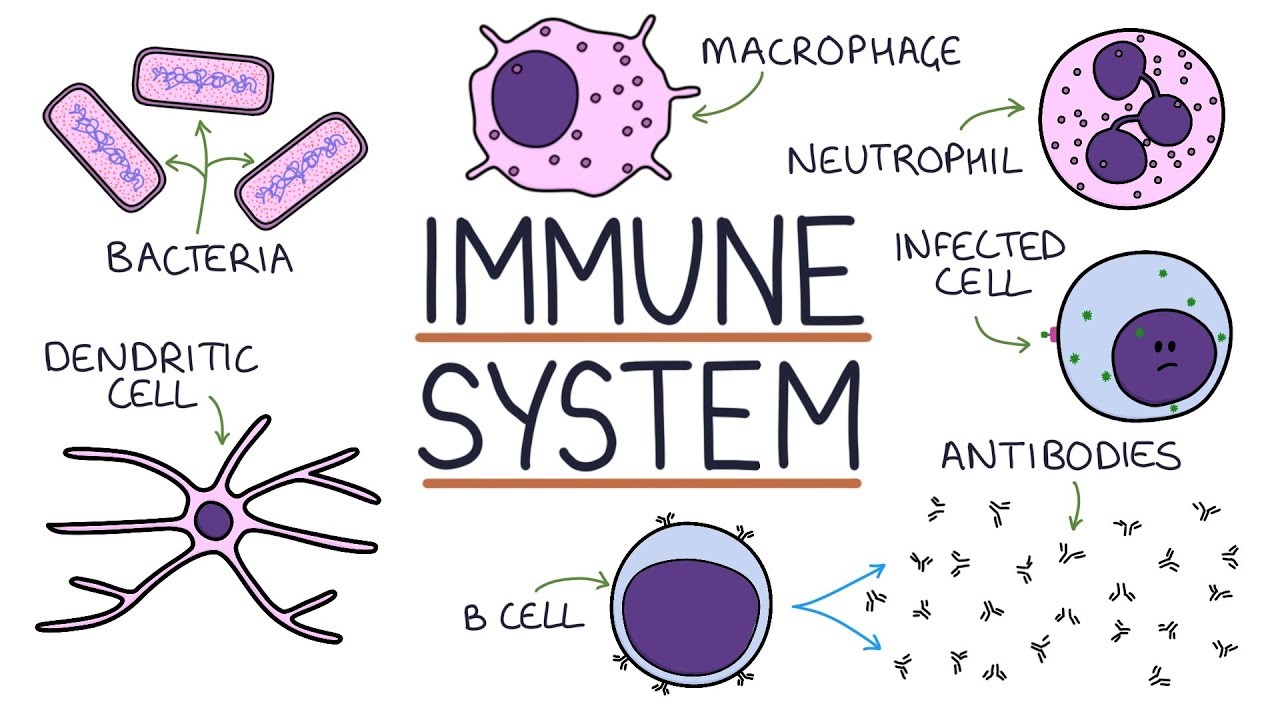
Additional Information
The group is interested in the study of the immune response from a multidisciplinary perspective that includes genomic, biochemical, proteomic, in vivo and biotechnological models aimed at the design of therapeutic strategies against various chronic, infectious and rare diseases that have a clear immunological component in their etiology.
The current specific objectives focus on:
- Antigenic presentation: Identification of antigenic presentation rules for their application in the design of therapeutic treatments including vaccines.
- Study of CD69 function and its regulation; its use as a therapeutic target in the mobilization of hematopoietic precursors and in the potentiation of the immune response mediated by CD69 with the potentiation of vaccines using the vaccinia virus as a vector.
The group is interested in the study of the immune response from a multidisciplinary perspective that includes genomic, biochemical, proteomic, in vivo and biotechnological models aimed at the design of therapeutic strategies against various chronic, infectious and rare diseases that have a clear immunological component in their etiology.
The current specific objectives focus on:
- Antigenic presentation: Identification of antigenic presentation rules for their application in the design of therapeutic treatments including vaccines.
- Study of CD69 function and its regulation; its use as a therapeutic target in the mobilization of hematopoietic precursors and in the potentiation of the immune response mediated by CD69 with the potentiation of vaccines using the vaccinia virus as a vector.