



We protect your health through science
Investigation
Immune Presentation and Regulation
Publications
Fungal burden assessment in hospital zones with different protection degrees
García-Gutiérrez L, Baena Rojas B, Ruiz M, Hernández Egido S, Ruiz-Gaitán AC, Laiz L, Pemán J, Cuétara-García MS, Mellado E & Martin-Sanchez PM. Build Environ, Volume 269, 1 February 2025, 112454
DOIDistribution of Aspergillus Species and Prevalence of Azole Resistance in clinical and environmental Samples from a Spanish Hospital during a three-year study period
Lucio J, Alcazar-Fuoli L, Gil H, Cano-Pascual S, Hernandez-Egido S, Cuetara MS and Mellado E. Mycoses. 2024 Apr;67(4):e13719.
PUBMED DOI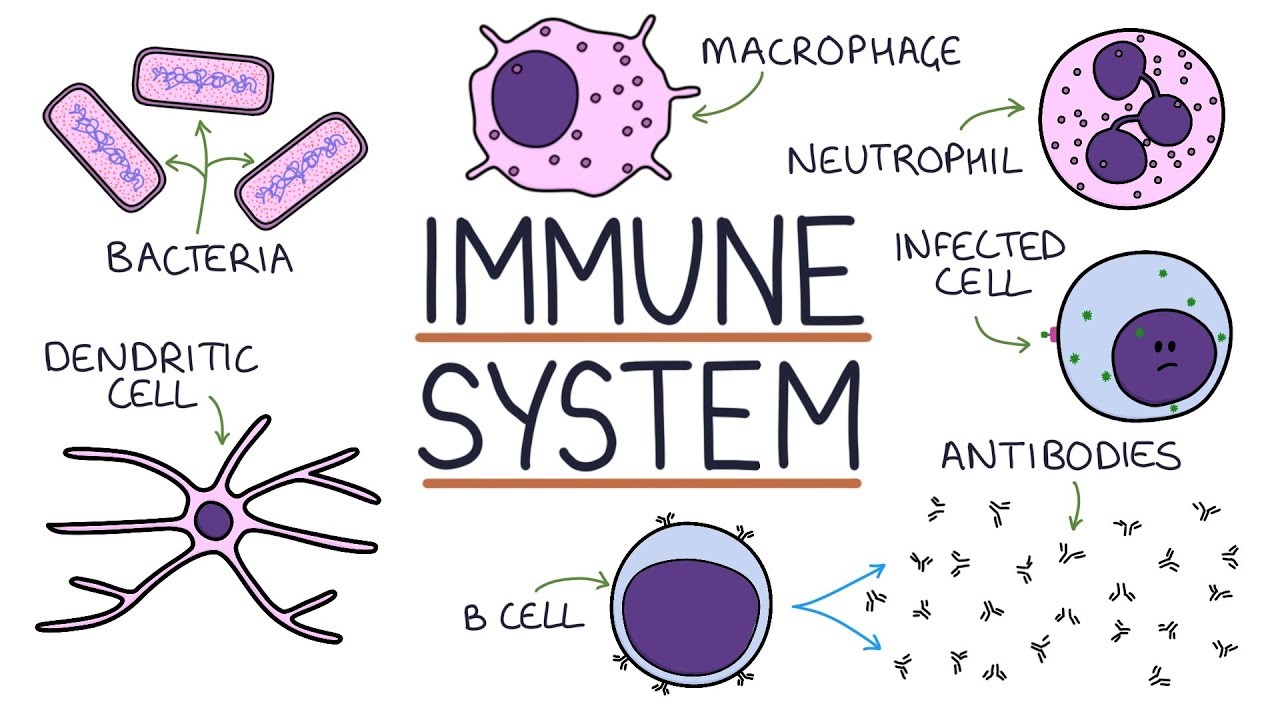
Additional Information
The group is interested in the study of the immune response from a multidisciplinary perspective that includes genomic, biochemical, proteomic, in vivo and biotechnological models aimed at the design of therapeutic strategies against various chronic, infectious and rare diseases that have a clear immunological component in their etiology.
The current specific objectives focus on:
- Antigenic presentation: Identification of antigenic presentation rules for their application in the design of therapeutic treatments including vaccines.
- Study of CD69 function and its regulation; its use as a therapeutic target in the mobilization of hematopoietic precursors and in the potentiation of the immune response mediated by CD69 with the potentiation of vaccines using the vaccinia virus as a vector.
The group is interested in the study of the immune response from a multidisciplinary perspective that includes genomic, biochemical, proteomic, in vivo and biotechnological models aimed at the design of therapeutic strategies against various chronic, infectious and rare diseases that have a clear immunological component in their etiology.
The current specific objectives focus on:
- Antigenic presentation: Identification of antigenic presentation rules for their application in the design of therapeutic treatments including vaccines.
- Study of CD69 function and its regulation; its use as a therapeutic target in the mobilization of hematopoietic precursors and in the potentiation of the immune response mediated by CD69 with the potentiation of vaccines using the vaccinia virus as a vector.