



We protect your health through science
Investigation
Immune Presentation and Regulation
Publications
HCV eradication with DAAs differently affects HIV males and females: A whole miRNA sequencing characterization
Valle-Millares D; Brochado-Kith O; Gómez-Sanz A; et al; Fernández-Rodríguez A (AC). (17/17). 2021. Biomedicine and Pharmacotherapy. Elsevier.
DOIIdentification of HIV-1 circulating BF1 recombinant form (CRF75_BF1) of Brazilian origin that also circulates in Southwestern Europe
Bacqué J, Delgado E, Gil H, Ibarra S, Benito S, García-Arata I, Moreno-Lorenzo M, Sáez de Arana E, Gómez-González C, Sánchez M, Montero V and Thomson MM. Front Microbiol. 2023. 14: 1301374
PUBMED DOIFactors associated with HIV-1 resistance to integrase strand transfer inhibitors in Spain: Implications for dolutegravir-containing regimens.
Gil H, Delgado E, Benito S, Moreno-Lorenzo M, Thomson MM and Spanish Group for the study of antirretroviral drug Resistance. Front Microbiol. 2022. 13:1051096
PUBMED DOI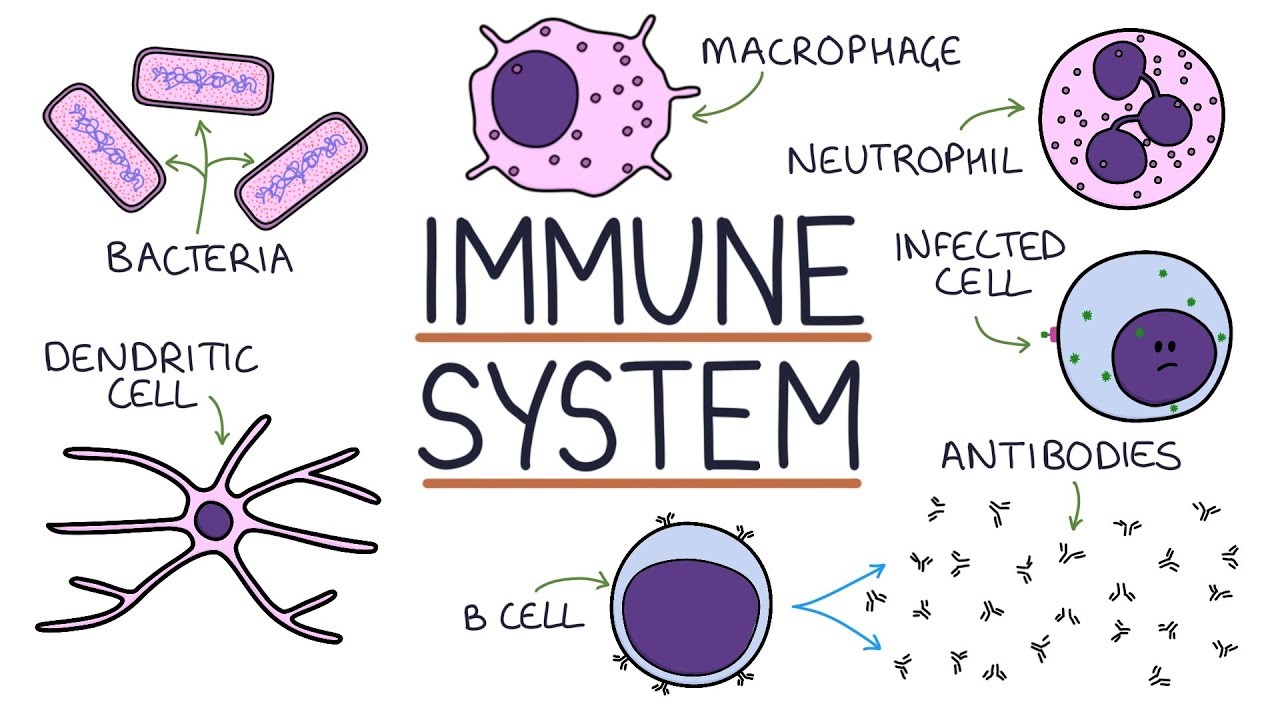
Additional Information
The group is interested in the study of the immune response from a multidisciplinary perspective that includes genomic, biochemical, proteomic, in vivo and biotechnological models aimed at the design of therapeutic strategies against various chronic, infectious and rare diseases that have a clear immunological component in their etiology.
The current specific objectives focus on:
- Antigenic presentation: Identification of antigenic presentation rules for their application in the design of therapeutic treatments including vaccines.
- Study of CD69 function and its regulation; its use as a therapeutic target in the mobilization of hematopoietic precursors and in the potentiation of the immune response mediated by CD69 with the potentiation of vaccines using the vaccinia virus as a vector.
The group is interested in the study of the immune response from a multidisciplinary perspective that includes genomic, biochemical, proteomic, in vivo and biotechnological models aimed at the design of therapeutic strategies against various chronic, infectious and rare diseases that have a clear immunological component in their etiology.
The current specific objectives focus on:
- Antigenic presentation: Identification of antigenic presentation rules for their application in the design of therapeutic treatments including vaccines.
- Study of CD69 function and its regulation; its use as a therapeutic target in the mobilization of hematopoietic precursors and in the potentiation of the immune response mediated by CD69 with the potentiation of vaccines using the vaccinia virus as a vector.