



We protect your health through science

Investigación
Leishmaniasis and Chagas Disease
Publicaciones destacadas
Phylogenetic Characterization of Crimean-Congo Hemorrhagic Fever Virus, Spain
2. Eva Ramírez de Arellano; Lourdes Hernández; M José Goyanes; Marta Arsuaga; Ana Fernández Cruz; Anabel Negredo; María Paz Sánchez Seco. Phylogenetic Characterization of Crimean-Congo Hemorrhagic Fever Virus, Spain. Emerging infectious diseases. 23 - 12, pp. 2078 - 2080. 12/2017. ISSN 1080-6059
PUBMED DOIToscana virus infection in Catalonia (Spain).
4. Neus Cardeñosa; Diana Kaptoul; Pedro Fernández Viladrich; Carles Aranda; Fernando de Ory; Jordi Niubó; Pere Plans; Angela Domínguez; Giovanni Fedele; Antonio Tenorio; María Paz Sánchez Seco. Toscana virus infection in Catalonia (Spain). Vector borne and zoonotic diseases (Larchmont, N.Y.). 13 - 4, pp. 273 - 278. 04/2013. ISSN 1557-7759
PUBMED DOI. Autochthonous Crimean-Congo Hemorrhagic Fever in Spain
5. Anabel Negredo; Fernando de la Calle Prieto; Eduardo Palencia Herrejón; Marta Mora Rillo; Jenaro Astray Mochales; María P Sánchez Seco; Esther Bermejo Lopez; Javier Menárguez; Ana Fernández Cruz; Beatriz Sánchez Artola; Elena Keough Delgado; Eva Ramírez de Arellano; Fátima Lasala; Jakob Milla; Jose L Fraile; Maria Ordobás Gavín; Amalia Martinez de la Gándara; Lorenzo López Perez; Domingo Diaz Diaz; M Aurora López García; Pilar Delgado Jimenez; Alejandro Martín Quirós; Elena Trigo; Juan C Figueira; Jesús Manzanares; Elena Rodriguez Baena; Luis Garcia Comas; Olaia Rodríguez Fraga; Nicolás García Arenzana; Maria V Fernández Díaz; Victor M Cornejo; Petra Emmerich; Jonas Schmidt Chanasit; Jose R Arribas. Autochthonous Crimean-Congo Hemorrhagic Fever in Spain.The New England journal of medicine. 377 - 2, pp. 154 - 161. 13/07/2017. ISSN 1533-4406
PUBMED DOIZika Virus Screening among Spanish Team Members After 2016 Rio de Janeiro, Brazil, Olympic Games
6. Natalia Rodriguez Valero; Alberto M Borobia; Mar Lago; Maria Paz Sánchez Seco; Fernando de Ory; Ana Vázquez; Jose Luis Pérez Arellano; Cristina Carranza Rodríguez; Miguel J Martínez; Alicia Capón; Elias Cañas; Joaquin Salas Coronas; Arkaitz Azcune Galparsoro; Jose Muñoz. Zika Virus Screening among Spanish Team Members After 2016 Rio de Janeiro, Brazil, Olympic Games. Emerging infectious diseases. 23 - 8, pp. 1426 - 1428. 08/2017. ISSN 1080-6059
PUBMED DOIContent with Investigacion .
-
Raquel Escudero Nieto
Científico Titular OPIS, Director laboratorio
-
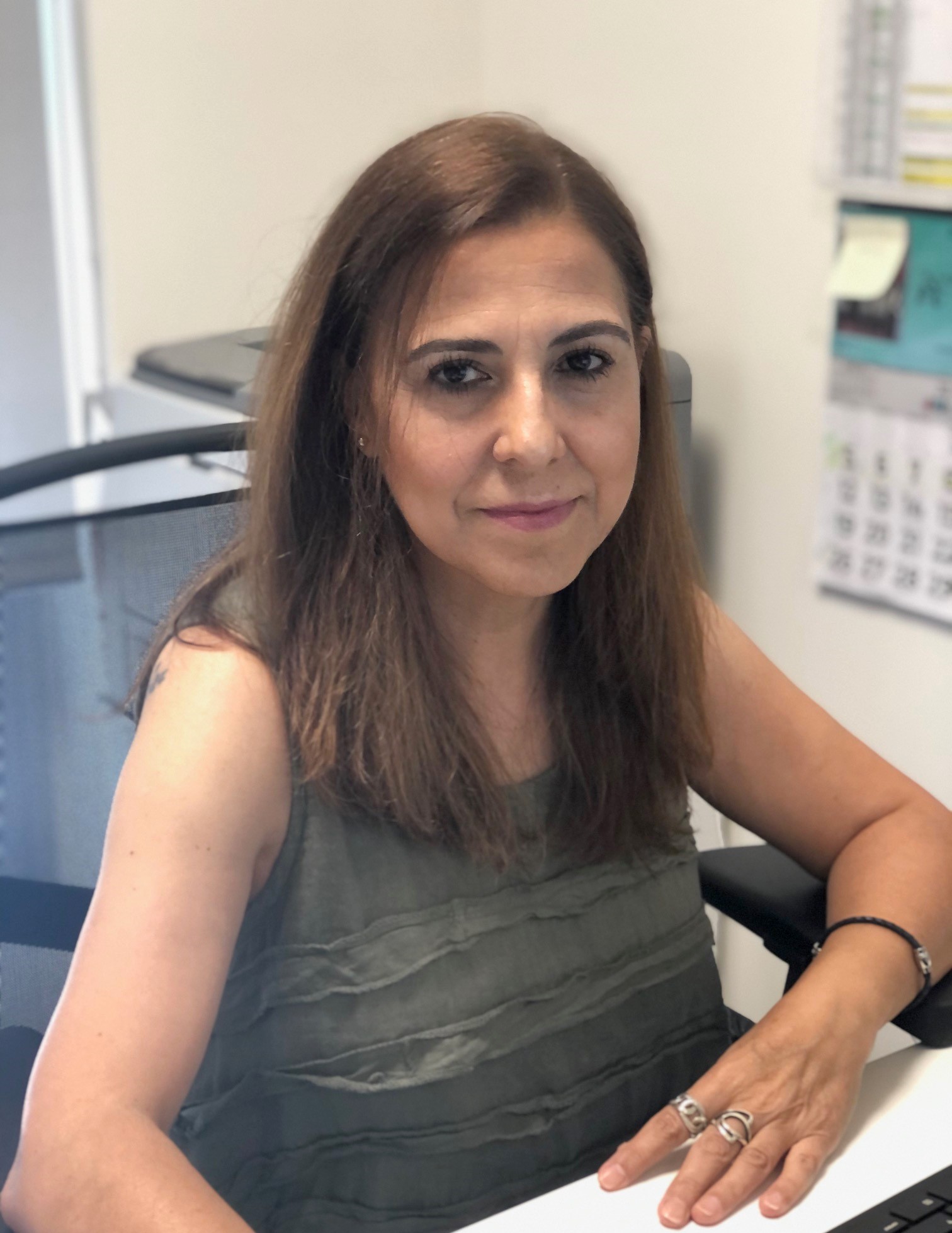
Isabel Jado García
Científico Titular OPIS, Director laboratorio
-
Escolástica Chaparro Tercero
Técnico de Laboratorio
-
Ave María Vila-Coro Laviña
Auxiliar de Investigación
-
María Elena Andrés Galván
Ayudante de Investigación.
Técnico superior en laboratorio de diagnóstico clínico en 2013 y Técnico superior en laboratorio de análisis y control de calidad en 2015. Lleva vinculada a la Unidad de Neumococos desde 2022 como ayudante de investigación y es personal de plantilla. Anteriormente estuvo contratada en el Instituto de recursos naturales y agrobiología de Salamanca (IRNASA) del CSIC.

List of staff
Información adicional
The Leishmaniasis and Chagas Disease Unit supports the National Health System through a multidisciplinary approach that includes the development and validation of diagnostic tests, the molecular characterization of parasites, molecular epidemiology, field studies, as well as experimental research into new therapeutic and prophylactic approaches for their control.
The laboratory has extensive experience in the characterization of the cellular and humoral immune response of leishmaniasis and post-treatment monitoring, as well as in asymptomatic individuals and in experimental animal models. The laboratory also contributes to immunological studies of the pathogenesis of leishmaniasis under immunosuppressive conditions (HIV/Leishmania co-infection, malnutrition, immunosuppressive treatment...). The laboratory has been a WHO Collaborating Center for Leishmaniasis since 1997, providing technical support to the various research and training activities of the WHO and participating in the evaluation of outbreaks of human leishmaniasis in endemic countries.
The laboratory also participates in the evaluation of prognostic markers for the evolution of T. cruzi infection and vertical (transplacental) transmission, an important public health problem in our country. It also carries out studies on the pharmacokinetics of drugs against Chagas disease.