



We protect your health through science

Investigación
Leishmaniasis and Chagas Disease
Publicaciones destacadas
High levels of anti-Phlebotomus perniciosus saliva antibodies in different reservoirs from the re-emerging leishmaniasis focus in Madrid, Spain.
2. Martín-Martín I, Molina R, Rohoušová I, Drahota J., Volf P, Jiménez M. High levels of anti-Phlebotomus perniciosus saliva antibodies in different reservoirs from the re-emerging leishmaniasis focus in Madrid, Spain. Vet Parasitol 2014, 202: 207–216.
PUBMED DOICould wild rabbits (Oryctolagus cuniculus) be reservoirs for Leishmania infantum in the focus of Madrid, Spain?
3. Jiménez M, González E, Martín-Martín I, Hernández S, Molina R. Could wild rabbits (Oryctolagus cuniculus) be reservoirs for Leishmania infantum in the focus of Madrid, Spain?. Vet Parasitol 2014, 202: 296–300.
PUBMED DOIReview of ten-years presence of Aedes albopictus in Spain 2004–2014: known distribution and public health concerns.
5. Collantes F, Delacour S, Alarcón-Elbal PM, Ruiz-Arrondo I, Delgado JA, Torrell-Sorio A, Bengoa M, Eritja R, Miranda MA, Molina R, Lucientes J. Review of ten-years presence of Aedes albopictus in Spain 2004–2014: known distribution and public health concerns. Parasit Vectors. 2015 Dec 23;8:655.
PUBMED DOIPhleboviruses detection in Phlebotomus perniciosus from a human leishmaniasis focus in South-West Madrid region, Spain.
6. Remoli ME, Jiménez M, Fortuna C, Benedetti E, Marchi A, Genovese D, Gramiccia M, Molina R, Ciufolini MG. Phleboviruses detection in Phlebotomus perniciosus from a human leishmaniasis focus in South-West Madrid region, Spain. Parasit Vectors 2016, 9:205.
PUBMED DOIContent with Investigacion .
-
Raquel Escudero Nieto
Científico Titular OPIS, Director laboratorio
-
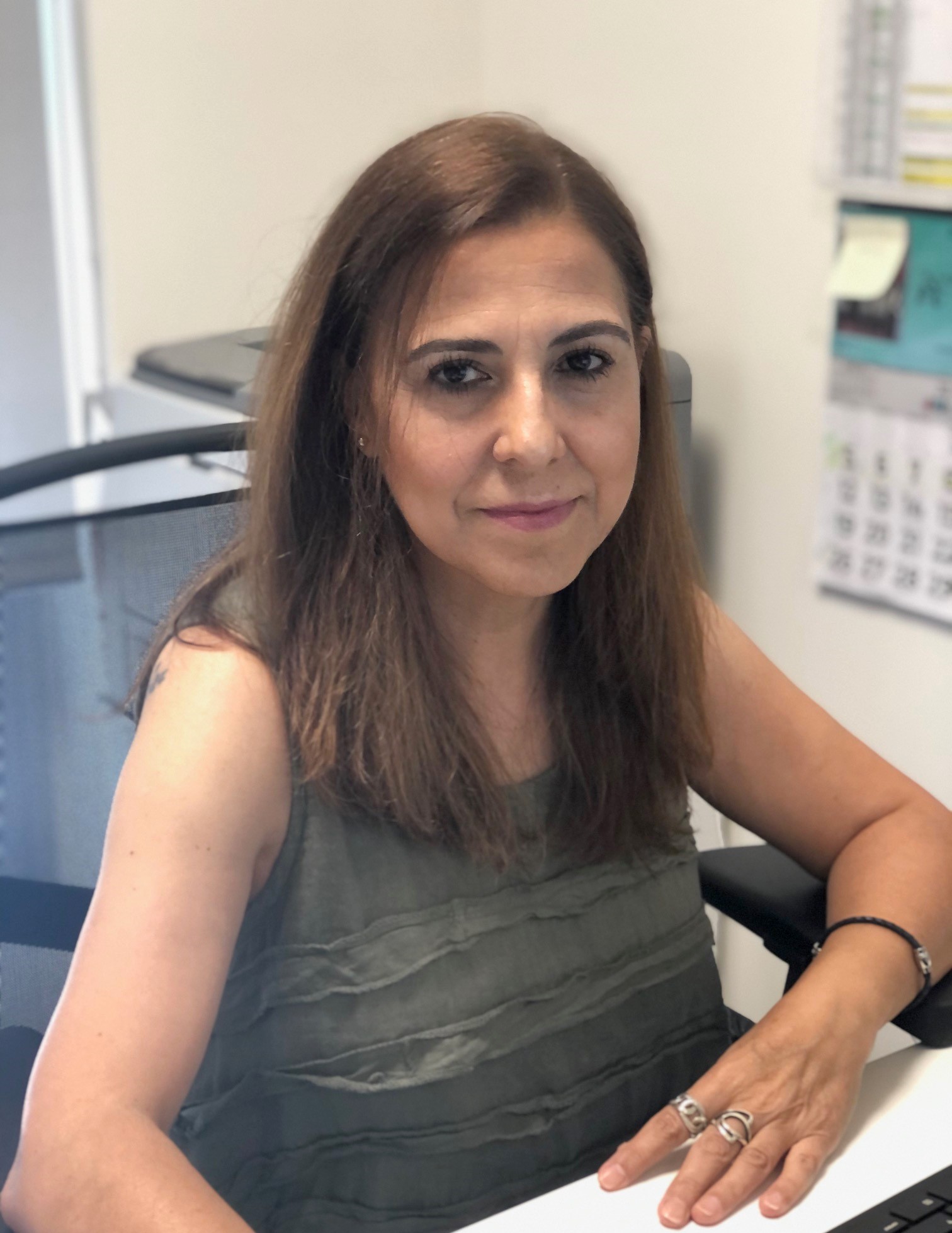
Isabel Jado García
Científico Titular OPIS, Director laboratorio
-
Escolástica Chaparro Tercero
Técnico de Laboratorio
-
Ave María Vila-Coro Laviña
Auxiliar de Investigación
-
María Elena Andrés Galván
Ayudante de Investigación.
Técnico superior en laboratorio de diagnóstico clínico en 2013 y Técnico superior en laboratorio de análisis y control de calidad en 2015. Lleva vinculada a la Unidad de Neumococos desde 2022 como ayudante de investigación y es personal de plantilla. Anteriormente estuvo contratada en el Instituto de recursos naturales y agrobiología de Salamanca (IRNASA) del CSIC.

List of staff
Información adicional
The Leishmaniasis and Chagas Disease Unit supports the National Health System through a multidisciplinary approach that includes the development and validation of diagnostic tests, the molecular characterization of parasites, molecular epidemiology, field studies, as well as experimental research into new therapeutic and prophylactic approaches for their control.
The laboratory has extensive experience in the characterization of the cellular and humoral immune response of leishmaniasis and post-treatment monitoring, as well as in asymptomatic individuals and in experimental animal models. The laboratory also contributes to immunological studies of the pathogenesis of leishmaniasis under immunosuppressive conditions (HIV/Leishmania co-infection, malnutrition, immunosuppressive treatment...). The laboratory has been a WHO Collaborating Center for Leishmaniasis since 1997, providing technical support to the various research and training activities of the WHO and participating in the evaluation of outbreaks of human leishmaniasis in endemic countries.
The laboratory also participates in the evaluation of prognostic markers for the evolution of T. cruzi infection and vertical (transplacental) transmission, an important public health problem in our country. It also carries out studies on the pharmacokinetics of drugs against Chagas disease.