



We protect your health through science
Investigation
Legionella
Research Lines
Content with Investigacion .
Trasplante de órganos
null
Presentación y Regulación Inmunes
null
Inmunología Microbiana e Inmunogenética
1. Análisis de la respuesta innata de mamíferos en la infección por Leishmania.
2. Caracterización inmunoproteómica en :
a. Streptococcus suis
b. Lactococcus garviae
c. Mycobacterium spp
3. Desarrollo de inmunoensayos analíticos basados en anticuerpos monoclonales (AcM) para detectar y cuantificar antígenos de origen animal, vegetal y microbiano.
4. Desarrollo y caracterización de AcM frente a los componentes del sistema del Complemento. Aplicación diagnóstica.
5. Desarrollo de reactivos de referencia y diseño de inmunoensayos para la evaluación cualitativa y cuantitativa de toxinas clostridiales.
6. Oferta tecnológica de producción de AcM y policlonales frente a substancias de interés industrial y biomédico.
El grupo está interesado en el estudio de la respuesta inmune desde una perspectiva multidisciplinar que incluye aproximaciones bioquímicas, biotecnológicas, genómicas, inmunoinformáticas y proteómicas, que junto con el uso adicional de modelos in vivo se encaminan al diseño de estrategias terapéuticas frente a diversas enfermedades crónicas, infecciosas y raras que poseen un claro componente inmunológico en su etiología.
Las principales líneas de investigación que está desarrollando el grupo en la actualidad son:
- * Análisis de las respuestas inmunes celulares frente a patógenos virales y bacterianos, mediante técnicas inmunoproteómicas, modelos in vivo con animales transgénicos y muestras humanas.
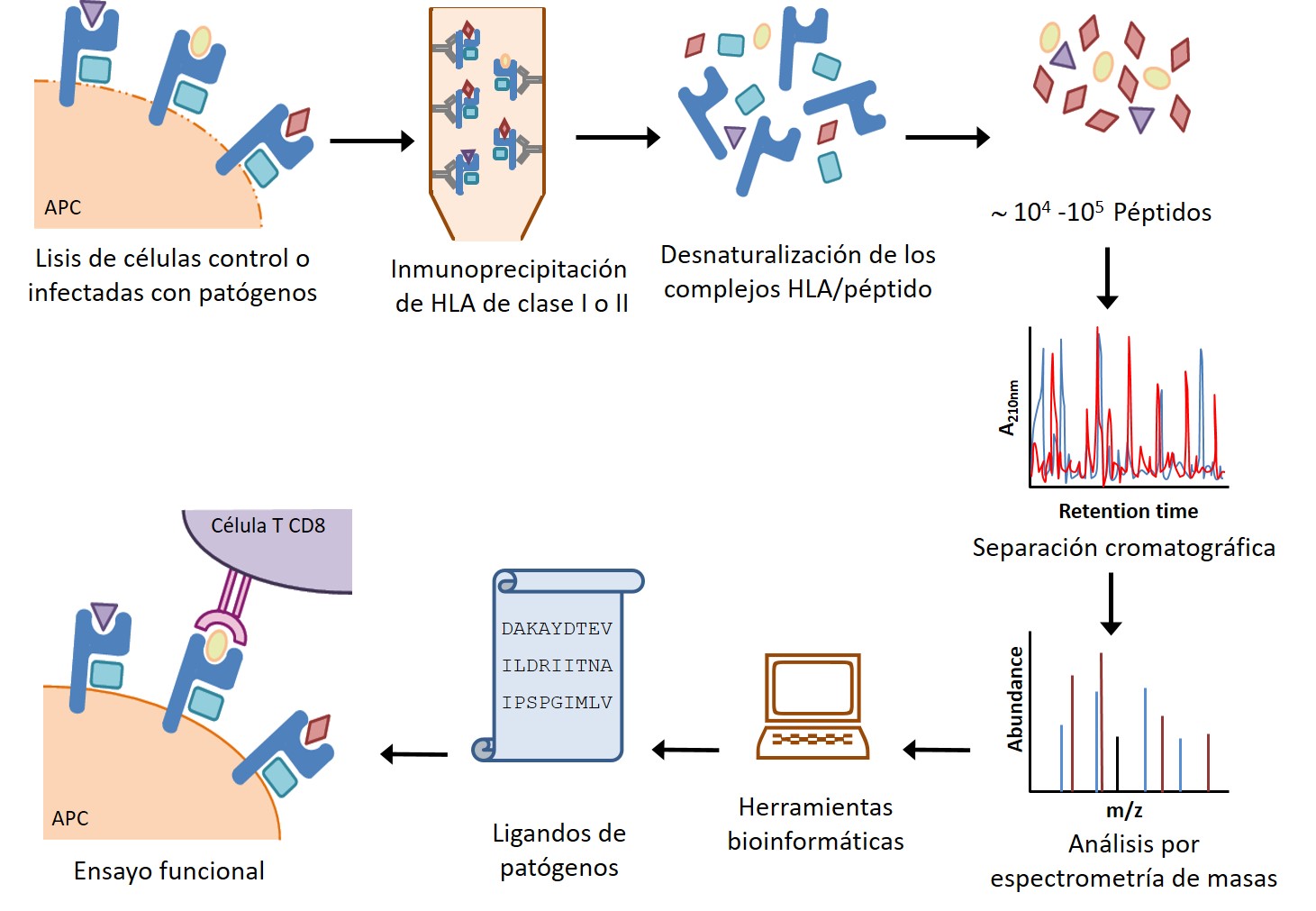
- * Caracterización de CD69: regulación génica, función reguladora inmune en homeostasis e infección y su uso como diana terapéutica, edición génica por CRISPR en modelos animales y celulares, etc.

* Desarrollo de herramientas inmunoinformáticas que permitan analizar la respuesta inmune celular frente a diversos virus de interés sanitario y determinar la eficacia de sus vacunas a nivel de población mundial.

* Estudio de las respuestas inmunes celulares frente a enfermedades raras (artritis reactiva y síndrome del linfocito desnudo) y crónicas (espondiloartropatías).
* Inclusión de componentes del sistema inmune en la fabricación de tejidos humanos, especialmente piel, para uso clínico, farmacéutico y cosmético.
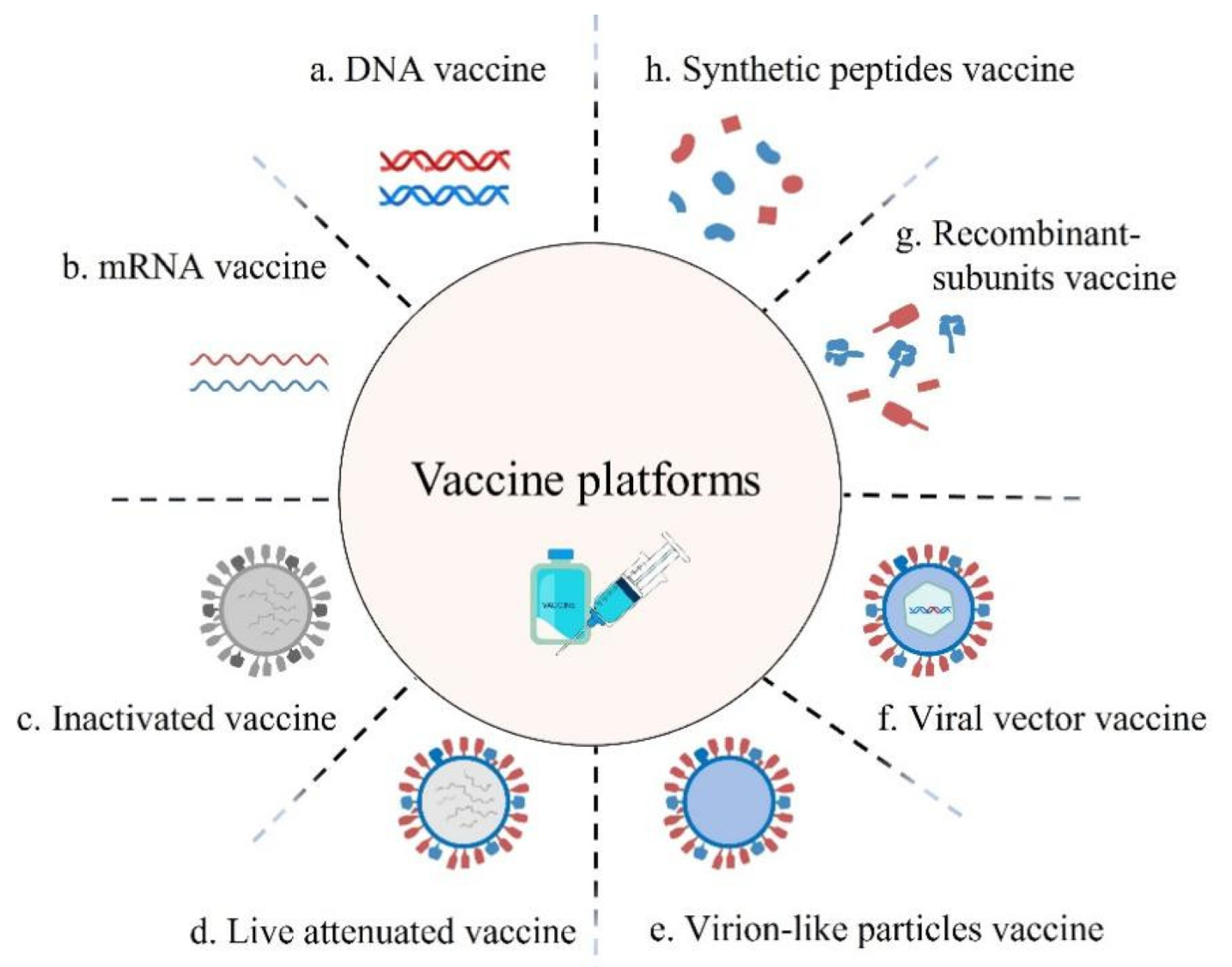
- * Generación de virus recombinantes como vectores vacunales.
Inmunología Celular
null
The Immunobiology group has been working for years on the following lines of research:
1) The mechanisms of haematopoietic cell generation throughout ontogeny and the influence that the first haematopoietic cells exert on the innate and adaptive immune system present in the adults. We have identified and characterised a new population of B lymphocytes called B1-Rel (B220lo), which produce high levels of natural IgG/IgA antibodies. We sought to understand their role in the immune response in animal models of infection, analysing their impact on immune cell populations and on the production of soluble mediators (cytokines and immunoglobulins). In this regard, we have evaluated the generation of embryonic megakaryocytes (and their differentiation niches), their functionality and that of platelets, and their influence on haematopoietic development. For lymphoid populations, we have carried out extensive characterisation by flow cytometry and single cell RNA sequencing (scRNAseq) methodology. To carry out these cellomic studies, we have designed complex panels for use in multiparametric phenotypic analysis, and single cell cytometry and RNAseq omics technologies on purified cell populations.

In parallel, we are interested in understanding local immune responses in respiratory infections at times of particular susceptibility due to the fragility of the immune system (childhood and old age), both in mouse animal models, which allow their manipulation, and in humans.
2) Mouse models studied during neonatal life, in which we evaluated the effect of antibiotic (AB) treatment and addressed the role of TLR receptors in innate, pseudo-innate and adaptive immune cell populations. In these models, we observed that AB administration was able to modulate B-lymphoid populations, as well as their ability to secrete proinflammatory cytokines in culture and their differentiation into plasma cells, with differentiated immunoglobulin repertoires. Furthermore. These effects were mediated through the Toll-like receptor-2 (TLR2).

3) Mouse models with accelerated senescence (SAMP8) and senescent animals (over 20 months of age) to map lymphoid populations and soluble mediators of the immune response (immunoglobulins and cytokines). In these models, the B lymphoid populations (B1Rel and marginal zone B lymphocytes) are observed to be altered, accompanied by an increase in IgG1 with great restriction of their VDJ repertoires.

4) Role of the B1Rel population in animal models of local or systemic infection. We analysed the response to Streptoccoccus pneumoniae (SPN) locally in the lung and systemically in the spleen, as well as the role of TLR4 in these responses.

5) In humans, we are studying immune responses in children with respiratory syncytial virus (RSV) viral primo-infection. In this case we studied the immune response that occurs locally in the nasal mucosa (by analysis of nasal washings, NW) in a cohort of infected children versus healthy controls, stratified by age. We found that lymphomyeloid cells accumulate in these nasal washings in patients with diverse lymphocyte populations, as well as cytokines and immunoglobulins.

6) Analysis and characterisation of extracellular vesicles produced during respiratory infection both in lung supernatants from models of SPN infection and in LN in the case of children with RSV infection.

7) In parallel, we carry out studies of the genetic rearrangements of immunoglobulins and their use in the generation of chimeric receptors for possible use in immunotherapy.
Research projects
Content with Investigacion .
Los proyectos del grupo de los últimos años son los siguientes:
Proyecto “Enfoques inmunoinformaticos e inmunoproteomicos para identificar epitopos bacterianos implicados en la REA: diagnostico temprano y diseño de farmacos” financiado por el Plan Nacional de I+D+i del Ministerio de Ciencia, Innovación y Universidades. Centro Nacional de Microbiología, Instituto de Salud Carlos III. Investigador principal. Año: 2024-2026. Presupuesto Concedido: 225.000 euros. Proyecto PID2023-148729OB-100 financiado por MICIU/AEI/10.13039/501100011033 y por FEDER, UE.

Proyecto “La interrelación de CD69 y el procesamiento antigénico en enfermedades infecciosas y autoinmunes" financiado por la Acción Estratégica en Salud del Ministerio de Ciencia, Innovación y Universidades. Año: 2023-2025.
Proyecto “Interacciones génicas y proteicas de CD69 y sus regiones génicas reguladoras con moléculas" inanciado por el Plan Nacional de I+D+i del Ministerio de Ciencia, Innovación y Universidades. Centro Nacional de Microbiología, Instituto de Salud Carlos III. Proyecto PID2021-125757OB-100 financiado por MICIU/AEI/10.13039/501100011033 y por FEDER, UE.
Proyecto “Nuevas tecnologías de fabricación y optimización de tejidos: la piel como sistema modelo” financiado por el Programa de Actividades de I+D entre grupos de investigación de la Comunidad de Madrid en tecnologías 2018. Año: 2020-2023. Proyecto Coordinado por el Dr. Pablo Acedo de la Universidad Carlos III.
Proyecto “Estudio de CD69 como diana para mejorar el tratamiento de la leucopania y la movilización de células T de memoria de médula ósea" financiado por la Acción Estratégica en Salud del Ministerio de Ciencia, Innovación y Universidades. Año:2020-2024.
Proyecto “Diseño racional de una vacuna contra el virus respiratorio sincitial humano” financiado por la Acción Estratégica en Salud del Ministerio de Ciencia, Innovación y Universidades. Año: 2019-2022
Proyecto “Función de CD69 y sus elementos reguladores" financiado por la Acción Estratégica en Salud del Ministerio de Ciencia, Innovación y Universidades. Año: 2017-2022.
Proyecto “Diseño de vacunas recombinantes poliepitópicas para generar respuestas CD8+ contra virus emergentes” financiado por el Plan Nacional de I+D+i del Ministerio de Economía y Competitividad. Año: 2015-2017.

Proyecto “Análisis de los efectos de CD69 dependientes de S1P1 en modelos de infección e inflamación y estudio de su regulación” financiado por el FIS. Año: 2014-2017.
Proyecto “ADELVAC: Adenovirus con delecciones epitópicas para vacunación” financiado por el programa INNPACTO del Ministerio de Economía y Competitividad. Centro Nacional de Microbiología, Instituto de Salud Carlos III. Año: 2012-2014. Proyecto Coordinado por el Dr. Manel Cascallo de VCN BIOSCIENCES SL.
Proyecto “Diseño de vacunas multiepitópicas recombinantes para aumentar la respuesta inmune celular contra el VRSH” financiado por el Plan Nacional de I+D+i del Ministerio de Ciencia e Innovación. Año: 2012-2014.
-Project “Induction, differentiation and modulation of resident B lymphocytes in the lung in response to pneumococcus (NEUBLUNG)”. Ministry of Science and Innovation, PID2022-141754OB-I00 Call 2022 "Knowledge Generation Projects". 09/01/2023-08/31/2026. Financed by MICIU/AEI /10.13039/501100011033 and by ERDF, EU. PI: Belén by Andrés Muguruza. CoPI: María Luisa Gaspar Alonso-Vega.

-Project." Immune response of the nasal mucosa in childhood bronchiolitis” Instituto de Salud Carlos III-AESI. AESI-PI22CIII/00030 PI: Belén by Andrés Muguruza. CoPI Maria Luisa Gaspar Alonso-Vega. 01/01/2023-12/31/2025..
-Project. BenBedPhar. CA20121, European Union. Antonio Cuadrado. (CNM-ISCIII).10/19/2021-10/18/2025.
-Spanish Association Against Cancer Project “Novel comprehensive immunotherapy to specifically target the malignant clone in Sézary syndrome, an ultra-rare cancer of mature T lymphocytes”, number PROYE20084REGU. PI: José Ramón Regueiro, PI group Maria Luisa Gaspar. 01/01/2021-12/31/2023.
Project “The pulmonary immune system in homeostasis and infection: characterization and function of immature and pseudoinnate lymphoid populations.” MINECO-RETOS RTI2018-099114-B-100. PI: Maria Luisa Gaspar, CoPI: Belén de Andrés 01/01/2019-12/31/2022. Financed by MICIU/AEI /10.13039/501100011033/ and by FEDER A way of making Europe.

-Project “New B lymphoid populations: B1-rel pseudoinnate cells, homeostatic maintenance and their response under infection conditions.” MINECO-RETOS SAF2015-70880-R. PI: Maria Luisa Gaspar. 01/01/2016-12/31/2019.

-Project “Role of CD19+CD45R lymphocytes- in perinatal immune responses. Implications related to respiratory diseases in neonates. AESI PI14CIII/00049; PI Belén de Andrés. 2015-2018.
-Project “Study of the pseudo-innate population of CD19+CD45R- B lymphocytes in TLR-dependent infection models”. AESI PI11/01733FIS. PI Belén de Andrés. 2012-2015.
-Project." Cellular interactions in the establishment of B lymphoid differentiation niches: role of megakaryocytes and their implications in pathology. MINECO; SAF2012-33916. Maria Luisa Gaspar. 01/01/2013-12/31/2015.
-ISCIII Platforms Project to support R&D&I in Biomedicine and Health Sciences. PT23CIII/00006. 2023. Participating researcher: Isabel Cortegano.
-Research contracts between the Carlos III Health Institute and Inmunotek S.L. for the development of the Bactek-mv130 and Uromune-MV140 study in protection against S. pneumoniae infections. Immunotek. IP: Belen de Andrés 2019-2021.
-Research contract between the Carlos III Health Institute and Inmunotek S.L. “MV130 as a vaccine model based on trained immunity against respiratory infections due to pneumococcus and respiratory syncytial virus”, CAM Call. Industrial Doctorates. IND2023/BMD-27071. PI: Belén by Andrés Muguruza. 12/01/2023-11/30/2026.
- Titulo: “Inmunidad entrenada en trasplante de órganos”.
Entidad financiadora. Ministerio de Ciencia, Innovación y Universidades
Referencia: Proyecto PID2019-110015RB-I00 financiado por MICIU/AEI/10.13039/501100011033
IP: Jordi Cano Ochando
Fechas de ejecución: 01/06/2020-31/05/2024
Presupuesto: 205.700 €

Los proyectos del grupo de los últimos años son los siguientes:
Proyecto “La interrelación de CD69 y el procesamiento antigénico en enfermedades infecciosas y autoinmunes" financiado por la Acción Estratégica en Salud del Ministerio de Ciencia, Innovación y Universidades. Año: 2023-2025.
Proyecto “Interacciones génicas y proteicas de CD69 y sus regiones génicas reguladoras con moléculas" financiado por la AEI. Año: 2022-2024.
Proyecto “Nuevas tecnologías de fabricación y optimización de tejidos: la piel como sistema modelo” financiado por el Programa de Actividades de I+D entre grupos de investigación de la Comunidad de Madrid en tecnologías 2018. Año: 2020-2023. Proyecto Coordinado por el Dr. Pablo Acedo de la Universidad Carlos III.
Proyecto “Estudio de CD69 como diana para mejorar el tratamiento de la leucopania y la movilización de células T de memoria de médula ósea" financiado por la Acción Estratégica en Salud del Ministerio de Ciencia, Innovación y Universidades. Año:2020-2024.
Proyecto “Diseño racional de una vacuna contra el virus respiratorio sincitial humano” financiado por la Acción Estratégica en Salud del Ministerio de Ciencia, Innovación y Universidades. Año: 2019-2022
Proyecto “Función de CD69 y sus elementos reguladores" financiado por la Acción Estratégica en Salud del Ministerio de Ciencia, Innovación y Universidades. Año: 2017-2022.
Proyecto “Diseño de vacunas recombinantes poliepitópicas para generar respuestas CD8+ contra virus emergentes” financiado por el Plan Nacional de I+D+i del Ministerio de Economía y Competitividad. Año: 2015-2017.
Proyecto “Análisis de los efectos de CD69 dependientes de S1P1 en modelos de infección e inflamación y estudio de su regulación” financiado por el FIS. Año: 2014-2017.
Proyecto “ADELVAC: Adenovirus con delecciones epitópicas para vacunación” financiado por el programa INNPACTO del Ministerio de Economía y Competitividad. Centro Nacional de Microbiología, Instituto de Salud Carlos III. Año: 2012-2014. Proyecto Coordinado por el Dr. Manel Cascallo de VCN BIOSCIENCES SL.
Proyecto “Diseño de vacunas multiepitópicas recombinantes para aumentar la respuesta inmune celular contra el VRSH” financiado por el Plan Nacional de I+D+i del Ministerio de Ciencia e Innovación. Año: 2012-2014.
Publications
Evolution of broadly cross-reactive HIV-1-neutralizing activity: therapy-associated decline, positive association with detectable viremia, and partial restoration of B-cell subpopulations
Ferreira CB, Merino-Mansilla A, Llano A, Perez I, Crespo I, Llinas L, Garcia F, Gatell JM, Yuste E, Sanchez-Merino V; J Virol. 2013 Nov;87(22):12227-36
PUBMED DOIDefinition of the viral targets of protective HIV-1-specific T cell responses
Mothe B, Llano A, Ibarrondo J, Daniels M, Miranda C, Zamarreno J, Bach V, Zuniga R, Perez-Alvarez S, Berger CT, Puertas MC, Martinez-Picado J, Rolland M, Farfan M, Szinger JJ, Hildebrand WH, Yang OO, Sanchez-Merino V, Brumme CJ, Brumme ZL, Heckerman D, Allen TM, Mullins JI, Gomez G, Goulder PJ, Walker BD, Gatell JM, Clotet B, Korber BT, Sanchez J, Brander C; J Transl Med. 2011 Dec 7;9:208
PUBMED DOIBroadly cross-neutralizing antibodies in HIV-1 patients with undetectable viremia
Medina-Ramirez M, Sanchez-Merino V, Sanchez-Palomino S, Merino-Mansilla A, Ferreira CB, Perez I, Gonzalez N, Alvarez A, Alcocer-Gonzalez JM, Garcia F, Gatell JM, Alcami J, Yuste E; J Virol. 2011 Jun;85(12):5804-13.
PUBMED DOISimian immunodeficiency virus engrafted with human immunodeficiency virus type 1 (HIV-1)-specific epitopes: replication, neutralization, and survey of HIV-1-positive plasma
Yuste E, Sanford HB, Carmody J, Bixby J, Little S, Zwick MB, Greenough T, Burton DR, Richman DD, Desrosiers RC, Johnson WE*. 2006. J Virol 80:3030-41.
PUBMED DOIHigh-Resolution Melting Assay to Detect the Mutations That Cause the Y132F and G458S Substitutions at the ERG11 Gene Involved in Azole Resistance in Candida parapsilosis
Nuria Trevijano-Contador, Elena López-Peralta, Jorge López-López, Alejandra Roldán, Cristina de Armentia, Óscar Zaragoza. Mycoses 2024 Nov;67(11):e13811
PUBMED DOIBroad Protection against Invasive Fungal Disease from a Nanobody Targeting the Active Site of Fungal β-1,3-Glucanosyltransferases
Redrado-Hernández S, Macías-León J, Castro-López J, Belén Sanz A, Dolader E, Arias M, González-Ramírez AM, Sánchez-Navarro D, Petryk Y, Farkaš V, Vincke C, Muyldermans S, García-Barbazán I, Del Agua C, Zaragoza O, Arroyo J, Pardo J, Gálvez EM, Hurtado-Guerrero R. Angew Chem Int Ed Engl. 2024 Aug 19;63(34):e202405823.
PUBMED DOIFungal burden assessment in hospital zones with different protection degrees
García-Gutiérrez L, Baena Rojas B, Ruiz M, Hernández Egido S, Ruiz-Gaitán AC, Laiz L, Pemán J, Cuétara-García MS, Mellado E & Martin-Sanchez PM. Build Environ, Volume 269, 1 February 2025, 112454
DOIDistribution of Aspergillus Species and Prevalence of Azole Resistance in clinical and environmental Samples from a Spanish Hospital during a three-year study period
Lucio J, Alcazar-Fuoli L, Gil H, Cano-Pascual S, Hernandez-Egido S, Cuetara MS and Mellado E. Mycoses. 2024 Apr;67(4):e13719.
PUBMED DOIPotential implication of azole persistence in the treatment failure of two haematological patients infected with Aspergillus fumigatus
Peláez-García de la Rasilla T, Mato-López A, Pablos-Puertas CE, González-Huerta AJ, Gómez-López A, Mellado E, Amich J. Journal of Fungi, 2023 Jul 30;9(8):805.
PUBMED DOIAspergillus fumigatus can exhibit persistence to the fungicidal drug voriconazole
Valero C., Á Mato-López, I J. Donaldson, A. Roldán, H. Chown, N. Van-Rhijn, S. Gago, T. Furukawa, A. Mogorovsky, R. Ben Ami, P. Bowyer, N. Osherov, T. Fontaine, G.H. Goldman, E. Mellado, M. Bromley and J. Amich. Microbiology Spectrum.2023 13;11(2):e0477022
PUBMED DOICOVID-19 Associated Pulmonary Aspergillosis (CAPA): Hospital or Home Environment as a source of life-threatening Aspergillus fumigatus infection?
Peláez-García de la Rasilla T, González-Jiménez I, García-Fernández Arroyo A, Roldán A, Carretero-Ares JL, Clemente-García M,, Martínez-Suarez M, Vázquez Valdés F, Melón-Garcia S, Mellado E, Sánchez-Nuñez ML on behalf HUCAPA group. Journal of Fungi, 2022 Mar 19;8(3):316.
PUBMED DOIThe sulfur-related metabolic status of Aspergillus fumigatus during infection reveals cytosolic serine hydroxymethyltransferase as a promising antifungal target
Alharthi R, Sueiro-Olivares M, Storer I, Bin Shuraym H, Scott J, Al-Shidhani R, Fortune-Grant R, Bignell E, Tabernero L, Bromley M and Amich J. 2025. Virulence, 16(1):2449075
PUBMED DOIGuasp, P., E. Lorente, A. Martín-Esteban, E. Barnea, P. Romania, D. Fruci, J. J. W. Kuiper, A. Admon, and J. A. López de Castro. 2019. Redundancy and Complementarity between ERAP1 and ERAP2 Revealed by their Effects on the Behcet's Disease-Associated HLA-B*51 Peptidome. Mol.Cell Proteomics.
Guasp, P., E. Lorente, A. Martín-Esteban, E. Barnea, P. Romania, D. Fruci, J. J. W. Kuiper, A. Admon, and J. A. López de Castro. 2019. Redundancy and Complementarity between ERAP1 and ERAP2 Revealed by their Effects on the Behcet's Disease-Associated HLA-B*51 Peptidome. Mol.Cell Proteomics.
PUBMED DOIProteomics analysis reveals that structural proteins of the virion core and involved in gene expression are the main source for HLA class II ligands in vaccinia virus-infected cells.
Lorente, E., Martin-Galiano, A. J., Barnea, E., Barriga, A., Palomo, C., Garcia-Arriaza, J., Mir, C., Lauzurica, P., Esteban, M., Admon, A., and Lopez, D. (2019) Proteomics analysis reveals that structural proteins of the virion core and involved in gene expression are the main source for HLA class II ligands in vaccinia virus-infected cells. J.Proteome.Res. 18(9):3512-3520
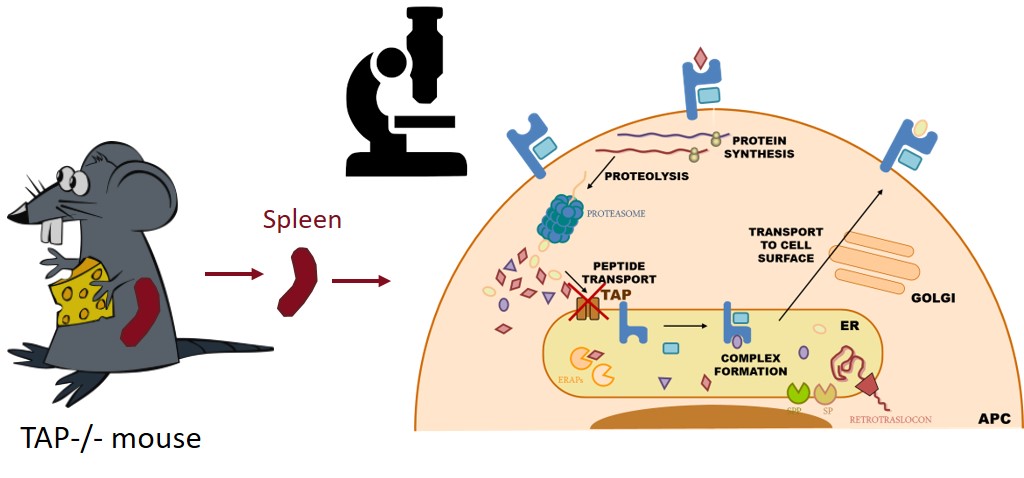
PUBMED DOIComputational characterization of the peptidome in transporter associated with antigen processing (TAP)-deficient cells.
Martin-Galiano, A. J. and Lopez, D. (2019) Computational characterization of the peptidome in transporter associated with antigen processing (TAP)-deficient cells. PLoS.ONE. 14, e0210583.
PUBMED DOILorente, E., A. Barriga, E. Barnea, C. Palomo, J. Garcia-Arriaza, C. Mir, M. Esteban, A. Admon, and D. López. 2019. Immunoproteomic analysis of a Chikungunya poxvirus-based vaccine reveals high HLA class II immunoprevalence. PLoS.Negl.Trop.Dis. 13:e0007547.
Lorente, E., A. Barriga, E. Barnea, C. Palomo, J. Garcia-Arriaza, C. Mir, M. Esteban, A. Admon, and D. López. 2019. Immunoproteomic analysis of a Chikungunya poxvirus-based vaccine reveals high HLA class II immunoprevalence. PLoS.Negl.Trop.Dis. 13:e0007547.
PUBMED DOILópez, D., A. Barriga, E. Lorente, and C. Mir. 2019. Immunoproteomic Lessons for Human Respiratory Syncytial Virus Vaccine Design. J.Clin.Med. 8.
López, D., A. Barriga, E. Lorente, and C. Mir. 2019. Immunoproteomic Lessons for Human Respiratory Syncytial Virus Vaccine Design. J.Clin.Med. 8.
PUBMED DOIBrait, V. H., F. Miro-Mur, I. Perez-de-Puig, L. Notario, B. Hurtado, J. Pedragosa, M. Gallizioli, F. Jimenez-Altayo, M. Arbaizar-Rovirosa, A. Otxoa-de-Amezaga, J. Monteagudo, M. Ferrer-Ferrer, l. R. de, X, E. Bonfill-Teixidor, A. Salas-Perdomo, A. Hernandez-Vidal, P. Garcia-de-Frutos, P. Lauzurica, and A. M. Planas. 2019. CD69 Plays a Beneficial Role in Ischemic Stroke by Dampening Endothelial Activation. Circ.Res. 124:279-291.
Brait, V. H., F. Miro-Mur, I. Perez-de-Puig, L. Notario, B. Hurtado, J. Pedragosa, M. Gallizioli, F. Jimenez-Altayo, M. Arbaizar-Rovirosa, A. Otxoa-de-Amezaga, J. Monteagudo, M. Ferrer-Ferrer, l. R. de, X, E. Bonfill-Teixidor, A. Salas-Perdomo, A. Hernandez-Vidal, P. Garcia-de-Frutos, P. Lauzurica, and A. M. Planas. 2019. CD69 Plays a Beneficial Role in Ischemic Stroke by Dampening Endothelial Activation. Circ.Res. 124:279-291.
DOILorente, E., J. Redondo-Anton, A. Martín-Esteban, P. Guasp, E. Barnea, P. Lauzurica, A. Admon, and J. A. López de Castro. 2019. Substantial Influence of ERAP2 on the HLA-B*40:02 Peptidome: Implications for HLA-B*27-Negative Ankylosing Spondylitis. Mol.Cell Proteomics. 18:2298-2309.
Lorente, E., J. Redondo-Anton, A. Martín-Esteban, P. Guasp, E. Barnea, P. Lauzurica, A. Admon, and J. A. López de Castro. 2019. Substantial Influence of ERAP2 on the HLA-B*40:02 Peptidome: Implications for HLA-B*27-Negative Ankylosing Spondylitis. Mol.Cell Proteomics. 18:2298-2309.
PUBMED DOILorente, E., C. Palomo, E. Barnea, C. Mir, V. M. Del, A. Admon, and D. López. 2019a. Natural Spleen Cell Ligandome in Transporter Antigen Processing-Deficient Mice. J.Proteome.Res. 18:3512-3520.
Lorente, E., C. Palomo, E. Barnea, C. Mir, V. M. Del, A. Admon, and D. López. 2019a. Natural Spleen Cell Ligandome in Transporter Antigen Processing-Deficient Mice. J.Proteome.Res. 18:3512-3520.
PUBMEDLorente, E., M. G. Fontela, E. Barnea, A. J. Martín-Galiano, C. Mir, B. Galocha, A. Admon, P. Lauzurica, and D. López. 2020. Modulation of Natural HLA-B*27:05 Ligandome by Ankylosing Spondylitis-associated Endoplasmic Reticulum Aminopeptidase 2 (ERAP2). Mol.Cell Proteomics. 19:994-1004.
Lorente, E., M. G. Fontela, E. Barnea, A. J. Martín-Galiano, C. Mir, B. Galocha, A. Admon, P. Lauzurica, and D. López. 2020. Modulation of Natural HLA-B*27:05 Ligandome by Ankylosing Spondylitis-associated Endoplasmic Reticulum Aminopeptidase 2 (ERAP2). Mol.Cell Proteomics. 19:994-1004.
PUBMED DOIRedondo-Anton, J., M. G. Fontela, L. Notario, R. Torres-Ruiz, S. Rodriguez-Perales, E. Lorente, and P. Lauzurica. 2020. Functional Characterization of a Dual Enhancer/Promoter Regulatory Element Leading Human CD69 Expression. Front Genet. 11:552949.
Redondo-Anton, J., M. G. Fontela, L. Notario, R. Torres-Ruiz, S. Rodriguez-Perales, E. Lorente, and P. Lauzurica. 2020. Functional Characterization of a Dual Enhancer/Promoter Regulatory Element Leading Human CD69 Expression. Front Genet. 11:552949.
PUBMED DOIFontela, M. G., L. Notario, E. Alari-Pahissa, E. Lorente, and P. Lauzurica. 2019
Fontela, M. G., L. Notario, E. Alari-Pahissa, E. Lorente, and P. Lauzurica. 2019. The Conserved Non-Coding Sequence 2 (CNS2) Enhances CD69 Transcription through Cooperation between the Transcription Factors Oct1 and RUNX1. Genes (Basel) 10.
PUBMED DOIContent with Investigacion .
-

Sara Vázquez Ávila
Técnico de Laboratorio
Obtuve mi título como Técnico de Laboratorio Clínico y Biomédico en el año 2020 y en el 2021obtuve el Grado Superior de Anatomía Patológica y Citodiagnóstico. Trabajé en el Centro Andaluz de Biología Molecular y Medicina Regenerativa (Sevilla) y en el Departamento de Farmacología de la Facultad de Medicina (Universidad Complutense de Madrid). Actualmente soy Técnico de Laboratorio en el Laboratorio de Helmintos del CNM (ISCIII).
-
Maria Jesús Perteguer Prieto
Investigadora Titular, Jefa de grupo
-

Javier Sotillo Gallego
Científico Titular
ORCID code: 0000-0002-1443-7233
En el año 2011 obtuve mi título de doctor “cum laude” por la Universidad de Valencia. Durante mi etapa postdoctoral en la James Cook University en Australia (2012-2019) me especialicé en estudiar las interacciones parásito-hospedador usando diferentes técnicas ómicas. En 2019 volví España y comencé a trabajar en el Laboratorio de Helmintos del CNM (ISCIII) primero como Investigador Miguel Servet y más adelante como Investigador Ramón y Cajal. Actualmente soy Científico Titular en el mismo laboratorio.
-

Ana Hernández González
Laboral Fijo Doctor
ORCID code: 0000-0001-6762-8175
Licenciada en Biología y doctora en Enfermedades Tropicales por la Universidad de Salamanca. Puestos ocupados con anterioridad: investigadora predoctoral en el IRNASA-CSIC (contrato JAE predoc), investigadora postdoctoral en el CNM (contrato Sara Borrell) e investigadora contratada como técnico superior en el CNM (RICET). Actualmente, personal Laboral Fijo Doctor en el laboratorio de Helmintos del CNM.
-
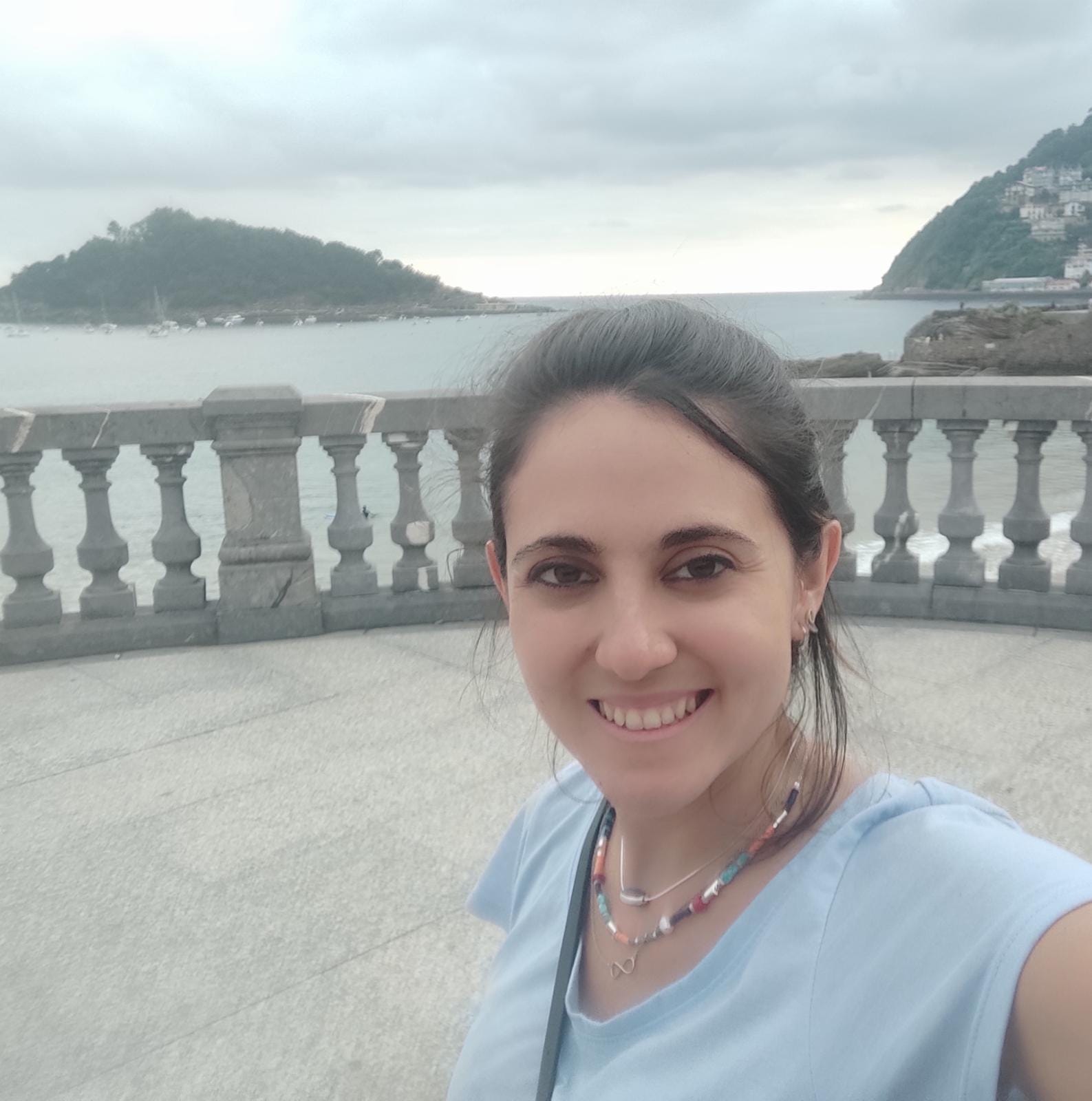
Esther Rodríguez Pérez
Técnico de Laboratorio
ORCID code: 0000-0002-3680-7733
Obtuve mi título como Graduada en Biología Sanitaria en el año 2015 y en el año 2019 obtuve el Grado Superior de Laboratorio de Diagnóstico Clínico. De 2019 a 2022 trabajé en el Museo Nacional de Ciencias Naturales (MNCN-CSIC), en el Departamento de Biogeoquímica y Ecología Microbiana. Actualmente trabajo como Técnico de Laboratorio en el Laboratorio de Helmintos del CNM (ISCIII).
-
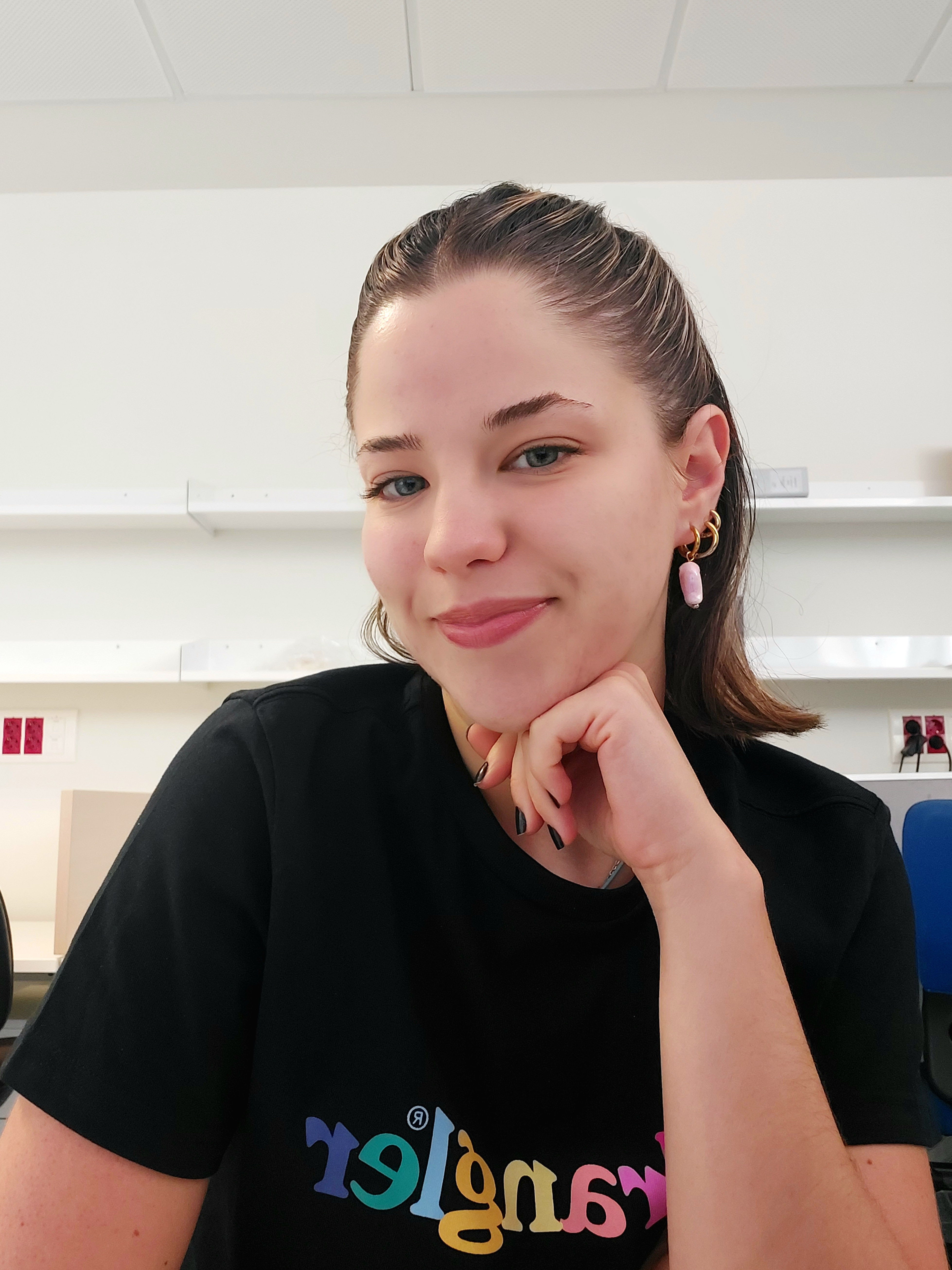
Lourdes Castro Companioni
Ayudante de Investigación
ORCID code: 0009-0003-2746-4067
Bióloga sanitaria graduada en la Universidad de Alcalá de Henares (UAH), con master de Microbiología y Salud pública en la UAH en colaboración con el ISCIII.


List of staff