



We protect your health through science
Investigation
Multi-resitant Infections
Research Lines
Content with Investigacion .
Investigación en infecciones multirresistentes

La emergencia y diseminación global de cepas bacterianas de diferentes especies con resistencia a distintas clases de antibióticos (cepas multirresistentes) supone una amenaza para la eficacia del tratamiento antibiótico. El Antibiotic Resistance Global Report publicado por la Organización Mundial de la Salud en 2014 destacó altas tasas de resistencia en varias especies de bacterias patógenas en cada una de las seis regiones incluidas en el estudio (WHO; 2014). Las infecciones causadas por bacterias resistentes están asociadas a una mortalidad significativa, produciendo más de 700.000 muertes al año, y se estima que esta cifra llegará a 10 millones de muertes anuales en 2050, si no cambia la tendencia actual (Antimicrobial Resistance Rev; 2015). En 2017, la Organización Mundial de la Salud identificó las especies bacterianas frente a las que deberían implementarse nuevas medidas de tratamiento y prevención (WHO 2017). En este informe se clasificaron las especies Gram negativas multirresistentes.
Acinetobacter baumannii, Pseudomonas aeruginosa y Klebsiella pneumoniae con la prioridad más alta (Priority 1: Critical). Las tasas de resistencia a los antimicrobianos de primera línea de estas bacterias Gram-negativas multirresistentes se han incrementado a nivel global durante la última década, complicando significativamente el manejo clínico de las infecciones producidas por estos microorganismos. En este contexto, nuestro grupo está desarrollando las siguientes líneas de investigación:
1. Desarrollo de vacunas para infecciones multirresistentes
Esta línea de investigación tiene como objetivo del desarrollo preclínico de vacunas profilácticas y anticuerpos monoclonales terapéuticos para infecciones producidas por bacterias Gram negativas multirresistentes de difícil manejo clínico debido a la resistencia antimicrobiana. La investigación realizada en esta línea tiene como objetivo identificar y caracterizar antígenos de las bacterias multirresistentes (Acinetobacter baumannii, Klebsiella pneumoniae y Pseudomonas aeruginosa) que sirvan para el desarrollo de anticuerpos monoclonales y vacunas a través de estudios epidemiológicos, genómicos y proteómicos.
2. Caracterización de tratamientos novedosos para infecciones multirresistentes
Esta línea de investigación tiene como objetivo identificar y caracterizar nuevos tratamientos basados en moléculas novedosas y/o combinaciones de antibióticos existentes para infecciones producidas por bacterias Gram negativas multirresistentes. También se emplean técnicas moleculares y "omicas" para la identificación de nuevas dianas para el desarrollo de antibióticos novedosas.
3. Desarrollo de vacunas frente a SARS-CoV-2
Debido la situación producida por la propagación del SARS-CoV-2 urge la realización de estudios que tienen como objetvo el desarrollo de vacunas profilácticas. Nuestro grupo lidera el desarrollo de un prototipo de vacuna basado en ADN plasmídico que expresa antígenos de SARS-CoV-2 y la caracterización de la respuesta inmune inducida por esta vacuna en un modelo murino de inmunización.
Research projects
Content with Investigacion .
Financiación activa:
1. STOPINFECTIONS: Desarrollo de la primera vacuna válida internacional contra la neumonía resistente a antibióticos. Convocatoria Retos de Colaboración 2019. Proyecto RTC 2019-007058-1 financiado por MCIN/AEI/10.13039/501100011033.

2. AMREADY: Desarrollo y fabricación de vacunas como soluciones y preparación ante la crisis sanitaria mundial por la resistencia a antibióticos. Convocatoria Proyectos I+D+i en líneas estratégicas, en colaboración público-privada 2021. Número de expediente PLEC2021-008078. Proyecto PLEC2021-008078 financiado por MCIN/AEI/10.13039/501100011033 y por la Unión Europea NextGenerationEU/PRTR.

3. TRANSVAC DS: Design Study for a European Vaccine R&D Infrastructure. (Unión Europea; Horizonte 2020) Work Package Leader: Michael McConnell. 2020-2022. 1.900.000 €.
4. Development of a multiepitope vaccine for the prevention of COVID-19. (CaixaImpulse Program) CF01-0002. IP: Michael McConnell. 2020-2020. 300.000 €.
5. NANOVAX: Desarrollo de nanopartículas funcionalizadas para mejorar la respuesta a vacunas frente a enfermedades infecciosas. (DTS19CIII/0007) Instituto de Salud Carlos III. IP: Michael McConnell. 2020-2021. 86.000 €.
6. Desarrollo preclínico de vacunas basadas en ADN plasmídico para la prevención de infecciones por Klebsiella pneumoniae y Acinetobacter baumannii multirresistentes. Instituto de Salud Carlos III (FIS). Co-IP: Michael McConnell. 2019-2021. 97.700 €.
7. Coordinación de actividades de investigación en el CNM para realizar una respuesta integradora frente a la pandemia por SARS-COV-2 en España. Work Package Leader: Michael McConnell. 2020-2021. 325.909 €.
8. Investigación para el desarrollo de vectores de expresión de antígenos de Actinobacillus pleuropneumonia. IP: Michael McConnell. 2019-2022. 11.000 €.
9. Investigación de anticuerpos frente a Acinetobacter baumannii. Co-IP Michael McConnell. 2018-2021. 40.400 €.
10. KapaVax: Development of a trivalent vaccine for the prevention of infection caused by Acinetobacter baumannii, Pseudomonas aeruginosa and Klebsiella pneumoniae. CARB-X. IP (ISCIII): Michael McConnell. 2019-2021. 89.615 €.
11. Estudio de la cinética y reactividad de los anticuerpos neutralizantes en pacientes recuperados de COVID-19. Fundación Mutua Madrileña. Work Package Leader: Michael McConnell. 2020-2021. 80.000 €.
12. STOP-Coronavirus: factores clínicos, inmunológicos, genómicos, virológicos y bioéticos de COVID-19. (ISCIII: COV20-00181). 2020-2021. 1.200.000€.
13. Desarrollo de herramientas computacionales basadas en "big data" genómico para el diagnóstico de precisión de sepsis bacteriana. (MPY 509/19). IP: Javier Martín Galiano. 2020-2022- 74,400 €.
Publications
Molecular epidemiology of enterovirus 71, coxsackievirus A16 and A6 associated with hand, foot and mouth disease in Spain
9. M Cabrerizo*, D Tarragó, C Muñóz-Almagro, E del Amo, M Domínguez-Gil, JM Eiros, I López-Miragaya, C Pérez, J Reina, A Otero, I González, JE Echevarría, G Trallero. Molecular epidemiology of enterovirus 71, coxsackievirus A16 and A6 associated with hand, foot and mouth diease in Spain. Clin Microbiol Infect; 20: O150–O156 (2014).
PUBMED DOIImpact of pretransplant CMV-specific T-cell immune response in the control of CMV infection after solid organ transplantation: a prospective cohort study. Clin Microbiol Infect.
Molina-Ortega A, Martín-Gandul C, Mena-Romo JD, Rodríguez-Hernández MJ, Suñer M, Bernal C, Sánchez M, Sánchez-Céspedes J, Pérez Romero P*, Cordero E. Impact of pretransplant CMV-specific T-cell immune response in the control of CMV infection after solid organ transplantation: a prospective cohort study. Clin Microbiol Infect. 2019 Jun;25(6):753-758.
PUBMED DOIKinetic of the CMV-specific T-cell immune response and CMV infection in CMV-seropositive kidney transplant recipients receiving rabbit anti-thymocyte globulin induction therapy: A pilot study.
Martín-Gandul C, Pérez-Romero P*, Mena-Romo D, Molina-Ortega A, González-Roncero FM, Suñer M, Bernal G, Cordero E; Spanish Network for Research in Infectious Diseases (REIPI). Kinetic of the CMV-specific T-cell immune response and CMV infection in CMV-seropositive kidney transplant recipients receiving rabbit anti-thymocyte globulin induction therapy: A pilot study. Transpl Infect Dis. 2018 Jun;20(3):e12883.
PUBMED DOICMV-specific T-cell immunity in solid organ transplant recipients at low risk of CMV infection. Chronology and applicability in preemptive therapy.
Mena-Romo JD, Pérez Romero P*, Martín-Gandul C, Gentil MÁ, Suárez-Artacho G, Lage E, Sánchez M, Cordero E. CMV-specific T-cell immunity in solid organ transplant recipients at low risk of CMV infection. Chronology and applicability in preemptive therapy. J Infect. 2017 Oct;75(4):336-345.
PUBMED DOITwo Doses of Inactivated Influenza Vaccine Improve Immune Response in Solid Organ Transplant Recipients: Results of TRANSGRIPE 1-2, a Randomized Controlled Clinical Trial.
Cordero E, Roca-Oporto C, Bulnes-Ramos A, Aydillo T, Gavaldà J, Moreno A, Torre-Cisneros J, Montejo JM, Fortun J, Muñoz P, Sabé N, Fariñas MC, Blanes-Julia M, López-Medrano F, Suárez-Benjumea A, Martinez-Atienza J, Rosso-Fernández C, Pérez-Romero P*. Two Doses of Inactivated Influenza Vaccine Improve Immune Response in Solid Organ Transplant Recipients: Results of TRANSGRIPE 1-2, a Randomized Controlled Clinical Trial. Clin Infect Dis. 2017 Apr 1;64(7):829-838.
PUBMED DOIApplying lessons learned from cytomegalovirus infection in transplant patients to vaccine design.
Blanco-Lobo P, Bulnes-Ramos Á, McConnell MJ, Navarro D, Pérez-Romero P*. Applying lessons learned from cytomegalovirus infection in transplant patients to vaccine design. Drug Discov Today. 2016 Apr;21(4):674-81.
PUBMED DOIUse of antibodies neutralizing epithelial cell infection to diagnose patients at risk for CMV Disease after transplantation.
Blanco-Lobo P, Cordero E, Martín-Gandul C, Gentil MA, Suárez-Artacho G, Sobrino M, Aznar J, Pérez-Romero P*. Use of antibodies neutralizing epithelial cell infection to diagnose patients at risk for CMV Disease after transplantation. J Infect. 2016 May;72(5):597-607.
PUBMED DOITiming of CMV-specific effector memory T cells predicts viral replication and survival after allogeneic hematopoietic stem cell transplantation.
Espigado I, de la Cruz-Vicente F, BenMarzouk-Hidalgo OJ, Gracia-Ahufinger I, Garcia-Lozano JR, Aguilar-Guisado M, Cisneros JM, Urbano-Ispizua A, Perez-Romero P*. Timing of CMV-specific effector memory T cells predicts viral replication and survival after allogeneic hematopoietic stem cell transplantation. Transpl Int. 2014 Dec;27(12):1253-62.
PUBMED DOIClinical impact of neutropenia related with the preemptive therapy of CMV infection in solid organ transplant recipients.
Martín-Gandul C, Pérez-Romero P*, González-Roncero FM, Berdaguer S, Gómez MA, Lage E, Sánchez M, Cisneros JM, Cordero E; Spanish Network for Research in Infectious Diseases REIPI. Clinical impact of neutropenia related with the preemptive therapy of CMV infection in solid organ transplant recipients. J Infect. 2014 Nov;69(5):500-6.
PUBMED DOIViral load, CMV-specific T-cell immune response and cytomegalovirus disease in solid organ transplant recipients at higher risk for cytomegalovirus infection during preemptive therapy.
Martín-Gandul C, Pérez-Romero P*, Blanco-Lobo P, Benmarzouk-Hidalgo OJ, Sánchez M, Gentil MA, Bernal C, Sobrino JM, Rodríguez-Hernández MJ, Cordero E; Spanish Network for Research in Infectious Diseases (REIPI). Viral load, CMV-specific T-cell immune response and cytomegalovirus disease in solid organ transplant recipients at higher risk for cytomegalovirus infection during preemptive therapy. Transpl Int. 2014 Oct;27(10):1060-8.
PUBMED DOIHCV eradication with IFN-based therapy does not completely restore gene expression in PBMCs from HIV/HCV-coinfected patients.
9. Brochado O, Martínez I (*), Berenguer J, Medrano L, González-García J, Jiménez-Sousa MA, Carrero A, Hontañón V, Navarro J, Guardiola JM, Pérez-Latorre L, Micán R, Fernández-Rodríguez A (‡), Resino S (* ‡). HCV eradication with IFN-based therapy does not completely restore gene expression in PBMCs from HIV/HCV-coinfected patients. J Biomed Sci 2021; 28:23 (A; FI= 12.77; D1, Medicine, Research & Experimental; JCR 2021).
PUBMED DOIDynamics of HIV Reservoir and HIV-1 Viral Splicing in HCV-Exposed Individuals after Elimination with DAAs or Spontaneous Clearance.
Martínez-Román P, Crespo-Bermejo C, Valle-Millares D, Lara-Aguilar V, Arca-Lafuente S, Martín-Carbonero, Ryan P, De los Santos I, López-Huertas MR, Palladino C, Muñoz-Muñoz M, Fernández-Rodríguez A*, Coiras M, Briz V, on behalf of COVIHEP network. Dynamics of HIV Reservoir and HIV-1 Viral Splicing in HCV-Exposed Individuals after Elimination with DAAs or Spontaneous Clearance. Journal of Clinical Medicine 2022, 11: 3579.
PUBMED DOIProtein Saver® cards: the best alternative for DBS storage at room temperature for HCV RNA.
Arca-Lafuente S, Casanueva-Benítez C, Crespo-Bermejo C, Lara-Aguilar V, Martín-Carbonero L, De los Santos I, Madrid R, Briz V*. Protein Saver® cards: the best alternative for DBS storage at room temperature for HCV RNA. 903 Scientific Report 2022, 12: 10124.
PUBMED DOIDiarrhoea-causing enteric protist species in intensively and extensively raised pigs (Sus scrofa domesticus) in Southern Spain. Part II: Association with Hepatitis E virus susceptibility.
Rivero-Juarez A, Dashti A, Santín M, George, Köster PC, Lopez-Lopez P, Risalde MA, García-Bocanegra I, Gomez-Villamandos JC, Caballero-Gómez J, Frías M, Bailo B, Ortega S, Muadica AS, Calero-Bernal R, González-Barrio D, Rivero A, Briz V*, Carmena D. Diarrhoea-causing enteric protist species in intensively and extensively raised pigs (Sus scrofa domesticus) in Southern Spain. Part II: Association with Hepatitis E virus susceptibility. Transboundary and Emerging Diseases 2021, 69: e1172-e1178.
PUBMED DOIHepatitis C virus influences HIV-1 viral splicing in coinfected patients.
Martínez-Román P, López-Huertas MR, Crespo-Bermejo C, Arca-Lafuente S, Cortegano I, Valle-Millares D, Gaspar ML, Martín-Carbonero, Domínguez-Domínguez L, Ryan P, De los Santos I, De la Fuente Moral S, Fernández-Rodríguez A, Coiras M, Briz V, on behalf of COVIHEP. Hepatitis C virus influences HIV-1 viral splicing in coinfected patients. J Clin Med 2020, 9 (7): 2091.
PUBMED DOIrotist enteroparasites in wild boar (Sus scrofa ferus) and black Iberian pig (Sus scrofa domesticus) in southern Spain: a protective effect on hepatitis E acquisition?
Rivero-Juárez A, Dashti A, López-López P, Salimo Muadica A, Risalde MA, Köster PC, Machuca I, Bailo B, Hernández de Mingo M, Dacal E, García-Bocanegra I, Saugar JM, Calero-Bernal R, González-Barrio D, Rivero A, Briz V, Carmena D. Protist enteroparasites in wild boar (Sus scrofa ferus) and black Iberian pig (Sus scrofa domesticus) in southern Spain: a protective effect on hepatitis E acquisition? Parasites & Vectors 2020, 13: 281
PUBMED DOIEpidemiological trend of hepatitis C-related liver events in Spain (2000-2015): A nationwide population-based study.
7. Rivero-Juárez A, Dashti A, López-López P, Salimo Muadica A, Risalde MA, Köster PC, Machuca I, Bailo B, Hernández de Mingo M, Dacal E, García-Bocanegra I, Saugar JM, Calero-Bernal R, González-Barrio D, Rivero A, Briz V, Carmena D. Protist enteroparasites in wild boar (Sus scrofa ferus) and black Iberian pig (Sus scrofa domesticus) in southern Spain: a protective effect on hepatitis E acquisition? Parasites & Vectors 2020, 13: 281
PUBMED DOIContent with Investigacion .
-
Concepción Casado Herrero
Tenure Scientist of Public Research Organizations (OPIs)
ORCID code: 0000-0003-3412-2877
-
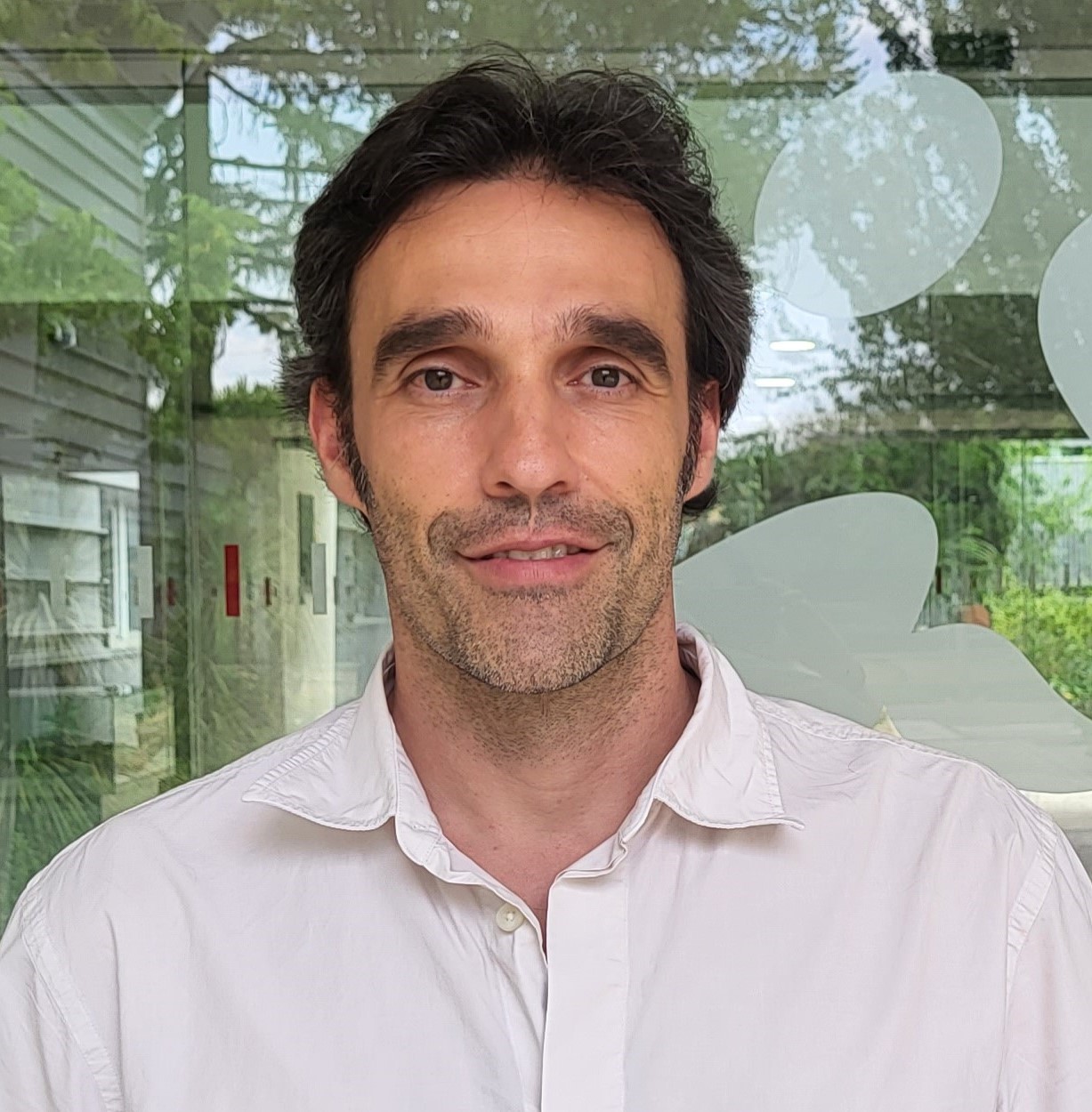
Javier García Pérez
Investigador Doctor
ORCID code: 0000-0001-7551-7803
Graduated in Biochemistry (1999) and Molecular Biology (2000) from the Autonomous University of Madrid (UAM), he obtained a predoctoral fellowship “ISCIII” in the AIDS Immunopathology laboratory, where he developed new techniques based on recombinant viruses. His doctoral thesis focused on the application of this technological development to the study of the replicative capacity of HIV-1 and its resistance to antiretroviral drugs, obtaining the degree of Doctor of Science from the UAM in 2007.
Thanks to a short postdoc in 2008 and several stays between 2009 and 2015 at the Viral Pathogenesis Unit of the Institut Pasteur in Paris he extended his training in the study of HIV-1 envelope and tropism. Between 2015 and 2019 he rejoins the AIDS Immunopathology Unit at ISCIII, focusing his work on the study of the functional capacity of founder viruses, as well as variants of the virus with interest in Public Health due to its recent expansion in our country. He is currently leading a project on the study of a mutation in transportin 3 observed in patients with a very rare muscular dystrophy (LGMDD2) that confers protection against HIV-1 infection.
During the last 5 years he combines this activity in HIV-1 with the participation and leadership of different clinical trials and studies investigating the immunity generated in people vaccinated against SARS-CoV-2 infection.
Since 2024 he is a “Investigador Doctor fuera de Convenio” at the Spanish National Centre of Microbiology and he currently coordinates together with Dr. Francisco Díez Fuertes the AIDS Immunopathology Unit.
-
Miguel Thomson
Research Professor. Head of Unit
-

Eloisa Yuste Herranz
Staff Scientist
ORCID code: 0000-0002-9484-9974
She holds a Bachelor's and a Ph.D. in Biological Sciences from the Complutense University of Madrid. She completed her first postdoctoral stay (1998–2001) at the “Severo Ochoa” Molecular Biology Center (Madrid). In 2001, she undertook a second postdoctoral stay at Harvard Medical School (USA), where she was promoted to Associate Researcher in 2005.
In 2008, she joined the August Pi i Sunyer Biomedical Research Institute (Barcelona) as a Ramón y Cajal Researcher, later being promoted to I3 Researcher in 2011 at the same institution. In 2016, she joined the National Center for Microbiology at the Carlos III Health Institute (Madrid) as a Distinguished Researcher. In 2018, she was promoted to Tenured Scientist at the same institution.
Her research has focused on the study of humoral immunity against HIV-1 and the development of preventive HIV-1 vaccine prototypes. She is currently co-leading, alongside Dr. Víctor Sánchez Merino, the newly established Humoral Immunity and HIV Vaccines Unit.
-
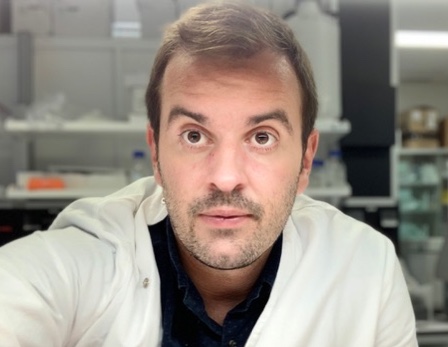
Francisco Díez Fuertes
Investigador Doctor Indefinido
ORCID code: 0000-0003-2413-9229
Degree in Biology from the University of León, PhD specialized in molecular virology from the Complutense University of Madrid in 2010 and master's degree in bioinformatics and computational biology from the same university in 2012. He has done research stays at University of Illinois at Urbana Champaign (USA) in 2010, Nebraska Center for Virology (USA) in 2011, Institut Pasteur (France) in 2013 and J. Craig Venter Institute (USA) in 2015-2016.
He joined the AIDS Immunopathology Unit in 2013 with a contract from the “Sara Borrell” postdoctoral program. After a period at the August Pi i Sunyer Biomedical Research Institute in Barcelona he rejoins the AIDS Immunopathology Unit in 2020 as a PhD researcher.
His lines of research have focused on the genomic and transcriptomic characterization of extreme phenotypes in HIV-1 infection, including long-term non-progressors and elite controllers. He collaborates with other laboratories of the center in the analysis of outbreaks caused by viruses with interest in Public Health, as well as in evolutionary studies on genomic epidemiology. Since 2020 he has led different clinical studies on COVID-19. Currently, he combines omics sciences with different bioinformatics tools to answer different scientific questions in the field of virology, especially in HIV-1 and SARS-CoV-2 research. He currently coordinates together with Dr. Javier García Pérez the AIDS Immunopathology Unit.
-
María Pernas Escario
Senior Specialized Technician of Public Research Organizations (OPIs)
ORCID code: 0000-0003-2966-0160
-
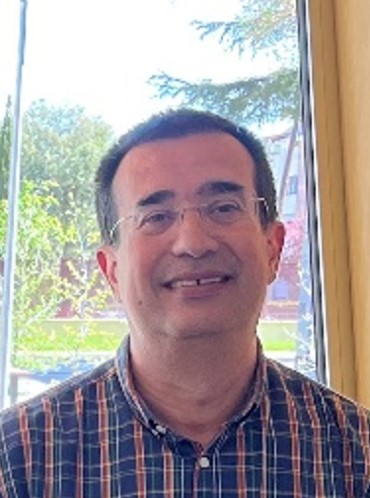
Victor Sánchez Merino
Distinguished Scientist
ORCID code: 0000-0001-9400-427X
He holds a Bachelor's and a Ph.D. in Pharmacy from the Complutense University of Madrid, specializing in virology and molecular biology. His research has focused on the study of HIV and EBV. His doctoral thesis addressed the evolution of HIV-1 and the restoration of mutant HIV-1 reverse transcriptase function.
He completed a postdoctoral stay at Harvard University, investigating new viral interactions (2001–2003). At the University of Massachusetts, he explored CD8+ T lymphocyte responses in vertical HIV transmission (2003–2008).
In Spain, at the Hospital Clínico-IDIBAPS (Barcelona; 2008–2017) and the Carlos III Health Institute (Madrid; 2017–Present), he has led research on HIV-1 neutralizing antibodies and the design of preventive vaccines.He is currently co-leading, alongside Dr. Eloísa Yuste Herranz, the newly established Humoral Immunity and HIV Vaccines Unit. Additionally, he is a professor and principal investigator at Alfonso X el Sabio University (Madrid).
-

Nuria González Fernández
Investigadora Contratada indefinida
ORCID code: 0000-0002-0087-5144
She completed her PhD in 2007 (Universidad Autónoma de Madrid), focused on the development of an envelope recombinant virus system to characterize HIV-1 tropism, as well as on the study of the role of the chemokine CXCL12 in virus propagation at the infectious synapse. Part of this work was carried out in the laboratory of Dr. Quentin Sattentau at the University of Oxford.
During her postdoctoral period, she expanded her research on the mechanisms of HIV entry and specialized in the study of the neutralizing response. She developed a system to measure neutralizing activity, which has been used in clinical trials of HIV vaccine candidates. During a stay at the Vaccine Research Center, NIH (USA), she acquired experience in various techniques for the characterization of broadly neutralizing antibodies, leading to new collaborations and research projects, which she is currently developing in the AIDS Immunopathology Unit of the Carlos III Health Institute.
She has participated in research networks such as EAVI2020 (co-PI), CIBERINFEC, RIS and EUROPRISE (EU). Since 2014 she is a professor of the Master in Microbiology applied to Public Health and Infectious Diseases Research at the University of the University of Alcalá and, since 2023, of the Master in Human Immunodeficiency Virus Infection at the University Rey Juan Carlos.
-

Almudena Rubio Perez
Research Assistant
ORCID code: 0009-0006-4687-7555
Graduated in Biochemistry from the University of Córdoba (Andalusia, Spain) with a master's degree in Biomedicine from the University of Cádiz (Andalusia, Spain). She is currently part of the Humoral Immunity and HIV Vaccines Unit (IHV) at the National Center for Microbiology (CNM) under a Youth Guarantee contract funded by the Community of Madrid and is pursuing a Ph.D. in the Microbiology and Parasitology program at the Complutense University of Madrid.
-
Virginia Sandonís Martín
Senior Specialized Technician of Public Research Organizations (OPIs)
ORCID code: 0000-0001-5762-7531
-
Mercedes Bermejo Herrero
Investigadora post-doctoral contratada
ORCID code: 0000-0001-9909-8578
Degree and PhD in Biological Sciences (Biochemistry and Molecular Biology) from the Autonoma University of Madrid. Her doctoral thesis studied the expression of CXCR4 and SDF-1/CXCL12 in lymphocytes and dendritic cells and their implications in HIV-1 infection.
She has completed internships in various laboratories: the Immunology Department of the Gregorio Marañón University Hospital in Madrid, the Research Center of the 12 de Octubre University Hospital in Madrid (where she was head of the flow cytometry service) and is currently at the CNM (National Research Center) of the Carlos III Health Institute.
Her research interests have focused on the study of HIV biology and its interaction with the immune system. She has currently participated in clinical trials, CombiVacs and ENE-Covid Senior, and in collaboration with Hipra.
-
Rosa Fuentes Fernández
Laboratory Technician
-

Rubén Ayala Suárez
Técnico Superior Especializado OPI
ORCID code: 0000-0002-1271-646.
Graduated in Biotechnology from the University of Cadiz (2015), Master in Microbiology of Infectious Diseases (2016) and PhD in Functional Biology from the University of Alcalá (2023). He carried out his PhD Thesis at the AIDS Immunopathology laboratory (CNM) on post-translational epigenetic mechanisms of natural control of HIV infection. In the same period, he completed a Diploma in Bioinformatics at Pablo de Olavide University (2021).
In 2023 he joined as a postdoctoral researcher in the HIV and AIDS research group at the August Pi i Sunyer Biomedical Research Institute (Barcelona), where he worked on the relationship of HIV and senescence until his incorporation as a Técnico Superior Especializado in the AIDS Immunopathology unit of the Spanish National Center of Microbiology (ISCIII) in 2025.
The main research projects in which he participates focus on resistance and natural control to HIV infection, as well as the evaluation of the immune response in vaccine trials, using mainly bioinformatics techniques focused on massive sequencing (RNA-Seq, single-cell, genome sequencing), the application of biostatistics and machine learning in data management.
-
-

Almudena Cascajero Díaz
Técnico de laboratorio
ORCID code: 0000-0002-9654-3100
Técnico Superior de Actividades Técnicas y Profesionales (Unidades de Inmunopatología del SIDA y Legionella, Centro Nacional de Microbiología). Clinical Diagnostic Laboratory Technician by IES Renacimiento de Madrid.
Experience in cloning techniques and characterization of neutralizing antibodies and participation in different projects on the pathogenesis of HIV by studying the viral envelope and the mechanisms of resistance to antiretroviral drugs. This experience has subsequently allowed me to participate in 5 multicenter clinical studies studying the immune response against different variants of SARS-CoV-2.
Since 2021, I also participate as a laboratory technician in the Legionella Unit as a support to the Spanish National Health System through the microbiological surveillance of the disease to contribute to the prevention and control of legionellosis.
-

Manuela Beltrán Vicente
Técnico de Laboratorio Indefinido
ORCID code: 0000-0001-6185-2280
Senior Technician of Technical and Professional Activities (AIDS Immunopathology Unit, Spanish National Center of Microbiology).
Clinical Analysis Laboratory Specialist Technician by IES Las Musas (Madrid, 1996). Demonstrated experience in the development of strategies against HIV, focused on the screening of compounds of both natural and synthetic origin with antiviral activity and identification and evaluation of potential therapeutic agents, as well as the screening of serological samples for the study of immunity for the identification of possible strategies for the development of vaccines against HIV. -

Silvia Jara Herrera
Técnico de Laboratorio Contratado CIBERINFEC
ORCID code: 0009-0001-2842-2040
Clinical and Biomedical Diagnostic Laboratory Technician.
She is currently working in the AIDS Immunopathology Unit of the Spanish National Center of Microbiology (ISCIII) with a contract through the Spanish Biomedical Research Networking Centre in Infectious Diseases (CIBER-INFEC).
She worked from March 2020 to September 2024 at the Department of Animal Health (Faculty of Veterinary Medicine) of the Universidad Complutense de Madrid.
She has experience in serological techniques (ELISA, Western Blot and IFA), cell culture and molecular biology.
-

Irene Díaz Marín
Técnico de laboratorio contratado
Clinical and Biomedical Diagnostics laboratory technician by CIFP Politécnico de Murcia-CESUR and graduated in Journalism from the Complutense University of Madrid.
She is currently at the AIDS Immunopathology Unit of the Spanish National Center of Microbiology with a contract of the “Garantía Juvenil” program (Community of Madrid), where she performs technical tasks in several research projects about HIV-1 and COVID-19.
-

Lorena Vigón Hernandez
Tenured Specialized Technician from OPIs
ORCID code: 0000-0002-6405-4054
Graduate in Health Biology and PhD in Health Sciences from the University of Alcalá de Henares. In 2016, she joined the CNM-ISCIII under a Youth Guarantee contract funded by the Community of Madrid, and in 2018 she was awarded a pFIS fellowship, which enabled her to remain at the same institution. Subsequently, in 2022, she was appointed as a Tenured Specialized Technical Staff of the Spanish Public Research Organizations (OPIs).
Her research has primarily focused on elucidating the mechanism of action of tyrosine kinase inhibitors in HIV-1 infection (PMID: 32828803; PMID: 34186065), as well as on the identification of biomarkers that could predict COVID-19 severity (PMID: 34616404; PMID: 34122423; PMID: 35960731).
She is currently a member of the recently established Humoral Immunity and HIV Vaccines Unit, led by Dr. Eloisa Yuste and Dr. Victor Sanchez-Merino.
Actualmente forma parte de la recientemente creada Unidad de Inmunidad Humoral y Vacunas frente al VIH, liderada por la Dra. Eloísa Yuste Herranz y el Dr. Víctor Sánchez Merino.
-
Laura Capa Muñoz
Investigadora post-doctoral contratada
ORCID code: 0000-0002-0234-331X
Degree in Biological Sciences from the Universidad Autónoma de Madrid and PhD from the Universidad Complutense de Madrid, she has a master's degree in AIDS (Universidad Complutense de Madrid) and a master's degree in HIV infection (Universidad Rey Juan Carlos de Madrid).
Professional activity developed mainly in the study of infectious diseases, both in the field of basic research in public research centers and in the pharmaceutical industry, as well as in the field of public health and scientific management. She has worked in the international response to the HIV pandemic, representing the Ministry of Health as an expert in meetings of the European Commission and collaborated with the WHO. At the Instituto de Salud Carlos III, she has led the scientific management of national and European projects in the AIDS Immunopathology Unit and has been part of the Institute's Data Protection Working Group. Currently, she continues to coordinate the Cohort of Long-Term Non-Progressing Patients created by the Spanish AIDS Research Network (RIS), is part of the coordination team of the PhD Program in Biomedical Sciences and Public Health IMIENS-UNED-ISCIII and of the Institute's Working Group on Equality.



List of staff