



We protect your health through science
Investigation
AIDS Immunopathology
Publications
Provirus reactivation is impaired in HIV-1 infected individuals on treatment with dasatinib and antiretroviral therapy.
Provirus reactivation is impaired in HIV-1 infected individuals on treatment with dasatinib and antiretroviral therapy. Vigón L, Martínez-Román P, Rodríguez-Mora S, Torres M, Puertas MC, Mateos E, Salgado M, Navarro A, Sánchez-Conde M, Ambrosioni J, Cervero M, Wyen C, Hoffmann C, Miró JM, Alcamí J, Podzamczer D, García-Gutiérrez V, Martínez-Picado J, Briz V, Rosa López-Huertas M, Planelles V, Coiras M (AC). Biochem Pharmacol. 2021 Oct;192:114666. doi: 10.1016/j.bcp.2021.114666. PMID: 34186065.
PUBMED DOIT-Cell-Specific Loss of the PI-3-Kinase p110α Catalytic Subunit Results in Enhanced Cytokine Production and Antitumor Response.
1. Aragoneses-Fenoll L, Ojeda G, Montes-Casado M, Acosta-Ampudia Y, Dianzani U, Portolés P, Rojo JM. T-Cell-Specific Loss of the PI-3-Kinase p110α Catalytic Subunit Results in Enhanced Cytokine Production and Antitumor Response. Front. Immunol. 2018 Feb 27;9:332.
PUBMED DOIETP-46321, a dual p110α/δ class IA phosphoinositide 3-kinase inhibitor modulates T lymphocyte activation and collagen-induced arthritis.
2. Aragoneses-Fenoll L, Montes-CasadoM, Ojeda G, Acosta YY, Herranz J, Martínez S, Blanco-Aparicio C, Criado G, Pastor J, Dianzani U, Portolés P, Rojo JM. ETP-46321, a dual p110α/δ class IA phosphoinositide 3-kinase inhibitor modulates T lymphocyte activation and collagen-induced arthritis. Biochem. Pharmacol. 2016 Apr 15;106:56-69. Epub 2016 Feb 13.
PUBMED DOISuppression of CD4+ T lymphocyte activation in vitro and experimental encephalomyelitis in vivo by the phosphatidyl inositol 3-kinase inhibitor PIK-75.
3. Acosta YY, Montes-Casado M, Aragoneses-Fenoll L, Dianzani U, Portoles P, Rojo JM. Suppression of CD4+ T lymphocyte activation in vitro and experimental encephalomyelitis in vivo by the phosphatidyl inositol 3-kinase inhibitor PIK-75. Int. J. Immunopathol. Pharmacol. 2014 Jan-Mar;27(1):53-67.
PUBMED DOIEffects of 3D nanocomposite bioceramic scaffolds on the immune response
4. Cicuendez M., Portolés P., Montes-Casado M., Izquierdo-Barba I., Vallet-Regı M., and Portolés M.T. Effects of 3D nanocomposite bioceramic scaffolds on the immune response. J. Mater. Chem. B, 2014, 2 (22), 3469-3479.
DOICharacteristics of TCR/CD3 complex CD3 chains of regulatory CD4+ T (Treg) lymphocytes: Role in Treg differentiation in vitro and impact on Treg in vivo.
5. Rojo, J. M., G. Ojeda, Y. Y. Acosta, M. Montes-Casado, G. Criado, and P. Portoles. Characteristics of TCR/CD3 complex CD3 chains of regulatory CD4+ T (Treg) lymphocytes: Role in Treg differentiation in vitro and impact on Treg in vivo. J. Leukoc. Biol. 2014, 95 (3): 441-450.
PUBMED DOIDissociation of actin polymerization and lipid raft accumulation by ligation of the Inducible Costimulator (ICOS, CD278)
6. Y. Acosta, G. Ojeda, M. P. Zafra, I. Seren-Bernardone, A. Sánchez, U. Dianzani, P. Portolés y J. M. Rojo. Dissociation of actin polymerization and lipid raft accumulation by ligation of the Inducible Costimulator (ICOS, CD278). Inmunología, 2012, 31 (1): 4-12.
DOIComplement regulatory protein Crry/p65 costimulation expands natural Treg cells with enhanced suppressive properties in proteoglycan-induced arthritis.
7. Ojeda G., Pini E., Eguiluz C., Montes-Casado M., Broere F., van Eden W., Rojo J.M., and Portolés P. Complement regulatory protein Crry/p65 costimulation expands natural Treg cells with enhanced suppressive properties in proteoglycan-induced arthritis. Arthritis Rheum. 2011 Jun;63(6):1562-72.
PUBMED DOIBiased binding of class IA phosphatidyl inositol 3-kinase subunits to inducible costimulator (CD278)
8. Acosta Y.Y., Zafra M.P., Ojeda G., Bernardone I.S., Dianzani U., Portolés P., Rojo J.M. Biased binding of class IA phosphatidyl inositol 3-kinase subunits to inducible costimulator (CD278). Cell. Mol. Life Sci. 2011 Sep;68(18):3065-79.
PUBMED DOIStructure and Immunogenicity of the Human Metapneumovirus F Protein in the Postfusion Conformation.
5. Mas V, Rodriguez L, Olmedillas E, Cano O, Palomo C, Terron MC, et al. Engineering, Structure and Immunogenicity of the Human Metapneumovirus F Protein in the Postfusion Conformation. PLoS Pathog. 2016;12(9):e1005859.
PUBMED DOIEssential in vitro diagnostics for advanced HIV and serious fungal diseases: international experts' consensus recommendations. Eur J Clin Microbiol Infect Dis. 2019 Sep
Bongomin F, Govender NP, Chakrabarti A, Robert-Gangneux F, Boulware DR, Zafar A, Oladele RO, Richardson MD, Gangneux JP, Alastruey-Izquierdo A, Bazira J, Boyles TH, Sarcarlal J, Nacher M, Obayashi T, Worodria W, Pasqualotto AC, Meya DB, Cheng B, Sriruttan C, Muzoora C, Kambugu A, Rodriguez Tudela JL, Jordan A, Chiller TM, Denning DW. Essential in vitro diagnostics for advanced HIV and serious fungal diseases: international experts' consensus recommendations. Eur J Clin Microbiol Infect Dis. 2019 Sep;38(9):1581-1584. doi: 10.1007/s10096-019-03600-4. PMID: 31175479.
PUBMED DOIGodet C, Alastruey-Izquierdo A, Flick H, Hennequin C, Mikilps-Mikgelbs R, Munteanu O, Page I, Seidel D, Salzer HJF. A CPAnet consensus statement on research priorities for chronic pulmonary aspergillosis: a neglected fungal infection that requires attention. J Antimicrob Chemother. 2018
Godet C, Alastruey-Izquierdo A, Flick H, Hennequin C, Mikilps-Mikgelbs R, Munteanu O, Page I, Seidel D, Salzer HJF. A CPAnet consensus statement on research priorities for chronic pulmonary aspergillosis: a neglected fungal infection that requires attention. J Antimicrob Chemother. 2018 Feb 1;73(2):280-286. doi: 10.1093/jac/dkx390. PMID: 29126309.
PUBMED DOIGenetic Characterization of Brucella spp.: Whole Genome Sequencing-Based Approach for the Determination of Multiple Locus Variable Number Tandem Repeat Profiles
Pelerito A, Nunes A, Grilo T, Isidro J, Silva C, Ferreira AC, Valdezate S, Núncio MS, Georgi E, Gomes JP. (2021) Genetic Characterization of Brucella spp.: Whole Genome Sequencing-Based Approach for the Determination of Multiple Locus Variable Number Tandem Repeat Profiles. 2021. Front Microbiol. 12;12:740068
PUBMED DOISaezia sanguinis gen. nov., sp. nov., a Betaproteobacteria member of order Burkholderiales, isolated from human blood
Medina-Pascual MJ, Monzón S, Villalón P, Cuesta I, González-Romo F, Valdezate S. (2020). Saezia sanguinis gen. nov., sp. nov., a Betaproteobacteria member of order Burkholderiales, isolated from human blood. Int J Syst Evol Microbiol.70:2016-25.
PUBMED DOIDynamics of a Sporadic Nosocomial Acinetobacter calcoaceticus-Acinetobacter baumannii Complex Population
Villalón P, Ortega M, Sáez-Nieto JA, Carrasco G, Medina-Pascual MJ, Garrido N, Valdezate S. (2019). Dynamics of a Sporadic Nosocomial Acinetobacter calcoaceticus-Acinetobacter baumannii Complex Population. 2019. Front Microbiol. 22;10:593
PUBMED DOIEpidemiology and susceptibility to antimicrobial agents of the main Nocardia species in Spain.
Valdezate S, Garrido N, Carrasco G, Medina-Pascual MJ, Villalón P, Navarro AM, Saéz-Nieto JA. Epidemiology and susceptibility to antimicrobial agents of the main Nocardia species in Spain. J Antimicrob Chemother. 2017;72(3):754-761.
PUBMED DOIPaenibacillus spp. isolated from human and environmental samples in Spain: detection of 11 new species.
Sáez-Nieto JA, Medina-Pascual MJ, Carrasco G, Garrido N, Fernandez-Torres MA, Villalón P, Valdezate S. Paenibacillus spp. isolated from human and environmental samples in Spain: detection of 11 new species. New Microbes New Infect. 2017. 24;19:19-27.
PUBMED DOIIncrease in isolation of Burkholderia contaminans from Spanish patients with cystic fibrosis.
Medina-Pascual MJ, Valdezate S, Carrasco G, Villalón P, Garrido N, Saéz-Nieto JA. (2015) Increase in isolation of Burkholderia contaminans from Spanish patients with cystic fibrosis. Clin Microbiol Infect. ;21(2):150-6
PUBMED DOIGenomic Background and Phylogeny of cfiA-Positive Bacteroides fragilis Strains Resistant to Meropenem-EDTA
Medina-Pascual MJ, Valdezate S, Carrasco G, Villalón P, Garrido N, Saéz-Nieto JA. (2015) Increase in isolation of Burkholderia contaminans from Spanish patients with cystic fibrosis. Clin Microbiol Infect. ;21(2):150-6.
PUBMED DOIContent with Investigacion .
-
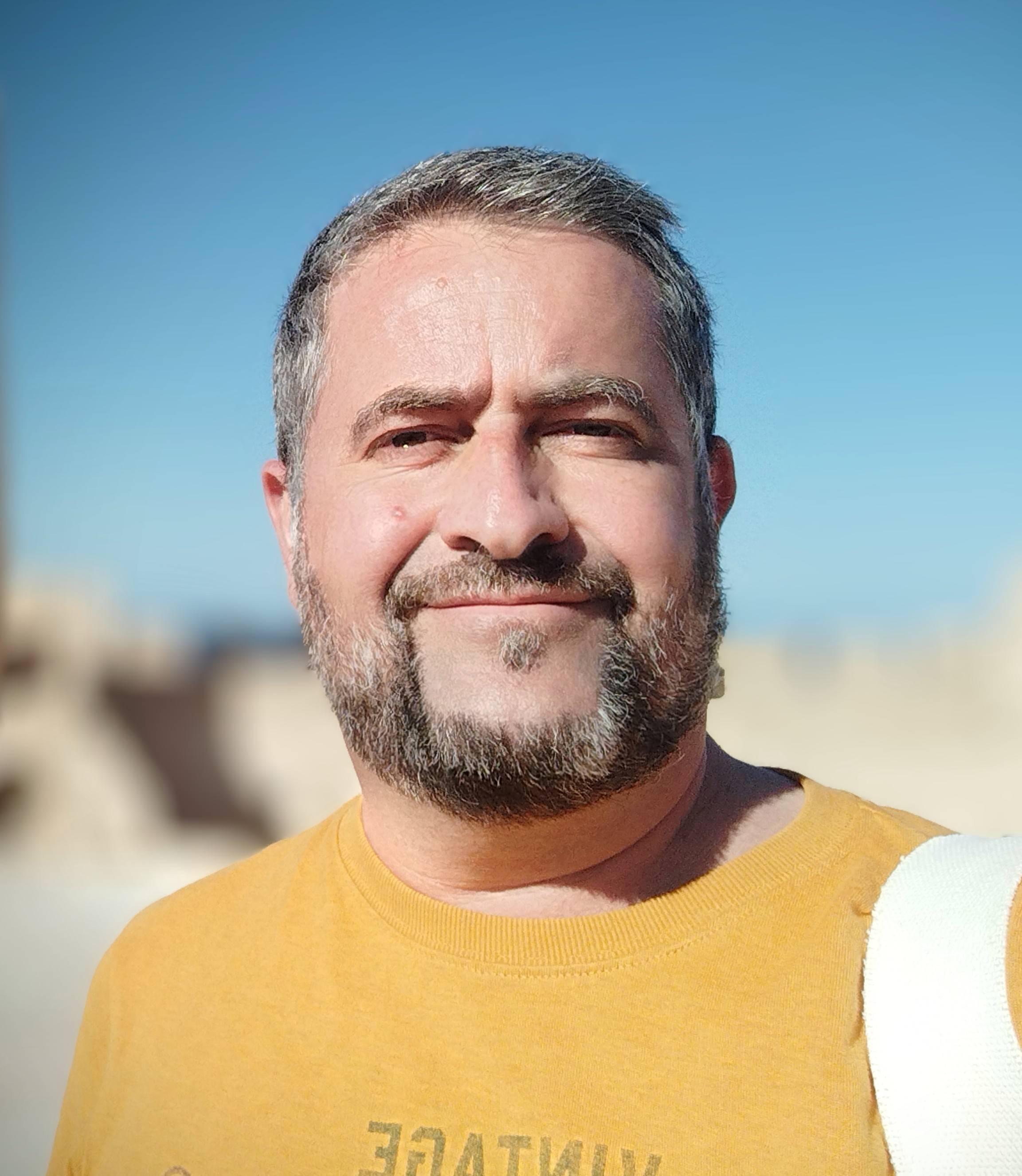
Horacio Gil Gil
Research Scientist
ORCID code: 0000-0002-7114-6686
Degree in Veterinary Medicine in 1995 and PhD in Veterinary Medicine in 2002 from the University of Zaragoza. He did his PhD thesis at NEIKER Tecknalia (Derio, Vizcaya) and the National Center for Microbiology of Instituto de Salud Carlos III (CNM-ISCIII, Majadahonda, Madrid) on the biological cycle of Lyme disease in the Basque Country. After that, he developed his postdoctoral training in different aspects of the pathogenesis of tularemia at the Center for Infectious Diseases, Stony Brook University, New York (USA) for 3 years. In December 2005, he joined the Reference and Research Laboratory in Special Pathogens of the CNM-ISCIII where he developed diagnostic, reference and research activities, in Bartonella, Leptospira and pathogens of interest in bioterrorism. Between 2014-2016 he participated in the European Program for the Training of Microbiologists in Public Health (EUPHEM), organized by the European Centre for Disease Prevention and Control. During this program, he participated in an international mission for the investigation of a cholera outbreak in Ghana, proposed by the Bernhard Nocht Institute for Tropical Diseases in Hamburg (Germany). In December 2016, he worked as a laboratory consultant for the World Health Organization at their office in Phnom Penh (Cambodia). Subsequently, he worked one year with Médecins Sans Frontières as director and quality manager of the TB laboratory in Nukus (Uzbekistan).
In 2019, he joined the HIV Variability and Biology Unit at CNM-ISCIII, where he developed different reference and research activities, including his contribution to the molecular epidemiological surveillance of HIV-1 in Spain and the study of HIV-1 antiretroviral resistance. Since September 2022 he has been leading the Human Papillomavirus Unit at the CNM-ISCIII. -
Alicia Inés García Señán
Predoctoral Student UNED
Degree in Pharmacy in 2013 from the Complutense University of Madrid. She completed specialized health training in Microbiology and Parasitology at the Complejo Asistencial Universitario de Salamanca (2014-2018). During this period he studied a master's degree in Tropical Diseases at the University of Salamanca (2016). She has developed her professional activity as a clinical microbiologist at the Hospital de Santa Bárbara (Soria) (2018), Hospital Universitario Vall d'Hebrón (Barcelona) (2019-2022), and Hospital Central de la Defensa (Gómez Ulla) C.S.V.E, since 2022. In September 2024 she has started PhD studies at the Human Papillomavirus Unit of the CNM-ISCIII.
-
Manuela Rodríguez Vargas
Técnico de Laboratorio

List of staff
Additional Information
The AIDS Immunopathology Unit has been coordinated since 2000 by Dr. José Alcamí, bringing together during its history more than 20 independent researchers who collaboratively study different aspects of HIV infection. During this years, more than 30 visiting researchers and more than 50 national and international students have passed through the unit. From the beginning of the year 2025, Javier García Pérez and Francisco Díez Fuertes assumed the coordination of the AIDS Immunopathology Unit, with the aim of projecting its scientific competitiveness following multidisciplinary approaches and through the maintenance of the current close collaborations, as well as the promotion of participation in new national and international research networks.
Historically, the current members of the unit have focused on different lines of basic research that include the study of antibodies and the development of vaccines against HIV-1, the study of viral entry and tropism of the virus or the study of the host through the genomic characterization of populations with an extreme phenotype. Currently, the activity of our unit in the field of HIV-1 is focused on three main lines:
1. Mecanismos moleculares asociados a la protección de la infección por VIH-1 en pacientes con distrofia muscular de cinturas dominante D2 (LGMDD2).
2. Generación de anticuerpos neutralizantes de uso terapéutico basados en la respuesta neutralizante de amplio espectro frente a virus fundadores.
3. Cribado y caracterización de nuevos fármacos anti-latencia frente al VIH-1.
A partir del año 2020, nuestra unidad se vuelca con la investigación sobre COVID-19, participando y liderando diferentes proyectos de investigación aplicada y clínica. Fruto de esta fuerte implicación en el campo, en la actualidad se mantienen diferentes estudios sobre la caracterización de la respuesta inmune frente a SARS-CoV-2, integrando diferentes técnicas de virología molecular, estrategias de inteligencia epidemiológica y tecnologías de célula única.
We also participate in different research consortiums and networks, such as the Spanish AIDS Research Network or the Center for Biomedical Research in Infectious Diseases Network (CIBER-INFEC), in which we participate as researchers in different lines and work packages within the research programs “Global Health, emerging and re-emerging infections” as well as “HIV/AIDS and sexually transmitted infections”.
Supervised doctoral theses
1. GENOMIC AND FUNCTIONAL ANALYSIS OF HIV-1 PROTECTION PARAMETERS IN PATIENTS WITH SLOW PROGRESSION OF INFECTION.
Student: Erick de la Torre Tarazona.
Supervisors: José Alcamí and Francisco Díez Fuertes.
Academic entity: Universidad Autónoma de Madrid.
Defense date: July 14th, 2020.
2. ANALYSIS OF MIARN EXPRESSION PROFILES AND FUNCTIONAL CHARACTERIZATION IN HIV-POSITIVE INDIVIDUALS WITH DIFFERENT PROGRESSION TO AIDS.
Student: Rubén Ayala Suárez.
Supervisors: José Alcamí and Francisco Díez Fuertes.
Academic entity: Universidad de Alcalá.
Defense date: June 12nd, 2023.
The AIDS Immunopathology Unit has been coordinated since 2000 by Dr. José Alcamí, bringing together during its history more than 20 independent researchers who collaboratively study different aspects of HIV infection. During this years, more than 30 visiting researchers and more than 50 national and international students have passed through the unit. From the beginning of the year 2025, Javier García Pérez and Francisco Díez Fuertes assumed the coordination of the AIDS Immunopathology Unit, with the aim of projecting its scientific competitiveness following multidisciplinary approaches and through the maintenance of the current close collaborations, as well as the promotion of participation in new national and international research networks.
Historically, the current members of the unit have focused on different lines of basic research that include the study of antibodies and the development of vaccines against HIV-1, the study of viral entry and tropism of the virus or the study of the host through the genomic characterization of populations with an extreme phenotype. Currently, the activity of our unit in the field of HIV-1 is focused on three main lines:
1. Mecanismos moleculares asociados a la protección de la infección por VIH-1 en pacientes con distrofia muscular de cinturas dominante D2 (LGMDD2).
2. Generación de anticuerpos neutralizantes de uso terapéutico basados en la respuesta neutralizante de amplio espectro frente a virus fundadores.
3. Cribado y caracterización de nuevos fármacos anti-latencia frente al VIH-1.
A partir del año 2020, nuestra unidad se vuelca con la investigación sobre COVID-19, participando y liderando diferentes proyectos de investigación aplicada y clínica. Fruto de esta fuerte implicación en el campo, en la actualidad se mantienen diferentes estudios sobre la caracterización de la respuesta inmune frente a SARS-CoV-2, integrando diferentes técnicas de virología molecular, estrategias de inteligencia epidemiológica y tecnologías de célula única.
We also participate in different research consortiums and networks, such as the Spanish AIDS Research Network or the Center for Biomedical Research in Infectious Diseases Network (CIBER-INFEC), in which we participate as researchers in different lines and work packages within the research programs “Global Health, emerging and re-emerging infections” as well as “HIV/AIDS and sexually transmitted infections”.
Supervised doctoral theses
1. GENOMIC AND FUNCTIONAL ANALYSIS OF HIV-1 PROTECTION PARAMETERS IN PATIENTS WITH SLOW PROGRESSION OF INFECTION.
Student: Erick de la Torre Tarazona.
Supervisors: José Alcamí and Francisco Díez Fuertes.
Academic entity: Universidad Autónoma de Madrid.
Defense date: July 14th, 2020.
2. ANALYSIS OF MIARN EXPRESSION PROFILES AND FUNCTIONAL CHARACTERIZATION IN HIV-POSITIVE INDIVIDUALS WITH DIFFERENT PROGRESSION TO AIDS.
Student: Rubén Ayala Suárez.
Supervisors: José Alcamí and Francisco Díez Fuertes.
Academic entity: Universidad de Alcalá.
Defense date: June 12nd, 2023.