



We protect your health through science
Investigation
AIDS Immunopathology
Research Lines
Content with Investigacion .
Virus entéricos
1. Vigilancia microbiológica y epidemiológica a nivel nacional de las infecciones causadas por enterovirus y parechovirus y de los casos de parálisis flácida aguda en menores de 15 años. Caracterización, asociación clínica y epidemiología molecular.
2. Investigación de los enterovirus y parechovirus que causan infecciones neurológicas y sistémicas severas en población pediátrica. Estudio de los factores virológicos implicados en la patogenicidad.
3. Estudio virológico de muestras ambientales (aguas residuales y tratadas para consumo) de la CAM.
4. Estudio virológico (diagnóstico y caracterización) de las infecciones gastrointestinales causadas por virus (norovirus, rotavirus y otros). Epidemiología molecular y caracterización de brotes.
Investigación y vigilancia de los poliovirus y la poliomielitis
El Laboratorio de Enterovirus (actualmente de Virus Entéricos) del CNM fue designado Laboratorio Nacional de Poliovirus en 1998 y desde entonces es certificado anualmente por la OMS, como parte del Plan Global de Erradicación de la Poliomielitis. Es responsable, junto a 3 laboratorios primarios en 3 CCAA, de la vigilancia de la poliomielitis a nivel nacional, estudiando e investigando (clínica, epidemiológica y virológicamente) todos los casos compatibles, incluidos los de parálisis flácida aguda en menores de 15 años (enfermedad de notificación obligatoria) para descartar la presencia y circulación de poliovirus en España.
Además, desde 1999 (y gracias a un convenio con el CYII) posee toda la infraestructura y metodología necesaria para realizar vigilancia medioambiental en aguas, tanto para medir la calidad de las aguas potables de ETAP, como para monitorizar la excreción de virus por parte de la población con el estudio de la presencia de poliovirus y otros enterovirus en aguas residuales de EDAR. Esto ha permitido que, a partir de marzo de este año, se estén realizando, además, ensayos de presencia de SARS-CoV-2 en las muestras procedentes de diferentes EDAR situadas en la CAM.
Investigación y referencia en infecciones por enterovirus y parechovirus
El Laboratorio también es Laboratorio de Referencia para las infecciones por Enterovirus y Parechovirus realizando: 1) el diagnostico virológico en muestras clínicas; 2) la caracterización de todos los enterovirus y parechovirus detectados (Programa de Vigilancia Microbiológica del CNM); 3) el desarrollo, mantenimiento y transferencia de métodos de diagnóstico y tipado, tanto moleculares como de cultivo viral; y 4) la investigación para profundizar en el conocimiento de aquellos virus implicados en casos de excepcional importancia clínica o epidemiológica. La larga experiencia del grupo en la propagación de cultivos virales de enterovirus y en técnicas celulares y moleculares de caracterización, ha permitido que el CNM posea una amplia colección de cepas, muy valiosa para la investigación de estos virus.
Investigación y referencia en infecciones gastrointestinales causadas por virus
Desde 2016, el laboratorio realiza: 1) el diagnostico virológico de Norovirus, Rotavirus, Adenovirus 40/41, Astrovirus y otros virus productores de gastroenteritis aguda en muestras clínicas; 2) el genotipado de los virus detectados y la caracterización de brotes; 3) el desarrollo y mantenimiento de métodos de diagnóstico y genotipado; y 4) la investigación básica y epidemiológica de aquellos virus de mayor importancia clínica.
Research projects
Content with Investigacion .
Proyectos de investigación financiados en los últimos 5 años
- Investigación de las infecciones neurológicas graves en niños causadas por enterovirus emergentes en España: EV-A71 y EV-D68 (PI18CIII/00017). Financiación: ISCIII. 2019-2021. IP: M. Cabrerizo
- Metagenomic sequencing to identify viral etiologies in undiagnosed cases of meningitis and encephalitis (PI20CIII/00005). Financiación: ISCIII. 2021-2023. IP: M.D. Fernández-García
- Investigación en infecciones por enterovirus y parechovirus que causan patologías neurológicas y sistémicas graves en población infantil (PI15CIII/00020). Financiación: ISCIII. 2016-2019. IP: M. Cabrerizo
- Aplicación de la secuenciación masiva para el diagnóstico de infecciones neurológicas de origen vírico no filiadas (PI-0216-2019). Financiación: Junta de Andalucía, Consejería de Salud y Familias. 2019-2021. IP: M.D. Fernández-García (2019)/ Ana Belen Pérez-Jiménez (2020-21)
- Epidemiología y patogenia molecular de los enterovirus y parechovirus asociados a sepsis e infecciones neurológicas en población infantil en España (PI12/00904). Financiación: ISCIII. 2013-2016. IP: M. Cabrerizo
Otros proyectos de investigación relevantes en los que ha colaborado o colabora el grupo
- Dinámica de colonización e infección por E. coli enteroagregativo en poblaciones pediátricas y su asociación con la composición de la microbiota intestinal mediante análisis metagenómico (PI18CIII/00043). Financiación: ISCIII. 2019-2021. IP: S. Sánchez
- Paving the way for implementing a syndromic diagnostic scheme at the CNM for the diagnosis of diarrhoea-causing pathogens in stool samples based on molecular and metagenomics methods (PI19CIII/00029). Financiación: ISCIII. 2020-2022. IP: D. Carmena
- Engineering lactobacilli for intranasal immunization against the emerging enterovirus D68 (EV-D68) infections and prevention of acute flaccid myelitis. Financiación: ESCMID. 2019-2020. IP: M.C. Póvoa-Cabral
- Análisis epidemiológico y virológico de los agentes virales incluidos en la vacuna triple vírica: nuevos retos (PI15CIII/00023). Financiación: ISCIII. 2016-2019. IP: F. de Ory/A. Fernández
- Epidemiología general y molecular de la hepatitis E en España: ¿una zoonosis emergente? (PI080865). Financiación: ISCIII. 2009-2012. IP: M. Fogeda
- Etiología de las meningitis y encefalitis víricas en España (PI07/90154). Financiación: ISCIII. 2008-2010. IP: F. de Ory
- Investigation of the dynamics and geography of the spread of recombinant forms of human enteroviruses (WT081173MA). Financiación: Wellcome Trust. 2007-2010. IP: P. Simmonds.
Convenios
- Servicios para la realización de estudios virológicos previstos en el agua procedentes para Canal de Isabel II-Gestión (MVP-207/18). Financiación: Canal de Isabel II. 2018-2021. IP: M. Cabrerizo
- Análisis virológico en muestras de aguas procedentes del Canal de Isabel II (MVI-1005/99). Financiación: Canal de Isabel II. 2016-2017. IP: M. Cabrerizo
Publications
Pharmacologic control of homeostatic and antigen-driven proliferation to target HIV-1 persistence
Pharmacologic control of homeostatic and antigen-driven proliferation to target HIV-1 persistence. Innis EA, Levinger C, Szaniawski MA, Williams ESCP, Alcamí J, Bosque A, Schiffer JT, Coiras M, Spivak AM, Planelles V. Biochem Pharmacol. 2021 Oct 26:114816. doi: 10.1016/j.bcp.2021.114816. PMID: 34715067.
PUBMED DOIImpaired Antibody-Dependent Cellular Cytotoxicity in a Spanish Cohort of Patients With COVID-19 Admitted to the ICU.
Impaired Antibody-Dependent Cellular Cytotoxicity in a Spanish Cohort of Patients With COVID-19 Admitted to the ICU. Vigón L, García-Pérez J, Rodríguez-Mora S, Torres M, Mateos E, Castillo de la Osa M, Cervero M, Malo De Molina R, Navarro C, Murciano-Antón MA, García-Gutiérrez V, Planelles V, Alcamí J, Pérez-Olmeda M, López-Huertas MR, Coiras M (AC). Front Immunol. 2021 Sep 20;12:742631. doi: 10.3389/fimmu.2021.742631. eCollection 2021. PMID: 34616404.
PUBMED DOIProvirus reactivation is impaired in HIV-1 infected individuals on treatment with dasatinib and antiretroviral therapy.
Provirus reactivation is impaired in HIV-1 infected individuals on treatment with dasatinib and antiretroviral therapy. Vigón L, Martínez-Román P, Rodríguez-Mora S, Torres M, Puertas MC, Mateos E, Salgado M, Navarro A, Sánchez-Conde M, Ambrosioni J, Cervero M, Wyen C, Hoffmann C, Miró JM, Alcamí J, Podzamczer D, García-Gutiérrez V, Martínez-Picado J, Briz V, Rosa López-Huertas M, Planelles V, Coiras M (AC). Biochem Pharmacol. 2021 Oct;192:114666. doi: 10.1016/j.bcp.2021.114666. PMID: 34186065.
PUBMED DOIKinetics of the invasion and egress processes of Babesia divergens, observed by time-lapse video microscopy.
Sevilla E; González LM; Luque D; Gray J; Montero E. 2018. Kinetics of the invasion and egress processes of Babesia divergens, observed by time-lapse video microscopy. Scientific Reports. 8:14116.DOI: 10.1038/s41598-018-32349-7
PUBMED DOIMisdiagnosis of Babesiosis as Malaria, Equatorial Guinea, 2014.
2. Arsuaga M; González LM; Salvador Padial E; Woubshet Dinkessa A; Sevilla E; Trigo E; Puente S; Gray J; Montero E. 2018. Misdiagnosis of Babesiosis as Malaria, Equatorial Guinea, 2014. Emerging Infectious Diseases.24-8, pp.1588-1589.
PUBMED DOIA fatal case of Babesia divergens infection in Northwestern Spain
3. Asensi V; González LM; Fernández-Suárez J; Sevilla E; Navascués RÁ; Suárez ML; Lauret ME; Bernardo A; Carton JA; Montero E. 2018. A fatal case of Babesia divergens infection in Northwestern Spain. Ticks Tick Borne Dis.9-3, pp.730-734.
PUBMED DOIFirst report of Babesia microti-caused babesiosis in Spain.
Arsuaga M*; Gonzalez LM*; Lobo CA; Calle F; Bautista JM; Azcárate IG; Puente S; Montero E. 2016. First report of Babesia microti-caused babesiosis in Spain. Vector Borne Zoonotic Dis.16-10, pp.677-679. (*)= contribuyeron igualmente en este trabajo.
PUBMED DOIThe efficacy of the ultraviolet C pathogen inactivation system in the reduction of Babesia divergens in pooled buffy coat platelets
Castro E, González LM, Rubio JM, Ramiro R, Gironés N, Montero E. 2014. The efficacy of the ultraviolet C pathogen inactivation system in the reduction of Babesia divergens in pooled buffy coat platelets. Transfusion. 54(9): 2207-2216.
PUBMED DOIClinical, microbiological, and molecular characterization of pediatric invasive infections by Streptococcus pyogenes in Spain in a context of global outbreak
Ramírez de Arellano E, Saavedra-Lozano J, Villalón P, Jové-Blanco A, Grandioso D, Sotelo J, Gamell A, González-López JJ, Cervantes E, Gónzalez MJ, Rello-Saltor V, Esteva C, Sanz-Santaeufemia F, Yagüe G, Manzanares Á, Brañas P, Ruiz de Gopegui E, Carrasco-Colom J, García F, Cercenado E, Mellado I, Del Castillo E, Pérez-Vazquez M, Oteo-Iglesias J, Calvo C; Spanish PedGAS-Net/CIBERINFEC GAS Study Group. Clinical, microbiological, and molecular characterization of pediatric invasive infections by Streptococcus pyogenes in Spain in a context of global outbreak. mSphere. 2024 Mar 26;9(3):e0072923
PUBMED DOIAn alternative host model of a mixed fungal infection by azole susceptible and resistant Aspergillus spp strains
15. Alcazar-Fuoli L, Buitrago M, Gomez-Lopez A, Mellado E. An alternative host model of a mixed fungal infection by azole susceptible and resistant Aspergillus spp strains. Virulence. 2015;6(4):376-84. doi: 10.1080/21505594.2015.1025192. PMID: 26065322.
PUBMED DOIEffect of pneumococcal conjugate vaccines and SARS-CoV-2 on antimicrobial resistance and the emergence of Streptococcus pneumoniae serotypes with reduced susceptibility in Spain, 2004-20: a national surveillance study
Sempere J, Llamosí M, López Ruiz B, Del Río I, Pérez-García C, Lago D, Gimeno M, Coronel P, González-Camacho F, Domenech M, Yuste J. Effect of pneumococcal conjugate vaccines and SARS-CoV-2 on antimicrobial resistance and the emergence of Streptococcus pneumoniae serotypes with reduced susceptibility in Spain, 2004-20: a national surveillance study. Lancet Microbe. 2022 Oct;3(10):e744-e752.
PUBMED DOISeconeolitsine, the Novel Inhibitor of DNA Topoisomerase I, Protects against Invasive Pneumococcal Disease Caused by Fluoroquinolone-Resistant Strains
Tirado-Vélez JM, Carreño D, Sevillano D, Alou L, Yuste J, de la Campa AG. Seconeolitsine, the Novel Inhibitor of DNA Topoisomerase I, Protects against Invasive Pneumococcal Disease Caused by Fluoroquinolone-Resistant Strains. Antibiotics. 2021 May 13;10(5):573.
PUBMED DOIMinilungs from Human Embryonic Stem Cells to Study the Interaction of Streptococcus pneumoniae with the Respiratory Tract
Sempere J, Rossi SA, Chamorro-Herrero I, González-Camacho F, de Lucas MP, Rojas-Cabañeros JM, Taborda CP, Zaragoza Ó, Yuste J, Zambrano A. Minilungs from Human Embryonic Stem Cells to Study the Interaction of Streptococcus pneumoniae with the Respiratory Tract. Microbiol Spectr. 2022 Jun 29;10(3):e0045322
PUBMED DOIA national longitudinal study evaluating the activity of cefditoren and other antibiotics against non-susceptible Streptococcus pneumoniae strains during the period 2004-20 in Spain
Sempere J, González-Camacho F, Domenech M, Llamosí M, Del Río I, López-Ruiz B, Gimeno M, Coronel P, Yuste J. A national longitudinal study evaluating the activity of cefditoren and other antibiotics against non-susceptible Streptococcus pneumoniae strains during the period 2004-20 in Spain. J Antimicrob Chemother. 2022 Mar 31;77(4):1045-1051.
PUBMED DOINationwide Trends of Invasive Pneumococcal Disease in Spain From 2009 Through 2019 in Children and Adults During the Pneumococcal Conjugate Vaccine Era
de Miguel S, Domenech M, González-Camacho F, Sempere J, Vicioso D, Sanz JC, Comas LG, Ardanuy C, Fenoll A, Yuste J. Nationwide Trends of Invasive Pneumococcal Disease in Spain From 2009 Through 2019 in Children and Adults During the Pneumococcal Conjugate Vaccine Era. Clin Infect Dis. 2021 Dec 6;73(11):e3778-e3787
PUBMED DOIContent with Investigacion .
-

María Luisa Gaspar Alonso-Vega
Research Professor
ORCID code: 0000-0001-9858-3862
Dr. María Luis Gaspar Alons-Vega graduated in 1980 and obtained her PhD in 1985 in Medicine and Surgery from the Autonomous University of Madrid. She completed the specialty of Immunology (1981-1985), and her doctoral thesis under the direction of Dr. Carmen Gutierrez, in the Immunology laboratory of the Puerta de Hierro Clinic directed by Dr. Miguel Kreisler. She completed a predoctoral stay in the Cytogenetics Laboratory of the National Institute of Autoimmune, Diabetes, Digestive and Kidney Diseases (NIDDK, NIH), under the supervision of Dr. JH Tjio and Dr. E. Raveché. She joined the Immunology Service of the National Center for Health Microbiology, Virology and Immunology (CNMVIS, AISNA and later ISCIII) as a Physician-Specialist in 1986, in the Immunology Laboratory directed by Dr. Alfredo Toraño. She completed a postdoctoral stay (1989-1991) at the Immunogenetics Unit of the Pasteur Institute (Paris) directed by Dr. T. Meo. From 1991 to 2006 she was Head of the Immunology Section successively at the CNMVIS, at the National Center for Fundamental Biology (CNBF-ISCIII) and at the National Center for Microbiology (CNM-ISCIII). From 2006 to 2016 she has been a Senior Researcher and Senior Scientist of OPIs, in the Immunobiology laboratory of the CNM-ISCIII. From 2016 to 2018 she was a Scientific Researcher at OPIs and since 2018, she is a Research Professor at OPIs at the CNM.
-
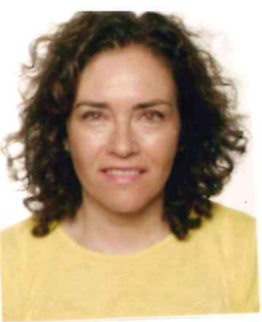
Belén de Andrés Muguruza
Research Scientist
ORCID code: 0000-0002-7391-2823
Graduated in Biology in 1987 and PhD in 1992 from the Autonomous University of Madrid. He completed his doctoral thesis in the laboratory of Dr. Carlos Lahoz in the Immunology department of the Jiménez Díaz Foundation with a pre-doctoral stay at the Institute Curie in Paris, in the laboratory of Dr. Wolf H. Fridman. Subsequently, he completed a two-year postdoctoral stay in the Department of Pathology of the College of Medicine at the University of Iowa, USA, in the laboratory of Dr. Richard G. Lynch. After a year as an Adjunct in the Immunology department of the Jiménez Diaz Foundation, she worked for 2 years with a reinstatement contract from the Ministry of Science in the Immunobiology department of the CNM/ISCIII in the laboratory of Dr. Mª Luisa Gaspar and later with a Ramón y Cajal contract. In 2006 she obtained a position as Staff Senior Scientist.
-
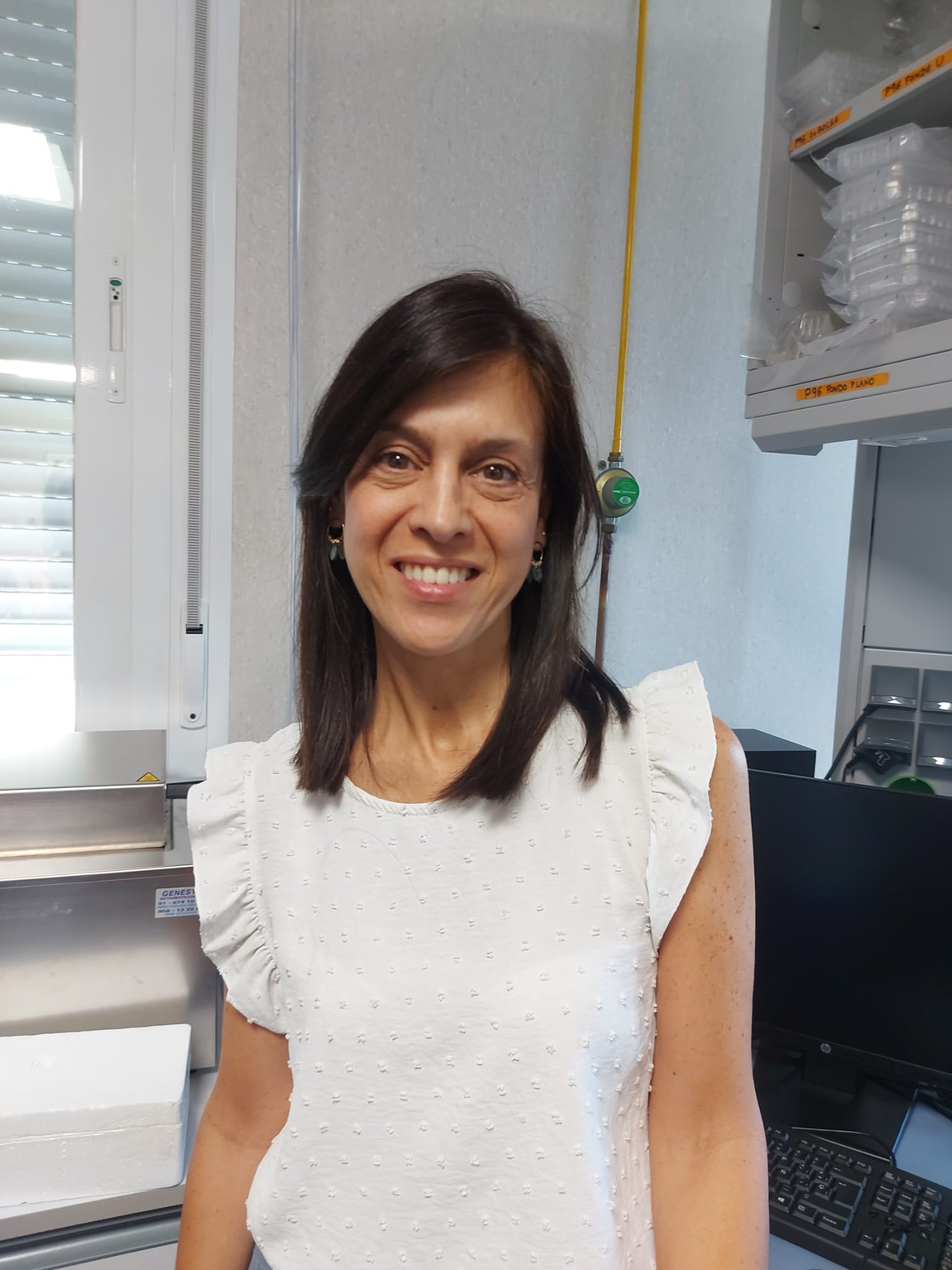
Isabel Cortegano Jimeno
Research Scientist
ORCID code: 0000-0002-6504-6347
Graduated in Biology in 1995 (Specialty in Biochemistry and Molecular Biology) and PhD in 1999 from the Autonomous University of Madrid. He completed his doctoral thesis at the Jiménez Díaz Foundation in the Immunology laboratory directed by Dr. Carlos Lahoz. Later he obtained a postdoctoral fellowship in the Immunobiology laboratory of Dr. Mª Luisa Gaspar at the National Center of Microbiology (CNM) of the Carlos IIII Health Institute (ISCIII) (2002-2006). He then enjoyed an I3P contract from the CSIC in the laboratory of Professor Miguel Ángel Rodríguez-Marcos (2007-2009). She has been a researcher associated with research projects in the ISCIII Immunobiology laboratory during the years 2010-2018. Since 2018 she has been an associate professor in the Department of Cell Biology of the UCM Faculty of Medicine. He coordinates the scientific dissemination group of the Spanish Society of Immunology (GESEI), is part of the editorial committee of the SEI magazine and is a member of the board of the CAM Immunology Society. She is a Senior Scientist of the ISCIII at the National Center for Microbiology since 2020.
-

Carolina Ruiz Sánchez
Specialized Technician
ORCID code: 0000-0002-2177-8132
Graduated in Chemical Sciences (biochemistry specialty) in 1998 and PhD in 2022 from the Complutense University of Madrid. In 2008 he joined the OPIS Assistant in the Immunobiology laboratory of the National Center for Microbiology of the ISCIII, specializing in flow cytometry the first year and subsequently becoming part of the laboratory's technical team. In 2012 he was promoted to Intermediate Level Technician and in 2018 to Higher Specialized Technician of the OPIS, currently occupying this position in the same laboratory.
-
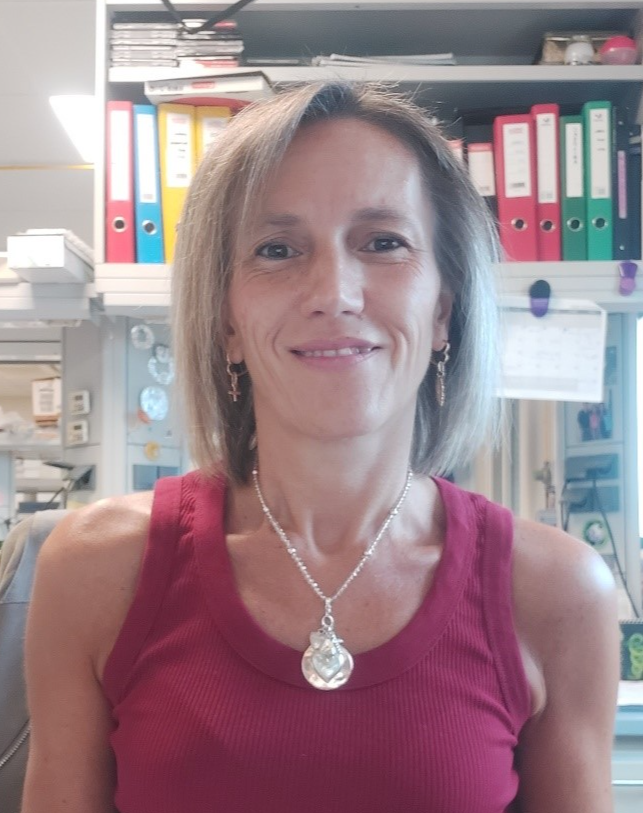
Mercedes Rodríguez García
Specialized Higher Technician
Graduated in Biology from the Complutense University of Madrid in 2003, she began her doctoral studies in the Bone Metabolism laboratory of the La Paz University Hospital.
In 2007 he joined as a Research Assistant at the Carlos III Health Institute, at the CNM, in the Transplant Immunology laboratory. After 5 years, he began working in the Immunobilology laboratory where he was promoted in 2018 to Specialized Technician, in 2024 to Senior Specialized Technician and where he currently continues to develop his professional career. -
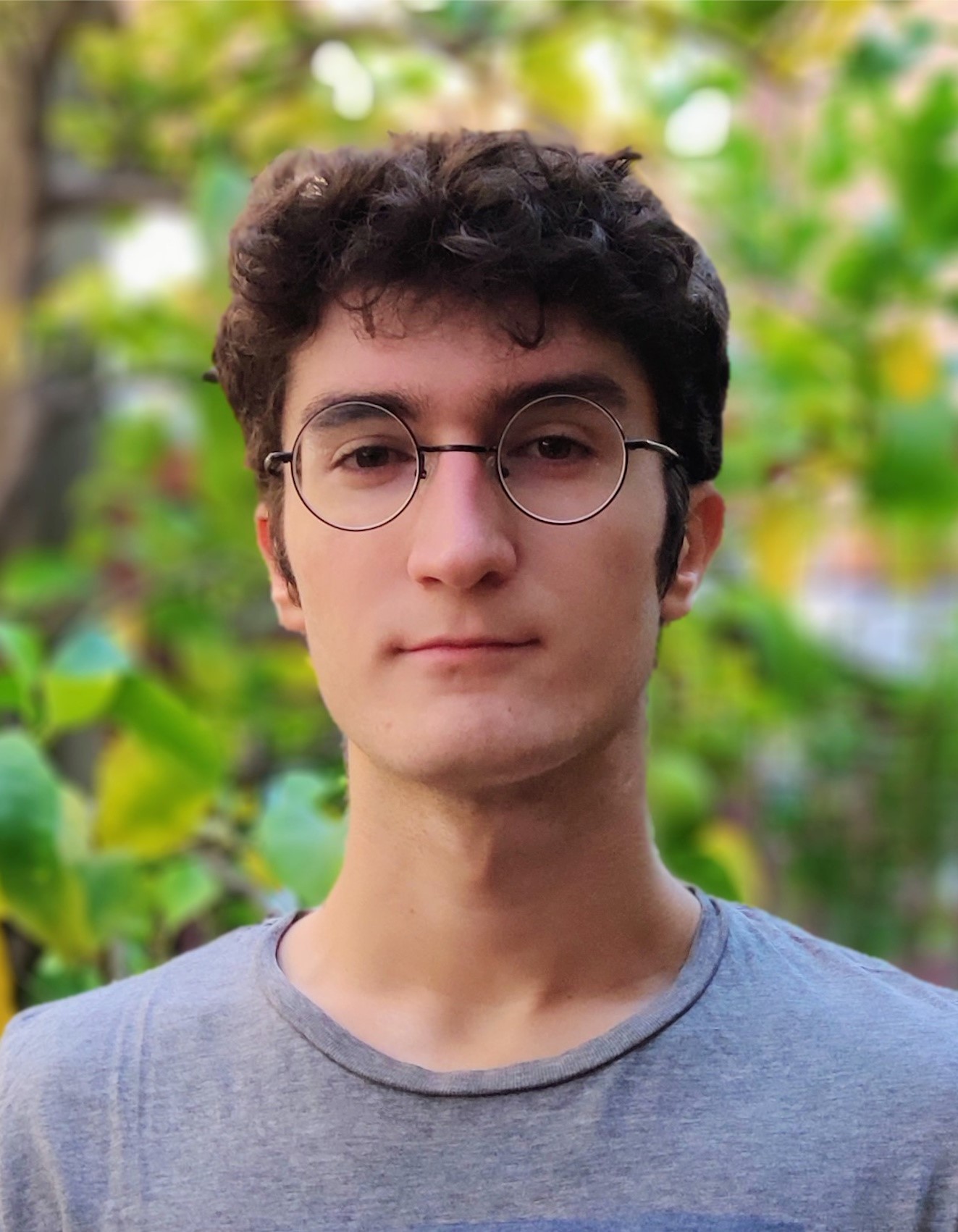
Alejandro Arrabal Sierra
Predoctoral Contract (Industrial Doctorate from CAM / Inmunotek).
ORCID code: 0000-0002-9354-9224
Graduated in Biotechnology in 2021 from the Polytechnic University of Madrid, carrying out his final degree project in the Immunobiology laboratory of the National Microbiology Center of the ISCIII. In 2021, he completed a Master's Degree in Research in Immunology at the Complutense University of Madrid and completed his master's thesis in the same CNM laboratory. Subsequently, he worked for a year as a Research Assistant in the laboratory of Dr. Elena Fernández Ruiz at the Hospital Universitario de la Princesa. Since the end of 2023, he has been a predoctoral fellow in the CNM Immunobiology laboratory with an Industrial Doctorate scholarship from the Community of Madrid in collaboration with the company Inmunotek.
-
Pilar Portolés Pérez
Científico Titular de OPIs. Jefa de Unidad
-
Begoña Galocha Iragüen
Científico Titular
-
Jordi Cano Ochando
Investigador principal
-
Patricia Conde Sanromán
Postdoctoral
-
Haisul Chang
Postdoctoral
-
María González Gómez
Estudiante de doctorado
-
Ana Belén Martin Ezquerra
Técnico especializada de OPIs
-
Soledad Crespo Carrasco
Técnico Contratada
-
Pilar Lauzurica Gómez
Investigador Principal
-
Daniel López Rodríguez
Investigador Principal
-
Elena Lorente Galán
Técnico Especializado de OPIS
-
Almudena Albentosa Cocho
Ayudante de Investigación
-
Carmen Mir Guerrero
Técnico de Laboratorio
-
Miguel Gómez Fontela
Contrato Predoctoral

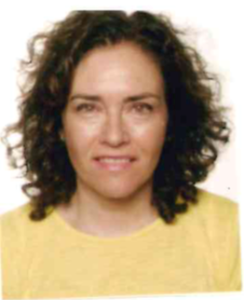


List of staff
Additional Information
The AIDS Immunopathology Unit has been coordinated since 2000 by Dr. José Alcamí, bringing together during its history more than 20 independent researchers who collaboratively study different aspects of HIV infection. During this years, more than 30 visiting researchers and more than 50 national and international students have passed through the unit. From the beginning of the year 2025, Javier García Pérez and Francisco Díez Fuertes assumed the coordination of the AIDS Immunopathology Unit, with the aim of projecting its scientific competitiveness following multidisciplinary approaches and through the maintenance of the current close collaborations, as well as the promotion of participation in new national and international research networks.
Historically, the current members of the unit have focused on different lines of basic research that include the study of antibodies and the development of vaccines against HIV-1, the study of viral entry and tropism of the virus or the study of the host through the genomic characterization of populations with an extreme phenotype. Currently, the activity of our unit in the field of HIV-1 is focused on three main lines:
1. Mecanismos moleculares asociados a la protección de la infección por VIH-1 en pacientes con distrofia muscular de cinturas dominante D2 (LGMDD2).
2. Generación de anticuerpos neutralizantes de uso terapéutico basados en la respuesta neutralizante de amplio espectro frente a virus fundadores.
3. Cribado y caracterización de nuevos fármacos anti-latencia frente al VIH-1.
A partir del año 2020, nuestra unidad se vuelca con la investigación sobre COVID-19, participando y liderando diferentes proyectos de investigación aplicada y clínica. Fruto de esta fuerte implicación en el campo, en la actualidad se mantienen diferentes estudios sobre la caracterización de la respuesta inmune frente a SARS-CoV-2, integrando diferentes técnicas de virología molecular, estrategias de inteligencia epidemiológica y tecnologías de célula única.
We also participate in different research consortiums and networks, such as the Spanish AIDS Research Network or the Center for Biomedical Research in Infectious Diseases Network (CIBER-INFEC), in which we participate as researchers in different lines and work packages within the research programs “Global Health, emerging and re-emerging infections” as well as “HIV/AIDS and sexually transmitted infections”.
Supervised doctoral theses
1. GENOMIC AND FUNCTIONAL ANALYSIS OF HIV-1 PROTECTION PARAMETERS IN PATIENTS WITH SLOW PROGRESSION OF INFECTION.
Student: Erick de la Torre Tarazona.
Supervisors: José Alcamí and Francisco Díez Fuertes.
Academic entity: Universidad Autónoma de Madrid.
Defense date: July 14th, 2020.
2. ANALYSIS OF MIARN EXPRESSION PROFILES AND FUNCTIONAL CHARACTERIZATION IN HIV-POSITIVE INDIVIDUALS WITH DIFFERENT PROGRESSION TO AIDS.
Student: Rubén Ayala Suárez.
Supervisors: José Alcamí and Francisco Díez Fuertes.
Academic entity: Universidad de Alcalá.
Defense date: June 12nd, 2023.
The AIDS Immunopathology Unit has been coordinated since 2000 by Dr. José Alcamí, bringing together during its history more than 20 independent researchers who collaboratively study different aspects of HIV infection. During this years, more than 30 visiting researchers and more than 50 national and international students have passed through the unit. From the beginning of the year 2025, Javier García Pérez and Francisco Díez Fuertes assumed the coordination of the AIDS Immunopathology Unit, with the aim of projecting its scientific competitiveness following multidisciplinary approaches and through the maintenance of the current close collaborations, as well as the promotion of participation in new national and international research networks.
Historically, the current members of the unit have focused on different lines of basic research that include the study of antibodies and the development of vaccines against HIV-1, the study of viral entry and tropism of the virus or the study of the host through the genomic characterization of populations with an extreme phenotype. Currently, the activity of our unit in the field of HIV-1 is focused on three main lines:
1. Mecanismos moleculares asociados a la protección de la infección por VIH-1 en pacientes con distrofia muscular de cinturas dominante D2 (LGMDD2).
2. Generación de anticuerpos neutralizantes de uso terapéutico basados en la respuesta neutralizante de amplio espectro frente a virus fundadores.
3. Cribado y caracterización de nuevos fármacos anti-latencia frente al VIH-1.
A partir del año 2020, nuestra unidad se vuelca con la investigación sobre COVID-19, participando y liderando diferentes proyectos de investigación aplicada y clínica. Fruto de esta fuerte implicación en el campo, en la actualidad se mantienen diferentes estudios sobre la caracterización de la respuesta inmune frente a SARS-CoV-2, integrando diferentes técnicas de virología molecular, estrategias de inteligencia epidemiológica y tecnologías de célula única.
We also participate in different research consortiums and networks, such as the Spanish AIDS Research Network or the Center for Biomedical Research in Infectious Diseases Network (CIBER-INFEC), in which we participate as researchers in different lines and work packages within the research programs “Global Health, emerging and re-emerging infections” as well as “HIV/AIDS and sexually transmitted infections”.
Supervised doctoral theses
1. GENOMIC AND FUNCTIONAL ANALYSIS OF HIV-1 PROTECTION PARAMETERS IN PATIENTS WITH SLOW PROGRESSION OF INFECTION.
Student: Erick de la Torre Tarazona.
Supervisors: José Alcamí and Francisco Díez Fuertes.
Academic entity: Universidad Autónoma de Madrid.
Defense date: July 14th, 2020.
2. ANALYSIS OF MIARN EXPRESSION PROFILES AND FUNCTIONAL CHARACTERIZATION IN HIV-POSITIVE INDIVIDUALS WITH DIFFERENT PROGRESSION TO AIDS.
Student: Rubén Ayala Suárez.
Supervisors: José Alcamí and Francisco Díez Fuertes.
Academic entity: Universidad de Alcalá.
Defense date: June 12nd, 2023.