



We protect your health through science
Investigation
AIDS Immunopathology
Research Lines
Content with Investigacion .
Virus entéricos
1. Vigilancia microbiológica y epidemiológica a nivel nacional de las infecciones causadas por enterovirus y parechovirus y de los casos de parálisis flácida aguda en menores de 15 años. Caracterización, asociación clínica y epidemiología molecular.
2. Investigación de los enterovirus y parechovirus que causan infecciones neurológicas y sistémicas severas en población pediátrica. Estudio de los factores virológicos implicados en la patogenicidad.
3. Estudio virológico de muestras ambientales (aguas residuales y tratadas para consumo) de la CAM.
4. Estudio virológico (diagnóstico y caracterización) de las infecciones gastrointestinales causadas por virus (norovirus, rotavirus y otros). Epidemiología molecular y caracterización de brotes.
Investigación y vigilancia de los poliovirus y la poliomielitis
El Laboratorio de Enterovirus (actualmente de Virus Entéricos) del CNM fue designado Laboratorio Nacional de Poliovirus en 1998 y desde entonces es certificado anualmente por la OMS, como parte del Plan Global de Erradicación de la Poliomielitis. Es responsable, junto a 3 laboratorios primarios en 3 CCAA, de la vigilancia de la poliomielitis a nivel nacional, estudiando e investigando (clínica, epidemiológica y virológicamente) todos los casos compatibles, incluidos los de parálisis flácida aguda en menores de 15 años (enfermedad de notificación obligatoria) para descartar la presencia y circulación de poliovirus en España.
Además, desde 1999 (y gracias a un convenio con el CYII) posee toda la infraestructura y metodología necesaria para realizar vigilancia medioambiental en aguas, tanto para medir la calidad de las aguas potables de ETAP, como para monitorizar la excreción de virus por parte de la población con el estudio de la presencia de poliovirus y otros enterovirus en aguas residuales de EDAR. Esto ha permitido que, a partir de marzo de este año, se estén realizando, además, ensayos de presencia de SARS-CoV-2 en las muestras procedentes de diferentes EDAR situadas en la CAM.
Investigación y referencia en infecciones por enterovirus y parechovirus
El Laboratorio también es Laboratorio de Referencia para las infecciones por Enterovirus y Parechovirus realizando: 1) el diagnostico virológico en muestras clínicas; 2) la caracterización de todos los enterovirus y parechovirus detectados (Programa de Vigilancia Microbiológica del CNM); 3) el desarrollo, mantenimiento y transferencia de métodos de diagnóstico y tipado, tanto moleculares como de cultivo viral; y 4) la investigación para profundizar en el conocimiento de aquellos virus implicados en casos de excepcional importancia clínica o epidemiológica. La larga experiencia del grupo en la propagación de cultivos virales de enterovirus y en técnicas celulares y moleculares de caracterización, ha permitido que el CNM posea una amplia colección de cepas, muy valiosa para la investigación de estos virus.
Investigación y referencia en infecciones gastrointestinales causadas por virus
Desde 2016, el laboratorio realiza: 1) el diagnostico virológico de Norovirus, Rotavirus, Adenovirus 40/41, Astrovirus y otros virus productores de gastroenteritis aguda en muestras clínicas; 2) el genotipado de los virus detectados y la caracterización de brotes; 3) el desarrollo y mantenimiento de métodos de diagnóstico y genotipado; y 4) la investigación básica y epidemiológica de aquellos virus de mayor importancia clínica.
Research projects
Content with Investigacion .
Proyectos de investigación financiados en los últimos 5 años
- Investigación de las infecciones neurológicas graves en niños causadas por enterovirus emergentes en España: EV-A71 y EV-D68 (PI18CIII/00017). Financiación: ISCIII. 2019-2021. IP: M. Cabrerizo
- Metagenomic sequencing to identify viral etiologies in undiagnosed cases of meningitis and encephalitis (PI20CIII/00005). Financiación: ISCIII. 2021-2023. IP: M.D. Fernández-García
- Investigación en infecciones por enterovirus y parechovirus que causan patologías neurológicas y sistémicas graves en población infantil (PI15CIII/00020). Financiación: ISCIII. 2016-2019. IP: M. Cabrerizo
- Aplicación de la secuenciación masiva para el diagnóstico de infecciones neurológicas de origen vírico no filiadas (PI-0216-2019). Financiación: Junta de Andalucía, Consejería de Salud y Familias. 2019-2021. IP: M.D. Fernández-García (2019)/ Ana Belen Pérez-Jiménez (2020-21)
- Epidemiología y patogenia molecular de los enterovirus y parechovirus asociados a sepsis e infecciones neurológicas en población infantil en España (PI12/00904). Financiación: ISCIII. 2013-2016. IP: M. Cabrerizo
Otros proyectos de investigación relevantes en los que ha colaborado o colabora el grupo
- Dinámica de colonización e infección por E. coli enteroagregativo en poblaciones pediátricas y su asociación con la composición de la microbiota intestinal mediante análisis metagenómico (PI18CIII/00043). Financiación: ISCIII. 2019-2021. IP: S. Sánchez
- Paving the way for implementing a syndromic diagnostic scheme at the CNM for the diagnosis of diarrhoea-causing pathogens in stool samples based on molecular and metagenomics methods (PI19CIII/00029). Financiación: ISCIII. 2020-2022. IP: D. Carmena
- Engineering lactobacilli for intranasal immunization against the emerging enterovirus D68 (EV-D68) infections and prevention of acute flaccid myelitis. Financiación: ESCMID. 2019-2020. IP: M.C. Póvoa-Cabral
- Análisis epidemiológico y virológico de los agentes virales incluidos en la vacuna triple vírica: nuevos retos (PI15CIII/00023). Financiación: ISCIII. 2016-2019. IP: F. de Ory/A. Fernández
- Epidemiología general y molecular de la hepatitis E en España: ¿una zoonosis emergente? (PI080865). Financiación: ISCIII. 2009-2012. IP: M. Fogeda
- Etiología de las meningitis y encefalitis víricas en España (PI07/90154). Financiación: ISCIII. 2008-2010. IP: F. de Ory
- Investigation of the dynamics and geography of the spread of recombinant forms of human enteroviruses (WT081173MA). Financiación: Wellcome Trust. 2007-2010. IP: P. Simmonds.
Convenios
- Servicios para la realización de estudios virológicos previstos en el agua procedentes para Canal de Isabel II-Gestión (MVP-207/18). Financiación: Canal de Isabel II. 2018-2021. IP: M. Cabrerizo
- Análisis virológico en muestras de aguas procedentes del Canal de Isabel II (MVI-1005/99). Financiación: Canal de Isabel II. 2016-2017. IP: M. Cabrerizo
Publications
Prolonged Zika Virus Viremia during Pregnancy
7. Anna Suy; Elena Sulleiro; Carlota Rodó; Élida Vázquez; Cristina Bocanegra; Israel Molina; Juliana Esperalba; María P Sánchez Seco; Hector Boix; Tomás Pumarola; Elena Carreras. Prolonged Zika Virus Viremia during Pregnancy. The New England journal of medicine. 375 - 26, pp. 2611 - 2613. 29/12/2016. ISSN 1533-4406
PUBMED DOIRibavirin Had Demonstrable Effects on the Crimean-Congo Hemorrhagic Fever Virus (CCHFV) Population and Load in a Patient With CCHF Infection
9. Nicole Espy; Unai Pérez-Sautu; Eva Ramírez de Arellano; Anabel Negredo; MR Wiley; S Bavari; Marta Díaz Manéndez; María Paz Sánchez-Seco; Gustavo Palacios. Ribavirin Had Demonstrable Effects on the Crimean-Congo Hemorrhagic Fever Virus (CCHFV) Population and Load in a Patient With CCHF Infection. J Infect Dis. 217 - 12, pp. 1952 - 1956. 25/05/2018.
PUBMED DOIAcute respiratory distress syndrome after convalescent plasma use: treatment of a patient with Ebola virus disease contracted in Madrid, Spain.
10. M Mora-Rillo, M Arsuaga, G Ramírez-Olivencia, F de la Calle, A M Borobia, P Sánchez-Seco, M Lago, J C Figueira, B Fernández-Puntero, A Viejo, A Negredo, C Nuñez, E Flores, A J Carcas, V Jiménez-Yuste, F Lasala, A García-de-Lorenzo, F Arnalich, J R Arribas, for the La Paz-Carlos III University Hospital Isolation Unit. Acute respiratory distress syndrome after convalescent plasma use: treatment of a patient with Ebola virus disease contracted in Madrid, Spain. Lancet Respir Med. 3-7, pp:554-562. 31/05/2015
PUBMED DOIViral infections of the central nervous system in Spain: a prospective study.
1. F. de Ory, A. Avellón, J.E. Echevarría, M.P. Sánchez-Seco, G. Trallero, M. Cabrerizo, I. Casas, F. Pozo, G. Fedele, D. Vicente, M. J. Pena, A. Moreno, J. Niubo, N. Rabella, G. Rubio, M. Pérez Ruiz, M. Rodríguez-Iglesias, C. Gimeno, J.M. Eiros, S. Melón, M. Blasco, I. López-Miragaya, E. Varela, A. Martinez-Sapiña, G. Rodríguez, M.Á. Marcos, M.I. Gegúndez, G. Cilla, I. Gabilondo, J.M. Navarro, J. Torres, C. Aznar, A. Castellanos, M.E. Guisasola, A.I. Negredo, A. Tenorio, S. Vázquez-Morón (2013). Viral Infections of the Central Nervous System in Spain: a prospective Study. JOURNAL OF MEDICAL VIROLOGY 85: 554-562.
PUBMED DOIFirst case of imported Zika virus infection in Spain
4. P. Bachiller-Luque, M. Dominguez-Gil-González, J. Alvarez-Manzanares, A. Vázquez, F. de Ory, M.P. Sánchez-Seco Fariñas (2016). First case of Zika virus infection imported to Spain (original breve). ENFERMEDADES INFECCIOSAS Y MICROBIOLOGÍA CLÍNICA, 34: 243-246.
PUBMED DOIChikungunya virus infections among travellers returning to Spain, 2008 to 2014.
5. M.D. Fernandez-Garcia, M. Bangert, F. de Ory, A. Potente, L. Hernández, F. Lasala, L. Herrero, F. Molero, A. Negredo, A. Vázquez, T. Minguito, P. Balfagón, J. de la Fuente, S. Puente, E. Ramírez de Arellano, M. Lago, M.J. Martinez, J. Gascón, F. Norman, R. Lopez-Velez, E. Sulleiro, D. Pou, N. Serre, R. Fernández-Roblas, A. Tenorio, L. Franco, M.P. Sánchez-Seco (2016). Chikungunya virus infections among travelers returning to Spain, 2008-2014. EUROSURVEILLANCE 2016; 21(36):pii=30336.
PUBMED DOIComparison of commercial methods of immunoblot, ELISA, and chemiluminescent immunoassay for detecting type-specific herpes simplex viruses-1 and -2 IgG.
7. F. de Ory, M.E. Guisasola, P. Balfagón, J.C. Sanz. 2018. Comparison of commercial methods of immunoblot, ELISA, and chemiluminescent immunoassay for detecting type-specific herpes simplex viruses-1 and -2 IgG. JOURNAL OF CLINICAL LABORATORY ANALYSIS; 32:e22203.
PUBMED DOIGenomic non-coding regions reveal hidden patterns of mumps virus circulation in Spain, 2005 to 2015.
8. A.M. Gavilán, A. Fernández-García, A. Rueda, A. Castellanos, J. Masa-Calles, N. López-Perea, M.V. Torres de Mier, F. de Ory, J.E. Echevarría. 2018. Genomic non-coding regions reveal hidden patterns of mumps virus circulation in Spain, 2005 to 2015. EUROSURVEILLANCE, 2018;23(15):pii=17-00349.
PUBMED DOIComparative evaluation of indirect immunofluoresecence and NS-1 based ELISA for the determination of Zika virus specific IgM.
9. F. de Ory, M.P. Sánchez-Seco, A. Vázquez, M.D. Montero, E. Sulleiro, M.J. Martinez, L. Matas, F.J. Merino, and Working Group for the Study of Zika Virus Infections (WGSZVI). 2018. Comparative evaluation of indirect immunofluoresecence and NS-1 based ELISA for the determination of Zika virus specific IgM. VIRUSES 10, 379
PUBMED DOIMeasles virus genotype D4 strains with non-standard genome lengths circulated during the large outbreaks in Spain in 2011-2012
10. H. Gil, A. Fernández-García, M.M. Mosquera, J.M. Hübschen, A. Castellanos, F. de Ory, J. Masa, J.E. Echevarria. 2018. Measles virus genotype D4 strains with non-standard length M-F non-coding region circulated during the major outbreaks of 2011-2012 in Spain. PLOS ONE July 16, 2018.
PUBMED DOIHepatitis E genotype 3 genome: A comprehensive analysis of entropy, motif conservation, relevant mutations, and clade-associated polymorphisms
• Muñoz-Chimeno M, Rodríguez-Paredes V, García-Lugo MA, Avellón A. Hepatitis E genotype 3 genome: A comprehensive analysis of entropy, motif conservation, relevant mutations, and clade-associated polymorphisms. Front Microbiol. 2022 Oct 6;13:1011662.
PUBMED DOIFrecuencia de sustituciones relevantes asociadas a resistencia en la región NS5A a elbasvir en el virus de la hepatitis C en pacientes con genotipo 1a en España
Palladino C, Esteban-Cartelle B, Mate-Cano I, Sánchez-Carrillo M, Resino S, Briz V. Frecuencia de sustituciones relevantes asociadas a resistencia en la región NS5A a elbasvir en el virus de la hepatitis C en pacientes con genotipo 1a en España Enferm Infecc Microbiol Clin. 2018; 36 (5): 262-267
PUBMED DOIProline-Rich Hypervariable Region of Hepatitis E Virus: Arranging the Disorder.
• Muñoz-Chimeno M, Cenalmor A, García-Lugo MA, Hernandez M, David Rodríguez-Lazaro D, Avellón A. Proline-Rich Hypervariable Region of Hepatitis E Virus: Arranging the Disorder. Microorganisms. 2020 Sep 15;8(9):1417.
PUBMED DOIClinical performance of Determine HBsAg 2 rapid test for Hepatitis B detection.
• Avellón A, Ala A, Diaz A, Domingo D, González R, Hidalgo L, Kooner L, Loganathan S, Martin D, McPherson S, Muñoz-Chimeno M, Ryder S, Gabrielle Slapak G, Ryan P, Valbuena M, Kennedy PT. Clinical performance of Determine HBsAg 2 rapid test for Hepatitis B detection. J Med Virol. 2020 Apr 9.
PUBMED DOIHepatitis E virus genotype 3 microbiological surveillance by the Spanish Reference Laboratory: geographic distribution and phylogenetic analysis of subtypes from 2009 to 2019.
• Muñoz-Chimeno M, Bartúren S, García-Lugo MA, Morago L, Rodríguez A, Galán JC, Pérez-Rivilla A, Rodríguez M, Millán R, Del Álamo M, Alonso R, Molina L, Aguinaga A, Avellón A. Hepatitis E virus genotype 3 microbiological surveillance by the Spanish Reference Laboratory: geographic distribution and phylogenetic analysis of subtypes from 2009 to 2019. Euro Surveill. 2022 Jun;27(23):2100542.
PUBMED DOIHepatitis E virus: Assessment of the epidemiological situation in humans in Europe
• Adlhoch C, Avellón A, Baylis SA, Ciccaglione AR, Couturier E, de Sousa R, Epštein J, Ethelberg S, Faber M, Fehér A, Ijaz S, Lange H, Manďáková Z, Mellou K, Mozalevskis A, Rimhanen-Finne R, Rizzi V, Said B, Sundqvist L, Thornton L, Tosti ME, van Pelt W, Aspinall E, Domanovic D, Severi E, Takkinen J, Dalton HR. Hepatitis E virus: Assessment of the epidemiological situation in humans in Europe, 2014/15. J Clin Virol. 2016 Sep;82:9-16.
PUBMED DOIContent with Investigacion .
-
Concepción Casado Herrero
Tenure Scientist of Public Research Organizations (OPIs)
ORCID code: 0000-0003-3412-2877
-
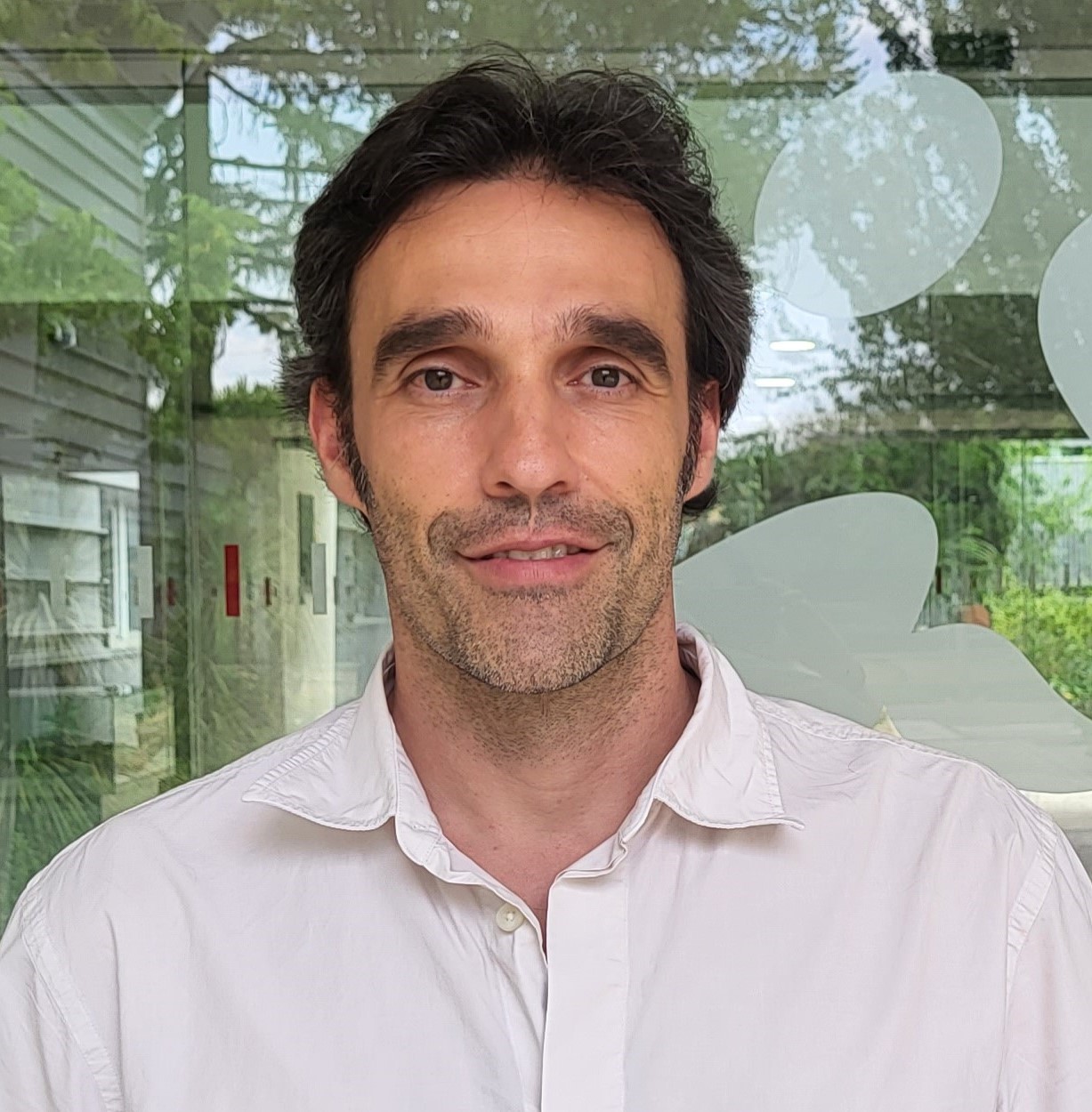
Javier García Pérez
Investigador Doctor
ORCID code: 0000-0001-7551-7803
Graduated in Biochemistry (1999) and Molecular Biology (2000) from the Autonomous University of Madrid (UAM), he obtained a predoctoral fellowship “ISCIII” in the AIDS Immunopathology laboratory, where he developed new techniques based on recombinant viruses. His doctoral thesis focused on the application of this technological development to the study of the replicative capacity of HIV-1 and its resistance to antiretroviral drugs, obtaining the degree of Doctor of Science from the UAM in 2007.
Thanks to a short postdoc in 2008 and several stays between 2009 and 2015 at the Viral Pathogenesis Unit of the Institut Pasteur in Paris he extended his training in the study of HIV-1 envelope and tropism. Between 2015 and 2019 he rejoins the AIDS Immunopathology Unit at ISCIII, focusing his work on the study of the functional capacity of founder viruses, as well as variants of the virus with interest in Public Health due to its recent expansion in our country. He is currently leading a project on the study of a mutation in transportin 3 observed in patients with a very rare muscular dystrophy (LGMDD2) that confers protection against HIV-1 infection.
During the last 5 years he combines this activity in HIV-1 with the participation and leadership of different clinical trials and studies investigating the immunity generated in people vaccinated against SARS-CoV-2 infection.
Since 2024 he is a “Investigador Doctor fuera de Convenio” at the Spanish National Centre of Microbiology and he currently coordinates together with Dr. Francisco Díez Fuertes the AIDS Immunopathology Unit.
-
Miguel Thomson
Research Professor. Head of Unit
-

Eloisa Yuste Herranz
Staff Scientist
ORCID code: 0000-0002-9484-9974
She holds a Bachelor's and a Ph.D. in Biological Sciences from the Complutense University of Madrid. She completed her first postdoctoral stay (1998–2001) at the “Severo Ochoa” Molecular Biology Center (Madrid). In 2001, she undertook a second postdoctoral stay at Harvard Medical School (USA), where she was promoted to Associate Researcher in 2005.
In 2008, she joined the August Pi i Sunyer Biomedical Research Institute (Barcelona) as a Ramón y Cajal Researcher, later being promoted to I3 Researcher in 2011 at the same institution. In 2016, she joined the National Center for Microbiology at the Carlos III Health Institute (Madrid) as a Distinguished Researcher. In 2018, she was promoted to Tenured Scientist at the same institution.
Her research has focused on the study of humoral immunity against HIV-1 and the development of preventive HIV-1 vaccine prototypes. She is currently co-leading, alongside Dr. Víctor Sánchez Merino, the newly established Humoral Immunity and HIV Vaccines Unit.
-
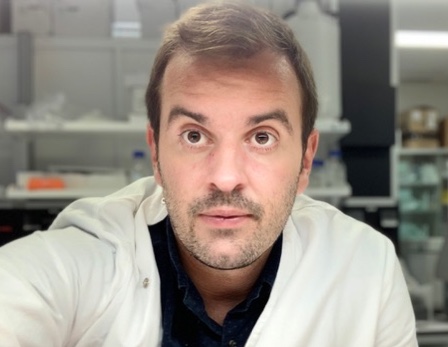
Francisco Díez Fuertes
Investigador Doctor Indefinido
ORCID code: 0000-0003-2413-9229
Degree in Biology from the University of León, PhD specialized in molecular virology from the Complutense University of Madrid in 2010 and master's degree in bioinformatics and computational biology from the same university in 2012. He has done research stays at University of Illinois at Urbana Champaign (USA) in 2010, Nebraska Center for Virology (USA) in 2011, Institut Pasteur (France) in 2013 and J. Craig Venter Institute (USA) in 2015-2016.
He joined the AIDS Immunopathology Unit in 2013 with a contract from the “Sara Borrell” postdoctoral program. After a period at the August Pi i Sunyer Biomedical Research Institute in Barcelona he rejoins the AIDS Immunopathology Unit in 2020 as a PhD researcher.
His lines of research have focused on the genomic and transcriptomic characterization of extreme phenotypes in HIV-1 infection, including long-term non-progressors and elite controllers. He collaborates with other laboratories of the center in the analysis of outbreaks caused by viruses with interest in Public Health, as well as in evolutionary studies on genomic epidemiology. Since 2020 he has led different clinical studies on COVID-19. Currently, he combines omics sciences with different bioinformatics tools to answer different scientific questions in the field of virology, especially in HIV-1 and SARS-CoV-2 research. He currently coordinates together with Dr. Javier García Pérez the AIDS Immunopathology Unit.
-
María Pernas Escario
Senior Specialized Technician of Public Research Organizations (OPIs)
ORCID code: 0000-0003-2966-0160
-
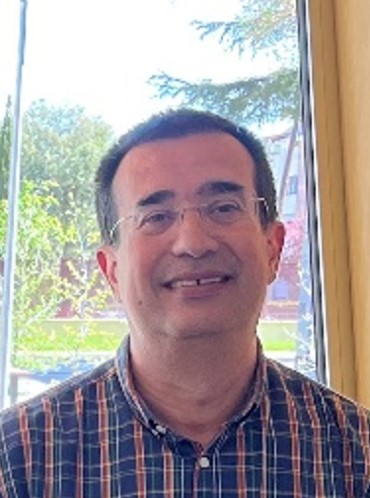
Victor Sánchez Merino
Distinguished Scientist
ORCID code: 0000-0001-9400-427X
He holds a Bachelor's and a Ph.D. in Pharmacy from the Complutense University of Madrid, specializing in virology and molecular biology. His research has focused on the study of HIV and EBV. His doctoral thesis addressed the evolution of HIV-1 and the restoration of mutant HIV-1 reverse transcriptase function.
He completed a postdoctoral stay at Harvard University, investigating new viral interactions (2001–2003). At the University of Massachusetts, he explored CD8+ T lymphocyte responses in vertical HIV transmission (2003–2008).
In Spain, at the Hospital Clínico-IDIBAPS (Barcelona; 2008–2017) and the Carlos III Health Institute (Madrid; 2017–Present), he has led research on HIV-1 neutralizing antibodies and the design of preventive vaccines.He is currently co-leading, alongside Dr. Eloísa Yuste Herranz, the newly established Humoral Immunity and HIV Vaccines Unit. Additionally, he is a professor and principal investigator at Alfonso X el Sabio University (Madrid).
-

Nuria González Fernández
Investigadora Contratada indefinida
ORCID code: 0000-0002-0087-5144
She completed her PhD in 2007 (Universidad Autónoma de Madrid), focused on the development of an envelope recombinant virus system to characterize HIV-1 tropism, as well as on the study of the role of the chemokine CXCL12 in virus propagation at the infectious synapse. Part of this work was carried out in the laboratory of Dr. Quentin Sattentau at the University of Oxford.
During her postdoctoral period, she expanded her research on the mechanisms of HIV entry and specialized in the study of the neutralizing response. She developed a system to measure neutralizing activity, which has been used in clinical trials of HIV vaccine candidates. During a stay at the Vaccine Research Center, NIH (USA), she acquired experience in various techniques for the characterization of broadly neutralizing antibodies, leading to new collaborations and research projects, which she is currently developing in the AIDS Immunopathology Unit of the Carlos III Health Institute.
She has participated in research networks such as EAVI2020 (co-PI), CIBERINFEC, RIS and EUROPRISE (EU). Since 2014 she is a professor of the Master in Microbiology applied to Public Health and Infectious Diseases Research at the University of the University of Alcalá and, since 2023, of the Master in Human Immunodeficiency Virus Infection at the University Rey Juan Carlos.
-

Almudena Rubio Perez
Research Assistant
ORCID code: 0009-0006-4687-7555
Graduated in Biochemistry from the University of Córdoba (Andalusia, Spain) with a master's degree in Biomedicine from the University of Cádiz (Andalusia, Spain). She is currently part of the Humoral Immunity and HIV Vaccines Unit (IHV) at the National Center for Microbiology (CNM) under a Youth Guarantee contract funded by the Community of Madrid and is pursuing a Ph.D. in the Microbiology and Parasitology program at the Complutense University of Madrid.
-
Virginia Sandonís Martín
Senior Specialized Technician of Public Research Organizations (OPIs)
ORCID code: 0000-0001-5762-7531
-
Mercedes Bermejo Herrero
Investigadora post-doctoral contratada
ORCID code: 0000-0001-9909-8578
Degree and PhD in Biological Sciences (Biochemistry and Molecular Biology) from the Autonoma University of Madrid. Her doctoral thesis studied the expression of CXCR4 and SDF-1/CXCL12 in lymphocytes and dendritic cells and their implications in HIV-1 infection.
She has completed internships in various laboratories: the Immunology Department of the Gregorio Marañón University Hospital in Madrid, the Research Center of the 12 de Octubre University Hospital in Madrid (where she was head of the flow cytometry service) and is currently at the CNM (National Research Center) of the Carlos III Health Institute.
Her research interests have focused on the study of HIV biology and its interaction with the immune system. She has currently participated in clinical trials, CombiVacs and ENE-Covid Senior, and in collaboration with Hipra.
-
Rosa Fuentes Fernández
Laboratory Technician
-

Rubén Ayala Suárez
Técnico Superior Especializado OPI
ORCID code: 0000-0002-1271-646.
Graduated in Biotechnology from the University of Cadiz (2015), Master in Microbiology of Infectious Diseases (2016) and PhD in Functional Biology from the University of Alcalá (2023). He carried out his PhD Thesis at the AIDS Immunopathology laboratory (CNM) on post-translational epigenetic mechanisms of natural control of HIV infection. In the same period, he completed a Diploma in Bioinformatics at Pablo de Olavide University (2021).
In 2023 he joined as a postdoctoral researcher in the HIV and AIDS research group at the August Pi i Sunyer Biomedical Research Institute (Barcelona), where he worked on the relationship of HIV and senescence until his incorporation as a Técnico Superior Especializado in the AIDS Immunopathology unit of the Spanish National Center of Microbiology (ISCIII) in 2025.
The main research projects in which he participates focus on resistance and natural control to HIV infection, as well as the evaluation of the immune response in vaccine trials, using mainly bioinformatics techniques focused on massive sequencing (RNA-Seq, single-cell, genome sequencing), the application of biostatistics and machine learning in data management.
-
-

Almudena Cascajero Díaz
Técnico de laboratorio
ORCID code: 0000-0002-9654-3100
Técnico Superior de Actividades Técnicas y Profesionales (Unidades de Inmunopatología del SIDA y Legionella, Centro Nacional de Microbiología). Clinical Diagnostic Laboratory Technician by IES Renacimiento de Madrid.
Experience in cloning techniques and characterization of neutralizing antibodies and participation in different projects on the pathogenesis of HIV by studying the viral envelope and the mechanisms of resistance to antiretroviral drugs. This experience has subsequently allowed me to participate in 5 multicenter clinical studies studying the immune response against different variants of SARS-CoV-2.
Since 2021, I also participate as a laboratory technician in the Legionella Unit as a support to the Spanish National Health System through the microbiological surveillance of the disease to contribute to the prevention and control of legionellosis.
-

Manuela Beltrán Vicente
Técnico de Laboratorio Indefinido
ORCID code: 0000-0001-6185-2280
Senior Technician of Technical and Professional Activities (AIDS Immunopathology Unit, Spanish National Center of Microbiology).
Clinical Analysis Laboratory Specialist Technician by IES Las Musas (Madrid, 1996). Demonstrated experience in the development of strategies against HIV, focused on the screening of compounds of both natural and synthetic origin with antiviral activity and identification and evaluation of potential therapeutic agents, as well as the screening of serological samples for the study of immunity for the identification of possible strategies for the development of vaccines against HIV. -

Silvia Jara Herrera
Técnico de Laboratorio Contratado CIBERINFEC
ORCID code: 0009-0001-2842-2040
Clinical and Biomedical Diagnostic Laboratory Technician.
She is currently working in the AIDS Immunopathology Unit of the Spanish National Center of Microbiology (ISCIII) with a contract through the Spanish Biomedical Research Networking Centre in Infectious Diseases (CIBER-INFEC).
She worked from March 2020 to September 2024 at the Department of Animal Health (Faculty of Veterinary Medicine) of the Universidad Complutense de Madrid.
She has experience in serological techniques (ELISA, Western Blot and IFA), cell culture and molecular biology.
-

Irene Díaz Marín
Técnico de laboratorio contratado
Clinical and Biomedical Diagnostics laboratory technician by CIFP Politécnico de Murcia-CESUR and graduated in Journalism from the Complutense University of Madrid.
She is currently at the AIDS Immunopathology Unit of the Spanish National Center of Microbiology with a contract of the “Garantía Juvenil” program (Community of Madrid), where she performs technical tasks in several research projects about HIV-1 and COVID-19.
-

Lorena Vigón Hernandez
Tenured Specialized Technician from OPIs
ORCID code: 0000-0002-6405-4054
Graduate in Health Biology and PhD in Health Sciences from the University of Alcalá de Henares. In 2016, she joined the CNM-ISCIII under a Youth Guarantee contract funded by the Community of Madrid, and in 2018 she was awarded a pFIS fellowship, which enabled her to remain at the same institution. Subsequently, in 2022, she was appointed as a Tenured Specialized Technical Staff of the Spanish Public Research Organizations (OPIs).
Her research has primarily focused on elucidating the mechanism of action of tyrosine kinase inhibitors in HIV-1 infection (PMID: 32828803; PMID: 34186065), as well as on the identification of biomarkers that could predict COVID-19 severity (PMID: 34616404; PMID: 34122423; PMID: 35960731).
She is currently a member of the recently established Humoral Immunity and HIV Vaccines Unit, led by Dr. Eloisa Yuste and Dr. Victor Sanchez-Merino.
Actualmente forma parte de la recientemente creada Unidad de Inmunidad Humoral y Vacunas frente al VIH, liderada por la Dra. Eloísa Yuste Herranz y el Dr. Víctor Sánchez Merino.
-
Laura Capa Muñoz
Investigadora post-doctoral contratada
ORCID code: 0000-0002-0234-331X
Degree in Biological Sciences from the Universidad Autónoma de Madrid and PhD from the Universidad Complutense de Madrid, she has a master's degree in AIDS (Universidad Complutense de Madrid) and a master's degree in HIV infection (Universidad Rey Juan Carlos de Madrid).
Professional activity developed mainly in the study of infectious diseases, both in the field of basic research in public research centers and in the pharmaceutical industry, as well as in the field of public health and scientific management. She has worked in the international response to the HIV pandemic, representing the Ministry of Health as an expert in meetings of the European Commission and collaborated with the WHO. At the Instituto de Salud Carlos III, she has led the scientific management of national and European projects in the AIDS Immunopathology Unit and has been part of the Institute's Data Protection Working Group. Currently, she continues to coordinate the Cohort of Long-Term Non-Progressing Patients created by the Spanish AIDS Research Network (RIS), is part of the coordination team of the PhD Program in Biomedical Sciences and Public Health IMIENS-UNED-ISCIII and of the Institute's Working Group on Equality.

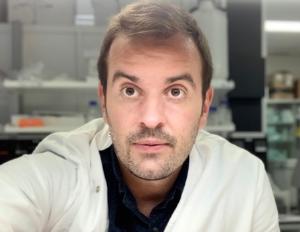


List of staff
Additional Information
The AIDS Immunopathology Unit has been coordinated since 2000 by Dr. José Alcamí, bringing together during its history more than 20 independent researchers who collaboratively study different aspects of HIV infection. During this years, more than 30 visiting researchers and more than 50 national and international students have passed through the unit. From the beginning of the year 2025, Javier García Pérez and Francisco Díez Fuertes assumed the coordination of the AIDS Immunopathology Unit, with the aim of projecting its scientific competitiveness following multidisciplinary approaches and through the maintenance of the current close collaborations, as well as the promotion of participation in new national and international research networks.
Historically, the current members of the unit have focused on different lines of basic research that include the study of antibodies and the development of vaccines against HIV-1, the study of viral entry and tropism of the virus or the study of the host through the genomic characterization of populations with an extreme phenotype. Currently, the activity of our unit in the field of HIV-1 is focused on three main lines:
1. Mecanismos moleculares asociados a la protección de la infección por VIH-1 en pacientes con distrofia muscular de cinturas dominante D2 (LGMDD2).
2. Generación de anticuerpos neutralizantes de uso terapéutico basados en la respuesta neutralizante de amplio espectro frente a virus fundadores.
3. Cribado y caracterización de nuevos fármacos anti-latencia frente al VIH-1.
A partir del año 2020, nuestra unidad se vuelca con la investigación sobre COVID-19, participando y liderando diferentes proyectos de investigación aplicada y clínica. Fruto de esta fuerte implicación en el campo, en la actualidad se mantienen diferentes estudios sobre la caracterización de la respuesta inmune frente a SARS-CoV-2, integrando diferentes técnicas de virología molecular, estrategias de inteligencia epidemiológica y tecnologías de célula única.
We also participate in different research consortiums and networks, such as the Spanish AIDS Research Network or the Center for Biomedical Research in Infectious Diseases Network (CIBER-INFEC), in which we participate as researchers in different lines and work packages within the research programs “Global Health, emerging and re-emerging infections” as well as “HIV/AIDS and sexually transmitted infections”.
Supervised doctoral theses
1. GENOMIC AND FUNCTIONAL ANALYSIS OF HIV-1 PROTECTION PARAMETERS IN PATIENTS WITH SLOW PROGRESSION OF INFECTION.
Student: Erick de la Torre Tarazona.
Supervisors: José Alcamí and Francisco Díez Fuertes.
Academic entity: Universidad Autónoma de Madrid.
Defense date: July 14th, 2020.
2. ANALYSIS OF MIARN EXPRESSION PROFILES AND FUNCTIONAL CHARACTERIZATION IN HIV-POSITIVE INDIVIDUALS WITH DIFFERENT PROGRESSION TO AIDS.
Student: Rubén Ayala Suárez.
Supervisors: José Alcamí and Francisco Díez Fuertes.
Academic entity: Universidad de Alcalá.
Defense date: June 12nd, 2023.
The AIDS Immunopathology Unit has been coordinated since 2000 by Dr. José Alcamí, bringing together during its history more than 20 independent researchers who collaboratively study different aspects of HIV infection. During this years, more than 30 visiting researchers and more than 50 national and international students have passed through the unit. From the beginning of the year 2025, Javier García Pérez and Francisco Díez Fuertes assumed the coordination of the AIDS Immunopathology Unit, with the aim of projecting its scientific competitiveness following multidisciplinary approaches and through the maintenance of the current close collaborations, as well as the promotion of participation in new national and international research networks.
Historically, the current members of the unit have focused on different lines of basic research that include the study of antibodies and the development of vaccines against HIV-1, the study of viral entry and tropism of the virus or the study of the host through the genomic characterization of populations with an extreme phenotype. Currently, the activity of our unit in the field of HIV-1 is focused on three main lines:
1. Mecanismos moleculares asociados a la protección de la infección por VIH-1 en pacientes con distrofia muscular de cinturas dominante D2 (LGMDD2).
2. Generación de anticuerpos neutralizantes de uso terapéutico basados en la respuesta neutralizante de amplio espectro frente a virus fundadores.
3. Cribado y caracterización de nuevos fármacos anti-latencia frente al VIH-1.
A partir del año 2020, nuestra unidad se vuelca con la investigación sobre COVID-19, participando y liderando diferentes proyectos de investigación aplicada y clínica. Fruto de esta fuerte implicación en el campo, en la actualidad se mantienen diferentes estudios sobre la caracterización de la respuesta inmune frente a SARS-CoV-2, integrando diferentes técnicas de virología molecular, estrategias de inteligencia epidemiológica y tecnologías de célula única.
We also participate in different research consortiums and networks, such as the Spanish AIDS Research Network or the Center for Biomedical Research in Infectious Diseases Network (CIBER-INFEC), in which we participate as researchers in different lines and work packages within the research programs “Global Health, emerging and re-emerging infections” as well as “HIV/AIDS and sexually transmitted infections”.
Supervised doctoral theses
1. GENOMIC AND FUNCTIONAL ANALYSIS OF HIV-1 PROTECTION PARAMETERS IN PATIENTS WITH SLOW PROGRESSION OF INFECTION.
Student: Erick de la Torre Tarazona.
Supervisors: José Alcamí and Francisco Díez Fuertes.
Academic entity: Universidad Autónoma de Madrid.
Defense date: July 14th, 2020.
2. ANALYSIS OF MIARN EXPRESSION PROFILES AND FUNCTIONAL CHARACTERIZATION IN HIV-POSITIVE INDIVIDUALS WITH DIFFERENT PROGRESSION TO AIDS.
Student: Rubén Ayala Suárez.
Supervisors: José Alcamí and Francisco Díez Fuertes.
Academic entity: Universidad de Alcalá.
Defense date: June 12nd, 2023.