



We protect your health through science

Investigación
Cellular Immunology
Publicaciones destacadas
Viruses from a cluster of HIV-1 Elite controllers inherit viral characteristics associated with the clinical non-progressor phenotype
Casado C, Marrero-Hernández S, Márquez-Arce D, Pernas M, Marfil S, Borràs-Grañana F, Olivares I, Cabrera-Rodríguez R, Valera M-S, de Armas-Rillo L, Lemey P, Blanco J, Valenzuela-Fernández A, Lopez-Galíndez C. 2018. mBio 9:e02338-17.
PUBMED DOIPermanent control of HIV-1 pathogenesis in exceptional elite controllers: a model of spontaneous cure
Casado C, Galvez C, Pernas M, Tarancon-Diez L, Rodriguez C, Sanchez-Merino V, Vera M, Olivares I, De Pablo-Bernal R, Merino-Mansilla A, Del Romero J, Lorenzo-Redondo R, Ruiz-Mateos E, Salgado M, Martinez-Picado J, Lopez-Galindez C. Sci Rep. 2020 Feb 5,10(1):1902
PUBMED DOIHigh-Risk Sexual Practices Contribute to HIV-1 Double Infection Among Men Who Have Sex with Men in Madrid
Casado C, Pernas M, Rava M, Ayerdi O, Vera M, Alenda R, Jiménez P, Docando F, Olivares I, Zaballos A, Vicario JL, Rodríguez C, Del Romero J, Lopez-Galindez C. AIDS Res Hum Retroviruses. 2020 Nov, 36(11):896-904
PUBMED DOIIdentification of a Spanish HIV-1 Long Term Non-Progressor cluster infected with a low replicating virus
Concepción Casado, Maria Pernas, Virginia Sandonis, Tamara Alvaro-Cifuentes, Isabel Olivares, Rosa Fuentes, Lorena Martínez Prats, Eulalia Grau, Lidia Ruiz, Rafael Delgado, Carmen Rodríguez, Jorge del Romero, and Cecilio López-Galíndez. (2013). PLoS One. 8 (10):e77663.
PUBMED DOIImmunoescape of HIV-1 in Env-EL9 CD8 + T cell response restricted by HLA-B*14:02 in a Non progressor who lost twenty-seven years of HIV-1 control
Moyano A, Blanch-Lombarte O, Tarancon-Diez L, Pedreño-Lopez N, Arenas M, Alvaro T, Casado C, Olivares I, Vera M, Rodriguez C, Del Romero J, López-Galíndez C, Ruiz-Mateos E, Prado JG, Pernas M. Retrovirology. 2022 Mar 26,19(1):6
PUBMED DOIThe Characteristics of the HIV-1 Env Glycoprotein Are Linked with Viral Pathogenesis
Pérez-Yanes S, Pernas M, Marfil S, Cabrera-Rodríguez R, Ortiz R, Urrea V, Rovirosa C, Estévez-Herrera J, Olivares I, Casado C, Lopez-Galindez C, Blanco J, Valenzuela-Fernández A. Front Microbiol. 2022 Mar 24, 3:763039.
PUBMED DOIAnalysis of HIV-1 “in vitro” evolution through 3D real fitness landscapes constructed by Self Organizing Maps.
Ramón Lorenzo‐Redondo, Soledad Delgado, Federico Morán, and Cecilio Lopez‐Galindez. Analysis of HIV-1 “in vitro” evolution through 3D real fitness landscapes constructed by Self Organizing Maps. (2014) PLoS One. 9(2): e88579.
PUBMED DOIPhenotypic and molecular characterization of IMP-producing Enterobacterales in Spain: Predominance of IMP-8 in Klebsiella pneumoniae and IMP-22 in Enterobacter roggenkampii.
5. Phenotypic and molecular characterization of IMP-producing Enterobacterales in Spain: Predominance of IMP-8 in Klebsiella pneumoniae and IMP-22 in Enterobacter roggenkampii. Autores: Cañada-García JE, Grippo N, de Arellano ER, Bautista V, Lara N, Navarro AM, Cabezas T, Martínez-Ramírez NM, García-Cobos S, Calvo J, Cercenado E, Aracil B, Pérez-Vázquez M, Oteo-Iglesias J; Spanish IMP Study Group. Revista: Front Microbiol. 2022 Sep 28;13:1000787.
DOIHCV eradication with DAAs differently affects HIV males and females: A whole miRNA sequencing characterization
Valle-Millares D; Brochado-Kith O; Gómez-Sanz A; et al; Fernández-Rodríguez A (AC). (17/17). 2021. Biomedicine and Pharmacotherapy. Elsevier.
DOIOutbreak of invasive meningococcal disease caused by a meningococcus serogroup B expressing a rare porA genosubtype (19-54, 15), Spain, March to April 2024.
Abad R, Navarro C, García-Amil C, Montes M, Castañeda-García A, Cuadros JA, Galar A, Martin F, Mena E, Pérez de Madrid S, Román C, Soler M, Vázquez JA. Euro Surveill. 2025 Nov;30(44):2500222
PUBMED DOIT-Cell-Specific Loss of the PI-3-Kinase p110α Catalytic Subunit Results in Enhanced Cytokine Production and Antitumor Response.
1. Aragoneses-Fenoll L, Ojeda G, Montes-Casado M, Acosta-Ampudia Y, Dianzani U, Portolés P, Rojo JM. T-Cell-Specific Loss of the PI-3-Kinase p110α Catalytic Subunit Results in Enhanced Cytokine Production and Antitumor Response. Front. Immunol. 2018 Feb 27;9:332.
PUBMED DOIEssential in vitro diagnostics for advanced HIV and serious fungal diseases: international experts' consensus recommendations. Eur J Clin Microbiol Infect Dis. 2019 Sep
Bongomin F, Govender NP, Chakrabarti A, Robert-Gangneux F, Boulware DR, Zafar A, Oladele RO, Richardson MD, Gangneux JP, Alastruey-Izquierdo A, Bazira J, Boyles TH, Sarcarlal J, Nacher M, Obayashi T, Worodria W, Pasqualotto AC, Meya DB, Cheng B, Sriruttan C, Muzoora C, Kambugu A, Rodriguez Tudela JL, Jordan A, Chiller TM, Denning DW. Essential in vitro diagnostics for advanced HIV and serious fungal diseases: international experts' consensus recommendations. Eur J Clin Microbiol Infect Dis. 2019 Sep;38(9):1581-1584. doi: 10.1007/s10096-019-03600-4. PMID: 31175479.
PUBMED DOIPneumoviridae fusion proteins as immunogens to induce cross-neutralizing antibody responses
Olmedillas E, Cano O, Martinez I, Luque D, Terron MC, McLellan JS, et al. Chimeric Pneumoviridae fusion proteins as immunogens to induce cross-neutralizing antibody responses. EMBO Mol Med. 2018;10(2):175-87.
PUBMED DOIHigh-Quality Draft Genome of Babesia divergens, the Etiological Agent of Cattle and Human Babesiosis.
8. Cuesta I; González LM; Estrada K; Grande R; Zaballos A; Lobo CA; Barrera J; Sanchez-Flores A; Montero E. 2014. High-Quality Draft Genome of Babesia divergens, the Etiological Agent of Cattle and Human Babesiosis. Genome Announcement. 2: e01194-14.
PUBMED DOIEmergence of linezolid-resistant coagulase-negative staphylococci in an intensive care unit.
Emergence of linezolid-resistant coagulase-negative staphylococci in an intensive care unit. Balandin B, Lobo B, Orden B, Román F, García E, Martínez R, Valdivia M, Ortega A, Fernández I, Galdos P. Infect Dis (Lond). 2016;48(5):343-9.
PUBMEDContent with Investigacion .
-
Maria Jesús Perteguer Prieto
Investigadora Titular, Jefa de grupo
-

Sara Vázquez Ávila
Técnico de Laboratorio
Obtuve mi título como Técnico de Laboratorio Clínico y Biomédico en el año 2020 y en el 2021obtuve el Grado Superior de Anatomía Patológica y Citodiagnóstico. Trabajé en el Centro Andaluz de Biología Molecular y Medicina Regenerativa (Sevilla) y en el Departamento de Farmacología de la Facultad de Medicina (Universidad Complutense de Madrid). Actualmente soy Técnico de Laboratorio en el Laboratorio de Helmintos del CNM (ISCIII).
-

Javier Sotillo Gallego
Científico Titular
ORCID code: 0000-0002-1443-7233
En el año 2011 obtuve mi título de doctor “cum laude” por la Universidad de Valencia. Durante mi etapa postdoctoral en la James Cook University en Australia (2012-2019) me especialicé en estudiar las interacciones parásito-hospedador usando diferentes técnicas ómicas. En 2019 volví España y comencé a trabajar en el Laboratorio de Helmintos del CNM (ISCIII) primero como Investigador Miguel Servet y más adelante como Investigador Ramón y Cajal. Actualmente soy Científico Titular en el mismo laboratorio.
-

Ana Hernández González
Laboral Fijo Doctor
ORCID code: 0000-0001-6762-8175
Licenciada en Biología y doctora en Enfermedades Tropicales por la Universidad de Salamanca. Puestos ocupados con anterioridad: investigadora predoctoral en el IRNASA-CSIC (contrato JAE predoc), investigadora postdoctoral en el CNM (contrato Sara Borrell) e investigadora contratada como técnico superior en el CNM (RICET). Actualmente, personal Laboral Fijo Doctor en el laboratorio de Helmintos del CNM.
-
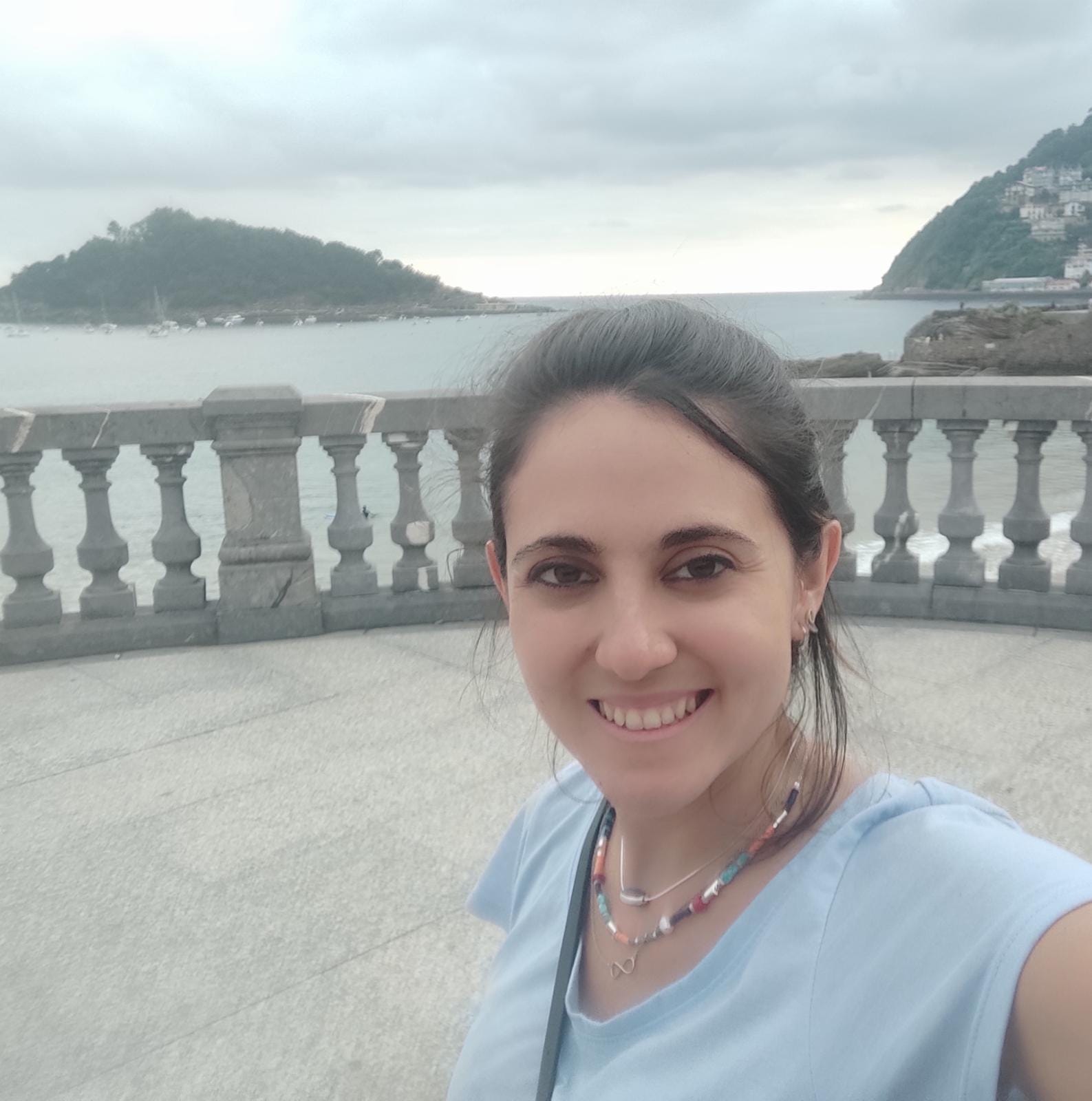
Esther Rodríguez Pérez
Técnico de Laboratorio
ORCID code: 0000-0002-3680-7733
Obtuve mi título como Graduada en Biología Sanitaria en el año 2015 y en el año 2019 obtuve el Grado Superior de Laboratorio de Diagnóstico Clínico. De 2019 a 2022 trabajé en el Museo Nacional de Ciencias Naturales (MNCN-CSIC), en el Departamento de Biogeoquímica y Ecología Microbiana. Actualmente trabajo como Técnico de Laboratorio en el Laboratorio de Helmintos del CNM (ISCIII).
-
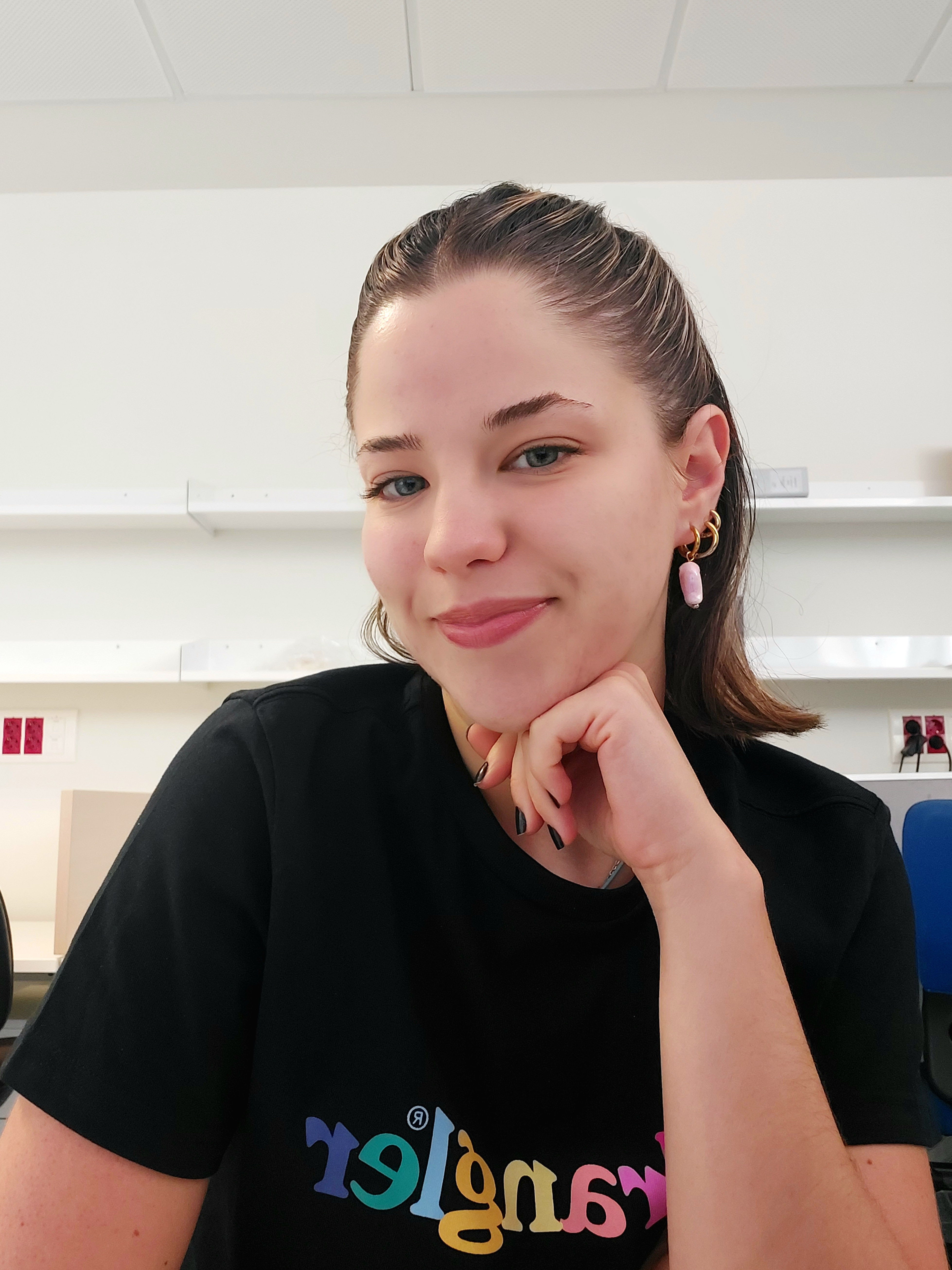
Lourdes Castro Companioni
Ayudante de Investigación
ORCID code: 0009-0003-2746-4067
Bióloga sanitaria graduada en la Universidad de Alcalá de Henares (UAH), con master de Microbiología y Salud pública en la UAH en colaboración con el ISCIII.


List of staff
Información adicional
Our current objective is the analysis of costimulatory molecules that modulate lymphocyte activation and the adaptive and innate immune response; specifically the inducible costimulator ICOS and its association with the enzyme phosphatidylinositol-3-kinase (PI3K). ICOS is induced in T lymphocytes and some innate immune cells; It is involved in normal and pathological immune responses and in inflammation regulatory circuits. Its signals are mediated by the association of PI3K, enzymes that regulate many aspects of the response to antigen, lymphoproliferative syndromes, lupus and cancer.
We analyzed the usefulness of ICOS, its ligand (ICOS-L) and the PI3K associated with ICOS as therapeutic targets in immune response to infections and tumors and in autoimmune diseases. We used two different approaches: i) pharmacological (effect of PI3K p110 isoform inhibitors on immune response) and ii) genetic (analysis of mouse models with tissue-specific conditioned modification of PI3K p110α). We study; 1) The role of PI3K-p110α in the activation and differentiation of cells involved in innate and adaptive immune response to infection, tumors and autoimmunity, seeking new therapies. 2) The functional consequences of costimulation by ICOS/ICOS-L and its mediators, in innate immune cells that simultaneously express ICOS and its ligand.