



We protect your health through science
Investigation
Immunobiology
Research Lines
Content with Investigacion .
Research Lines:
1. Molecular mechanisms associated to the protection of HIV-1 infection in limb-girdle muscular dystrophy dominant D2 (LGMDD2) patients.
2. Generation of neutralizing antibodies for therapeutic use based on the broad-spectrum neutralizing response against founder viruses.
3. Characterization of the immune memory against SARS-CoV-2 in a population over 65 years of age.
4. Screening and characterization of new anti-latency drugs against HIV-1.
5. Study of viral entry and HIV tropism in viruses of special epidemiological relevance in Spain.
6. Genetic mechanisms of protection and control of HIV-1 infection in populations with extreme phenotypes.
Clinical studies:
1. Phase 1 clinical trial to evaluate the safety and immunogenicity of HIV-1 envelope-based 763SIP8/MPLA-5 vaccine as a preventive vaccine in healthy uninfected adults.
2. ENE-COVID-Senior: Prospective observational study in a cohort of elderly nursing home residents to establish their immune status after receiving a complete vaccination regimen.
Implementation of new technologies:
1. Identification of HIV-1 integration sites by deep sequencing.
2. Single cell transcriptomics with simultaneous TCR/BCR sequencing.
3. Epidemiological intelligence for prediction of SARS-CoV-2 variants likely to emerge in different vaccination settings.
Research projects
Content with Investigacion .
1. Immune response to SARS-CoV-2 infection: effect in naïve vaccinees and seropositives against the most transmissible variants and relevance of host genetics.
Principal Investigator: Javier García Pérez.
Funding Agency: Acción Estratégica en Salud Intramural 2021(ISCIII)
Funding: 135.000 €
Duration: 2022-2025.
Project Reference: PI21CIII/00025.
2. Design and generation of viral stocks of new SARS-CoV-2 variants (omicron subvariants) and analysis of their susceptibility to antibodies neutralization.
Principal Investigator: Javier García Pérez.
Funding Agency: Hipra Scientific S.L.U.
Funding: 103.771 €
Duration: 2023-2025.
Project Reference: MVP 198/23.
3. Characterization of a mutation in transportin 3 that protects against HIV infection: molecular mechanisms and discovery of new drugs.
Principal Investigator: José Alcamí y Javier García Pérez.
Funding Agency: Proyectos de I+D+I, Generación de Conocimiento y Retos Investigación de la Agencia Estatal de Investigación.
Funding: 240.000 €
Duration: 2022-2026.
Project Reference: PID2021-125978OB-C21 funded by MICIU/AEI/10.13039/501100011033 and by FEDER, UE

4. Generation of immunogens based on HIV-1 envelopes from acutely infected individuals with a broad neutralizing response against founder viruses.
Principal investigator: Nuria González Fernández.
Funding Agency: Acción Estratégica en Salud Intramural 2023 (ISCIII)
Funding: 82.000 €
Duration: 2024-2026.
Project Reference: PI23CIII/00039.
5. Phase 1 clinical trial to evaluate the safety and immunogenicity of HIV-1 envelope-based 763SIP8/MPLA-5 vaccine.
Principal Investigator: Josep Mallolas Masferrer.
Funding Agency: Proyectos de Investigación Clínica Independiente, Acción Estratégica en Salud 2021-2023 (ISCIII).
Funding: 173.200 €
Duration: 2024-2026.
Project Reference: ICI23/00025.
6. Service of immunological determinations of the ENE-COVID SENIOR II protocol.
Principal Investigator: Mayte Pérez Olmeda y Javier García Pérez.
Funding Agency: Fundación para la investigación biomédica del Hospital Universitario La Paz
Funding: 185.037 €
Duration: 2024-2025.
Project Reference: MOTR 219/24.
7. Characterization of the immune memory against SARS-CoV-2 in a population over 65 years of age using single cell transcriptomics.
Principal Investigator: Javier García Pérez y Francisco Díez Fuertes.
Funding Agency: Acción Estratégica en Salud Intramural 2021(ISCIII)
Funding: 152.000 €
Duration: 2025-2027.
Project Reference: PI24CIII/00058
8. Evaluation of rimonabant and cannbinooid analogues in HIV infection and viral latency.
Principal Investigator: Luis Miguel Bedoya del Olmo.
Funding Agency: Universidad Complutense de Madrid
Funding: 12.000 €
Duration: 2024-2025.
Project Reference: PR12/24-31553.
9. Discovery of new inhibitors of HIV-1 RNA biogenesis based on blocking the ribonucleoprotein RRE-Rev.
Principal Investigator: José Gallego Sala. Associate Researcher: Luis Miguel Bedoya del Olmo
Funding Agency: Department of Innovation, Universities, Science and Digital Society. Generalitat Valenciana.
Funding: 543,683.84 €
Duration: 2025-2027.
Project Reference: PROMETEO/2021/036.
Publications
Content with Investigacion .
-
Carmen Marcos Moreno
Ayudante de Investigación de OPIs
-
Antonio Javier Martín Galiano
Investigador Miguel Servet II
-
Mireia López Siles
Investigadora Posdoctoral
-
Andrés Corral Lugo
Investigador Posdoctoral
-
Ana Tajuelo Moreno-Palancas
Investigadora predoctoral
-
Marta Vicente Pazos
Investigador predoctoral
-
Astrid Pérez Gomez
Investigador posdoctoral
-
Mar Cordero Alba
Investigador posdoctoral
-
Sonia Prieto Martín Gil
Investigador predoctoral
-
Beatriz Cano Castaño
Investigador predoctoral
-
Michael McConnell
Científico Titular
-
Federico Román Alonso
Científico Titular de OPIs
-
Miriam García López
Contratada predoctoral pFIS
-
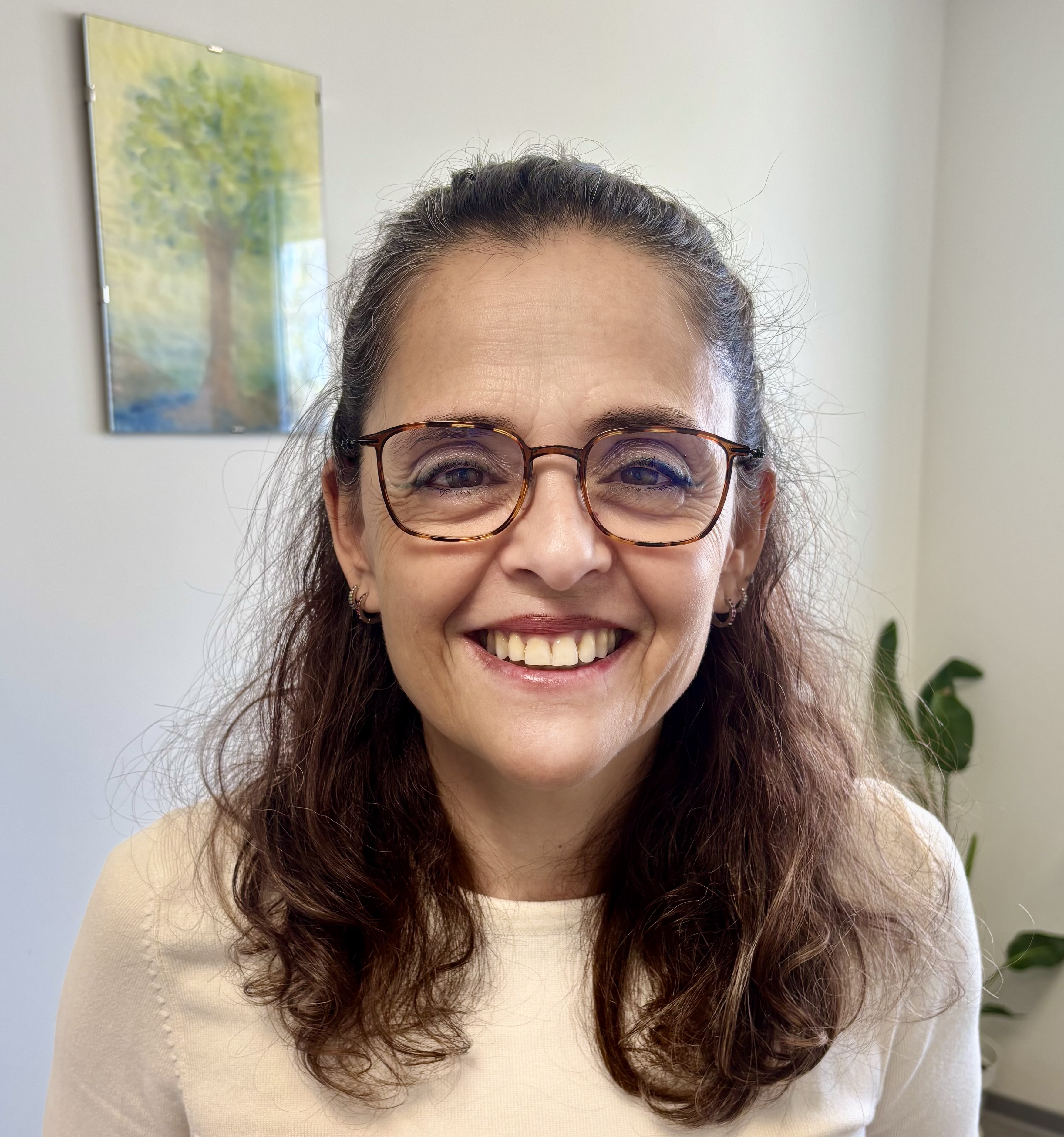
María Dolores Pérez Vázquez
Científica Titular OPI
Licenciada y doctora en Farmacia (Universidad de Santiago de Compostela, Universidad Complutense de Madrid). Especialista en Microbiología y Parasitología clínicas (F.I.R.). Mi trayectoria investigadora se ha centrado en la resistencia a los antibióticos y la epidemiología de patógenos resistentes, desarrollándose principalmente en el Centro Nacional de Microbiología (ISCIII), así como en el ámbito hospitalario (HU Ramón y Cajal) y en el Wellcome Sanger Institute (Cambridge). Desde 2012, tras mi formación en bioinformática, he consolidado una línea de investigación basada en la secuenciación masiva (WGS) aplicada a la vigilancia microbiológica, promoviendo la creación de la RedLabRA para la vigilancia nacional de bacterias multirresistentes. Mi producción científica alcanza 111 publicaciones (7056 citas; h-index 39/36) y he destacado por integrar investigación, vigilancia y transferencia al Sistema Nacional de Salud, junto con una sólida actividad docente y formadora.
-

Noelia Lara Fuella
Técnico Superior
ORCID code: 0009-0004-8912-7741
Noelia Lara Fuella (NLF) es Técnica Superior Especialista en Anatomía Patológica y Citología, con amplia experiencia en técnicas fenotípicas y genotípicas de identificación de mecanismos de resistencia en enterobacterias y gran positivos, amplia experiencia en técnicas de biología molecular, incluyendo aislamiento de ADN, PCR, RT-Y qPCR, campo Pulsante, preparación de librerías para su posterior análisis por secuenciación masiva, análisis de secuencias mediante herramienta Galaxy. Posee experiencia en manipulación de animales, realizando técnicas de inoculación y posterior sangrado para realización de posteriores ensayos, cultivo de células tumorales y mantenimiento de líneas celulares. Su trayectoria investigadora abarca un periodo de 22 años llevados a cabo en el Centro Nacional de Microbiología, en el Laboratorio de Referencia e Investigación en Resistencia a Antibióticos e IRAS, durante todo este tiempo NLF ha sido clave para la realización y puesta a punto de diversas técnicas moleculares y pruebas diagnósticas del programa de vigilancia de Haemophilus Influenzae y Programa de Vigilancia de Resistencia a Antibióticos donde permanece en la actualidad.
-

Verónica Casquero García
Técnico Superior Especializado de OPIs
ORCID code: 0000-0002-2365-394X
Verónica Casquero García es Licenciada en Bioquímica y en Biología, con amplia experiencia en técnicas de biología molecular, incluyendo aislamiento de ADN y ARN, PCR, RT- y qPCR, clonaje, mutagénesis dirigida, silenciamiento génico mediante shRNA y edición génica con CRISPR-Cas9. Posee experiencia en cultivo y manipulación de células madre embrionarias de ratón, células primarias de ratón y humano y líneas celulares, así como en técnicas de bioquímica de proteínas y en microscopía. Su trayectoria investigadora abarca varios centros incluyendo CSIC, CNIC y CNIO. Desde su incorporación al CNM en el Laboratorio de Referencia e Investigación en Resistencia a Antibióticos e IRAS ha sido clave en la actualización y desarrollo de técnicas moleculares y pruebas diagnósticas del Programa de Vigilancia en Infecciones Estafilocócicas. Domina la extracción de ADN/ARN bacteriano de distintos tipos de muestras y la preparación de librerías para secuenciación genómica, metagenómica y metatranscriptómica.
-

Jesús Oteo Iglesias
Investigador Científico OPI
ORCID code: 0000-0003-3327-8263
Licenciado en Medicina y Cirugía en 1992 y Doctor en 2005 por la Universidad Complutense de Madrid. Realizó la especialidad en Microbiología y Parasitología en el Hospital de Móstoles (2000) y desde 2001 ha desarrollado su carrera profesional en el CNM del ISCIII, del cual fue Director entre 2019-2021 liderando el plan de acción del CNM-ISCIII frente a la pandemia de COVID-19. Es profesor de investigación de OPIs, director científico del CIBER de Enfermedades Infecciosas (CIBERINFEC), coordinador de la Red Nacional de Laboratorios para la Vigilancia de Microorganismos Resistentes (RedLabRA) y National Focal Point español en resistencia a antimicrobianos. Su actividad investigadora está centrada en el campo de la resistencia a antibióticos, ha publicado más de 200 artículos en revistas con índice de impacto y ha sido investigador principal de numerosos proyectos. Ha sido secretario científico de la Junta Directiva de la SEIMC, y presidente de su grupo para el estudio de los mecanismos de acción y resistencia a antibióticos (GEMARA).
-

Silvia García Cobos
Investigador Posdoctoral
ORCID code: 0000-0002-1417-5691
Doctora en Biología por la Universidad Complutense de Madrid (2009), realizó su tesis en el Centro Nacional de Microbiología (CNM) del Instituto de Salud Carlos III, donde investigó los mecanismos de resistencia a antibióticos β-lactámicos en Haemophilus influenzae. Continuó su investigación en el mismo centro hasta el 2013, especializándose en la caracterización molecular de mecanismos de resistencia a antibióticos y su vigilancia epidemiológica, colaborando en redes nacionales como REIPI. Entre 2013 y 2019 desarrolló su labor en el University Medical Center Groningen (UMCG), Países Bajos, donde aplicó la secuenciación completa de genomas en el estudio de la diseminación de bacterias resistentes a los antibióticos bajo el enfoque One Health y la colaboración transfronteriza (programa INTERREG), además de investigar el resistoma intestinal humano en proyectos europeos de investigación. En 2019 regresó a España con financiación del programa Atracción de Talento de la Comunidad de Madrid para iniciar una línea de investigación sobre el papel del microbioma humano en las enfermedades infecciosas bacterianas y la resistencia a antibióticos, mediante secuenciación y análisis de datos metagenómicos y metatranscriptómicos.
-

María Belén Aracil García
Científica Titular OPI
ORCID code: 0000-0002-6156-8252
Licenciada y doctora en Medicina y Cirugía (Universidad Autónoma de Madrid, y Universidad Complutense de Madrid, respectivamente). Especialista en Microbiología y Parasitología clínicas (M.I.R.). Experiencia clínica en enfermedades infecciosas y microbiología desarrollada en el ámbito hospitalario (HU de Móstoles y HM Hospitales- Madrid-Montepríncipe) y en el Laboratorio de Referencia e Investigación de .Resistencia a Antibióticos y Enfermedades Relacionadas con la Asistencia Sanitaria (IRAS) del Centro Nacional de Microbiología del Instituto de Salud Carlos III, donde desde 2000 se ha desarrollado también mi actividad investigadora, enfocada en el estudio de la resistencia a los antibióticos esencialmente en patógenos multirresistentes gnosocomiales desde el punto de vista de la epidemiología molecular y la salud pública. Desde 2012, responsable de calidad del laboratorio, punto focal alternate de resistencia a antibióticos en España y coordinadora de la red EARS-Net en España, red del ECDC para la vigilancia de la resistencia a antibióticos en infecciones invasivas causadas por los principales microorganismos involucrados en la multirresistencia. Labor formativa de posgrado en la Universidad de Alcalá y la UNED y en otros ciclos formativos relacionados. Destacada producción científica con 114 publicaciones e informes técnicos y 30 proyectos de investigación.
-
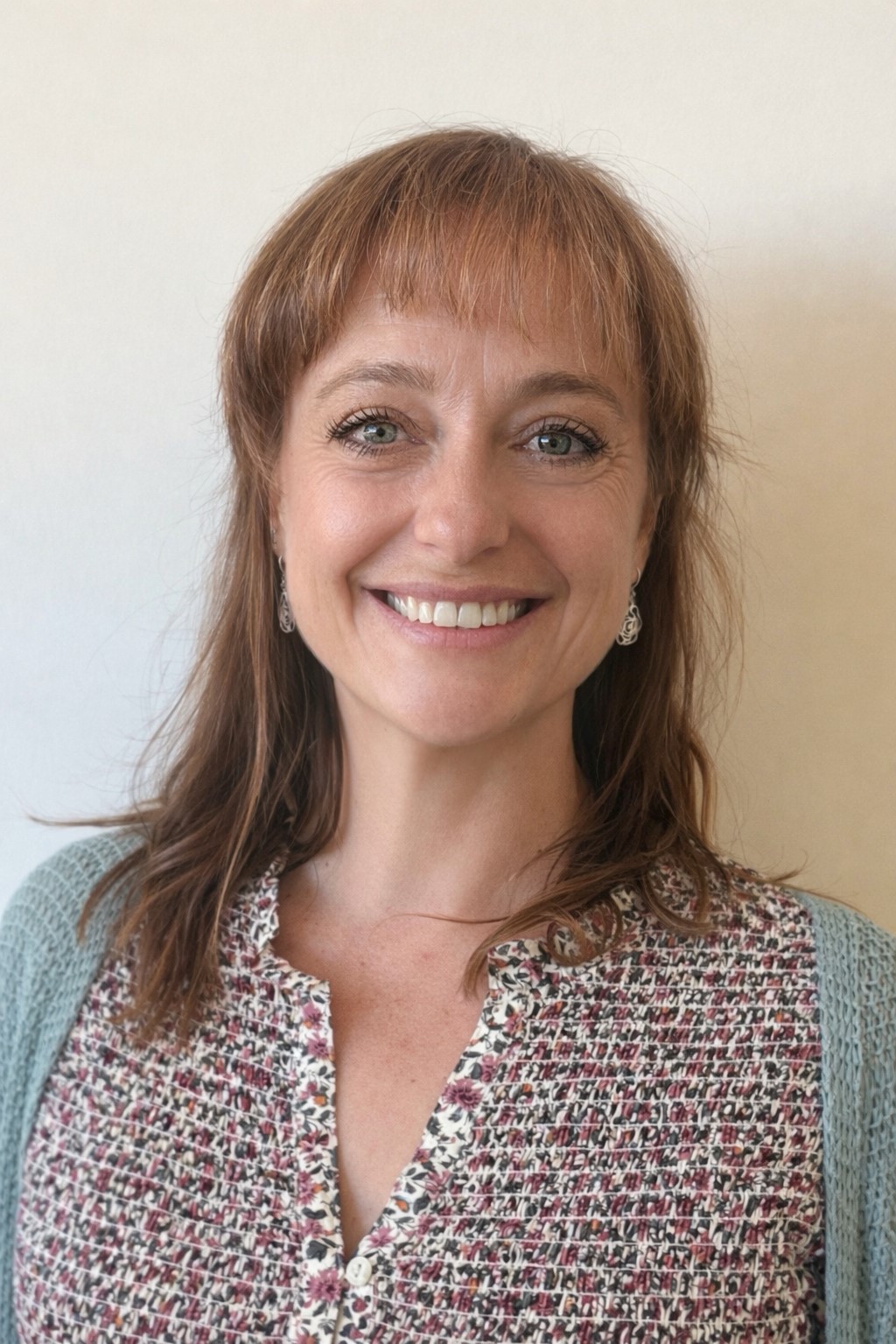
Isabela Alonzo González
Dra.
ORCID code: 0009-0007-4291-4870
La Dra. Isabela Alonso González es licenciada en Biología por la Universidad Complutense de Madrid, en 2002. Realizó su tesis doctoral en el ámbito de la regulación de la expresión génica en células de mamífero en el Centro de Biología Molecular Severo Ochoa (CBMSO-UAM), donde concluyó su doctorado en Biología Molecular en 2009. Tras varias estancias posdoctorales, se especializó mediante un Máster en Gestión de Proyectos de I+D y es experta en la coordinación y gestión de redes de investigación. Desde 2023 trabaja como Project Manager del proyecto MePRAM, contratada por el CIBER y, en paralelo, desarrolla su labor en el Centro Nacional de Microbiología (CNM) en el grupo de investigación del Dr. Jesús Oteo, explorando oportunidades en una nueva línea de trabajo relacionada con la proteómica y la resistencia a antimicrobianos en patógenos de interés para el Sistema Nacional de Salud (SNS), así como en el estudio de nuevas terapias celulares frente a las infecciones producidas por bacterias multirresistentes.


List of staff
Additional Information
Doctoral theses
“Expression and functionality of tlr2 and tlr4 in lymphomyeloid populations present in the lung and lymphoid organs during embryonic and neonatal life in mouse models.” Carolina Ruiz Sánchez. Complutense University of Madrid, 2022
Master's thesis
Detection and characterization of extracellular vesicles of platelet origin in lung supernatants from SPN-infected animals. Marta Paris, Alcalá University, 2024
Study of TLR-dependent activation in the RAW 264.7 macrophage line. Iñigo Merino de Saracho, Alcalá University, 2023
Study of the functionality of TLR receptors in the lung and other lymphoid organs in B cell populations using the neonatal mouse model. Yolanda Campanero, Alcalá University, 2023
Exploratory study of T lymphoid progenitors in the neonatal mouse lung. Alejandro Arrabal, Complutense University of Madrid, 2022
Study of B lymphoid differentiation in mice deficient for CD5 and CD6 molecules. Cristina Martín, Alcalá University, 2022
Role of platelets and their progenitor cells in two animal models of infection: SPN and RSV. Ana de Lucas Rius, Alcalá University, 2020
Pilot study of RSV infection in the mouse model: cellular phenotype of myeloid and lymphoid populations in the lung in two animal models of infection: SPN and RSV. Juan Antonio Martín Quesada, Alcalá University, 2020
B cell response during Streptococcus pneumoniae infection. Eva Castro, 2020
Study of the hematopoietic potential of neonatal lung cells in the mouse model. Ana Cogollo García, Alcalá University, 2018
Innate immune response to S. pneumoniae in the lung. Rodrigo Sánchez, Complutense University of Madrid, 2018
Neonatal immunity in the mouse model: localization and function of the innate and adaptive response. Alba Ezequiel Fernández, Alcalá University, 2017
Characterization of immunoglobulin gene diversity in the mouse model of TLR4 homeostasis and activation by bacterial lipopolysaccharide. Cristina García Caballero, Alcalá University, 2017
Altered lymphopoiesis and splenic B cell subsets on Telomerase Activity Deficient Mice (TERC-/-). Juliana Manosalva, Complutense University of Madrid, 2017
Study of the Immune Response in Nasopharyngeal Washings of Infants with Bronchiolitis. Isabel Martín Barrios, Complutense University of Madrid, 2016
Dynamics of B1-REL lymphocytes in the in vivo immunization model with DNP-LPS. Inmaculada Sanz Ramos University Alcalá, 2015
Megakaryocyte differentiation pathways in the mouse model. Marta Cobos Briz, Alcalá University, 2015
Role of megakaryocytes in infectious processes. Melania Guerrero Hue, Complutense University of Madrid, 2015
Final degree projects
Study of new bacterial vaccines in the mouse (Mus musculus) infection model due to Streptococcus pneumoniae. Alejandro Arrabal, Polytechnic University of Madrid, 2021
Megakaryocytes and platelets in SPN respiratory infection: Role of TLR4. Óscar González Hervás, Complutense University of Madrid, 2021
Study of the immune response mediated by pseudo-innate B lymphocytes against TLR4-dependent immunization models. Rodrigo Sánchez, Complutense University of Madrid, 2017.
Study of the diversity in the immunoglobulin repertoire in healthy individuals. Isabel Martín, Francisco de Vitoria University, 2015.
Dynamics of hematopoietic populations in the perinatal spleen. Inmaculada Sanz, Alcalá University, 2014
Teaching in training courses
Training course: Introduction to Flow Cytometry (from 2015 to present)
Training Course: Flow Cytometry Data Analysis (2018 to present)
Outreach / Citizen Science
• Collaboration in the 4th+Company CAM program.
• Collaboration with the ISCIII Scientific Culture Unit in Science Week at the ISCIII
• Scientific Dissemination Project "Talking about Science", carried out in Majadahonda primary, secondary and high school schools, since 2015 in collaboration with the Department of Education and Youth of the Majadahonda City Council: “How your Immune System works and healthy lifestyle habits to take care of it”
Doctoral theses
“Expression and functionality of tlr2 and tlr4 in lymphomyeloid populations present in the lung and lymphoid organs during embryonic and neonatal life in mouse models.” Carolina Ruiz Sánchez. Complutense University of Madrid, 2022
Master's thesis
Detection and characterization of extracellular vesicles of platelet origin in lung supernatants from SPN-infected animals. Marta Paris, Alcalá University, 2024
Study of TLR-dependent activation in the RAW 264.7 macrophage line. Iñigo Merino de Saracho, Alcalá University, 2023
Study of the functionality of TLR receptors in the lung and other lymphoid organs in B cell populations using the neonatal mouse model. Yolanda Campanero, Alcalá University, 2023
Exploratory study of T lymphoid progenitors in the neonatal mouse lung. Alejandro Arrabal, Complutense University of Madrid, 2022
Study of B lymphoid differentiation in mice deficient for CD5 and CD6 molecules. Cristina Martín, Alcalá University, 2022
Role of platelets and their progenitor cells in two animal models of infection: SPN and RSV. Ana de Lucas Rius, Alcalá University, 2020
Pilot study of RSV infection in the mouse model: cellular phenotype of myeloid and lymphoid populations in the lung in two animal models of infection: SPN and RSV. Juan Antonio Martín Quesada, Alcalá University, 2020
B cell response during Streptococcus pneumoniae infection. Eva Castro, 2020
Study of the hematopoietic potential of neonatal lung cells in the mouse model. Ana Cogollo García, Alcalá University, 2018
Innate immune response to S. pneumoniae in the lung. Rodrigo Sánchez, Complutense University of Madrid, 2018
Neonatal immunity in the mouse model: localization and function of the innate and adaptive response. Alba Ezequiel Fernández, Alcalá University, 2017
Characterization of immunoglobulin gene diversity in the mouse model of TLR4 homeostasis and activation by bacterial lipopolysaccharide. Cristina García Caballero, Alcalá University, 2017
Altered lymphopoiesis and splenic B cell subsets on Telomerase Activity Deficient Mice (TERC-/-). Juliana Manosalva, Complutense University of Madrid, 2017
Study of the Immune Response in Nasopharyngeal Washings of Infants with Bronchiolitis. Isabel Martín Barrios, Complutense University of Madrid, 2016
Dynamics of B1-REL lymphocytes in the in vivo immunization model with DNP-LPS. Inmaculada Sanz Ramos University Alcalá, 2015
Megakaryocyte differentiation pathways in the mouse model. Marta Cobos Briz, Alcalá University, 2015
Role of megakaryocytes in infectious processes. Melania Guerrero Hue, Complutense University of Madrid, 2015
Final degree projects
Study of new bacterial vaccines in the mouse (Mus musculus) infection model due to Streptococcus pneumoniae. Alejandro Arrabal, Polytechnic University of Madrid, 2021
Megakaryocytes and platelets in SPN respiratory infection: Role of TLR4. Óscar González Hervás, Complutense University of Madrid, 2021
Study of the immune response mediated by pseudo-innate B lymphocytes against TLR4-dependent immunization models. Rodrigo Sánchez, Complutense University of Madrid, 2017.
Study of the diversity in the immunoglobulin repertoire in healthy individuals. Isabel Martín, Francisco de Vitoria University, 2015.
Dynamics of hematopoietic populations in the perinatal spleen. Inmaculada Sanz, Alcalá University, 2014
Teaching in training courses
Training course: Introduction to Flow Cytometry (from 2015 to present)
Training Course: Flow Cytometry Data Analysis (2018 to present)
Outreach / Citizen Science
• Collaboration in the 4th+Company CAM program.
• Collaboration with the ISCIII Scientific Culture Unit in Science Week at the ISCIII
• Scientific Dissemination Project "Talking about Science", carried out in Majadahonda primary, secondary and high school schools, since 2015 in collaboration with the Department of Education and Youth of the Majadahonda City Council: “How your Immune System works and healthy lifestyle habits to take care of it”