



We protect your health through science
Investigation
Immunobiology
Research Lines
Content with Investigacion .
Patogénesis e inmunidad viral
A) Desarrollo de metodología point of care frente a hepatitis virales en el reservorio del VIH
El tratamiento precoz de las hepatitis virales reduce el deterioro progresivo del hígado y evita el trasplante hepático. Resulta esencial disponer de métodos diagnóstico rápido, sencillos y coste-efectivos, para el cribado, en la vigilancia epidemiológica y el diagnóstico virológico temprano de enfermedades virales hepáticas. Línea de investigación llevada a cabo en colaboración con el Dr. Ricardo Madrid (BioAssays S.L).
B) Impacto de la coinfección y eliminación de las hepatitis virales en el reservorio del VIH
La coinfección por el VHC impacta en el reservorio del VIH, principal obstáculo para eliminar esta infección. Se realizan distintos abordajes del estudio del reservorio del VIH en pacientes VIH+ con distinta exposición al VHC, y tras su eliminación espontánea o con antivirales de acción directa, con el objetivo de identificar y proponer nuevas estrategias de eliminación/curación del VIH. Esta línea de Investigación se desarrolla en el seno del Grupo Multidisciplinar COVIHEP (COinfección por VIH y HEPatitis).
C) Identificación de marcadores de senescencia inducida por virus y estrategias paliativas
Las infecciones virales inducen una senescencia acelerada cuyo impacto afecta a la evolución de la enfermedad y a posibles comorbilidades. Nuestro objetivo es profundizar en los mecanismos que desencadenan la inmunosenescencia y estrés oxidativo asociado a infecciones virales e identificar nuevas estrategias terapéuticas que palien el envejecimiento prematuro en estos pacientes.
D) Impacto de SARS-CoV-2 en la infección por el VIH y hepatitis virales
Se desconocen las complicaciones a largo plazo de la infección por SARS-CoV-2 en personas que viven con VIH y/o hepatitis virales que podrían experimentar un desarrollo clínico de la enfermedad más desfavorable. La identificación de biomarcadores de gravedad no invasivos (como en sangre/plasma) resulta de especial interés en estos pacientes.
E) Origen y Epidemiología de la enfermedad hepática
Estudio del origen y la dinámica de transmisión espacio-temporal de los virus hepáticos, clave para el entendimiento de su evolución y propagación, así como en el análisis de la carga global de las enfermedades, lo que podría ayudar a desarrollar programas de Salud Pública encaminados a prevenir y frenar su transmisión.
F) Impacto de la viremia de bajo grado del VIH
Se desconoce tanto el origen como los mecanismos de la viremia de bajo grado, presente entre el 3 y 16% que las personas que viven con VIH. Su presencia podría desembocar en un mayor riesgo de sufrir comorbilidades relacionadas con enfermedades cardiovasculares, cáncer y trastornos metabólicos.
G) Calidad del aire y su impacto en poblaciones vulnerables
La contaminación del aire agrava las patologías infecciosas y la salud cardiovascular y respiratoria. La evolución de la enfermedad en personas con enfermedades crónicas con VIH y hepatitis puede verse agravada tras la inhalación continua de contaminantes ambientales. Línea de investigación llevada a cabo en colaboración con el CNSA y el CNE del ISCIII.
H) Coinfección por VHE y protistas entéricos en el reservorio humano y animal: vigilancia e investigación
La coinfección entre virus y protistas entéricos podría influir en la cotransmisión y patogenicidad de dichas especies. Línea de investigación, bajo el concepto “One Health” que se centra en la vigilancia y estudio de la coinfección del VHE y protistas entéricos. Colaboración con el grupo multidisciplinar COHEPROEN (COinfección HEpatitis y PROtistas ENtéricos).
Research projects
Content with Investigacion .
-Project “Induction, differentiation and modulation of resident B lymphocytes in the lung in response to pneumococcus (NEUBLUNG)”. Ministry of Science and Innovation, PID2022-141754OB-I00 Call 2022 "Knowledge Generation Projects". 09/01/2023-08/31/2026. Financed by MICIU/AEI /10.13039/501100011033 and by ERDF, EU. PI: Belén by Andrés Muguruza. CoPI: María Luisa Gaspar Alonso-Vega.

-Project." Immune response of the nasal mucosa in childhood bronchiolitis” Instituto de Salud Carlos III-AESI. AESI-PI22CIII/00030 PI: Belén by Andrés Muguruza. CoPI Maria Luisa Gaspar Alonso-Vega. 01/01/2023-12/31/2025..
-Project. BenBedPhar. CA20121, European Union. Antonio Cuadrado. (CNM-ISCIII).10/19/2021-10/18/2025.
-Spanish Association Against Cancer Project “Novel comprehensive immunotherapy to specifically target the malignant clone in Sézary syndrome, an ultra-rare cancer of mature T lymphocytes”, number PROYE20084REGU. PI: José Ramón Regueiro, PI group Maria Luisa Gaspar. 01/01/2021-12/31/2023.
Project “The pulmonary immune system in homeostasis and infection: characterization and function of immature and pseudoinnate lymphoid populations.” MINECO-RETOS RTI2018-099114-B-100. PI: Maria Luisa Gaspar, CoPI: Belén de Andrés 01/01/2019-12/31/2022. Financed by MICIU/AEI /10.13039/501100011033/ and by FEDER A way of making Europe.

-Project “New B lymphoid populations: B1-rel pseudoinnate cells, homeostatic maintenance and their response under infection conditions.” MINECO-RETOS SAF2015-70880-R. PI: Maria Luisa Gaspar. 01/01/2016-12/31/2019.

-Project “Role of CD19+CD45R lymphocytes- in perinatal immune responses. Implications related to respiratory diseases in neonates. AESI PI14CIII/00049; PI Belén de Andrés. 2015-2018.
-Project “Study of the pseudo-innate population of CD19+CD45R- B lymphocytes in TLR-dependent infection models”. AESI PI11/01733FIS. PI Belén de Andrés. 2012-2015.
-Project." Cellular interactions in the establishment of B lymphoid differentiation niches: role of megakaryocytes and their implications in pathology. MINECO; SAF2012-33916. Maria Luisa Gaspar. 01/01/2013-12/31/2015.
-ISCIII Platforms Project to support R&D&I in Biomedicine and Health Sciences. PT23CIII/00006. 2023. Participating researcher: Isabel Cortegano.
-Research contracts between the Carlos III Health Institute and Inmunotek S.L. for the development of the Bactek-mv130 and Uromune-MV140 study in protection against S. pneumoniae infections. Immunotek. IP: Belen de Andrés 2019-2021.
-Research contract between the Carlos III Health Institute and Inmunotek S.L. “MV130 as a vaccine model based on trained immunity against respiratory infections due to pneumococcus and respiratory syncytial virus”, CAM Call. Industrial Doctorates. IND2023/BMD-27071. PI: Belén by Andrés Muguruza. 12/01/2023-11/30/2026.
Publications
Comparison of two highly discriminatory typing methods to analyze Aspergillus fumigatus azole resistance
Garcia-Rubio R, Escribano P, Gomez A, Guinea J, and Mellado E. Comparison of two highly discriminatory typing methods to analyze Aspergillus fumigatus azole resistance. Frontiers in Microbiology 2018. Jul 20;9:1626.
PUBMED DOIEvaluation of the possible influence of trailing and paradoxical effects on the clinical outcome of patients with candidemia.
Rueda C, Puig-Asensio M, Guinea J, Almirante B, Cuenca-Estrella M, Zaragoza O. Evaluation of the possible influence of trailing and paradoxical effects on the clinical outcome of patients with candidemia. CANDIPOP Project from GEIH-GEMICOMED (SEIMC) and REIPI. Clin Microbiol Infect. 2017 Jan; 23(1):49.e1-49.e8.
PUBMED DOIDevelopment and Validation of a High-Resolution Melting Assay To Detect Azole Resistance in Aspergillus fumigatus.
Bernal-Martínez L, Gil H, Rivero-Menéndez O, Gago S, Cuenca-Estrella M, Mellado E, Alastruey-Izquierdo A. Development and Validation of a High-Resolution Melting Assay To Detect Azole Resistance in Aspergillus fumigatus. Antimicrob Agents Chemother. 2017 Nov 22;61(12). pii: e01083-17.
PUBMED DOICervicofacial lymphadenitis due Mycobacterium mantenii: rapid and reliable identification by MALDI-TOF MS.
Nebreda T, Andres AG, Fuentes S, Calleja R, Jimenez MS. Cervicofacial lymphadenitis due Mycobacterium mantenii: rapid and reliable identification by MALDI-TOF MS. New Microbes and New Infections .2018. March 22:1-3.
PUBMED DOIContent with Investigacion .
-

María Luisa Gaspar Alonso-Vega
Research Professor
ORCID code: 0000-0001-9858-3862
Dr. María Luis Gaspar Alons-Vega graduated in 1980 and obtained her PhD in 1985 in Medicine and Surgery from the Autonomous University of Madrid. She completed the specialty of Immunology (1981-1985), and her doctoral thesis under the direction of Dr. Carmen Gutierrez, in the Immunology laboratory of the Puerta de Hierro Clinic directed by Dr. Miguel Kreisler. She completed a predoctoral stay in the Cytogenetics Laboratory of the National Institute of Autoimmune, Diabetes, Digestive and Kidney Diseases (NIDDK, NIH), under the supervision of Dr. JH Tjio and Dr. E. Raveché. She joined the Immunology Service of the National Center for Health Microbiology, Virology and Immunology (CNMVIS, AISNA and later ISCIII) as a Physician-Specialist in 1986, in the Immunology Laboratory directed by Dr. Alfredo Toraño. She completed a postdoctoral stay (1989-1991) at the Immunogenetics Unit of the Pasteur Institute (Paris) directed by Dr. T. Meo. From 1991 to 2006 she was Head of the Immunology Section successively at the CNMVIS, at the National Center for Fundamental Biology (CNBF-ISCIII) and at the National Center for Microbiology (CNM-ISCIII). From 2006 to 2016 she has been a Senior Researcher and Senior Scientist of OPIs, in the Immunobiology laboratory of the CNM-ISCIII. From 2016 to 2018 she was a Scientific Researcher at OPIs and since 2018, she is a Research Professor at OPIs at the CNM.
-
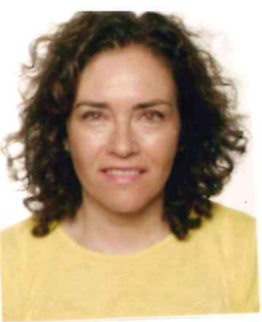
Belén de Andrés Muguruza
Research Scientist
ORCID code: 0000-0002-7391-2823
Graduated in Biology in 1987 and PhD in 1992 from the Autonomous University of Madrid. He completed his doctoral thesis in the laboratory of Dr. Carlos Lahoz in the Immunology department of the Jiménez Díaz Foundation with a pre-doctoral stay at the Institute Curie in Paris, in the laboratory of Dr. Wolf H. Fridman. Subsequently, he completed a two-year postdoctoral stay in the Department of Pathology of the College of Medicine at the University of Iowa, USA, in the laboratory of Dr. Richard G. Lynch. After a year as an Adjunct in the Immunology department of the Jiménez Diaz Foundation, she worked for 2 years with a reinstatement contract from the Ministry of Science in the Immunobiology department of the CNM/ISCIII in the laboratory of Dr. Mª Luisa Gaspar and later with a Ramón y Cajal contract. In 2006 she obtained a position as Staff Senior Scientist.
-
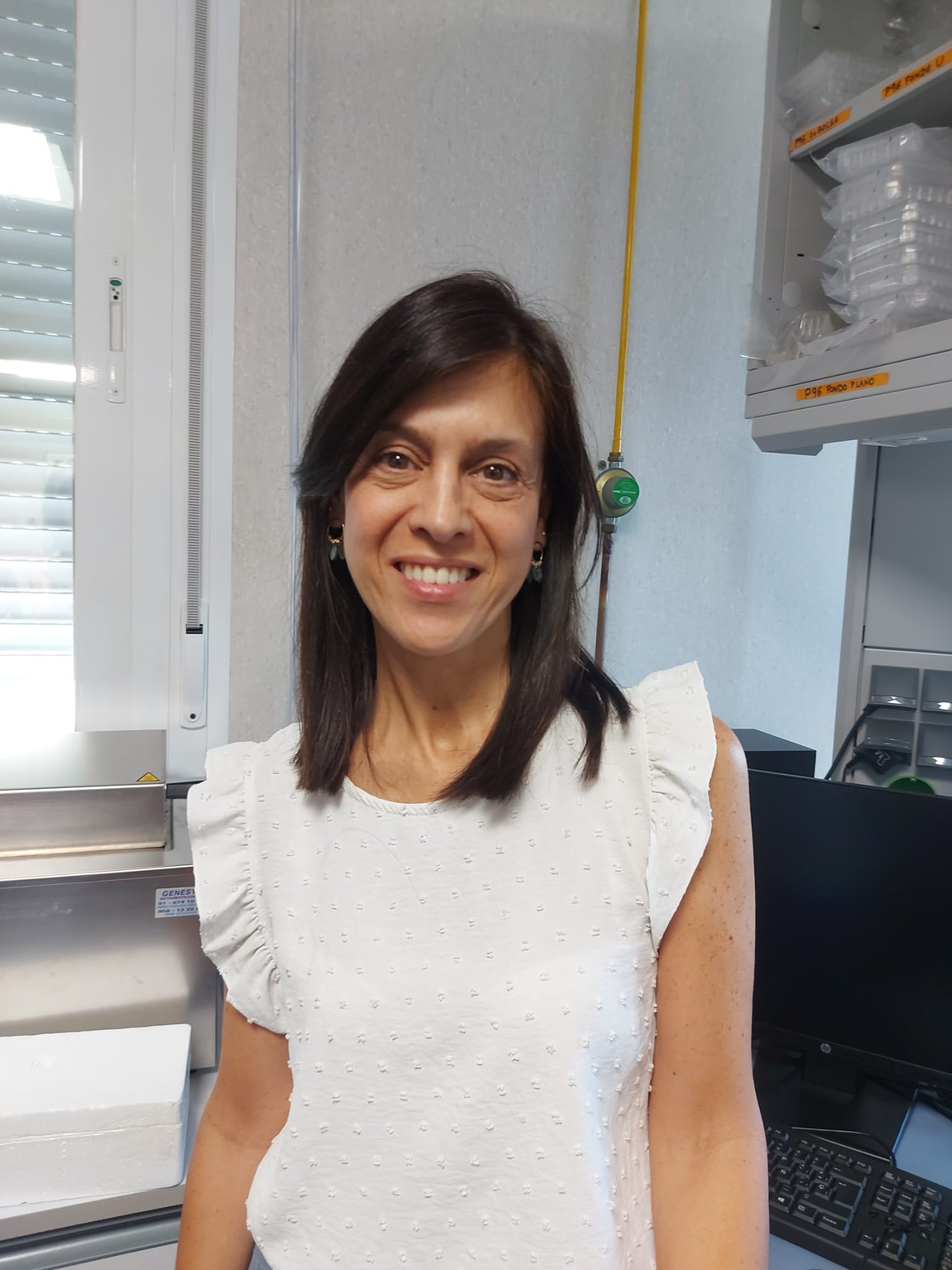
Isabel Cortegano Jimeno
Research Scientist
ORCID code: 0000-0002-6504-6347
Graduated in Biology in 1995 (Specialty in Biochemistry and Molecular Biology) and PhD in 1999 from the Autonomous University of Madrid. He completed his doctoral thesis at the Jiménez Díaz Foundation in the Immunology laboratory directed by Dr. Carlos Lahoz. Later he obtained a postdoctoral fellowship in the Immunobiology laboratory of Dr. Mª Luisa Gaspar at the National Center of Microbiology (CNM) of the Carlos IIII Health Institute (ISCIII) (2002-2006). He then enjoyed an I3P contract from the CSIC in the laboratory of Professor Miguel Ángel Rodríguez-Marcos (2007-2009). She has been a researcher associated with research projects in the ISCIII Immunobiology laboratory during the years 2010-2018. Since 2018 she has been an associate professor in the Department of Cell Biology of the UCM Faculty of Medicine. He coordinates the scientific dissemination group of the Spanish Society of Immunology (GESEI), is part of the editorial committee of the SEI magazine and is a member of the board of the CAM Immunology Society. She is a Senior Scientist of the ISCIII at the National Center for Microbiology since 2020.
-

Carolina Ruiz Sánchez
Specialized Technician
ORCID code: 0000-0002-2177-8132
Graduated in Chemical Sciences (biochemistry specialty) in 1998 and PhD in 2022 from the Complutense University of Madrid. In 2008 he joined the OPIS Assistant in the Immunobiology laboratory of the National Center for Microbiology of the ISCIII, specializing in flow cytometry the first year and subsequently becoming part of the laboratory's technical team. In 2012 he was promoted to Intermediate Level Technician and in 2018 to Higher Specialized Technician of the OPIS, currently occupying this position in the same laboratory.
-
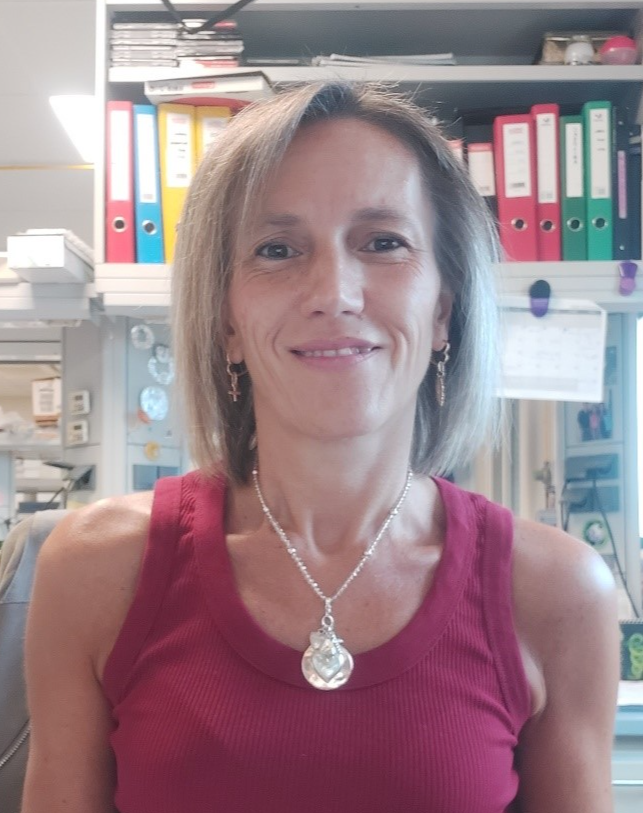
Mercedes Rodríguez García
Specialized Higher Technician
Graduated in Biology from the Complutense University of Madrid in 2003, she began her doctoral studies in the Bone Metabolism laboratory of the La Paz University Hospital.
In 2007 he joined as a Research Assistant at the Carlos III Health Institute, at the CNM, in the Transplant Immunology laboratory. After 5 years, he began working in the Immunobilology laboratory where he was promoted in 2018 to Specialized Technician, in 2024 to Senior Specialized Technician and where he currently continues to develop his professional career. -
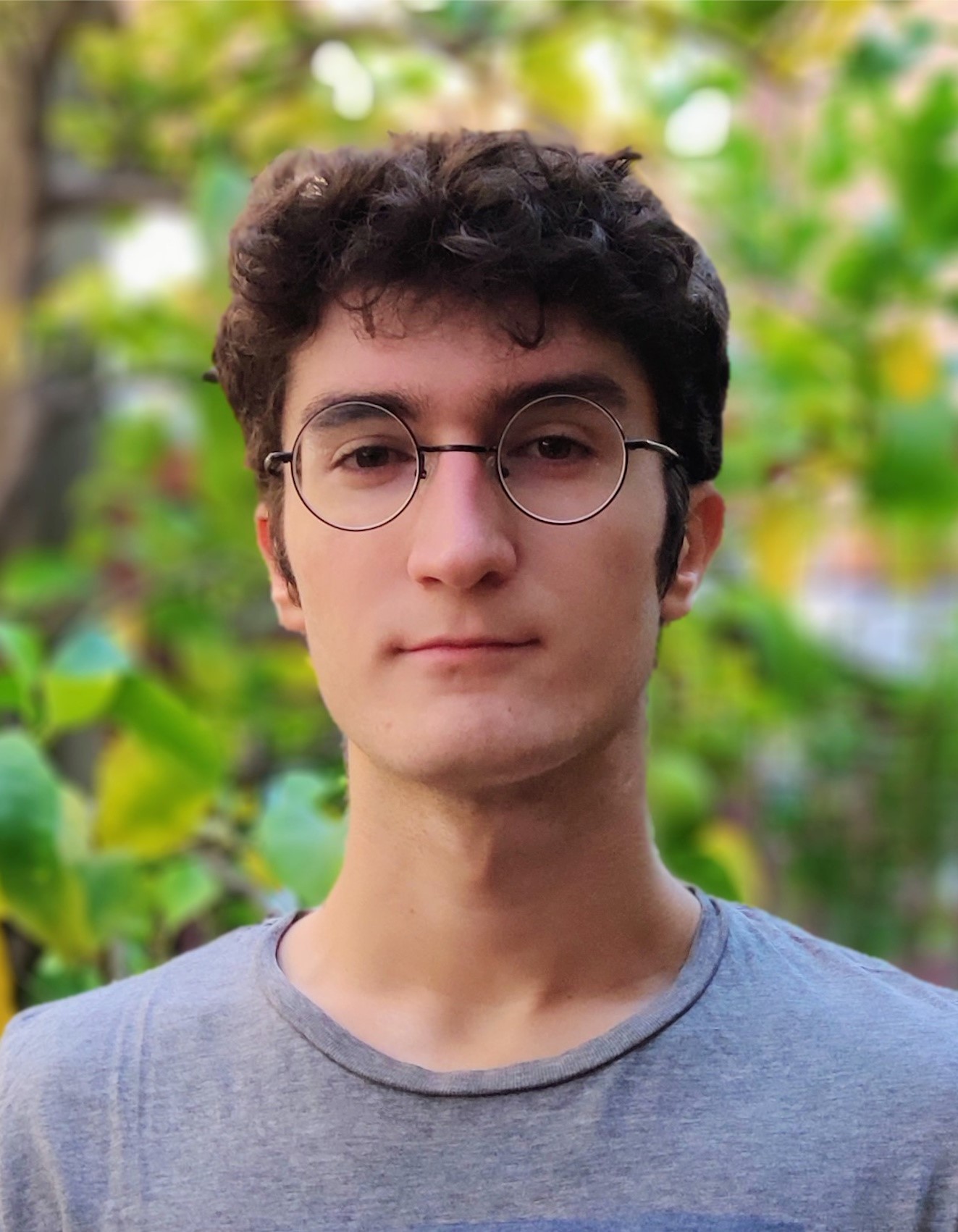
Alejandro Arrabal Sierra
Predoctoral Contract (Industrial Doctorate from CAM / Inmunotek).
ORCID code: 0000-0002-9354-9224
Graduated in Biotechnology in 2021 from the Polytechnic University of Madrid, carrying out his final degree project in the Immunobiology laboratory of the National Microbiology Center of the ISCIII. In 2021, he completed a Master's Degree in Research in Immunology at the Complutense University of Madrid and completed his master's thesis in the same CNM laboratory. Subsequently, he worked for a year as a Research Assistant in the laboratory of Dr. Elena Fernández Ruiz at the Hospital Universitario de la Princesa. Since the end of 2023, he has been a predoctoral fellow in the CNM Immunobiology laboratory with an Industrial Doctorate scholarship from the Community of Madrid in collaboration with the company Inmunotek.

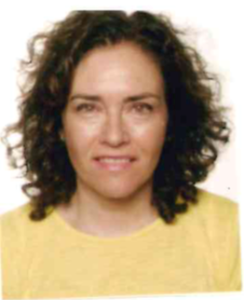


List of staff
Additional Information
Doctoral theses
“Expression and functionality of tlr2 and tlr4 in lymphomyeloid populations present in the lung and lymphoid organs during embryonic and neonatal life in mouse models.” Carolina Ruiz Sánchez. Complutense University of Madrid, 2022
Master's thesis
Detection and characterization of extracellular vesicles of platelet origin in lung supernatants from SPN-infected animals. Marta Paris, Alcalá University, 2024
Study of TLR-dependent activation in the RAW 264.7 macrophage line. Iñigo Merino de Saracho, Alcalá University, 2023
Study of the functionality of TLR receptors in the lung and other lymphoid organs in B cell populations using the neonatal mouse model. Yolanda Campanero, Alcalá University, 2023
Exploratory study of T lymphoid progenitors in the neonatal mouse lung. Alejandro Arrabal, Complutense University of Madrid, 2022
Study of B lymphoid differentiation in mice deficient for CD5 and CD6 molecules. Cristina Martín, Alcalá University, 2022
Role of platelets and their progenitor cells in two animal models of infection: SPN and RSV. Ana de Lucas Rius, Alcalá University, 2020
Pilot study of RSV infection in the mouse model: cellular phenotype of myeloid and lymphoid populations in the lung in two animal models of infection: SPN and RSV. Juan Antonio Martín Quesada, Alcalá University, 2020
B cell response during Streptococcus pneumoniae infection. Eva Castro, 2020
Study of the hematopoietic potential of neonatal lung cells in the mouse model. Ana Cogollo García, Alcalá University, 2018
Innate immune response to S. pneumoniae in the lung. Rodrigo Sánchez, Complutense University of Madrid, 2018
Neonatal immunity in the mouse model: localization and function of the innate and adaptive response. Alba Ezequiel Fernández, Alcalá University, 2017
Characterization of immunoglobulin gene diversity in the mouse model of TLR4 homeostasis and activation by bacterial lipopolysaccharide. Cristina García Caballero, Alcalá University, 2017
Altered lymphopoiesis and splenic B cell subsets on Telomerase Activity Deficient Mice (TERC-/-). Juliana Manosalva, Complutense University of Madrid, 2017
Study of the Immune Response in Nasopharyngeal Washings of Infants with Bronchiolitis. Isabel Martín Barrios, Complutense University of Madrid, 2016
Dynamics of B1-REL lymphocytes in the in vivo immunization model with DNP-LPS. Inmaculada Sanz Ramos University Alcalá, 2015
Megakaryocyte differentiation pathways in the mouse model. Marta Cobos Briz, Alcalá University, 2015
Role of megakaryocytes in infectious processes. Melania Guerrero Hue, Complutense University of Madrid, 2015
Final degree projects
Study of new bacterial vaccines in the mouse (Mus musculus) infection model due to Streptococcus pneumoniae. Alejandro Arrabal, Polytechnic University of Madrid, 2021
Megakaryocytes and platelets in SPN respiratory infection: Role of TLR4. Óscar González Hervás, Complutense University of Madrid, 2021
Study of the immune response mediated by pseudo-innate B lymphocytes against TLR4-dependent immunization models. Rodrigo Sánchez, Complutense University of Madrid, 2017.
Study of the diversity in the immunoglobulin repertoire in healthy individuals. Isabel Martín, Francisco de Vitoria University, 2015.
Dynamics of hematopoietic populations in the perinatal spleen. Inmaculada Sanz, Alcalá University, 2014
Teaching in training courses
Training course: Introduction to Flow Cytometry (from 2015 to present)
Training Course: Flow Cytometry Data Analysis (2018 to present)
Outreach / Citizen Science
• Collaboration in the 4th+Company CAM program.
• Collaboration with the ISCIII Scientific Culture Unit in Science Week at the ISCIII
• Scientific Dissemination Project "Talking about Science", carried out in Majadahonda primary, secondary and high school schools, since 2015 in collaboration with the Department of Education and Youth of the Majadahonda City Council: “How your Immune System works and healthy lifestyle habits to take care of it”
Doctoral theses
“Expression and functionality of tlr2 and tlr4 in lymphomyeloid populations present in the lung and lymphoid organs during embryonic and neonatal life in mouse models.” Carolina Ruiz Sánchez. Complutense University of Madrid, 2022
Master's thesis
Detection and characterization of extracellular vesicles of platelet origin in lung supernatants from SPN-infected animals. Marta Paris, Alcalá University, 2024
Study of TLR-dependent activation in the RAW 264.7 macrophage line. Iñigo Merino de Saracho, Alcalá University, 2023
Study of the functionality of TLR receptors in the lung and other lymphoid organs in B cell populations using the neonatal mouse model. Yolanda Campanero, Alcalá University, 2023
Exploratory study of T lymphoid progenitors in the neonatal mouse lung. Alejandro Arrabal, Complutense University of Madrid, 2022
Study of B lymphoid differentiation in mice deficient for CD5 and CD6 molecules. Cristina Martín, Alcalá University, 2022
Role of platelets and their progenitor cells in two animal models of infection: SPN and RSV. Ana de Lucas Rius, Alcalá University, 2020
Pilot study of RSV infection in the mouse model: cellular phenotype of myeloid and lymphoid populations in the lung in two animal models of infection: SPN and RSV. Juan Antonio Martín Quesada, Alcalá University, 2020
B cell response during Streptococcus pneumoniae infection. Eva Castro, 2020
Study of the hematopoietic potential of neonatal lung cells in the mouse model. Ana Cogollo García, Alcalá University, 2018
Innate immune response to S. pneumoniae in the lung. Rodrigo Sánchez, Complutense University of Madrid, 2018
Neonatal immunity in the mouse model: localization and function of the innate and adaptive response. Alba Ezequiel Fernández, Alcalá University, 2017
Characterization of immunoglobulin gene diversity in the mouse model of TLR4 homeostasis and activation by bacterial lipopolysaccharide. Cristina García Caballero, Alcalá University, 2017
Altered lymphopoiesis and splenic B cell subsets on Telomerase Activity Deficient Mice (TERC-/-). Juliana Manosalva, Complutense University of Madrid, 2017
Study of the Immune Response in Nasopharyngeal Washings of Infants with Bronchiolitis. Isabel Martín Barrios, Complutense University of Madrid, 2016
Dynamics of B1-REL lymphocytes in the in vivo immunization model with DNP-LPS. Inmaculada Sanz Ramos University Alcalá, 2015
Megakaryocyte differentiation pathways in the mouse model. Marta Cobos Briz, Alcalá University, 2015
Role of megakaryocytes in infectious processes. Melania Guerrero Hue, Complutense University of Madrid, 2015
Final degree projects
Study of new bacterial vaccines in the mouse (Mus musculus) infection model due to Streptococcus pneumoniae. Alejandro Arrabal, Polytechnic University of Madrid, 2021
Megakaryocytes and platelets in SPN respiratory infection: Role of TLR4. Óscar González Hervás, Complutense University of Madrid, 2021
Study of the immune response mediated by pseudo-innate B lymphocytes against TLR4-dependent immunization models. Rodrigo Sánchez, Complutense University of Madrid, 2017.
Study of the diversity in the immunoglobulin repertoire in healthy individuals. Isabel Martín, Francisco de Vitoria University, 2015.
Dynamics of hematopoietic populations in the perinatal spleen. Inmaculada Sanz, Alcalá University, 2014
Teaching in training courses
Training course: Introduction to Flow Cytometry (from 2015 to present)
Training Course: Flow Cytometry Data Analysis (2018 to present)
Outreach / Citizen Science
• Collaboration in the 4th+Company CAM program.
• Collaboration with the ISCIII Scientific Culture Unit in Science Week at the ISCIII
• Scientific Dissemination Project "Talking about Science", carried out in Majadahonda primary, secondary and high school schools, since 2015 in collaboration with the Department of Education and Youth of the Majadahonda City Council: “How your Immune System works and healthy lifestyle habits to take care of it”