



We protect your health through science
Investigation
Viral Infections and Immunity in Immunosuppressed patients
Research Lines
Content with Investigacion .

B) Study of the distribution and dynamics of HPV infections in risk groups. There are some particularly vulnerable groups, some of them difficult to access (sex workers, transgender groups, etc.), in which HPV infections deserve special attention. The prevalence of HPV infection is especially high in people living with HIV and/or among men who have sex with men. Knowledge of the distribution and dynamics of infections is especially interesting in these groups, as they may help to improve current algorithms for the prevention of anogenital cancer.
C) Study of infection by HPV genotypes and their relationship with progression to neoplastic processes. The oncogenic capacity of some HPV genotypes and their involvement in the production of anogenital cancer is well known. In addition, there are other oncological processes, such as non-melanoma skin cancer, in which HPV could be implicated. Thus, members of the gamma-24 HPV species have recently been associated with skin cancer. It is to be hoped that the appearance of new genotypes and the performance of more extensive studies may lead to the identification of new associations between HPV and neoplastic processes.
D) Study of co-infections by different HPV genotypes. The presence of co-infections of different HPV genotypes is a very frequent finding, both in skin samples and in different mucous membranes. The great genetic diversity of HPV limits the ability of classical molecular methods to perform a comprehensive detection and study of the genotypes present. However, the use of massive sequencing makes it possible to eliminate some of these biases and to obtain more detailed information on the existing HPV populations, as well as to analyze interactions between the different genotypes.
E) Description of new HPV genotypes/variants. Currently at the International HPV Reference Center (Karolinska Institute, Sweden) more than 220 HPV genotypes are described, distributed in 5 different genera. However, improved molecular detection techniques, as well as the use of massive sequencing, are allowing this number to increase rapidly. The study of new genotypes and variants is essential for the validation and quality control of available diagnostic methods. Similarly, their characterization and the study of possible associations of HPV with pathologies other than those already known is a field of great interest for research.
Research projects
Content with Investigacion .
Título: Impact of vaccination against Human Papillomavirus in Spain: Studye of the distribution of genotypes and its application in surveillance. Principal Investigator: Horacio Gil. Starting/End dates: 2024-2026. Funding Entity: Acción Estratégica de Salud Intramural (AESI) del Instituto de Salud Carlos III. Project Reference: PI23CIII/00006.
Título: Effect of feminizing therapy on immune response in transgender women. Principal Investigator: Victor Manuel Sánchez Merino. Collaborating Investigator: Horacio Gil. Starting/End dates:2025-2027. Funding Entity: Acción Estratégica de Salud Intramural (AESI) del Instituto de Salud Carlos III. Project Reference: PI24CIII/00031.
Publications
Mycobacterium mageritense meningitis in an immunocompetent patient with an intrathecal catheter.
9. Muñoz-Sanz A, Rodríguez Vidigal FF, Vera-Tome A, Jimenez MS. Mycobacterium mageritense meningitis in an immunocompetent patient with an intrathecal catheter. Enfer Infecc Microbiol Clin. 2013; 31:59-6
PUBMED DOIMeasles virus genotype D4 strains with non-standard length M-F non-coding region circulated during the major outbreaks of 2011-2012 in Spain.
2. Gil H, Fernández-García A*, Mosquera MM, Hübschen JM, Castellanos AM, de Ory F, Masa-Calles J, Echevarría JE.Measles virus genotype D4 strains with non-standard length M-F non-coding region circulated during the major outbreaks of 2011-2012 in Spain. PLoS One. 2018 Jul. 16;13(7):e0199975. * Corresponding author.
PUBMED DOIIsolation, antigenicity and immunogenicity of Lleida Bat Lyssavirus
3. Banyard AC, Selden D, Wu G; Thorne L, Jennings D, Marston D, Finke S, Freuling CM, Mueller T, Echevarria JE, Fooks AR. Isolation, antigenicity and immunogenicity of Lleida Bat Lyssavirus. Journal of General Virology, 2018. 99(12):1590-1599
PUBMED DOIShift within age-groups of mumps incidence, hospitalizations and severe complications in a highly vaccinated population
6. López-Perea N, Masa-Callesa J, Torres de Miera MV, Fernández-García A, Echevarría JE, de Ory F, Martínez de Aragón MV. Shift within age-groups of mumps incidence, hospitalizations and severe complications in a highly vaccinated population. Spain, 1998–2014. Vaccine, 2017, 35(34): 4339-4345.
PUBMED DOIThe Complexity of Antibody Responses Elicited against the Respiratory Syncytial Virus Glycoproteins in Hospitalized Children Younger than 2 Years
2. Trento A, Rodriguez-Fernandez R, Gonzalez-Sanchez MI, Gonzalez-Martinez F, Mas V, Vazquez M, et al. The Complexity of Antibody Responses Elicited against the Respiratory Syncytial Virus Glycoproteins in Hospitalized Children Younger than 2 Years. Front Microbiol. 2017;8:2301.
PUBMED DOIPotent single-domain antibodies that arrest respiratory syncytial virus fusion protein in its prefusion state.
3. Rossey I, Gilman MS, Kabeche SC, Sedeyn K, Wrapp D, Kanekiyo M, et al. Potent single-domain antibodies that arrest respiratory syncytial virus fusion protein in its prefusion state. Nat Commun. 2017;8:14158.
PUBMED DOIRapid profiling of RSV antibody repertoires from the memory B cells of naturally infected adult donors
6. Gilman MS, Castellanos CA, Chen M, Ngwuta JO, Goodwin E, Moin SM, et al. Rapid profiling of RSV antibody repertoires from the memory B cells of naturally infected adult donors. Sci Immunol. 2016;1(6).
PUBMED DOICharacterization of a Prefusion-Specific Antibody That Recognizes a Quaternary, Cleavage-Dependent Epitope on the RSV Fusion Glycoprotein.
8. Gilman MS, Moin SM, Mas V, Chen M, Patel NK, Kramer K, et al. Characterization of a Prefusion-Specific Antibody That Recognizes a Quaternary, Cleavage-Dependent Epitope on the RSV Fusion Glycoprotein. PLoS Pathog. 2015;11(7):e1005035.
PUBMED DOIPolyclonal and monoclonal antibodies specific for the six-helix bundle of the human respiratory syncytial virus fusion glycoprotein as probes of the protein post-fusion conformation.
9. Palomo C, Mas V, Vazquez M, Cano O, Luque D, Terron MC, et al. Polyclonal and monoclonal antibodies specific for the six-helix bundle of the human respiratory syncytial virus fusion glycoprotein as probes of the protein post-fusion conformation. Virology. 2014;460-461:119-27.
PUBMED DOIBiophysical properties of single rotavirus particles account for the functions of protein shells in a multilayered virus
Jiménez-Zaragoza M., Yubero M.L., Martín-Forero E., Castón J.R., Reguera D., Luque D.*, de Pablo P.J., Rodríguez J.M. 2018. Biophysical properties of single rotavirus particles account for the functions of protein shells in a multilayered virus. eLife 7: e37295. *Corresponding author.
PUBMED DOIAcquisition of functions on the outer capsid surface during evolution of double-stranded RNA fungal viruses
Mata C.P., Luque D., Gómez-Blanco J., Rodríguez J.M., González J.M., Suzuki N., Ghabrial S.A., Carrascosa J.L., Trus B.L., Castón J.R. 2017. Acquisition of functions on the outer capsid surface during evolution of double-stranded RNA fungal viruses. PLoS Pathog. 13(12):e1006755.
PUBMED DOIStructural Insights into the Assembly and Regulation of Distinct Viral Capsid Complexes
Sarker S., C. Terrón M., Khandokar Y., Aragão D., Hardy J.M., Radjainia M., Jiménez-Zaragoza M., de Pablo P.J., Coulibaly F., Luque D., Raidal D.R., Forwood J.K. 2016. Structural Insights into the Assembly and Regulation of Distinct Viral Capsid Complexes. Nat. Commun. 7:13014. IF: 12.124; D1.
PUBMED DOIHeterodimers as the structural unit of the T=1 capsid of the fungal dsRNA Rosellinia necatrix quadrivirus 1
Luque D., Mata C.P., González-Camacho F., González J.M., Gómez-Blanco J., Alfonso C., Rivas G., Havens W.M., Kanematsu S., Suzuki N., Ghabrial S.A., Trus B.L., Castón J.R. 2016. Heterodimers as the structural unit of the T=1 capsid of the fungal dsRNA Rosellinia necatrix quadrivirus 1. J Virol. 90(24):11220-11230. IF: 4.666, Q1.
PUBMED DOISelf-assembly and characterization of small and monodisperse dye nanospheres in a protein cage
Luque D., de la Escosura A., Snijder J., Brasch M., Burnley R.J, Koay M.S.T., Carrascosa J.L., Wuite G.J.L., Roos W.H., Heck A.J.R., J.J.L.M Cornelissen, Torres T., Castón J.R. 2014. Self-assembly and characterization of small and monodisperse dye nanospheres in a protein cage. Chem. Sci.,5, 575-581. IF: 9.211, D1.
DOICryo-EM near-atomic structure of a dsRNA fungal virus shows ancient structural motifs preserved in the dsRNA viral lineage.
Luque D., Gómez-Blanco J., Garriga D., Brilot A.F., González J.M., Havens W.M., Carrascosa J.L., Trus B.L., Verdaguer N., Ghabrial S.A., Castón J.R. 2014. Cryo-EM near-atomic structure of a dsRNA fungal virus shows ancient structural motifs preserved in the dsRNA viral lineage. Proc Natl Acad Sci U S A 111(21):7641-7646. IF: 9.674, D1
PUBMED DOINew insights into rotavirus entry machinery: stabilization of rotavirus spike conformation is independent of trypsin cleavage
Rodríguez J.M., Chichón F.J., Martín-Forero E., González-Camacho F., Carrascosa J.L., Castón J.R., Luque D*. 2014. New insights into rotavirus entry machinery: stabilization of rotavirus spike conformation is independent of trypsin cleavage. PLoS Pathog. 10(5):e1004157. IF: 7.562, D1. * Corresponding autor.
PUBMED DOIContent with Investigacion .
-
Concepción Casado Herrero
Tenure Scientist of Public Research Organizations (OPIs)
ORCID code: 0000-0003-3412-2877
-
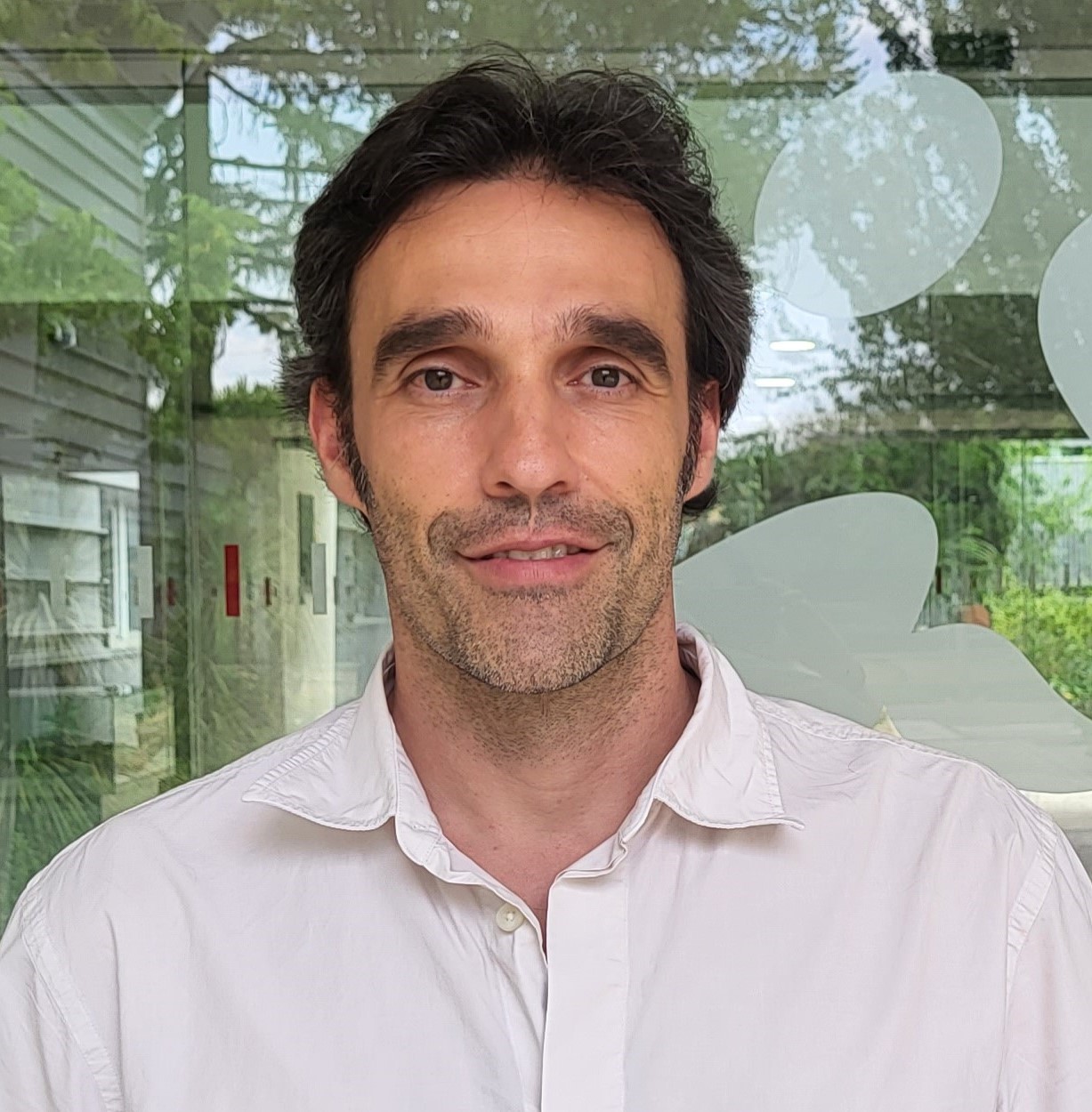
Javier García Pérez
Investigador Doctor
ORCID code: 0000-0001-7551-7803
Graduated in Biochemistry (1999) and Molecular Biology (2000) from the Autonomous University of Madrid (UAM), he obtained a predoctoral fellowship “ISCIII” in the AIDS Immunopathology laboratory, where he developed new techniques based on recombinant viruses. His doctoral thesis focused on the application of this technological development to the study of the replicative capacity of HIV-1 and its resistance to antiretroviral drugs, obtaining the degree of Doctor of Science from the UAM in 2007.
Thanks to a short postdoc in 2008 and several stays between 2009 and 2015 at the Viral Pathogenesis Unit of the Institut Pasteur in Paris he extended his training in the study of HIV-1 envelope and tropism. Between 2015 and 2019 he rejoins the AIDS Immunopathology Unit at ISCIII, focusing his work on the study of the functional capacity of founder viruses, as well as variants of the virus with interest in Public Health due to its recent expansion in our country. He is currently leading a project on the study of a mutation in transportin 3 observed in patients with a very rare muscular dystrophy (LGMDD2) that confers protection against HIV-1 infection.
During the last 5 years he combines this activity in HIV-1 with the participation and leadership of different clinical trials and studies investigating the immunity generated in people vaccinated against SARS-CoV-2 infection.
Since 2024 he is a “Investigador Doctor fuera de Convenio” at the Spanish National Centre of Microbiology and he currently coordinates together with Dr. Francisco Díez Fuertes the AIDS Immunopathology Unit.
-
Miguel Thomson
Research Professor. Head of Unit
-

Eloisa Yuste Herranz
Staff Scientist
ORCID code: 0000-0002-9484-9974
She holds a Bachelor's and a Ph.D. in Biological Sciences from the Complutense University of Madrid. She completed her first postdoctoral stay (1998–2001) at the “Severo Ochoa” Molecular Biology Center (Madrid). In 2001, she undertook a second postdoctoral stay at Harvard Medical School (USA), where she was promoted to Associate Researcher in 2005.
In 2008, she joined the August Pi i Sunyer Biomedical Research Institute (Barcelona) as a Ramón y Cajal Researcher, later being promoted to I3 Researcher in 2011 at the same institution. In 2016, she joined the National Center for Microbiology at the Carlos III Health Institute (Madrid) as a Distinguished Researcher. In 2018, she was promoted to Tenured Scientist at the same institution.
Her research has focused on the study of humoral immunity against HIV-1 and the development of preventive HIV-1 vaccine prototypes. She is currently co-leading, alongside Dr. Víctor Sánchez Merino, the newly established Humoral Immunity and HIV Vaccines Unit.
-
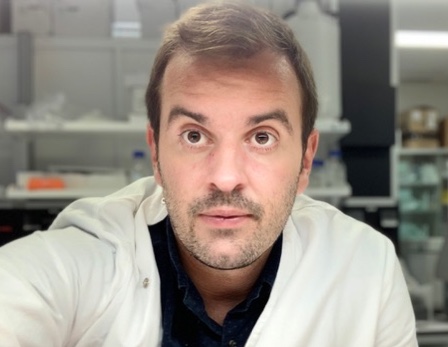
Francisco Díez Fuertes
Investigador Doctor Indefinido
ORCID code: 0000-0003-2413-9229
Degree in Biology from the University of León, PhD specialized in molecular virology from the Complutense University of Madrid in 2010 and master's degree in bioinformatics and computational biology from the same university in 2012. He has done research stays at University of Illinois at Urbana Champaign (USA) in 2010, Nebraska Center for Virology (USA) in 2011, Institut Pasteur (France) in 2013 and J. Craig Venter Institute (USA) in 2015-2016.
He joined the AIDS Immunopathology Unit in 2013 with a contract from the “Sara Borrell” postdoctoral program. After a period at the August Pi i Sunyer Biomedical Research Institute in Barcelona he rejoins the AIDS Immunopathology Unit in 2020 as a PhD researcher.
His lines of research have focused on the genomic and transcriptomic characterization of extreme phenotypes in HIV-1 infection, including long-term non-progressors and elite controllers. He collaborates with other laboratories of the center in the analysis of outbreaks caused by viruses with interest in Public Health, as well as in evolutionary studies on genomic epidemiology. Since 2020 he has led different clinical studies on COVID-19. Currently, he combines omics sciences with different bioinformatics tools to answer different scientific questions in the field of virology, especially in HIV-1 and SARS-CoV-2 research. He currently coordinates together with Dr. Javier García Pérez the AIDS Immunopathology Unit.
-
María Pernas Escario
Senior Specialized Technician of Public Research Organizations (OPIs)
ORCID code: 0000-0003-2966-0160
-
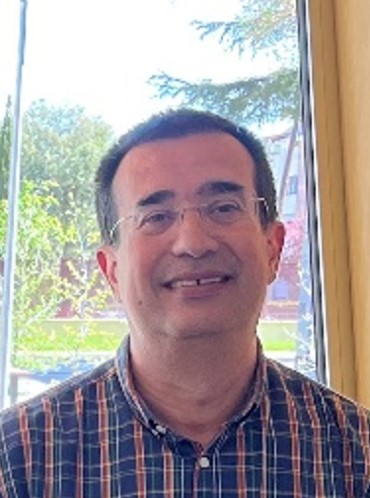
Victor Sánchez Merino
Distinguished Scientist
ORCID code: 0000-0001-9400-427X
He holds a Bachelor's and a Ph.D. in Pharmacy from the Complutense University of Madrid, specializing in virology and molecular biology. His research has focused on the study of HIV and EBV. His doctoral thesis addressed the evolution of HIV-1 and the restoration of mutant HIV-1 reverse transcriptase function.
He completed a postdoctoral stay at Harvard University, investigating new viral interactions (2001–2003). At the University of Massachusetts, he explored CD8+ T lymphocyte responses in vertical HIV transmission (2003–2008).
In Spain, at the Hospital Clínico-IDIBAPS (Barcelona; 2008–2017) and the Carlos III Health Institute (Madrid; 2017–Present), he has led research on HIV-1 neutralizing antibodies and the design of preventive vaccines.He is currently co-leading, alongside Dr. Eloísa Yuste Herranz, the newly established Humoral Immunity and HIV Vaccines Unit. Additionally, he is a professor and principal investigator at Alfonso X el Sabio University (Madrid).
-

Nuria González Fernández
Investigadora Contratada indefinida
ORCID code: 0000-0002-0087-5144
She completed her PhD in 2007 (Universidad Autónoma de Madrid), focused on the development of an envelope recombinant virus system to characterize HIV-1 tropism, as well as on the study of the role of the chemokine CXCL12 in virus propagation at the infectious synapse. Part of this work was carried out in the laboratory of Dr. Quentin Sattentau at the University of Oxford.
During her postdoctoral period, she expanded her research on the mechanisms of HIV entry and specialized in the study of the neutralizing response. She developed a system to measure neutralizing activity, which has been used in clinical trials of HIV vaccine candidates. During a stay at the Vaccine Research Center, NIH (USA), she acquired experience in various techniques for the characterization of broadly neutralizing antibodies, leading to new collaborations and research projects, which she is currently developing in the AIDS Immunopathology Unit of the Carlos III Health Institute.
She has participated in research networks such as EAVI2020 (co-PI), CIBERINFEC, RIS and EUROPRISE (EU). Since 2014 she is a professor of the Master in Microbiology applied to Public Health and Infectious Diseases Research at the University of the University of Alcalá and, since 2023, of the Master in Human Immunodeficiency Virus Infection at the University Rey Juan Carlos.
-
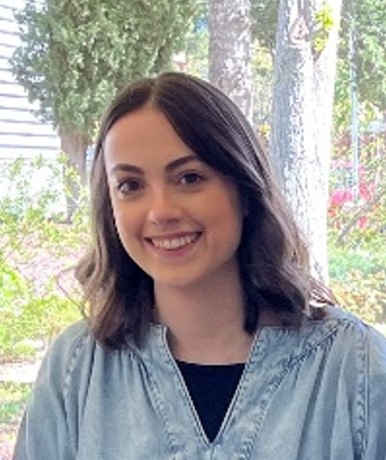
Almudena Rubio Perez
Research Assistant
ORCID code: 0009-0006-4687-7555
Graduated in Biochemistry from the University of Córdoba (Andalusia, Spain) with a master's degree in Biomedicine from the University of Cádiz (Andalusia, Spain). She is currently part of the Humoral Immunity and HIV Vaccines Unit (IHV) at the National Center for Microbiology (CNM) under a Youth Guarantee contract funded by the Community of Madrid and is pursuing a Ph.D. in the Microbiology and Parasitology program at the Complutense University of Madrid.
-
Virginia Sandonís Martín
Senior Specialized Technician of Public Research Organizations (OPIs)
ORCID code: 0000-0001-5762-7531
-
Mercedes Bermejo Herrero
Investigadora post-doctoral contratada
ORCID code: 0000-0001-9909-8578
Degree and PhD in Biological Sciences (Biochemistry and Molecular Biology) from the Autonoma University of Madrid. Her doctoral thesis studied the expression of CXCR4 and SDF-1/CXCL12 in lymphocytes and dendritic cells and their implications in HIV-1 infection.
She has completed internships in various laboratories: the Immunology Department of the Gregorio Marañón University Hospital in Madrid, the Research Center of the 12 de Octubre University Hospital in Madrid (where she was head of the flow cytometry service) and is currently at the CNM (National Research Center) of the Carlos III Health Institute.
Her research interests have focused on the study of HIV biology and its interaction with the immune system. She has currently participated in clinical trials, CombiVacs and ENE-Covid Senior, and in collaboration with Hipra.
-
Rosa Fuentes Fernández
Laboratory Technician
-

Rubén Ayala Suárez
Técnico Superior Especializado OPI
ORCID code: 0000-0002-1271-646.
Graduated in Biotechnology from the University of Cadiz (2015), Master in Microbiology of Infectious Diseases (2016) and PhD in Functional Biology from the University of Alcalá (2023). He carried out his PhD Thesis at the AIDS Immunopathology laboratory (CNM) on post-translational epigenetic mechanisms of natural control of HIV infection. In the same period, he completed a Diploma in Bioinformatics at Pablo de Olavide University (2021).
In 2023 he joined as a postdoctoral researcher in the HIV and AIDS research group at the August Pi i Sunyer Biomedical Research Institute (Barcelona), where he worked on the relationship of HIV and senescence until his incorporation as a Técnico Superior Especializado in the AIDS Immunopathology unit of the Spanish National Center of Microbiology (ISCIII) in 2025.
The main research projects in which he participates focus on resistance and natural control to HIV infection, as well as the evaluation of the immune response in vaccine trials, using mainly bioinformatics techniques focused on massive sequencing (RNA-Seq, single-cell, genome sequencing), the application of biostatistics and machine learning in data management.
-
-
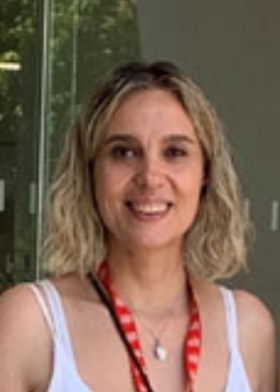
Almudena Cascajero Díaz
Técnico de laboratorio
ORCID code: 0000-0002-9654-3100
Técnico Superior de Actividades Técnicas y Profesionales (Unidades de Inmunopatología del SIDA y Legionella, Centro Nacional de Microbiología). Clinical Diagnostic Laboratory Technician by IES Renacimiento de Madrid.
Experience in cloning techniques and characterization of neutralizing antibodies and participation in different projects on the pathogenesis of HIV by studying the viral envelope and the mechanisms of resistance to antiretroviral drugs. This experience has subsequently allowed me to participate in 5 multicenter clinical studies studying the immune response against different variants of SARS-CoV-2.
Since 2021, I also participate as a laboratory technician in the Legionella Unit as a support to the Spanish National Health System through the microbiological surveillance of the disease to contribute to the prevention and control of legionellosis.
-

Manuela Beltrán Vicente
Técnico de Laboratorio Indefinido
ORCID code: 0000-0001-6185-2280
Senior Technician of Technical and Professional Activities (AIDS Immunopathology Unit, Spanish National Center of Microbiology).
Clinical Analysis Laboratory Specialist Technician by IES Las Musas (Madrid, 1996). Demonstrated experience in the development of strategies against HIV, focused on the screening of compounds of both natural and synthetic origin with antiviral activity and identification and evaluation of potential therapeutic agents, as well as the screening of serological samples for the study of immunity for the identification of possible strategies for the development of vaccines against HIV. -

Silvia Jara Herrera
Técnico de Laboratorio Contratado CIBERINFEC
ORCID code: 0009-0001-2842-2040
Clinical and Biomedical Diagnostic Laboratory Technician.
She is currently working in the AIDS Immunopathology Unit of the Spanish National Center of Microbiology (ISCIII) with a contract through the Spanish Biomedical Research Networking Centre in Infectious Diseases (CIBER-INFEC).
She worked from March 2020 to September 2024 at the Department of Animal Health (Faculty of Veterinary Medicine) of the Universidad Complutense de Madrid.
She has experience in serological techniques (ELISA, Western Blot and IFA), cell culture and molecular biology.
-

Irene Díaz Marín
Técnico de laboratorio contratado
Clinical and Biomedical Diagnostics laboratory technician by CIFP Politécnico de Murcia-CESUR and graduated in Journalism from the Complutense University of Madrid.
She is currently at the AIDS Immunopathology Unit of the Spanish National Center of Microbiology with a contract of the “Garantía Juvenil” program (Community of Madrid), where she performs technical tasks in several research projects about HIV-1 and COVID-19.
-

Lorena Vigón Hernandez
Tenured Specialized Technician from OPIs
ORCID code: 0000-0002-6405-4054
Graduate in Health Biology and PhD in Health Sciences from the University of Alcalá de Henares. In 2016, she joined the CNM-ISCIII under a Youth Guarantee contract funded by the Community of Madrid, and in 2018 she was awarded a pFIS fellowship, which enabled her to remain at the same institution. Subsequently, in 2022, she was appointed as a Tenured Specialized Technical Staff of the Spanish Public Research Organizations (OPIs).
Her research has primarily focused on elucidating the mechanism of action of tyrosine kinase inhibitors in HIV-1 infection (PMID: 32828803; PMID: 34186065), as well as on the identification of biomarkers that could predict COVID-19 severity (PMID: 34616404; PMID: 34122423; PMID: 35960731).
She is currently a member of the recently established Humoral Immunity and HIV Vaccines Unit, led by Dr. Eloisa Yuste and Dr. Victor Sanchez-Merino.
Actualmente forma parte de la recientemente creada Unidad de Inmunidad Humoral y Vacunas frente al VIH, liderada por la Dra. Eloísa Yuste Herranz y el Dr. Víctor Sánchez Merino.
-
Laura Capa Muñoz
Investigadora post-doctoral contratada
ORCID code: 0000-0002-0234-331X
Degree in Biological Sciences from the Universidad Autónoma de Madrid and PhD from the Universidad Complutense de Madrid, she has a master's degree in AIDS (Universidad Complutense de Madrid) and a master's degree in HIV infection (Universidad Rey Juan Carlos de Madrid).
Professional activity developed mainly in the study of infectious diseases, both in the field of basic research in public research centers and in the pharmaceutical industry, as well as in the field of public health and scientific management. She has worked in the international response to the HIV pandemic, representing the Ministry of Health as an expert in meetings of the European Commission and collaborated with the WHO. At the Instituto de Salud Carlos III, she has led the scientific management of national and European projects in the AIDS Immunopathology Unit and has been part of the Institute's Data Protection Working Group. Currently, she continues to coordinate the Cohort of Long-Term Non-Progressing Patients created by the Spanish AIDS Research Network (RIS), is part of the coordination team of the PhD Program in Biomedical Sciences and Public Health IMIENS-UNED-ISCIII and of the Institute's Working Group on Equality.



List of staff