



We protect your health through science
Investigation
Hepatitis C and other RNA virus
Research Lines
Content with Investigacion .
Mechanisms of pathogenic fungal host adaptation: Morphogenesis in Cryptococcus neoformans
One of the main mechanisms by which fungi are able to cause disease in humans is their ability to evade the immune response and adapt to the environmental conditions found in the host. In this regard, one of the yeasts that has the greatest ability to adapt to the host is Cryptococcus neoformans. This fungus is found in the environment, and is acquired by inhalation, although the most typical picture is meningitis in immunocompromised patients, mainly HIV+. The main phenotypic characteristic is the presence of a polysaccharide capsule surrounding the cell, which is considered a virulence factor. In addition, C. neoformans is able to increase cell size significantly forming “titan” cells, which can reach a diameter of more than 70 microns. In the laboratory, we are interested in the role of these titan cells in the virulence of C. neoformans. Recently, we have described in vitro media in which C. neoformans forms pseudo-titan cells, which has allowed us to identify new factors and pathways involved in this process.
Mechanisms of action of antifungals
In parallel, we have a line whose main objective is to characterize the mechanisms of action of antifungals. Specifically, we have focused our work on the effect of Amphotericin B (AmB). For decades it has been thought that this antifungal causes cell death after binding to ergosterol and pore formation. Our results indicate that this antifungal also induces strong oxidative stress in the cell, which occurs before cell integrity is lost. Furthermore, we have shown that oxidative stress is necessary for the fungicidal action of AmB. These results open the door to design new strategies to improve its efficiency in patients.
New therapeutic strategies
Work with AmB has led to research aimed at improving antifungal therapies. In particular, we have used the strategy of “off-patent” drug repositioning to search for new activities. Using this approach, we have identified several drugs that increase the effectiveness of AmB against major pathogenic yeasts, such as the antibiotic erythromycin. This approach has allowed us to identify drugs with antifungal activity against emerging pathogens, such as Candida auris.
Research projects
Content with Investigacion .
Projects with public funding
TITLE: Virulence factors of pathogenic yeasts and their influence on the host.
FUNDING ENTITY: Ministry of Education and Science.
POSITION HELD: Principal Investigator, Contracted “Ramón y Cajal”.
START/FINISH: 2006-2007
AMOUNT: 15,000 EUROS
TITLE: Characterization of fungal giant cells and their role during infection in mammals.
FINANCING ENTITY: Instituto de Salud Carlos III
POSITION HELD: Principal Investigator, Contracted “Ramón y Cajal”.
START/FINISH: 2006-2007
AMOUNT: 55,000 EUROS
TITLE: Search and identification of genes involved in the resistance to antifungal agents in
Cryptococcus neoformans
FUNDING ENTITY: Ministry of Science and Innovation.
POSITION HELD: Principal Investigator, Contracted “Ramón y Cajal”.
START/FINISH: 2008-2010
AMOUNT: 25,000 EUROS
COLLABORATORS: Juan Luis Rodríguez Tudela (National Center of Microbiology, ISCIII. Madrid); Manuel Cuenca Estrella (National Center of Microbiology, ISCIII. Madrid); Maria Jose Gianinni (Faculdade de Ciências Farmacêuticas-UNESP). Brazil
TITLE: Role of morphological changes of the pathogenic yeast Cryptococcus neoformans during host infection.
FUNDING ENTITY: Ministry of Science and Innovation. National Plan Program “Non-oriented Fundamental Research”, area of Biomedicine, SAF2008-03761.
POSITION HELD: Principal Investigator, Contracted “Ramón y Cajal”.
START/END: 2009-2011
AMOUNT: 46,000 EUROS
PROJECT TITLE: Identification of the molecular mechanisms involved in the morphogenesis of Cryptococcus neoformans and study of their function during infection.
FUNDING ENTITY: Ministry of Science and Innovation, National Plan for Non-Oriented Fundamental Research, Biomedicine Area, Referencia: SAF2011-25140
DURATION FROM: January 2012 UNTIL: December 2014
PRINCIPAL INVESTIGATOR: Oscar Zaragoza Hernández
This project has an FPI grantee granted.
SUBSIDY: 90.000 euros
TITLE: Importance of morphogenesis in the virulence of pathogenic yeast Cryptococcus neoformans and improvement of amphotericin B-based cryptococcosis therapy. Reference: SAF2014-25140
FUNDING ENTITY: MINECO (Call for R+D+I Projects “RETOS INVESTIGACION)
POSITION HELD: Principal Investigator
START/FINISH: 2015-2017
Funding: 100.000 €.
TITLE: Study of the molecular basis and factors inducing morphological changes in Cryptococcus neoformans and characterization of new therapeutic strategies. Reference: SAF2017-86912-R
FUNDING ENTITY: MINECO (Call for R+D+I Projects “RETOS INVESTIGACION)
POSITION HELD: Principal Investigator
START/END: 2018-2020
Funding: 106.000 €.
TITLE: Mechanisms of adaptation of the pathogenic yeast Cryptococcus neoformans to the lung. Reference: PID2020-114546RB
FUNDING ENTITY: Ministry of Science and Innovation, State Research Agency (Call “Proyectos I+D+I” 2020 - Modalities “Research Challenges” and “Knowledge Generation”).
POSITION HELD: Principal Researcher
START/END: 01/09/2021-31/05/2025
Funding: 143,990 €.

TITLE: Precision medicine against antimicrobial resistance. MePRAM Project.
FUNDING ENTITY: Research Projects on Precision Personalized Medicine of the Strategic Action in Health 2021-2023, under the PERTE for Vanguard Health and charged to the European funds of the Recovery, Transformation and Resilience Plan.
POSITION: Collaborator (Principal Investigator: Jesús Oteo Iglesias)
START/FINISH: 2023-2025
Funding: 4.339.500 €.
TITLE: Centre for Biomedical Research in Network. Infectious Diseases Area (CIBERINFEC)
Funding Agency: Insituto de Salud Carlos III. Reference: CB21/13/00105
Dates: 2022-2026 Funding: 85.000 € (first year)
PI: Emilia Mellado Terrado / CoPI: Óscar Zaragoza Hernández

TITLE: Study of the genetic, metabolic and cellular determinants that influence titan cell formation in the fungal pathogen Cryptococcus neoformans and correlation with antifungal exposure.
CALL FOR PROJECTS: Knowledge Generation Projects.
FUNDING ENTITY. State Research Agency. Ministry of Science, Innovation and Universities.
REFERENCE: Project PID2023-148686OB-I00 Project funded by MICIU/AEI/10.13039/501100011033 and by FEDER, EU.
PRINCIPAL INVESTIGATOR: Oscar Zaragoza Hernández
START/END: 2024-2027
FUNDING: 180.000 €.

TITLE: Characterization of azole-resistant Candida parapsilosis isolates associated with hospital outbreaks: New strategies for their detection and treatment.
CALL: Strategic Action in Intramural Health.
FUNDING ENTITY. Carlos III Health Institute.
REFERENCE: AESI-2024 PI24CIII/00051
PRINCIPAL RESEARCHER: Oscar Zaragoza Hernández / Laura Alcázar Fuoli
START/FINISH: /01/012025-31/12/2027
FUNDING: 70.000 €.
Projects financed by biotechnology companies
PROJECT TITLE: Amphores. Evaluation of the induction of oxidative damage by Amphoterin B in susceptible and resistant yeast species.
FUNDING ENTITY: Gilead
DURATION FROM: 2011 TO: 2012
PRINCIPAL INVESTIGATOR: Oscar Zaragoza Hernández
GRANT: 55,000 euros
TITLE: Fungomics. Evaluation of the activity of amphotericin B and other antifungals against human pathogenic fungi.
FINANCING ENTITY: Gilead
POSITION HELD: Principal Investigator
START/END: 2019-2020
TITLE: Antifungal susceptibility testing of a set of Candida spp to CD101 and anidulafungin in five microdilution plates.
FUNDING ENTITY: Cidara
POSITION HELD: Principal Investigator
START/END: 2018
TITLE: Cidara MultiCentre EUCAST study
FUNDING ENTITY: Cidara
POSITION HELD: Principal Investigator
START/END: 2016
TITLE: Characterization of triazole-resistant Candida parapsilosis isolates from Spanish hospitals
FUNDING ENTITY: Gilead Science
POSITION HELD: Principal Investigator
START/END: 2022-2023
TITLE: EUCAST multicentre MIC testing of manogepix meeting EUCAST ECOFF setting criteria
FUNDING ENTITY: Pfizer
POSITION HELD: Principal Investigator
START/END: 2023
Publications
The efficacy of the ultraviolet C pathogen inactivation system in the reduction of Babesia divergens in pooled buffy coat platelets
Castro E, González LM, Rubio JM, Ramiro R, Gironés N, Montero E. 2014. The efficacy of the ultraviolet C pathogen inactivation system in the reduction of Babesia divergens in pooled buffy coat platelets. Transfusion. 54(9): 2207-2216.
PUBMED DOIPneumoviridae fusion proteins as immunogens to induce cross-neutralizing antibody responses
Olmedillas E, Cano O, Martinez I, Luque D, Terron MC, McLellan JS, et al. Chimeric Pneumoviridae fusion proteins as immunogens to induce cross-neutralizing antibody responses. EMBO Mol Med. 2018;10(2):175-87.
PUBMED DOIContent with Investigacion .
-
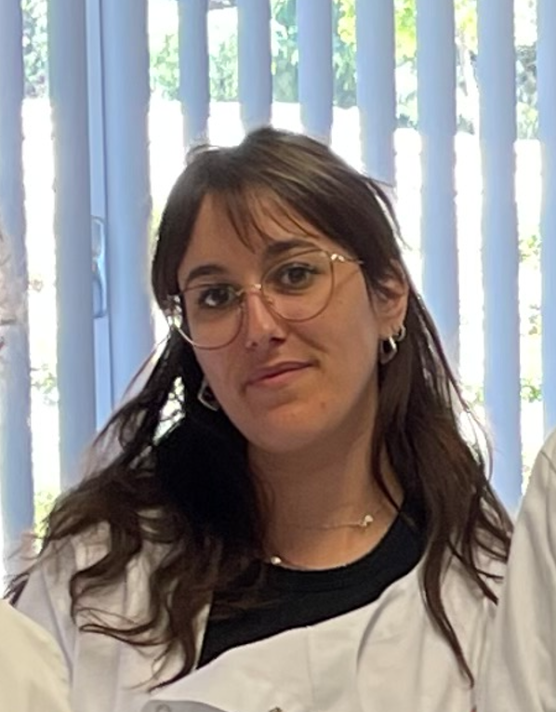
Aída Úbeda Trillo
Técnico de Laboratorio
Técnico superior en laboratorio de diagnóstico clínico en 2019. Lleva vinculada a la Unidad de Neumococos desde 2023 como técnico de laboratorio contratada. Anteriormente estuvo contratada en el Servicio de Microbiología y Urgencias del Hospital Infanta Sofía de Madrid.
-
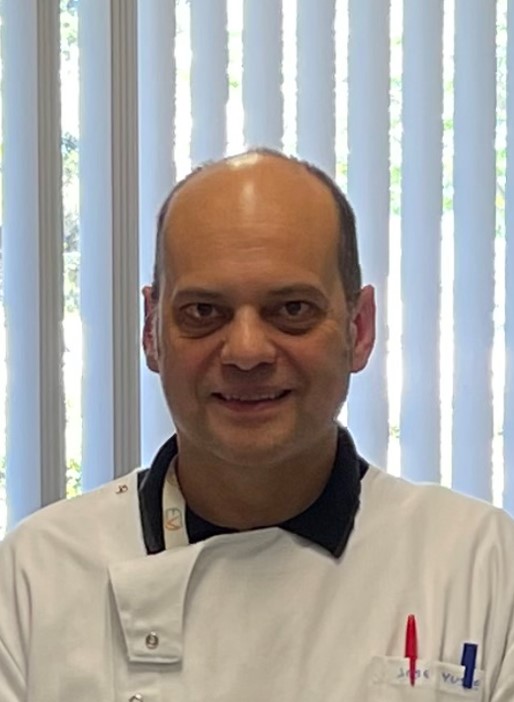
José Enrique Yuste Lobo
Científico Titular
ORCID code: 0000-0001-7996-0837
Licenciado en Farmacia en 1998 y Doctor en 2002 por la Universidad Complutense de Madrid. Realizó su tesis doctoral en el laboratorio de neumococos del Centro Nacional de Microbiología del ISCIII. Posteriormente trabajó durante 5 años en Londres, primero como Investigador Asociado en el Centre for Molecular Microbiology and Infection Biology de Imperial College hasta 2003 y luego en el Centre for Respiratory Research de University College hasta 2007. Tras esta etapa posdoctoral en Reino Unido, trabajó durante 3 años como Investigador Senior en el Centro de Investigaciones Biológicas del CSIC hasta 2010. Desde entonces trabaja como Científico Titular en la Unidad de Neumococos del CNM-ISCIII, siendo el responsable científico del laboratorio desde el año 2016. Es investigador principal del grupo CIBER de Enfermedades Respiratorias (CIBERES) CB06/06/0003 (https://www.ciberes.org/grupos/grupo-de-investigacion?id=18143)
-

Mirian Domenech Luchas
Investigadora posdoctoral
ORCID code: 0000-0002-0942-8180
Licenciada en Ciencias Biológicas en 2005 y Doctora en 2012 por la Universidad Complutense de Madrid. Realizó su tesis doctoral en el Centro de Investigaciones Biológicas del CSIC bajo la dirección del Profesor Ernesto García y la Dra. Miriam Moscoso caracterizando el biofilm neumocócico y estudiando distintos antimicrobianos para prevenir y tratar las infecciones producidas por neumococo y otros patógenos. Posteriormente ha trabajado como investigadora junior para el CIBER de Enfermedades Respiratorias y para la empresa Investigación y Proyectos Microbiológicos realizando estudios sobre biofilms de patógenos respiratorios. A finales del 2018 se incorporó a la Unidad de Neumococos del Centro Nacional Microbiología del ISCIII, donde participa en las distintas labores de investigación y referencia de la Unidad y es profesora ayudante Doctor de la Facultad de Biología de la Universidad Complutense de Madrid.
-

Julio Sempere García
Investigador Posdoctoral
ORCID code: 0000-0001-9340-6867
Graduado en Bioquímica por la Universidad Complutense de Madrid, donde posteriormente cursó estudios de Máster en Microbiología y Parasitología. Actualmente realiza el programa de doctorado en Microbiología y Parasitología. Lleva asociado a la Unidad de Neumococos desde 2017, donde realizó las prácticas extracurriculares de grado y posteriormente realizó su trabajo de fin de grado (2018) y trabajo de fin de máster (2019). En 2022 obtuvo el grado de Doctor y actualmente investiga biofilms de bacterias Gram positivas, la matriz de estos y cómo interaccionan con el sistema inmune. También trabaja en la interacción de diferentes cápsulas de Streptococcus pneumoniae con el sistema inmune y patogénesis de serotipos emergentes incluidos en las futuras vacunas antineumocócicas.
-
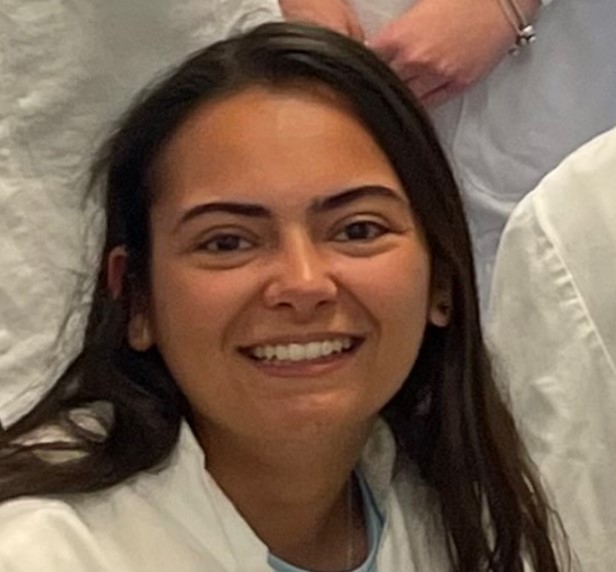
Covadonga Pérez García
Contratada predoctoral FPU
ORCID code: 0000-0002-5295-6480
Graduada en Biología por la Universidad Complutense de Madrid, donde posteriormente cursó estudios de Máster en Microbiología y Parasitología. Lleva vinculada a la Unidad de Neumococos desde 2019, donde realizó las prácticas extracurriculares de grado y posteriormente realizó su trabajo de fin de grado (2020) y trabajo de fin de máster (2021). En 2022 obtuvo beca predoctoral del programa FPU y actualmente investiga mecanismos de patogenicidad y protección de serotipos emergentes de neumococo.
-

Erick Joan Vidal Alcántara
Ayudante de Investigación
ORCID code: 0000-0001-8946-3754
Graduado en Biología por la Universidad Complutense de Madrid, y posteriormente cursó estudios de Máster en Microbiología aplicada a salud pública e investigación en enfermedades infecciosas por la Universidad de Alcalá de Henares. Lleva vinculado a la Unidad de Neumococos desde 2022 como ayudante de investigación y es personal de plantilla.
-
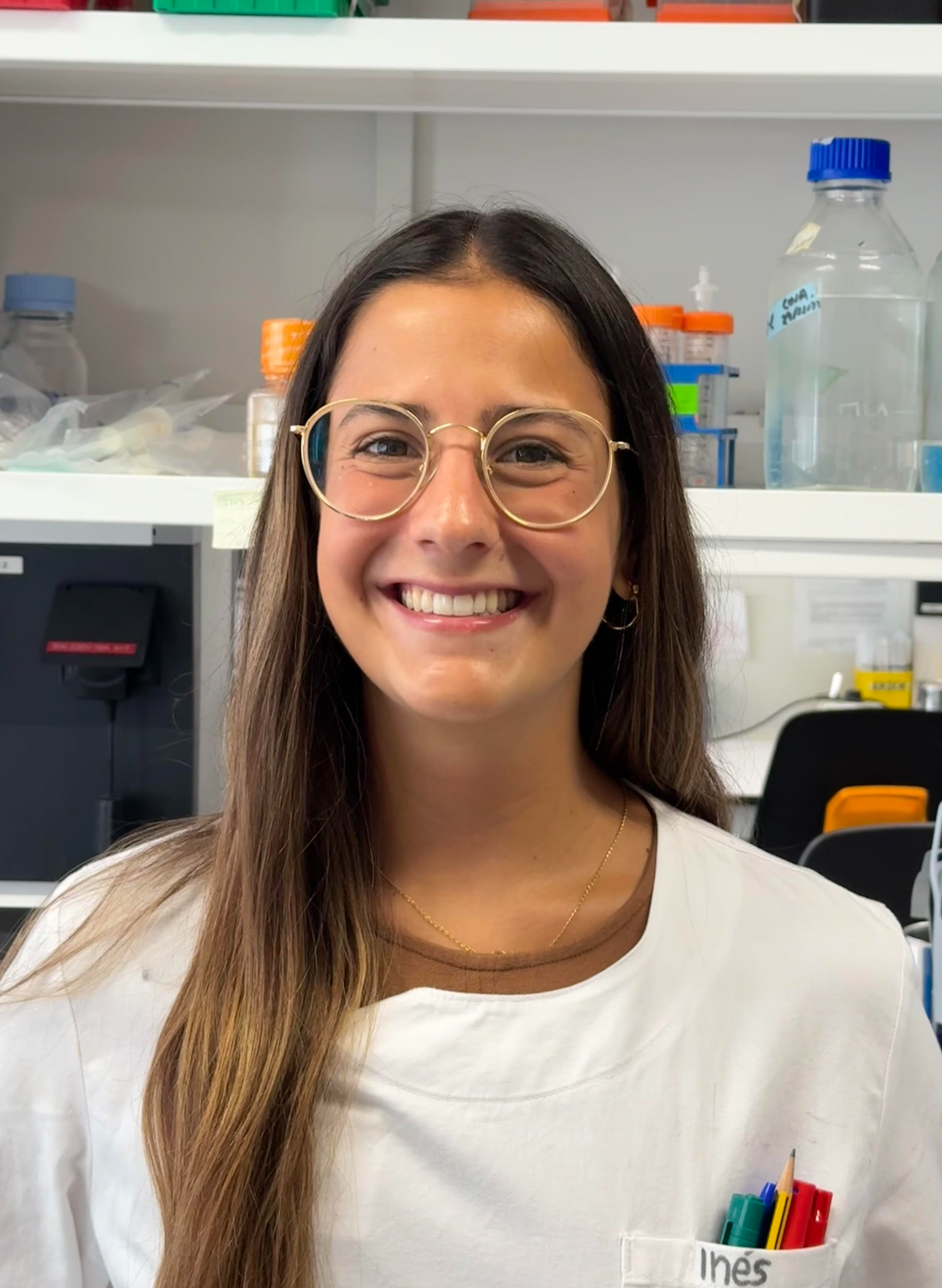
Inés Pareja Cerbán
Estudiante predoctoral CIBERES
ORCID code: 0009-0006-8015-7367
Graduada en Bioquímica por la Universidad de Málaga. Es contratada predoctoral del CIBER de Enfermedades Respiratorias (CIBERES) y en nuestro grupo está realizando su Tesis Doctoral en la caracterización de factores de virulencia de aislados prevalentes así como en el estudio y caracterización de nuevos antimicrobianos frente a bacterias respiratorias.
-

Mirella Llamosí Fornés
Contratada predoctoral
ORCID code: 0000-0002-4369-9558
Graduada en Biología por la Universidad Complutense de Madrid, donde posteriormente cursó estudios de Máster en Microbiología y Parasitología. Está realizando su Tesis Doctoral en el campo de la resistencia antibiótica así como en la búsqueda y caracterización de nuevos antimicrobianos con especial interés en lograr compuestos activos frente a infecciones producidas por biofilms.


List of staff