



We protect your health through science
Investigation
Bacterial Genetics
Research Lines
Content with Investigacion .
Neisseria, Listeria y Bordetella
• Invasive Meningococcal Disease.
o Laboratory surveillance based on whole-genome sequencing and its application in Public Health.
o Study and characterization of antimicrobial resistance mechanisms.
o Study and evaluation of conventional (polysaccharide) and new-generation (protein) vaccines.
• Gonococcal Infection (Gonorrhea).
o Laboratory surveillance based on whole-genome sequencing and its application in Public Health.
o Study and characterization of antimicrobial resistance mechanisms.
• Listeriosis.
o Laboratory surveillance based on whole-genome sequencing and its application in Public Health.
• Pertussis.
o Development and application of molecular techniques for the diagnosis and characterization of Bordetella pertussis, B. parapertussis, B. holmessi, and B. bronchiseptica.
Research projects
Content with Investigacion .
1. Project Title: Determination of the degree of identity of common antigens of N. meningitidis and N. gonorrhoeae using genomic and immunological tools.
Principal Investigator: Raquel Abad Torreblanca
Funding Entity: ISCIII. Program: Strategic Action in Intramural Health
Reference: PI23CIII/00040
Period: 2024-2026
Amount Awarded: €68,500
2. Project Title: Meningococcal Disease and Molecular Epidemiology (MEMORY).
Principal Investigator: Raquel Abad Torreblanca and Julio A. Vázquez Moreno
Funding Entity: Pfizer Inc.
Reference: MVP 352/21
Period: 2022-2024
Amount Awarded: €82,834.50
3. Project Title: Modelling Approaches to Guide Intelligent Surveillance for the Sustainable Introduction of Novel Antibiotics. MAGIcIAN.
Principal Investigator: Raquel Abad Torreblanca
Funding Entity: ISCIII / International Joint Action / Joint Programming Initiatives (JPI) Program
Reference: AC19CIII/00002
Period: 2020-2024
Amount Awarded: €46,000
4. Project Title: Epidemiological, Microbiological, and Clinical Analysis of the Listeriosis Outbreak in Andalusia. LISMOAN Study.
Principal Investigator: José Miguel Cisneros Herreros
Funding Entity: FISEVI (Andalusian Public Foundation for Health Research Management)/FPS2020 Call for Proposals
Reference: PI-0001-2020
Period: 2020-2023
Amount Awarded: €114,954
5. Project Title: Population Structure of Neisseria meningitidis Using Massive Sequencing: A Potential Tool for Estimating Vaccine Effectiveness?
Principal Investigator: Raquel Abad Torreblanca
Funding Entity: ISCIII / Strategic Action in Intramural Health
Reference: PI19CIII/00030
Period: 2020-2023
Amount Awarded: €67,153
6. Project Title: Management agreement between the Ministry of Health, Social Services and Equality (Directorate General of Public Health, Quality and Innovation) and the Carlos III Health Institute, for the laboratory determinations corresponding to the 2nd seroprevalence study in Spain.
Principal Investigator: Fernando de Ory and Julio A. Vázquez
Funding Entity: Directorate General of Public Health, Ministry of Health
Reference: MEG151/17
Period: 2018-2020
Amount Awarded: €565,663
7. Project Title: Effectiveness of the Meningococcal B Vaccine in Immunocompromised Children with Sickle Cell Disease
Principal Investigator: Raquel Abad Torreblanca
Funding Entity: Spanish Society of Pediatric Hematology and Oncology Foundation (SEHOP)
Reference: MVP 199/18
Period: 2018-2020
Amount Awarded: €18,285
8. Project Title: Application of Massive Sequencing and Immunological Approaches in the Expression Analysis of New Vaccine Antigens in Meningococcal Populations
Principal Investigator: Raquel Abad Torreblanca
Funding Entity: ISCIII / Strategic Action in Intramural Health
Reference: PI16CIII/00023
Period: 2017-2020
Amount Awarded: €115,084
9. Project Title: fHbp variability over time and potential coverage of the new meningococcal serogroup B vaccine (bivalent rLP2086/fHbp) in Spain.
Principal Investigators: Raquel Abad and Julio A. Vázquez
Funding Entity: Pfizer SLU
Reference: MVP 1273/16
Period: 2017-2020
Amount Awarded: €125,350
10. Project Title: Estimation of protection of a conjugate vaccine against meningococcus serogroup C based on a mathematical model.
Principal Investigator: Julio A. Vázquez and Javier Díez
Funding Entity: Higher Center for Research in Public Health (CSISP)
Reference: MVP 1116/11
Period: 2011-2017
Amount awarded: €143,750
Publications
Efficacy and safety assessment of a TRAF6-targeted nanoimmunotherapy in atherosclerotic mice and non-human primates.
3. Lameijer M, Binderup T, van Leent M, Senders M, Fay F. Seijkens T, Kroon J, Stroes E, Kjaer A, Ochando J, Reiner T, Pérez-Medina C, Calcagno C, Fischer E, Zhang B, Temel R, Swirski F, Nahrendorf M, Fayad Z, Lutgens E, Mulder W and Duivenvoorden R. Efficacy and safety assessment of a TRAF6-targeted nanoimmunotherapy in atherosclerotic mice and non-human primates. Nature Biomedical Engineering. 2018. 2: 279–292.
PUBMED DOINeutrophil derived CSF1 induces macrophage polarization and promotes transplantation tolerance.
4. Braza MS, Conde P, Garcia MR, Cortegano I, Brahmachary M, Pothula V, Fay F, Boros P, Werner SW, Ginhoux F, Mulder WJ, and Ochando J. Neutrophil derived CSF1 induces macrophage polarization and promotes transplantation tolerance. Am J Transplant. 2018.
PUBMED DOIDC-SIGN(+) Macrophages Control the Induction of Transplantation Tolerance
9. Conde P, Rodriguez M, van der Touw W, Jimenez A, Burns M, Miller J, Brahmachary M, Chen HM, Boros P, Rausell-Palamos F, Yun TJ, Riquelme P, Rastrojo A, Aguado B, Stein-Streilein J, Tanaka M, Zhou L, Zhang J, Lowary TL, Ginhoux F, Park CG, Cheong C, Brody J, Turley SJ, Lira SA, Bronte V, Gordon S, Heeger PS, Merad M, Hutchinson J, Chen SH, Ochando J. 2015. DC-SIGN(+) Macrophages Control the Induction of Transplantation Tolerance. Immunity. 16;42(6):1143-58.
PUBMED DOIProteomic characterisation of bovine and avian purified protein derivatives and identification of specific antigens for serodiagnosis of bovine tuberculosis
2.- Proteomic characterisation of bovine and avian purified protein derivatives and identification of specific antigens for serodiagnosis of bovine tuberculosis. Antonio Infantes-Lorenzo, Jose; Moreno, Inmaculada; Angeles Risalde, Maria; et ál. CLINICAL PROTEOMICS Volumen: 14 Número de artículo: 36 Fecha de publicación: NOV 2 2017
PUBMED DOIFunctional and structural characterization of four mouse monoclonal antibodies to complement C3 with potential therapeutic and diagnostic applications.
3.- Functional and structural characterization of four mouse monoclonal antibodies to complement C3 with potential therapeutic and diagnostic applications. Subias Hidalgo, Marta; Yebenes, Hugo; Rodriguez-Gallego, Cesar; et ál..EUROPEAN JOURNAL OF IMMUNOLOGY Volumen: 47 Número: 3 Páginas: 504-515 Fecha de publicación: MAR 2017
PUBMED DOIImmunoproteomic characterisation of Mycoplasma mycoides subspecies capri by mass spectrometry analysis of two- dimensional electrophoresis spots and western blot
5.- Immunoproteomic characterisation of Mycoplasma mycoides subspecies capri by mass spectrometry analysis of two- dimensional electrophoresis spots and western blot. Churchward, Colin P.; Rosales, Ruben S.; Gielbert, Adriana; et ál..JOURNAL OF PHARMACY AND PHARMACOLOGY Volumen: 67 Número: 3 Número especial: SI Páginas: 364-371 Fecha de publicación: MAR 2015
PUBMED DOIEfficacy of low doses of amphotericin B plus allicin against experimental visceral leishmaniasis.
6.- Efficacy of low doses of amphotericin B plus allicin against experimental visceral leishmaniasis. Corral, M. Jesus; Serrano, Dolores R.; Moreno, Inmaculada; et ál..JOURNAL OF ANTIMICROBIAL CHEMOTHERAPY Volumen: 69 Número: 12 Páginas: 3268-3274 Fecha de publicación: DEC 2014
PUBMED DOIA Novel Antibody against Human Factor B that Blocks Formation of the C3bB Proconvertase and Inhibits Complement Activation in Disease Models
7.- A Novel Antibody against Human Factor B that Blocks Formation of the C3bB Proconvertase and Inhibits Complement Activation in Disease Models. Subias, Marta; Tortajada, Agustin; Gastoldi, Sara; et ál..JOURNAL OF IMMUNOLOGY Volumen: 193 Número: 11 Páginas: 5567-5575 Fecha de publicación: DEC 2014
PUBMED DOIDetection of anti-Leishmania infantum antibodies in sylvatic lagomorphs from an epidemic area of Madrid using the indirect immunofluorescence antibody test
8.- Detection of anti-Leishmania infantum antibodies in sylvatic lagomorphs from an epidemic area of Madrid using the indirect immunofluorescence antibody test. Moreno, Inmaculada; Alvarez, Julio; Garcia, Nerea; et ál..VETERINARY PARASITOLOGY Volumen: 199 Número: 3-4 Páginas: 264-267 Fecha de publicación: 2014
PUBMED DOIEvidence of Leishmania infantum Infection in Rabbits (Oryctolagus cuniculus) in a Natural Area in Madrid, Spain.
9.- Evidence of Leishmania infantum Infection in Rabbits (Oryctolagus cuniculus) in a Natural Area in Madrid, Spain. Garcia, Nerea; Moreno, Inmaculada; Alvarez, Julio; et ál..BIOMED RESEARCH INTERNATIONAL Número de artículo: 318254 Fecha de publicación: 2014
PUBMED DOIMucus-Activatable Shiga Toxin Genotype stx2d in Escherichia coli O157:H7
2. Sánchez, S., Llorente, M.T., Herrera-León, L., Ramiro, R., Nebreda, S., Remacha, M.A., Herrera-León, S. Mucus-activatable shiga toxin genotype stx2d in Escherichia coli O157:H7. (2017) Emerging Infectious Diseases, 23 (8), pp. 1431-1433.
PUBMED DOIMultinational outbreak of travel-related Salmonella Chester infections in europe, summers 2014 and 2015
3. Fonteneau, L., Da Silva, N.J., Fabre, L., Ashton, P., Torpdahl, M., Müller, L., Bouchrif, B., El Boulani, A., Valkanou, E., Mattheus, W., Friesema, I., Herrera Leon, S., Varela Martínez, C., Mossong, J., Severi, E., Grant, K., Weill, F., Gossner, C.M., Bertrand, S., Dallman, T., Le Hello, S. Multinational outbreak of travel-related Salmonella Chester infections in europe, summers 2014 and 2015. (2017) Eurosurveillance, 22 (7).
PUBMED DOIProspective use of whole genome sequencing (WGS) detected a multi-country outbreak of Salmonella Enteritidis
4. Inns, T., Ashton, P.M., Herrera-Leon, S., Lighthill, J., Foulkes, S., Jombart, T., Rehman, Y., Fox, A., Dallman, T., De Pinna, E., Browning, L., Coia, J.E., Edeghere, O., Vivancos, R. Prospective use of whole genome sequencing (WGS) detected a multi-country outbreak of Salmonella Enteritidis (2017) Epidemiology and Infection, 145 (2), pp. 289-298.
PUBMED DOIPlasmid-mediated quinolone resistance in different diarrheagenic Escherichia coli pathotypes responsible for complicated, noncomplicated, and traveler's diarrhea cases.
5. Herrera-Leon, S., Llorente, M.T., Sanchez, S. Plasmid-mediated quinolone resistance in different diarrheagenic Escherichia coli pathotypes responsible for complicated, noncomplicated, and traveler's diarrhea cases. (2016) Antimicrobial Agents and Chemotherapy, 60 (3), pp. 1950-1951.
PUBMED DOIMolecular Epidemiology and Antibiotic Susceptibility of Vibrio cholerae Associated with a Large Cholera Outbreak in Ghana in 2014.
6. Eibach, D., Herrera-León, S., Gil, H., Hogan, B., Ehlkes, L., Adjabeng, M., Kreuels, B., Nagel, M., Opare, D., Fobil, J.N., May, J. Molecular Epidemiology and Antibiotic Susceptibility of Vibrio cholerae Associated with a Large Cholera Outbreak in Ghana in 2014. (2016) PLoS Neglected Tropical Diseases, 10 (5).
PUBMED DOIWhat’s in a name? Species-wide whole-genome sequencing resolves invasive and noninvasive lineages of Salmonella enterica serotype Paratyphi B
7. Connor, T.R., Owen, S.V., Langridge, G., Connell, S., Nair, S., Reuter, S., Dallman, T.J., Corander, J., Tabing, K.C., Le Hello, S., Fookes, M., Doublet, B., Zhou, Z., Feltwell, T., Ellington, M.J., Herrera, S., Gilmour, M., Cloeckaert, A., Achtman, M., Parkhill, J., Wain, J., De Pinna, E., Weill, F.-X., Peters, T., Thomson, N. What’s in a name? Species-wide whole-genome sequencing resolves invasive and noninvasive lineages of Salmonella enterica serotype Paratyphi B (2016) mBio, 7 (4).
PUBMED DOIInvasive salmonella infections among children from Rural Mozambique, 2001-2014
9. Mandomando, I., Bassat, Q., Sigaúque, B., Massora, S., Quintó, L., Ácacio, S., Nhampossa, T., Vubil, D., Garrine, M., Macete, E., Aide, P., Sacoor, C., Herrera-León, S., Ruiz, J., Tennant, S.M., Menéndez, C., Alonso, P.L. Invasive salmonella infections among children from Rural Mozambique, 2001-2014 (2015) Clinical Infectious Diseases, 61, pp. S339-S345.
PUBMED DOIContent with Investigacion .
-

María Luisa Gaspar Alonso-Vega
Research Professor
ORCID code: 0000-0001-9858-3862
Dr. María Luis Gaspar Alons-Vega graduated in 1980 and obtained her PhD in 1985 in Medicine and Surgery from the Autonomous University of Madrid. She completed the specialty of Immunology (1981-1985), and her doctoral thesis under the direction of Dr. Carmen Gutierrez, in the Immunology laboratory of the Puerta de Hierro Clinic directed by Dr. Miguel Kreisler. She completed a predoctoral stay in the Cytogenetics Laboratory of the National Institute of Autoimmune, Diabetes, Digestive and Kidney Diseases (NIDDK, NIH), under the supervision of Dr. JH Tjio and Dr. E. Raveché. She joined the Immunology Service of the National Center for Health Microbiology, Virology and Immunology (CNMVIS, AISNA and later ISCIII) as a Physician-Specialist in 1986, in the Immunology Laboratory directed by Dr. Alfredo Toraño. She completed a postdoctoral stay (1989-1991) at the Immunogenetics Unit of the Pasteur Institute (Paris) directed by Dr. T. Meo. From 1991 to 2006 she was Head of the Immunology Section successively at the CNMVIS, at the National Center for Fundamental Biology (CNBF-ISCIII) and at the National Center for Microbiology (CNM-ISCIII). From 2006 to 2016 she has been a Senior Researcher and Senior Scientist of OPIs, in the Immunobiology laboratory of the CNM-ISCIII. From 2016 to 2018 she was a Scientific Researcher at OPIs and since 2018, she is a Research Professor at OPIs at the CNM.
-
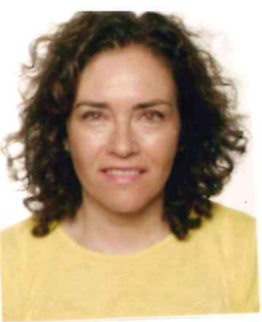
Belén de Andrés Muguruza
Research Scientist
ORCID code: 0000-0002-7391-2823
Graduated in Biology in 1987 and PhD in 1992 from the Autonomous University of Madrid. He completed his doctoral thesis in the laboratory of Dr. Carlos Lahoz in the Immunology department of the Jiménez Díaz Foundation with a pre-doctoral stay at the Institute Curie in Paris, in the laboratory of Dr. Wolf H. Fridman. Subsequently, he completed a two-year postdoctoral stay in the Department of Pathology of the College of Medicine at the University of Iowa, USA, in the laboratory of Dr. Richard G. Lynch. After a year as an Adjunct in the Immunology department of the Jiménez Diaz Foundation, she worked for 2 years with a reinstatement contract from the Ministry of Science in the Immunobiology department of the CNM/ISCIII in the laboratory of Dr. Mª Luisa Gaspar and later with a Ramón y Cajal contract. In 2006 she obtained a position as Staff Senior Scientist.
-
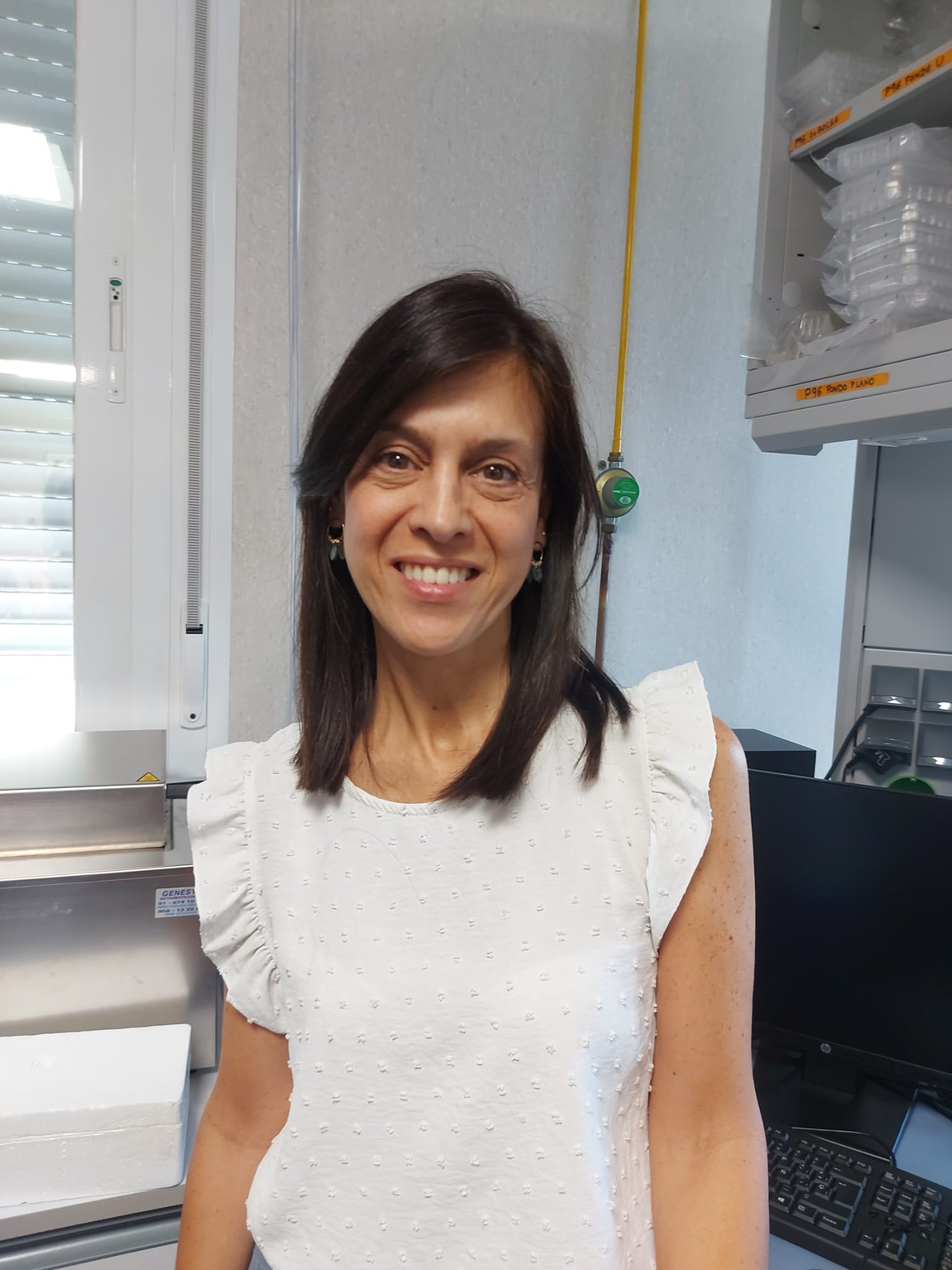
Isabel Cortegano Jimeno
Research Scientist
ORCID code: 0000-0002-6504-6347
Graduated in Biology in 1995 (Specialty in Biochemistry and Molecular Biology) and PhD in 1999 from the Autonomous University of Madrid. He completed his doctoral thesis at the Jiménez Díaz Foundation in the Immunology laboratory directed by Dr. Carlos Lahoz. Later he obtained a postdoctoral fellowship in the Immunobiology laboratory of Dr. Mª Luisa Gaspar at the National Center of Microbiology (CNM) of the Carlos IIII Health Institute (ISCIII) (2002-2006). He then enjoyed an I3P contract from the CSIC in the laboratory of Professor Miguel Ángel Rodríguez-Marcos (2007-2009). She has been a researcher associated with research projects in the ISCIII Immunobiology laboratory during the years 2010-2018. Since 2018 she has been an associate professor in the Department of Cell Biology of the UCM Faculty of Medicine. He coordinates the scientific dissemination group of the Spanish Society of Immunology (GESEI), is part of the editorial committee of the SEI magazine and is a member of the board of the CAM Immunology Society. She is a Senior Scientist of the ISCIII at the National Center for Microbiology since 2020.
-

Carolina Ruiz Sánchez
Specialized Technician
ORCID code: 0000-0002-2177-8132
Graduated in Chemical Sciences (biochemistry specialty) in 1998 and PhD in 2022 from the Complutense University of Madrid. In 2008 he joined the OPIS Assistant in the Immunobiology laboratory of the National Center for Microbiology of the ISCIII, specializing in flow cytometry the first year and subsequently becoming part of the laboratory's technical team. In 2012 he was promoted to Intermediate Level Technician and in 2018 to Higher Specialized Technician of the OPIS, currently occupying this position in the same laboratory.
-

Mercedes Rodríguez García
Specialized Higher Technician
Graduated in Biology from the Complutense University of Madrid in 2003, she began her doctoral studies in the Bone Metabolism laboratory of the La Paz University Hospital.
In 2007 he joined as a Research Assistant at the Carlos III Health Institute, at the CNM, in the Transplant Immunology laboratory. After 5 years, he began working in the Immunobilology laboratory where he was promoted in 2018 to Specialized Technician, in 2024 to Senior Specialized Technician and where he currently continues to develop his professional career. -
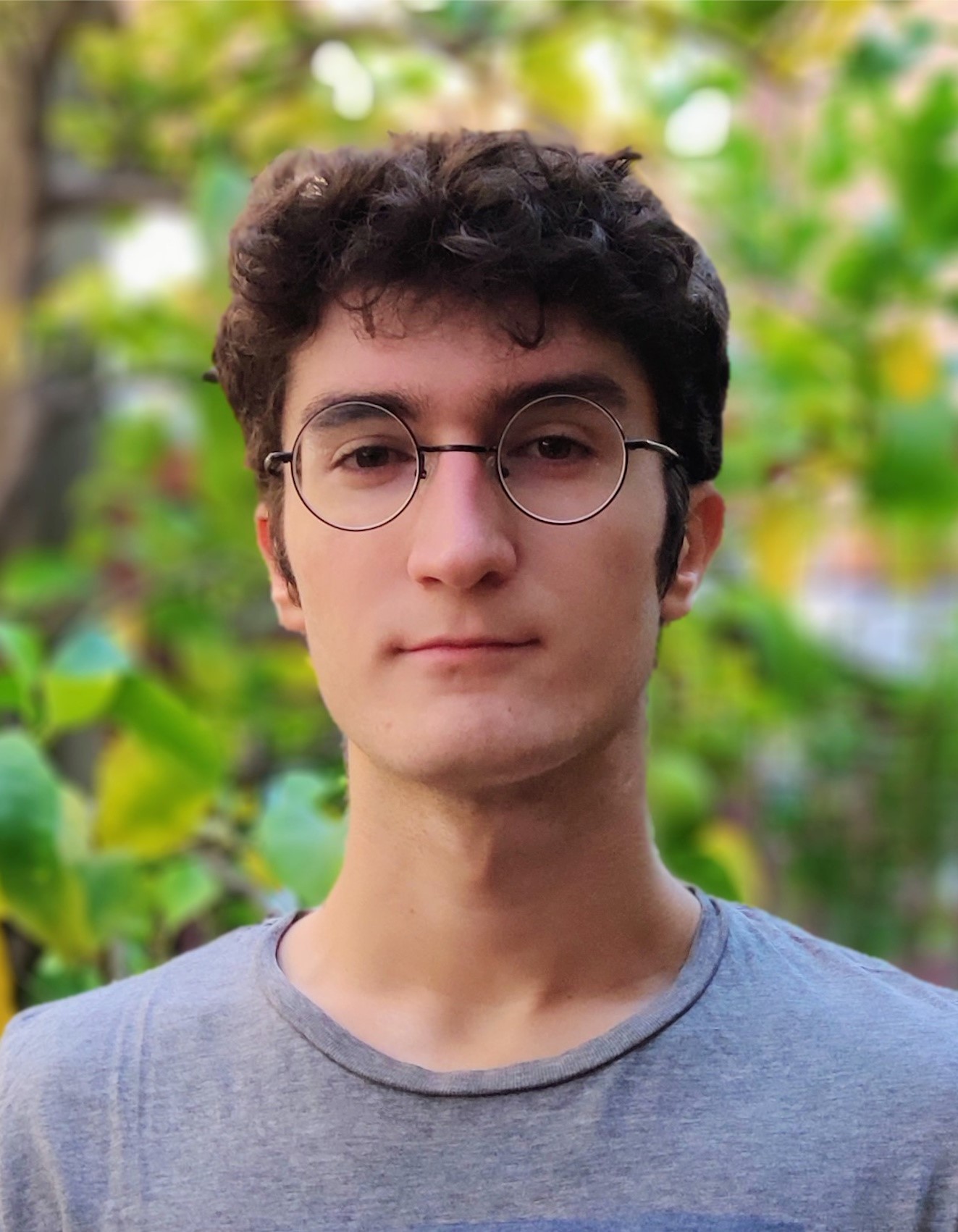
Alejandro Arrabal Sierra
Predoctoral Contract (Industrial Doctorate from CAM / Inmunotek).
ORCID code: 0000-0002-9354-9224
Graduated in Biotechnology in 2021 from the Polytechnic University of Madrid, carrying out his final degree project in the Immunobiology laboratory of the National Microbiology Center of the ISCIII. In 2021, he completed a Master's Degree in Research in Immunology at the Complutense University of Madrid and completed his master's thesis in the same CNM laboratory. Subsequently, he worked for a year as a Research Assistant in the laboratory of Dr. Elena Fernández Ruiz at the Hospital Universitario de la Princesa. Since the end of 2023, he has been a predoctoral fellow in the CNM Immunobiology laboratory with an Industrial Doctorate scholarship from the Community of Madrid in collaboration with the company Inmunotek.



List of staff
Additional Information
Streptococcus pneumoniae is a human pathogen that, despite the development of vaccines, continues to be an important cause of mortality and morbidity. We investigate the mechanisms of antibiotic resistance in this bacterium. On the one hand by identifying new therapeutic targets and on the other hand by investigating the molecular basis of the action of antibiotics already used in clinical practice (the fluoroquinolones levofloxacin and moxifloxacin) or not yet used (seconeolitsine). For this purpose, we used a multidisciplinary analysis involving genomics, transcriptomics and proteomics to understand the organization of the S. pneumoniae chromosome and the identification of the factors that stabilize this organization, including ncRNAs. Changes in the level of global supercoiling, either by inhibition of gyrase (decrease) or by inhibition of topoisomerase I (increase) alter the transcriptome. The modulated genes are located in domains, whose genes show specific functional characteristics. The aim is to identify new factors essential for S. pneumoniae physiology and to characterize transcriptional regulation in response to topological stress. In addition, RNA interference technology and CRISPR systems will be used as novel antibacterials. These studies will establish the bases for translational research aimed at the development of new therapeutic targets for the treatment of pneumococcal diseases.
Streptococcus pneumoniae is a human pathogen that, despite the development of vaccines, continues to be an important cause of mortality and morbidity. We investigate the mechanisms of antibiotic resistance in this bacterium. On the one hand by identifying new therapeutic targets and on the other hand by investigating the molecular basis of the action of antibiotics already used in clinical practice (the fluoroquinolones levofloxacin and moxifloxacin) or not yet used (seconeolitsine). For this purpose, we used a multidisciplinary analysis involving genomics, transcriptomics and proteomics to understand the organization of the S. pneumoniae chromosome and the identification of the factors that stabilize this organization, including ncRNAs. Changes in the level of global supercoiling, either by inhibition of gyrase (decrease) or by inhibition of topoisomerase I (increase) alter the transcriptome. The modulated genes are located in domains, whose genes show specific functional characteristics. The aim is to identify new factors essential for S. pneumoniae physiology and to characterize transcriptional regulation in response to topological stress. In addition, RNA interference technology and CRISPR systems will be used as novel antibacterials. These studies will establish the bases for translational research aimed at the development of new therapeutic targets for the treatment of pneumococcal diseases.