



We protect your health through science
Investigation
Bacterial Genetics
Research Lines
Content with Investigacion .
Inmunología Microbiana e Inmunogenética
1. Análisis de la respuesta innata de mamíferos en la infección por Leishmania.
2. Caracterización inmunoproteómica en :
a. Streptococcus suis
b. Lactococcus garviae
c. Mycobacterium spp
3. Desarrollo de inmunoensayos analíticos basados en anticuerpos monoclonales (AcM) para detectar y cuantificar antígenos de origen animal, vegetal y microbiano.
4. Desarrollo y caracterización de AcM frente a los componentes del sistema del Complemento. Aplicación diagnóstica.
5. Desarrollo de reactivos de referencia y diseño de inmunoensayos para la evaluación cualitativa y cuantitativa de toxinas clostridiales.
6. Oferta tecnológica de producción de AcM y policlonales frente a substancias de interés industrial y biomédico.
El grupo está interesado en el estudio de la respuesta inmune desde una perspectiva multidisciplinar que incluye aproximaciones bioquímicas, biotecnológicas, genómicas, inmunoinformáticas y proteómicas, que junto con el uso adicional de modelos in vivo se encaminan al diseño de estrategias terapéuticas frente a diversas enfermedades crónicas, infecciosas y raras que poseen un claro componente inmunológico en su etiología.
Las principales líneas de investigación que está desarrollando el grupo en la actualidad son:
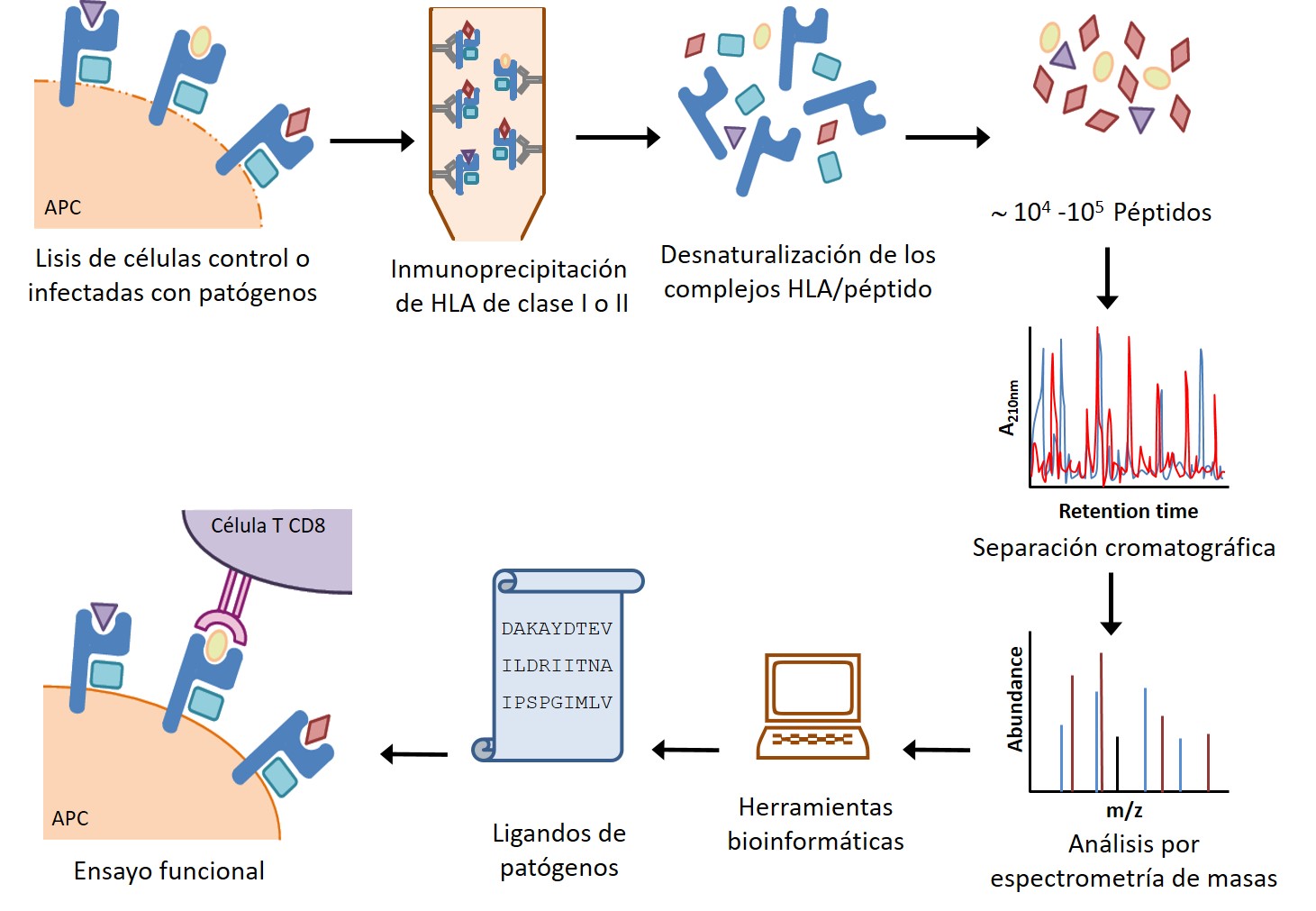
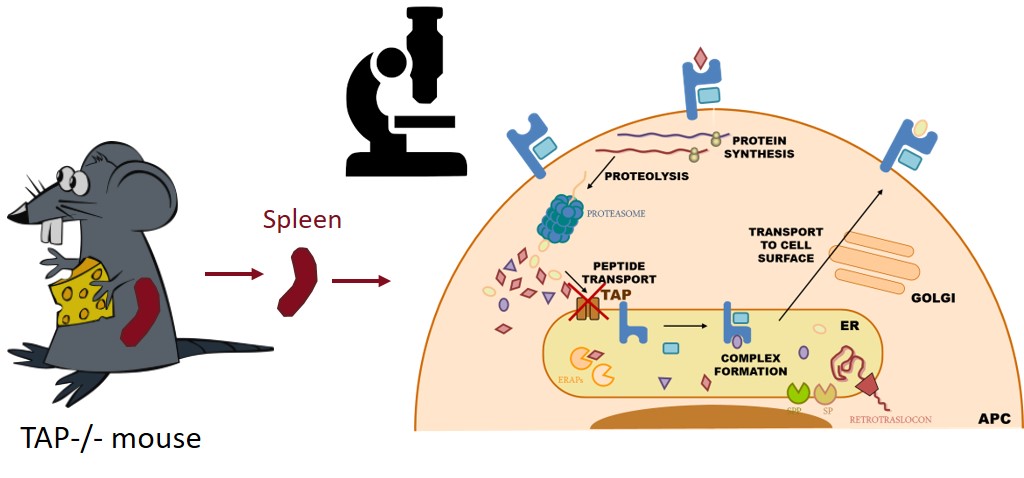
- * Análisis de las respuestas inmunes celulares frente a patógenos virales y bacterianos, mediante técnicas inmunoproteómicas, modelos in vivo con animales transgénicos y muestras humanas.
- * Caracterización de CD69: regulación génica, función reguladora inmune en homeostasis e infección y su uso como diana terapéutica, edición génica por CRISPR en modelos animales y celulares, etc.

* Desarrollo de herramientas inmunoinformáticas que permitan analizar la respuesta inmune celular frente a diversos virus de interés sanitario y determinar la eficacia de sus vacunas a nivel de población mundial.

* Estudio de las respuestas inmunes celulares frente a enfermedades raras (artritis reactiva y síndrome del linfocito desnudo) y crónicas (espondiloartropatías).
* Inclusión de componentes del sistema inmune en la fabricación de tejidos humanos, especialmente piel, para uso clínico, farmacéutico y cosmético.
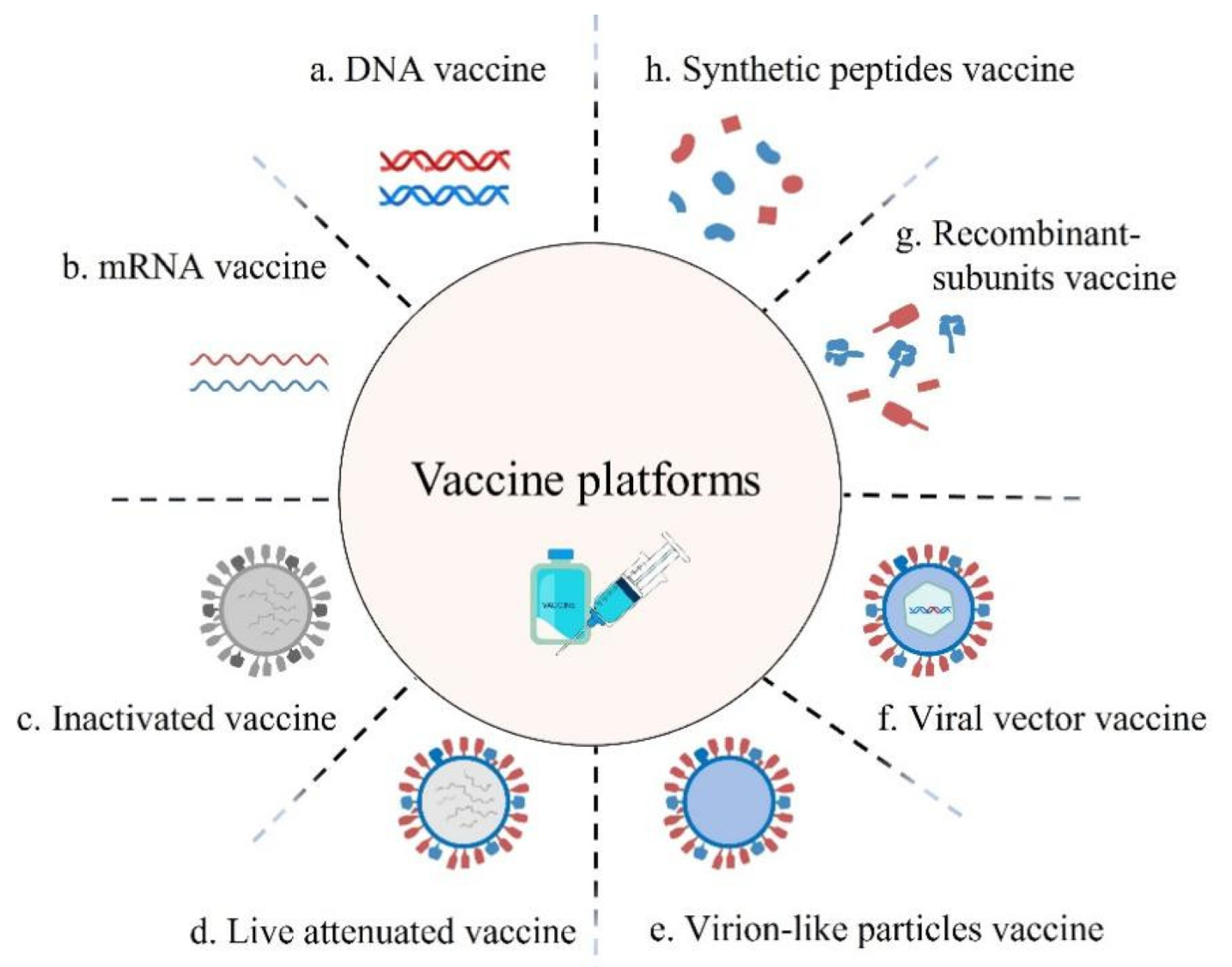
- * Generación de virus recombinantes como vectores vacunales.
Research projects
Content with Investigacion .
Los proyectos del grupo de los últimos años son los siguientes:
Proyecto “La interrelación de CD69 y el procesamiento antigénico en enfermedades infecciosas y autoinmunes" financiado por la Acción Estratégica en Salud del Ministerio de Ciencia, Innovación y Universidades. Año: 2023-2025.
Proyecto “Interacciones génicas y proteicas de CD69 y sus regiones génicas reguladoras con moléculas" financiado por la AEI. Año: 2022-2024.

Proyecto “Nuevas tecnologías de fabricación y optimización de tejidos: la piel como sistema modelo” financiado por el Programa de Actividades de I+D entre grupos de investigación de la Comunidad de Madrid en tecnologías 2018. Año: 2020-2023. Proyecto Coordinado por el Dr. Pablo Acedo de la Universidad Carlos III.
Proyecto “Estudio de CD69 como diana para mejorar el tratamiento de la leucopania y la movilización de células T de memoria de médula ósea" financiado por la Acción Estratégica en Salud del Ministerio de Ciencia, Innovación y Universidades. Año:2020-2024.
Proyecto “Diseño racional de una vacuna contra el virus respiratorio sincitial humano” financiado por la Acción Estratégica en Salud del Ministerio de Ciencia, Innovación y Universidades. Año: 2019-2022
Proyecto “Función de CD69 y sus elementos reguladores" financiado por la Acción Estratégica en Salud del Ministerio de Ciencia, Innovación y Universidades. Año: 2017-2022.
Proyecto “Diseño de vacunas recombinantes poliepitópicas para generar respuestas CD8+ contra virus emergentes” financiado por el Plan Nacional de I+D+i del Ministerio de Economía y Competitividad. Año: 2015-2017.
Proyecto “Análisis de los efectos de CD69 dependientes de S1P1 en modelos de infección e inflamación y estudio de su regulación” financiado por el FIS. Año: 2014-2017.
Proyecto “ADELVAC: Adenovirus con delecciones epitópicas para vacunación” financiado por el programa INNPACTO del Ministerio de Economía y Competitividad. Centro Nacional de Microbiología, Instituto de Salud Carlos III. Año: 2012-2014. Proyecto Coordinado por el Dr. Manel Cascallo de VCN BIOSCIENCES SL.
Proyecto “Diseño de vacunas multiepitópicas recombinantes para aumentar la respuesta inmune celular contra el VRSH” financiado por el Plan Nacional de I+D+i del Ministerio de Ciencia e Innovación. Año: 2012-2014.
Publications
Emergence of linezolid-resistant coagulase-negative staphylococci in an intensive care unit
2. Emergence of linezolid-resistant coagulase-negative staphylococci in an intensive care unit. Balandin B, Lobo B, Orden B, Román F, García E, Martínez R, Valdivia M, Ortega A, Fernández I, Galdos P. Infect Dis (Lond). 2016;48(5):343-9.
PUBMED DOIHorizontal gene transmission of the cfr gene to MRSA and Enterococcus: role of Staphylococcus epidermidis as a reservoir and alternative pathway for the spread of linezolid resistance.
3. Horizontal gene transmission of the cfr gene to MRSA and Enterococcus: role of Staphylococcus epidermidis as a reservoir and alternative pathway for the spread of linezolid resistance. Cafini F, Nguyen le TT, Higashide M, Román F, Prieto J, Morikawa K. J Antimicrob Chemother. 2016 Mar;71(3):587-92.
PUBMED DOIEmergence of cfr-Mediated Linezolid Resistance in a Methicillin-Resistant Staphylococcus aureus Epidemic Clone Isolated from Patients with Cystic Fibrosis.
4. Emergence of cfr-Mediated Linezolid Resistance in a Methicillin-Resistant Staphylococcus aureus Epidemic Clone Isolated from Patients with Cystic Fibrosis. de Dios Caballero J, Pastor MD, Vindel A, Máiz L, Yagüe G, Salvador C, Cobo M, Morosini MI, del Campo R, Cantón R; GEIFQ Study Group. Antimicrob Agents Chemother. 2015 Dec 14;60(3):1878-82.
PUBMED DOIThe dynamic changes of dominant clones of Staphylococcus aureus causing bloodstream infections in the European region: results of a second structured survey.
5. The dynamic changes of dominant clones of Staphylococcus aureus causing bloodstream infections in the European region: results of a second structured survey. Grundmann H, Schouls LM, Aanensen DM, Pluister GN, Tami A, Chlebowicz M, Glasner C, Sabat AJ, Weist K, Heuer O, Friedrich AW; ESCMID Study Group on Molecular Epidemiological Markers; European Staphylococcal Reference Laboratory Working Group. Euro Surveill. 2014 Dec 11;19(49).
PUBMED DOIPeptidoglycan recycling contributes to intrinsic resistance to fosfomycin in Acinetobacter baumannii.
6. Gil-Marqués ML, Moreno-Martínez P, Costas C, Pachón J, Blázquez J, McConnell M.J.* Peptidoglycan recycling contributes to intrinsic resistance to fosfomycin in Acinetobacter baumannii. Journal of Antimicrobial Chemotherapy. 2018 Nov 1;73(11):2960-2968.
PUBMED DOIImmunization with lipopolysaccharide-free outer membrane complexes protects against Acinetobacter baumannii infection.
7. Pulido MR, García-Quintanilla M, Pachón J, McConnell M.J.* Immunization with lipopolysaccharide-free outer membrane complexes protects against Acinetobacter baumannii infection. Vaccine. 2018 Jul 5;36(29):4153-4156.
PUBMED DOIInhibition of LpxC increases antibiotic susceptibility in Acinetobacter baumannii.
8. García-Quintanilla M, Caro-Vega JM, Pulido MR, Moreno-Martínez P, Pachón J, McConnell M.J.* Inhibition of LpxC increases antibiotic susceptibility in Acinetobacter baumannii. Antimicrobial Agents and Chemotherapy. 2016 Jul 22;60(8):5076-9.
PUBMED DOIImmunization with lipopolysaccharide-deficient whole cells provides protective immunity in an experimental mouse model of Acinetobacter baumannii infection.
9. García-Quintanilla M., Pulido M.R., Pachón J. and McConnell, M.J.* Immunization with lipopolysaccharide-deficient whole cells provides protective immunity in an experimental mouse model of Acinetobacter baumannii infection. PLOS One. 2014 Dec 8;9(12).
PUBMED DOIEncephalitis associated with human herpesvirus-7 infection in an immunocompetent adult.
M. Parra; A. Alcala; C. Amoros; A. Baeza; A. Galiana; D. Tarragó; M.Á. García-Quesada; V. Sánchez-Hellín. Encephalitis associated with human herpesvirus-7 infection in an immunocompetent adult. Virology Journal. 14 - 1, 2017.
PUBMED DOIMolecular epidemiology of enterovirus and parechovirus infections according to patient age over a 4-year period in Spain.
M. Cabrerizo; M. Díaz-Cerio; C. Muñoz-Almagro; N. Rabella; D. Tarragó; M.P. Romero; M.J. Pena; C. Calvo; S. Rey-Cao; A. Moreno-Docón; I. Martínez-Rienda; A. Otero; G. Trallero. Molecular epidemiology of enterovirus and parechovirus infections according to patient age over a 4-year period in Spain. J Med Virol. 2017 Mar;89(3):435-442.
PUBMED DOIViral epidemic outbreaks and public health alerts studied at the National Centre of Microbiology during a two-year period (2012-2013).
J.M. Echevarría Mayo; A.A. Avellón Calvo; M. Cabrerizo Sanz; I. Casas Flecha; J.E. Echevarría Mayo; Fd.eO. de Ory Manchón; A. Negredo Antón; F. Pozo Sánchez; M.P. Sánchez-Seco Fariñas; D. Tarragó Asensio; G. Trallero Masó. Viral epidemic outbreaks and public health alerts studied at the National Centre of Microbiology during a two-year period (2012-2013). Revista española de salud pública. 90, pp. E16 - E16. 2016
PUBMEDMolecular epidemiology of enterovirus 71, coxsackievirus A16 and A6 associated with hand, foot and mouth disease in Spain.
M. Cabrerizo; D. Tarragó; C. Muñoz-Almagro; E. del Amo; M. Domínguez-Gil; J.M.-S. Eiros; I. López-Miragaya; C. Pérez; J. Reina; A. Otero; I. González; J.E. Echevarría; G. Trallero. Molecular epidemiology of enterovirus 71, coxsackievirus A16 and A6 associated with hand, foot and mouth disease in Spain. Clinical Microbiology and Infection. 20 - 3, pp. O150 - O156. 2014.
PUBMED DOIMolecular epidemiology of the first Spanish enterovirus A71 outbreak associated with severe neurological diseases, 2016.
R Gonzalez-Sanz*, D Casas-Alba, C Launes, C Muñoz-Almagro, M Ruiz-García, MJ Gonzalez-Abad, M Alonso, G Megias, N Rabella, M del Cuerpo, M Gozalo-Margüello, A González-Praetorius, A Martínez-Sapiña, MJ Goyanes-Galán, MP Romero, C Calvo, A Antón, M Imaz, M Aranzamendi, Á Hernandez, A Moreno-Docón, S Rey Cao, A Navascuences, A Otero, M Cabrerizo. Molecular epidemiology of the first Spanish enterovirus A71 outbreak associated with severe neurological diseases, 2016. Euro Surveill. 2019 Feb;24(7).
PUBMED DOIAcute flaccid paralysis (AFP) surveillance: challenges and opportunities from 18 years’ experience, Spain, 1998 to 2015.
J Masa-Calles, N Torner, N López-Perea, MV Torres de Mier, B Fernández-Martínez, M Cabrerizo, V Gallardo-García, C Malo, M Margolles, M Portell, N Abadía, A Blasco, S García-Hernández, H Marcos, N Rabella, C Marín, A Fuentes, I Losada, A Nieto, V García Ortúzar, M García Cenoz, JM Arteagoitia, Á Blanco Martínez, A Rivas, D Castrillejo, Spanish AFP Surveillance Working Group. Acute flaccid paralysis (AFP) surveillance: challenges and opportunities from 18 years’ experience, Spain, 1998 to 2015. EuroSurveill 2018 23(47):pii=1700423.
PUBMED DOIRecommendations for enterovirus diagnostics and characterisation within and beyond Europe.
H Harvala, E Broberg, K Benschop, N Berginc, S Ladhani, P Susi, C Christiansen, J McKenna, D Allen, P Makiello, G McAllister, M Carmen, M Sveinsdottir, K Zakikhany, T Gunnarsdottir, R Dyrdak, X Nielsen, T Madsen, J Paul, C Moore, K von Eije, A Piralla , M Strutt, M Carileir, L Vanoverschelde, R Poelman, A Anton, X López-Labrador, C Galli, K Keeren, M Maier, H Cassidy, S Derdas, C Savolainen-Kopra, S Diedrich, S Nordbø, P Minor, J Buesa, H Yu, Q Liao, JL Bailly, F Baldanti, A MacAdam, N Grossly, A Mirand, S Dudman, I Schuffenecker, S Kadamba, n Neyts, M Griffiths, J Richter, C Margaretto, S Govind, U Morley, S Krokstad, J Dean, M Salort, B Prochazka, H-R Honkanen, M Cabrerizo, M Majumdar, L Pellegrinelli, G Nebbia, M Wiewel, S Cottrell, P Coyle, O Adams, J Martin, S Midgley, P Horby, K Wolthers, B Hubert Niesters, P Simmonds and TK Fischer. Recommendations for enterovirus diagnostics and characterisation within and beyond Europe. J Clin Virol 101: 11-17 (2018).
PUBMED DOIMolecular surveillance of norovirus, 2005-16: an epidemiological analysis of data collected from the NoroNet network.
4. J van Beek, M de Graaf, H Al-Hhello, DJ Allen, K Ambert-Balay, N Botteldoorn, M Brytting, J Buesa, M Cabrerizo, M Chan, F Cloak, I Di Bartolo, S Guix, J Hewitt, N Iritani, M Jin, R Johne, I Lederer, J Mans, V Martella, L Maunula, G McAllister, S Niendorf, HG Niesters, AT Podkolzin, M Poljsak-Prijatelj, L Dam Rasmussen, G Reuter, G Tuite, A Kroneman, H Vennema, MPG Koopmans, on behalf of NoroNet. Molecular surveillance of norovirus, 2005-16: an epidemiological analysis of data collected from the NoroNet network. Lancet Infect Dis 18:545-553 (2018)
PUBMED DOIFirst Cases of Severe Flaccid Paralysis Associated with Enterovirus D68 Infection in Spain, 2015-2016.
M Cabrerizo*, JP García-Iñiguez, F Munell, A Amado, P Madurga-Revilla, C Rodrigo, S Pérez, A Martínez-Sapiña, A Antón, G Suárez, N Rabella, V Del Campo, A Otero, J Masa-Calles. First Cases of Severe Flaccid Paralysis Associated with Enterovirus D68 Infection in Spain, 2015-2016. Pediatric Infect Dis J; 36: 1214-1216 (2017).
PUBMED DOIAdditional Information
Streptococcus pneumoniae is a human pathogen that, despite the development of vaccines, continues to be an important cause of mortality and morbidity. We investigate the mechanisms of antibiotic resistance in this bacterium. On the one hand by identifying new therapeutic targets and on the other hand by investigating the molecular basis of the action of antibiotics already used in clinical practice (the fluoroquinolones levofloxacin and moxifloxacin) or not yet used (seconeolitsine). For this purpose, we used a multidisciplinary analysis involving genomics, transcriptomics and proteomics to understand the organization of the S. pneumoniae chromosome and the identification of the factors that stabilize this organization, including ncRNAs. Changes in the level of global supercoiling, either by inhibition of gyrase (decrease) or by inhibition of topoisomerase I (increase) alter the transcriptome. The modulated genes are located in domains, whose genes show specific functional characteristics. The aim is to identify new factors essential for S. pneumoniae physiology and to characterize transcriptional regulation in response to topological stress. In addition, RNA interference technology and CRISPR systems will be used as novel antibacterials. These studies will establish the bases for translational research aimed at the development of new therapeutic targets for the treatment of pneumococcal diseases.
Streptococcus pneumoniae is a human pathogen that, despite the development of vaccines, continues to be an important cause of mortality and morbidity. We investigate the mechanisms of antibiotic resistance in this bacterium. On the one hand by identifying new therapeutic targets and on the other hand by investigating the molecular basis of the action of antibiotics already used in clinical practice (the fluoroquinolones levofloxacin and moxifloxacin) or not yet used (seconeolitsine). For this purpose, we used a multidisciplinary analysis involving genomics, transcriptomics and proteomics to understand the organization of the S. pneumoniae chromosome and the identification of the factors that stabilize this organization, including ncRNAs. Changes in the level of global supercoiling, either by inhibition of gyrase (decrease) or by inhibition of topoisomerase I (increase) alter the transcriptome. The modulated genes are located in domains, whose genes show specific functional characteristics. The aim is to identify new factors essential for S. pneumoniae physiology and to characterize transcriptional regulation in response to topological stress. In addition, RNA interference technology and CRISPR systems will be used as novel antibacterials. These studies will establish the bases for translational research aimed at the development of new therapeutic targets for the treatment of pneumococcal diseases.