



We protect your health through science
Investigation
Medical Entomology
Research projects
Content with Investigacion .
PROYECTOS VIGENTES
Título del proyecto: "Vesículas extracelulares y otras moléculas de parásitos para el tratamiento de la enfermedad inflamatoria intestinal: PARATREAT-IBD"
Referencia: Proyecto PID2022-137661OB-I00 (MPY 341/23) financiado por MCIN/AEI /10.13039/501100011033/ y por FEDER Una manera de hacer Europa
Fecha Inicio: 01/12/2023
Fecha Fin: 31/08/2026
Financiación: 162.500 Euros
Investigador principal: Javier Sotillo
Agencia Financiadora: Agencia Estatal de Investigación. MICINN.

Título del proyecto: "Desarrollo de nuevos métodos diagnósticos y de seguimiento de la infección por schistosoma haematobium"
Referencia: PI23CIII00034 / MPY 386/23
Fecha Inicio: 01/01/2024
Fecha Fin: 31/12/2026
Financiación: 131.500 Euros
Investigador principal: Javier Sotillo
Agencia Financiadora: Instituto de Salud Carlos III (ISCIII/AESI)

Título del proyecto: "Desarrollo de herramientas para el control de la teniosis / cisticercosis en zonas endémicas y vigilancia de las helmintosis humanas emergentes en España"
Referencia: PI22CIII/00010
Fecha Inicio: 01/01/2023
Fecha Fin: 31/12/2025
Financiación: 80.000 Euros
Investigador principal: María Jesús Perteguer
Agencia Financiadora: Instituto de Salud Carlos III (ISCIII/AESI)
PROYECTOS PASADOS
Título del proyecto: "PERITAS: Molecular epidemiological studies on pathways of transmission and longlasting capacity building to prevent cystic echinococcosis infection."
Coordinador: Adriano Casulli. IP of ISCIII: Maria J. Perteguer.
Entidad financiadora: EULAC Health JOINT CALL on Research and Innovation 016-2017
Periodo: 01/03/2019-31/12/2022.
Cuantía total: 1.083.580 €.
Título del proyecto: "Producción de antígenos y controles positivos recombinantes para el desarrollo y la estandarización de nuevos ensayos serológicos aplicados al diagnóstico y control de helmintosis olvidadas. "
Investigador principal: María Jesús Perteguer.
Entidad financiadora: ISCIII-AESI. Instituto de Salud Carlos III
Periodo: 02/11/2018 - 31/06/2022.
Cuantía total: 78.050 €.
Título del proyecto: "Diagnóstico serológico diferencial de helmintiasis asociadas a eosinofilia: desarrollo de ensayos multianalito (xMAP) con antígenos recombinantes de especies de interés clínico"
Investigador principal: María Jesús Perteguer.
Entidad financiadora: ISCIII-AESI. Instituto de Salud Carlos III
Periodo: 01/01/2015 - 31/12/2018 .
Cuantía total: 91.000 €.
Publications
Identification and Analysis of Unstructured, Linear B-Cell Epitopes in SARS-CoV-2 Virion Proteins for Vaccine Development
Identification and Analysis of Unstructured, Linear B-Cell Epitopes in SARS-CoV-2 Virion Proteins for Vaccine Development. Corral-Lugo A, López-Siles M, López D, McConnell MJ, Martin-Galiano AJ. Vaccines. 2020 Jul 20;8(3):397. doi: 10.3390/vaccines8030397.
PUBMEDUsing Omics Technologies and Systems Biology to Identify Epitope Targets for the Development of Monoclonal Antibodies Against Antibiotic-Resistant Bacteria
Using Omics Technologies and Systems Biology to Identify Epitope Targets for the Development of Monoclonal Antibodies Against Antibiotic-Resistant Bacteria. Martín-Galiano AJ, McConnell MJ.Front Immunol. 2019 Dec 10;10:2841. doi: 10.3389/fimmu.2019.02841. eCollection 2019.
PUBMEDA lipopolysaccharide-free outer membrane vesicle vaccine protects against Acinetobacter baumannii infection
A lipopolysaccharide-free outer membrane vesicle vaccine protects against Acinetobacter baumannii infection. Pulido MR, García-Quintanilla M, Pachón J, McConnell MJ.Vaccine. 2020 Jan 22;38(4):719-724. doi: 10.1016/j.vaccine.2019.11.043.
PUBMEDA Live Salmonella Vaccine Delivering PcrV through the Type III Secretion System Protects against Pseudomonas aeruginosa.
A Live Salmonella Vaccine Delivering PcrV through the Type III Secretion System Protects against Pseudomonas aeruginosa. Aguilera-Herce J, García-Quintanilla M, Romero-Flores R, McConnell MJ, Ramos-Morales F. mSphere. 2019 Apr 17;4(2):e00116-19. doi: 10.1128/mSphere.00116-19.
PUBMEDWhere are we with monoclonal antibodies for multidrug-resistant infections?
Where are we with monoclonal antibodies for multidrug-resistant infections? McConnell MJ. Drug Discov Today. 2019 May;24(5):1132-1138. doi: 10.1016/j.drudis.2019.03.002.
PUBMEDPeptidoglycan recycling contributes to intrinsic resistance to fosfomycin in Acinetobacter baumannii
Peptidoglycan recycling contributes to intrinsic resistance to fosfomycin in Acinetobacter baumannii. Gil-Marqués ML, Moreno-Martínez P, Costas C, Pachón J, Blázquez J, McConnell MJ. J Antimicrob Chemother. 2018 Nov 1;73(11):2960-2968. doi: 10.1093/jac/dky289.
PUBMEDImmunization with lipopolysaccharide-free outer membrane complexes protects against Acinetobacter baumannii infection
Immunization with lipopolysaccharide-free outer membrane complexes protects against Acinetobacter baumannii infection. Pulido MR, García-Quintanilla M, Pachón J, McConnell MJ. Vaccine. 2018 Jul 5;36(29):4153-4156. doi: 10.1016/j.vaccine.2018.05.113.
PUBMEDPhenotypic changes associated with Colistin resistance due to Lipopolysaccharide loss in Acinetobacter baumannii
Phenotypic changes associated with Colistin resistance due to Lipopolysaccharide loss in Acinetobacter baumannii. Carretero-Ledesma M, García-Quintanilla M, Martín-Peña R, Pulido MR, Pachón J, McConnell MJ. Virulence. 2018 Dec 31;9(1):930-942. doi: 10.1080/21505594.2018.1460187.
PUBMEDContent with Investigacion .
-

Sara Vázquez Ávila
Técnico de Laboratorio
Obtuve mi título como Técnico de Laboratorio Clínico y Biomédico en el año 2020 y en el 2021obtuve el Grado Superior de Anatomía Patológica y Citodiagnóstico. Trabajé en el Centro Andaluz de Biología Molecular y Medicina Regenerativa (Sevilla) y en el Departamento de Farmacología de la Facultad de Medicina (Universidad Complutense de Madrid). Actualmente soy Técnico de Laboratorio en el Laboratorio de Helmintos del CNM (ISCIII).
-
Maria Jesús Perteguer Prieto
Investigadora Titular, Jefa de grupo
-
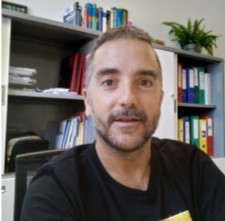
Javier Sotillo Gallego
Científico Titular
ORCID code: 0000-0002-1443-7233
En el año 2011 obtuve mi título de doctor “cum laude” por la Universidad de Valencia. Durante mi etapa postdoctoral en la James Cook University en Australia (2012-2019) me especialicé en estudiar las interacciones parásito-hospedador usando diferentes técnicas ómicas. En 2019 volví España y comencé a trabajar en el Laboratorio de Helmintos del CNM (ISCIII) primero como Investigador Miguel Servet y más adelante como Investigador Ramón y Cajal. Actualmente soy Científico Titular en el mismo laboratorio.
-

Ana Hernández González
Laboral Fijo Doctor
ORCID code: 0000-0001-6762-8175
Licenciada en Biología y doctora en Enfermedades Tropicales por la Universidad de Salamanca. Puestos ocupados con anterioridad: investigadora predoctoral en el IRNASA-CSIC (contrato JAE predoc), investigadora postdoctoral en el CNM (contrato Sara Borrell) e investigadora contratada como técnico superior en el CNM (RICET). Actualmente, personal Laboral Fijo Doctor en el laboratorio de Helmintos del CNM.
-
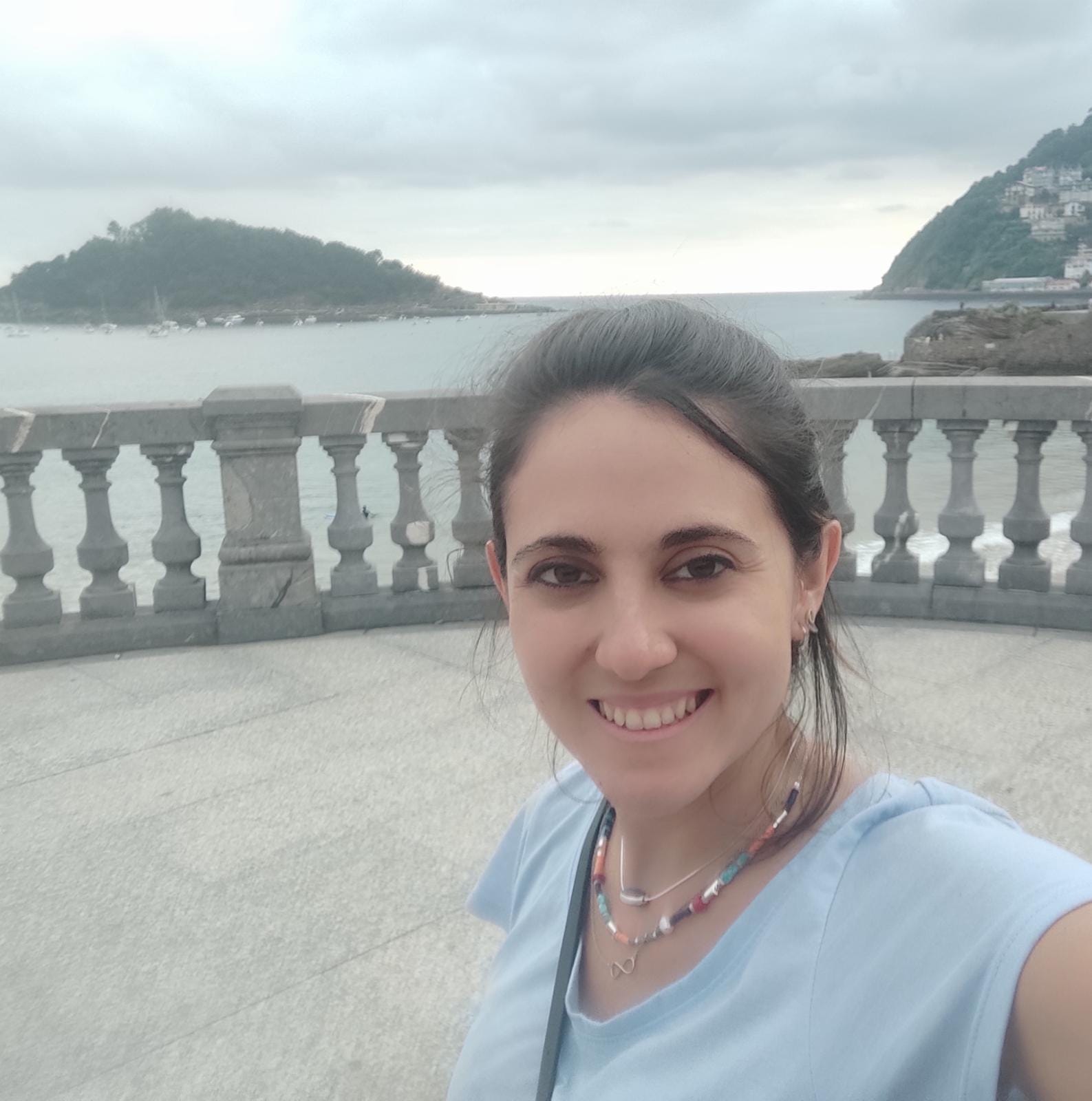
Esther Rodríguez Pérez
Técnico de Laboratorio
ORCID code: 0000-0002-3680-7733
Obtuve mi título como Graduada en Biología Sanitaria en el año 2015 y en el año 2019 obtuve el Grado Superior de Laboratorio de Diagnóstico Clínico. De 2019 a 2022 trabajé en el Museo Nacional de Ciencias Naturales (MNCN-CSIC), en el Departamento de Biogeoquímica y Ecología Microbiana. Actualmente trabajo como Técnico de Laboratorio en el Laboratorio de Helmintos del CNM (ISCIII).
-
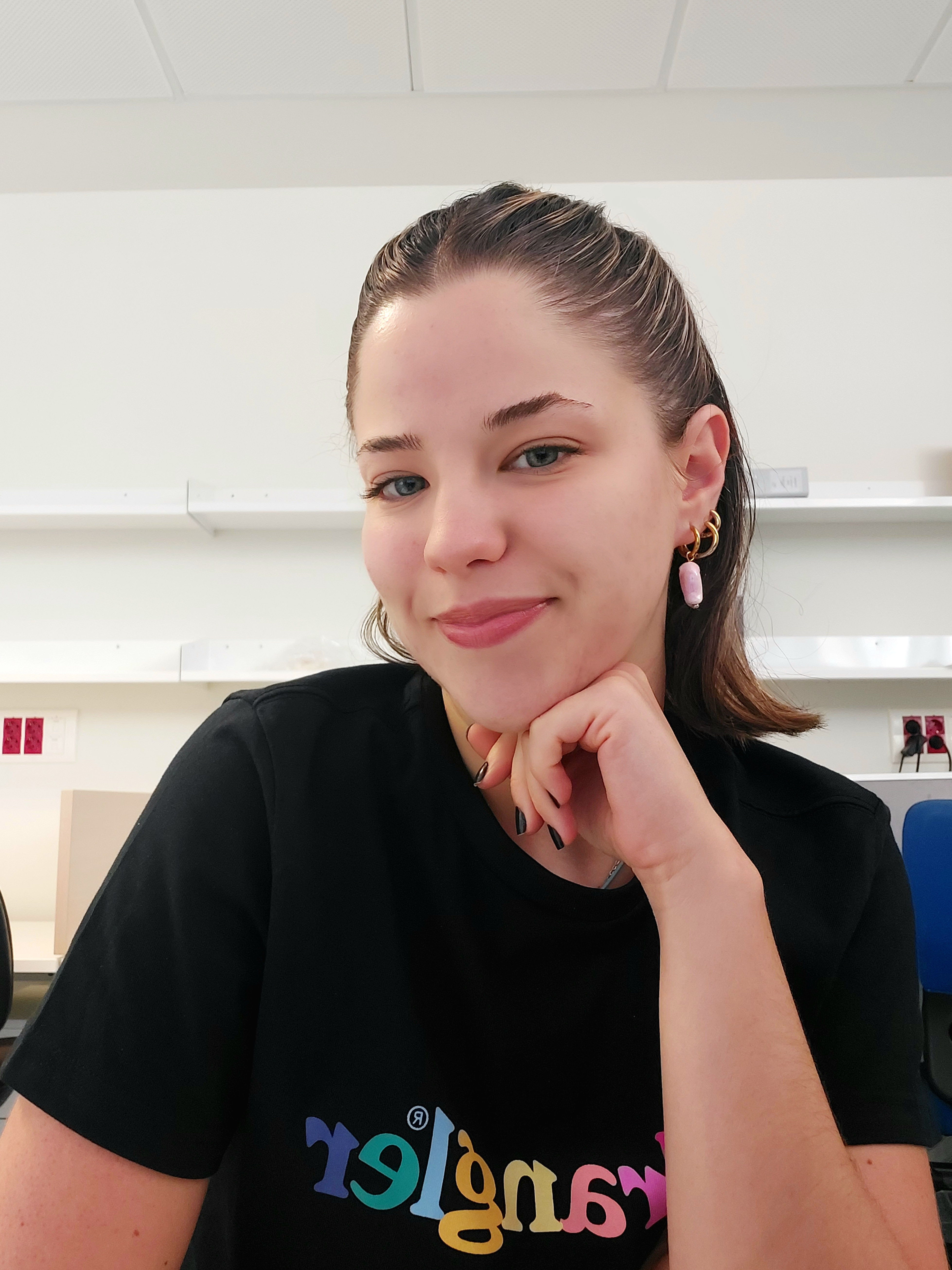
Lourdes Castro Companioni
Ayudante de Investigación
ORCID code: 0009-0003-2746-4067
Bióloga sanitaria graduada en la Universidad de Alcalá de Henares (UAH), con master de Microbiología y Salud pública en la UAH en colaboración con el ISCIII.


List of staff
Additional Information
The Medical Entomology Laboratory has accumulated extensive experience in this field, especially in entomological field studies, biology of arthropods of medical interest, vector competence and vector control. Also, in the molecular detection of Leishmania infantum promastigotes in naturally parasitized phlebotomine sand flies, in the molecular identification of blood ingested by hematophagous arthropods and in the study of the immunomodulatory properties of proteins present in the saliva of phlebotomine sand flies and mosquitoes. Our laboratory is currently co-leading the studies of vectors and wild reservoirs of leishmaniasis in the leishmaniasis focus of Fuenlabrada, Madrid. In this sense, we have studied the role of asymptomatic individuals as reservoirs in the outbreak by xenodiagnosis. On the other hand, we have participated since 2007 in the Entomological Surveillance Program in Airports and Ports against Potential Vectors of Exotic Infectious Diseases, a program that is allowing to develop the expansion map in Spain of Aedes albopictus. In 2016-2017, we carried out surveillance of Ae. albopictus in the Community of Castilla-La Mancha. On the other hand, we conducted studies on the role of patients with post-kala-azar dermal leishmaniasis (PKDL) in the transmission of the parasite in Bangladesh and Sudan. In addition, we participate in research studying ticks transmitting Crimean-Congo hemorrhagic fever in Spain.
Currently, it maintains confidentiality agreements with several companies participating in the evaluation of molecules with activity against pathogens in vectors (GSK), in the development of vector traps using artificial intelligence algorithms (Irideon, Spain), and in the evaluation of repellents against phlebotomine sand flies (IRSEA, France).
The laboratory actively participates in outreach activities such as the Science Week or the European Researchers' Night, among others, making medical entomology science available to the general population.
The Medical Entomology Laboratory has accumulated extensive experience in this field, especially in entomological field studies, biology of arthropods of medical interest, vector competence and vector control. Also, in the molecular detection of Leishmania infantum promastigotes in naturally parasitized phlebotomine sand flies, in the molecular identification of blood ingested by hematophagous arthropods and in the study of the immunomodulatory properties of proteins present in the saliva of phlebotomine sand flies and mosquitoes. Our laboratory is currently co-leading the studies of vectors and wild reservoirs of leishmaniasis in the leishmaniasis focus of Fuenlabrada, Madrid. In this sense, we have studied the role of asymptomatic individuals as reservoirs in the outbreak by xenodiagnosis. On the other hand, we have participated since 2007 in the Entomological Surveillance Program in Airports and Ports against Potential Vectors of Exotic Infectious Diseases, a program that is allowing to develop the expansion map in Spain of Aedes albopictus. In 2016-2017, we carried out surveillance of Ae. albopictus in the Community of Castilla-La Mancha. On the other hand, we conducted studies on the role of patients with post-kala-azar dermal leishmaniasis (PKDL) in the transmission of the parasite in Bangladesh and Sudan. In addition, we participate in research studying ticks transmitting Crimean-Congo hemorrhagic fever in Spain.
Currently, it maintains confidentiality agreements with several companies participating in the evaluation of molecules with activity against pathogens in vectors (GSK), in the development of vector traps using artificial intelligence algorithms (Irideon, Spain), and in the evaluation of repellents against phlebotomine sand flies (IRSEA, France).
The laboratory actively participates in outreach activities such as the Science Week or the European Researchers' Night, among others, making medical entomology science available to the general population.