



We protect your health through science
Investigation
Water-borne and Food-borne Bacterial Diseases
Research Lines
Content with Investigacion .
Taxonomía Bacteriana
null
Micobacterias
• Estudio taxonómico.
• Estudio de la sensibilidad fenotípica a nuevos fármacos antituberculosos.
• Análisis de las bases moleculares de la resistencia a fármacos antituberculosos.
• Epidemiología molecular de la tuberculosis. • Desarrollo de nuevos métodos de identificación y detección de resistencias en micobacterias.
La tuberculosis (TB) es una enfermedad infecciosa, provocada por un grupo de micobacterias incluidas en el grupo Mycobacterium tuberculosis complex, que puede afectar tanto al hombre como a los animales. Se caracteriza por la formación de tubérculos o nódulos en los tejidos infectados. Su trasmisión es por vía aérea, pero puede afectar a diferentes órganos del cuerpo.
La TB fue declarada emergencia sanitaria mundial por la Asamblea de la Organización Mundial de la Salud (OMS) en el año 1991 y continúa siendo una de las enfermedades infecciosas con mayor incidencia y tasa de mortalidad. Un tercio de la población mundial está infectada, constituyendo el reservorio de la enfermedad. En el año 2019 se estimó que 10 millones de personas contrajeron la enfermedad con 1,2 millones de fallecimientos. En España, el Plan Nacional para la Prevención y Control de la TB fue aprobado en 2019. Recoge los desafíos actuales que giran en torno a la detección precoz de la enfermedad, la realización de estudios de sensibilidad a todas las cepas aisladas, la mejora en el cumplimiento del tratamiento, la realización de estudios de contactos y la aplicación de marcadores epidemiológicos para la detección de brotes.
La aparición de cepas resistentes representa una amenaza para los planes de control y erradicación propuestos por la OMS. La TB multirresistente (MDR) causada por cepas resistentes al menos a Isoniacida y Rifampicina (los fármacos más activos frente a M. tuberculosis complex), requieren para su tratamiento drogas alternativas menos eficaces y peor toleradas, implicando regímenes terapéuticos más prolongados, aumentando la toxicidad y reduciendo las probabilidades de curación. En 2019 se estimó que más de medio millón de personas desarrollaron una TB causada por cepas MDR-TB. La OMS los términos pre-XDR para la TB pre-extemadamente resistente (causada por cepas MDR-TB que además son resistentes a Quinolonas), y XDR (cepas MDR-TB que son resistentes a cualquier Quinolona y al menos a Linezolid o Bedaquilina). Estas cepas producen una TB de muy difícil tratamiento, con escasa probabilidad de curación y terapias muy costosas que agravan el problema de la TB.
Las micobacterias no tuberculosas (MNT) son bacterias ubicuas que se encuentran en el medio ambiente siendo éste su reservorio y la fuente de infección. Taxonómicamente las MNT forman un grupo de especial complejidad por el gran número de especies y por la diversidad biológica entre ellas, que se traduce en una elevada heterogeneidad intraespecífica tanto fenotípica como genotípica, lo que hace que por economía, rentabilidad y organización el Centro Europeo de Control de Enfermedades (ECDC) recomiende la centralización de las labores de identificación y estudios de sensibilidad en laboratorios con un alto grado de especialización y que dispongan de las medidas de bioseguridad adecuadas para el manejo de estas cepas.
El número de casos causado por estas micobacterias, ha sufrido un aumento muy importante en la última década, al utilizar medios de cultivo mejor diseñados para su aislamiento, al uso de técnicas quirúrgicas más agresivas que favorecen la infección por bacterias oportunistas, la utilización de fármacos inmunosupresores, la mayor supervivencia de los pacientes con inmunodeficiencias y, sobre todo a la aparición del VIH.
Research projects
Content with Investigacion .
- Título: Desvelando la genómica de las bacterias anaerobias procedentes de bacteriemias
Referencia Proyecto: PID202-1127477OB-I00-MPY 302/22.
Entidad financiador: Agencia Estatal de Investigación.
Fechas de ejecución: 2023-2026
Financiación 108.900 €.
Investigadora principal: Sylvia Valdezate

- Título: Plataformas MALDI-TOF/CMI SENSITITRETM Personal Técnico Apoyo
Referencia: PTA2019-016623-I.
Entidad Financiadora: Agencia Estatal de Investigación.
Fechas ejecución 12/2020-11/2023
Investigadora principal: Sylvia Valdezate
- Título: Elementos genéticos móviles protagonistas en la evolución de los serotipos pandémicos M1 y M89 de Streptococcus pyogenes en el síndrome del shock tóxico y otras infecciones invasivas
Referencia: (MPY 377/18).
Entidad financiadora: Instituto de Salud Carlos III. Agencia Estatal de Investigación en Salud Intramural (AESI).
Fechas de ejecución: 11/2018-12/2022.
Financiación: 40.000 €.
Investigadoras principales: Pilar Villalón. Co-IP Sylvia Valdezate.
- Título: Plataformas genéticas y su influencia en la resistencia a co-trimoxazol, macrólidos y tetraciclina en Nocardia spp.
Referencia: MPY 1278/15
Entidad financiadora: Instituto de Salud Carlos III. Agencia Estatal de Investigación en Salud Intramural (AESI).
Fechas de ejecución: 2015-2017.
Financiación: 88.141,8 €.
Investigadora principal: Sylvia Valdezate
- Título: Filogenia y caracterización de mecanismos moleculares de resistencia en Nocardia spp.
Referencia: MPY 1446/11
Entidad financiadora: Instituto de Salud Carlos III. Fondo de Investigación Sanitaria (AES). ()
Fechas de ejecución: 04/2012-10/2015
Financiación: 115.457 €.
Investigadora principal: Sylvia Valdezate.
- Título: Iberian network of laboratories of biological alert. Accreditation of methods for detection highly pathogenic agents (IB-BIOALERTNET).
Entidad financiadora: COMISIÓN EUROPEA HOME/2012/ISEC/AG/CBRN/4000003810. (Instituto de Salud Carlos III (VISAVET, IVIA, INSA, INIAV))
Referencia: SAFI 1132/13-7.
Fecha de ejecución: 2013-2015.
Financiación: 699.175 €.
Tipo de participación: Miembro del equipo investigador.
- Título: EQUATOX Project Establishment of Quality Assurances for theDetection of Biological Toxins of potential Bioterrorism risk.
Entidad financiadora y convocatoria: Seven Framework Programme for Research FP7-SECURITY. (Robert Koch-Institut Berlin Alemania).
Referencia: SEC-2011.5.4-1.
Fechas de ejecución: 2012-2014.
Publications
Characterization of Trichuris muris secreted proteins and extracellular vesicles provides new insights into host-parasite communication.
Eichenberger RM, Talukder MH, Field MA, Wangchuk P, Giacomin P, Loukas A, Sotillo J. Characterization of Trichuris muris secreted proteins and extracellular vesicles provides new insights into host-parasite communication. J Extracell Vesicles. 2018 Jan 21;7(1):1428004.
PUBMED DOIEvaluation of onchocerciasis seroprevalence in Bioko Island (Equatorial Guinea) after years of disease control programmes.
Hernández-González A, Moya L, Perteguer MJ, Herrador Z, Nguema R, Nguema J, Aparicio P, Benito A, Gárate T. Evaluation of onchocerciasis seroprevalence in Bioko Island (Equatorial Guinea) after years of disease control programmes. Parasit Vectors. 2016 Sep 20;9(1):509.
PUBMED DOIChanges in protein expression after treatment with Ancylostoma caninum excretory/secretory products in a mouse model of colitis.
Sotillo J, Ferreira I, Potriquet J, Laha T, Navarro S, Loukas A, Mulvenna J. Changes in protein expression after treatment with Ancylostoma caninum excretory/secretory products in a mouse model of colitis. Sci Rep. 2017 Feb 13;7:41883.
PUBMED DOIFasciola spp: Mapping of the MF6 epitope and antigenic analysis of the MF6p/HDM family of heme-binding proteins.
Martínez-Sernández V, Perteguer MJ, Mezo M, González-Warleta M, Gárate T, Valero MA, Ubeira FM. Fasciola spp: Mapping of the MF6 epitope and antigenic analysis of the MF6p/HDM family of heme-binding proteins. PLoS One. 2017 Nov 21;12(11):e0188520.
PUBMED DOIContent with Investigacion .
-
Concepción Casado Herrero
Tenure Scientist of Public Research Organizations (OPIs)
ORCID code: 0000-0003-3412-2877
-
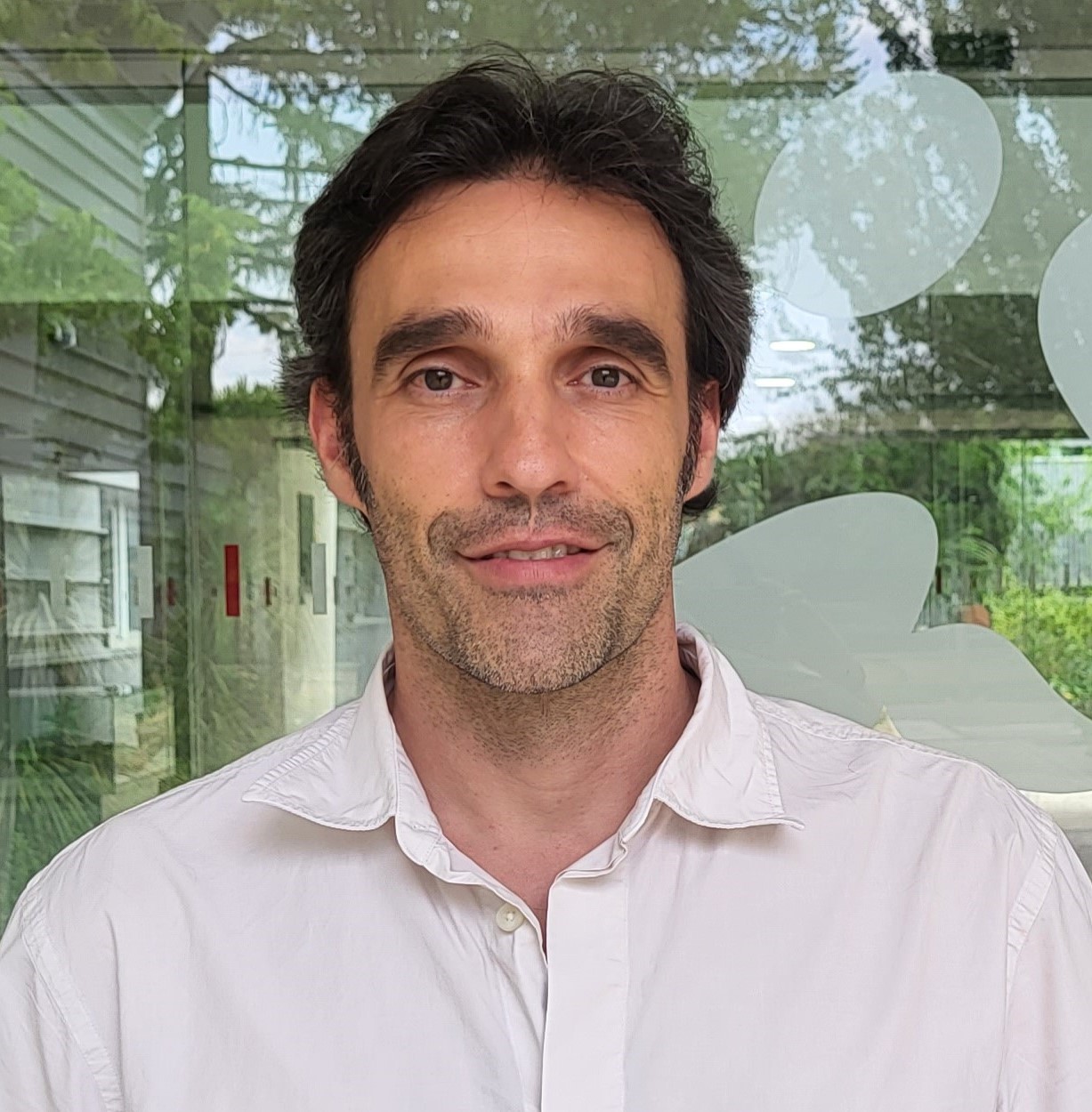
Javier García Pérez
Investigador Doctor
ORCID code: 0000-0001-7551-7803
Graduated in Biochemistry (1999) and Molecular Biology (2000) from the Autonomous University of Madrid (UAM), he obtained a predoctoral fellowship “ISCIII” in the AIDS Immunopathology laboratory, where he developed new techniques based on recombinant viruses. His doctoral thesis focused on the application of this technological development to the study of the replicative capacity of HIV-1 and its resistance to antiretroviral drugs, obtaining the degree of Doctor of Science from the UAM in 2007.
Thanks to a short postdoc in 2008 and several stays between 2009 and 2015 at the Viral Pathogenesis Unit of the Institut Pasteur in Paris he extended his training in the study of HIV-1 envelope and tropism. Between 2015 and 2019 he rejoins the AIDS Immunopathology Unit at ISCIII, focusing his work on the study of the functional capacity of founder viruses, as well as variants of the virus with interest in Public Health due to its recent expansion in our country. He is currently leading a project on the study of a mutation in transportin 3 observed in patients with a very rare muscular dystrophy (LGMDD2) that confers protection against HIV-1 infection.
During the last 5 years he combines this activity in HIV-1 with the participation and leadership of different clinical trials and studies investigating the immunity generated in people vaccinated against SARS-CoV-2 infection.
Since 2024 he is a “Investigador Doctor fuera de Convenio” at the Spanish National Centre of Microbiology and he currently coordinates together with Dr. Francisco Díez Fuertes the AIDS Immunopathology Unit.
-
Miguel Thomson
Research Professor. Head of Unit
-

Eloisa Yuste Herranz
Staff Scientist
ORCID code: 0000-0002-9484-9974
She holds a Bachelor's and a Ph.D. in Biological Sciences from the Complutense University of Madrid. She completed her first postdoctoral stay (1998–2001) at the “Severo Ochoa” Molecular Biology Center (Madrid). In 2001, she undertook a second postdoctoral stay at Harvard Medical School (USA), where she was promoted to Associate Researcher in 2005.
In 2008, she joined the August Pi i Sunyer Biomedical Research Institute (Barcelona) as a Ramón y Cajal Researcher, later being promoted to I3 Researcher in 2011 at the same institution. In 2016, she joined the National Center for Microbiology at the Carlos III Health Institute (Madrid) as a Distinguished Researcher. In 2018, she was promoted to Tenured Scientist at the same institution.
Her research has focused on the study of humoral immunity against HIV-1 and the development of preventive HIV-1 vaccine prototypes. She is currently co-leading, alongside Dr. Víctor Sánchez Merino, the newly established Humoral Immunity and HIV Vaccines Unit.
-
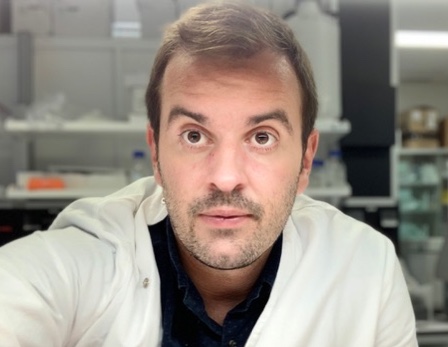
Francisco Díez Fuertes
Investigador Doctor Indefinido
ORCID code: 0000-0003-2413-9229
Degree in Biology from the University of León, PhD specialized in molecular virology from the Complutense University of Madrid in 2010 and master's degree in bioinformatics and computational biology from the same university in 2012. He has done research stays at University of Illinois at Urbana Champaign (USA) in 2010, Nebraska Center for Virology (USA) in 2011, Institut Pasteur (France) in 2013 and J. Craig Venter Institute (USA) in 2015-2016.
He joined the AIDS Immunopathology Unit in 2013 with a contract from the “Sara Borrell” postdoctoral program. After a period at the August Pi i Sunyer Biomedical Research Institute in Barcelona he rejoins the AIDS Immunopathology Unit in 2020 as a PhD researcher.
His lines of research have focused on the genomic and transcriptomic characterization of extreme phenotypes in HIV-1 infection, including long-term non-progressors and elite controllers. He collaborates with other laboratories of the center in the analysis of outbreaks caused by viruses with interest in Public Health, as well as in evolutionary studies on genomic epidemiology. Since 2020 he has led different clinical studies on COVID-19. Currently, he combines omics sciences with different bioinformatics tools to answer different scientific questions in the field of virology, especially in HIV-1 and SARS-CoV-2 research. He currently coordinates together with Dr. Javier García Pérez the AIDS Immunopathology Unit.
-
María Pernas Escario
Senior Specialized Technician of Public Research Organizations (OPIs)
ORCID code: 0000-0003-2966-0160
-
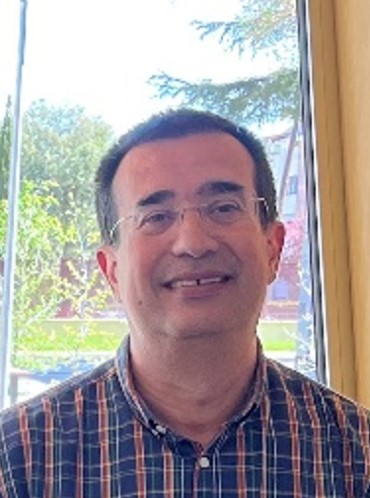
Victor Sánchez Merino
Distinguished Scientist
ORCID code: 0000-0001-9400-427X
He holds a Bachelor's and a Ph.D. in Pharmacy from the Complutense University of Madrid, specializing in virology and molecular biology. His research has focused on the study of HIV and EBV. His doctoral thesis addressed the evolution of HIV-1 and the restoration of mutant HIV-1 reverse transcriptase function.
He completed a postdoctoral stay at Harvard University, investigating new viral interactions (2001–2003). At the University of Massachusetts, he explored CD8+ T lymphocyte responses in vertical HIV transmission (2003–2008).
In Spain, at the Hospital Clínico-IDIBAPS (Barcelona; 2008–2017) and the Carlos III Health Institute (Madrid; 2017–Present), he has led research on HIV-1 neutralizing antibodies and the design of preventive vaccines.He is currently co-leading, alongside Dr. Eloísa Yuste Herranz, the newly established Humoral Immunity and HIV Vaccines Unit. Additionally, he is a professor and principal investigator at Alfonso X el Sabio University (Madrid).
-

Nuria González Fernández
Investigadora Contratada indefinida
ORCID code: 0000-0002-0087-5144
She completed her PhD in 2007 (Universidad Autónoma de Madrid), focused on the development of an envelope recombinant virus system to characterize HIV-1 tropism, as well as on the study of the role of the chemokine CXCL12 in virus propagation at the infectious synapse. Part of this work was carried out in the laboratory of Dr. Quentin Sattentau at the University of Oxford.
During her postdoctoral period, she expanded her research on the mechanisms of HIV entry and specialized in the study of the neutralizing response. She developed a system to measure neutralizing activity, which has been used in clinical trials of HIV vaccine candidates. During a stay at the Vaccine Research Center, NIH (USA), she acquired experience in various techniques for the characterization of broadly neutralizing antibodies, leading to new collaborations and research projects, which she is currently developing in the AIDS Immunopathology Unit of the Carlos III Health Institute.
She has participated in research networks such as EAVI2020 (co-PI), CIBERINFEC, RIS and EUROPRISE (EU). Since 2014 she is a professor of the Master in Microbiology applied to Public Health and Infectious Diseases Research at the University of the University of Alcalá and, since 2023, of the Master in Human Immunodeficiency Virus Infection at the University Rey Juan Carlos.
-

Almudena Rubio Perez
Research Assistant
ORCID code: 0009-0006-4687-7555
Graduated in Biochemistry from the University of Córdoba (Andalusia, Spain) with a master's degree in Biomedicine from the University of Cádiz (Andalusia, Spain). She is currently part of the Humoral Immunity and HIV Vaccines Unit (IHV) at the National Center for Microbiology (CNM) under a Youth Guarantee contract funded by the Community of Madrid and is pursuing a Ph.D. in the Microbiology and Parasitology program at the Complutense University of Madrid.
-
Virginia Sandonís Martín
Senior Specialized Technician of Public Research Organizations (OPIs)
ORCID code: 0000-0001-5762-7531
-
Mercedes Bermejo Herrero
Investigadora post-doctoral contratada
ORCID code: 0000-0001-9909-8578
Degree and PhD in Biological Sciences (Biochemistry and Molecular Biology) from the Autonoma University of Madrid. Her doctoral thesis studied the expression of CXCR4 and SDF-1/CXCL12 in lymphocytes and dendritic cells and their implications in HIV-1 infection.
She has completed internships in various laboratories: the Immunology Department of the Gregorio Marañón University Hospital in Madrid, the Research Center of the 12 de Octubre University Hospital in Madrid (where she was head of the flow cytometry service) and is currently at the CNM (National Research Center) of the Carlos III Health Institute.
Her research interests have focused on the study of HIV biology and its interaction with the immune system. She has currently participated in clinical trials, CombiVacs and ENE-Covid Senior, and in collaboration with Hipra.
-
Rosa Fuentes Fernández
Laboratory Technician
-

Rubén Ayala Suárez
Técnico Superior Especializado OPI
ORCID code: 0000-0002-1271-646.
Graduated in Biotechnology from the University of Cadiz (2015), Master in Microbiology of Infectious Diseases (2016) and PhD in Functional Biology from the University of Alcalá (2023). He carried out his PhD Thesis at the AIDS Immunopathology laboratory (CNM) on post-translational epigenetic mechanisms of natural control of HIV infection. In the same period, he completed a Diploma in Bioinformatics at Pablo de Olavide University (2021).
In 2023 he joined as a postdoctoral researcher in the HIV and AIDS research group at the August Pi i Sunyer Biomedical Research Institute (Barcelona), where he worked on the relationship of HIV and senescence until his incorporation as a Técnico Superior Especializado in the AIDS Immunopathology unit of the Spanish National Center of Microbiology (ISCIII) in 2025.
The main research projects in which he participates focus on resistance and natural control to HIV infection, as well as the evaluation of the immune response in vaccine trials, using mainly bioinformatics techniques focused on massive sequencing (RNA-Seq, single-cell, genome sequencing), the application of biostatistics and machine learning in data management.
-
-

Almudena Cascajero Díaz
Técnico de laboratorio
ORCID code: 0000-0002-9654-3100
Técnico Superior de Actividades Técnicas y Profesionales (Unidades de Inmunopatología del SIDA y Legionella, Centro Nacional de Microbiología). Clinical Diagnostic Laboratory Technician by IES Renacimiento de Madrid.
Experience in cloning techniques and characterization of neutralizing antibodies and participation in different projects on the pathogenesis of HIV by studying the viral envelope and the mechanisms of resistance to antiretroviral drugs. This experience has subsequently allowed me to participate in 5 multicenter clinical studies studying the immune response against different variants of SARS-CoV-2.
Since 2021, I also participate as a laboratory technician in the Legionella Unit as a support to the Spanish National Health System through the microbiological surveillance of the disease to contribute to the prevention and control of legionellosis.
-

Manuela Beltrán Vicente
Técnico de Laboratorio Indefinido
ORCID code: 0000-0001-6185-2280
Senior Technician of Technical and Professional Activities (AIDS Immunopathology Unit, Spanish National Center of Microbiology).
Clinical Analysis Laboratory Specialist Technician by IES Las Musas (Madrid, 1996). Demonstrated experience in the development of strategies against HIV, focused on the screening of compounds of both natural and synthetic origin with antiviral activity and identification and evaluation of potential therapeutic agents, as well as the screening of serological samples for the study of immunity for the identification of possible strategies for the development of vaccines against HIV. -

Silvia Jara Herrera
Técnico de Laboratorio Contratado CIBERINFEC
ORCID code: 0009-0001-2842-2040
Clinical and Biomedical Diagnostic Laboratory Technician.
She is currently working in the AIDS Immunopathology Unit of the Spanish National Center of Microbiology (ISCIII) with a contract through the Spanish Biomedical Research Networking Centre in Infectious Diseases (CIBER-INFEC).
She worked from March 2020 to September 2024 at the Department of Animal Health (Faculty of Veterinary Medicine) of the Universidad Complutense de Madrid.
She has experience in serological techniques (ELISA, Western Blot and IFA), cell culture and molecular biology.
-

Irene Díaz Marín
Técnico de laboratorio contratado
Clinical and Biomedical Diagnostics laboratory technician by CIFP Politécnico de Murcia-CESUR and graduated in Journalism from the Complutense University of Madrid.
She is currently at the AIDS Immunopathology Unit of the Spanish National Center of Microbiology with a contract of the “Garantía Juvenil” program (Community of Madrid), where she performs technical tasks in several research projects about HIV-1 and COVID-19.
-

Lorena Vigón Hernandez
Tenured Specialized Technician from OPIs
ORCID code: 0000-0002-6405-4054
Graduate in Health Biology and PhD in Health Sciences from the University of Alcalá de Henares. In 2016, she joined the CNM-ISCIII under a Youth Guarantee contract funded by the Community of Madrid, and in 2018 she was awarded a pFIS fellowship, which enabled her to remain at the same institution. Subsequently, in 2022, she was appointed as a Tenured Specialized Technical Staff of the Spanish Public Research Organizations (OPIs).
Her research has primarily focused on elucidating the mechanism of action of tyrosine kinase inhibitors in HIV-1 infection (PMID: 32828803; PMID: 34186065), as well as on the identification of biomarkers that could predict COVID-19 severity (PMID: 34616404; PMID: 34122423; PMID: 35960731).
She is currently a member of the recently established Humoral Immunity and HIV Vaccines Unit, led by Dr. Eloisa Yuste and Dr. Victor Sanchez-Merino.
Actualmente forma parte de la recientemente creada Unidad de Inmunidad Humoral y Vacunas frente al VIH, liderada por la Dra. Eloísa Yuste Herranz y el Dr. Víctor Sánchez Merino.
-
Laura Capa Muñoz
Investigadora post-doctoral contratada
ORCID code: 0000-0002-0234-331X
Degree in Biological Sciences from the Universidad Autónoma de Madrid and PhD from the Universidad Complutense de Madrid, she has a master's degree in AIDS (Universidad Complutense de Madrid) and a master's degree in HIV infection (Universidad Rey Juan Carlos de Madrid).
Professional activity developed mainly in the study of infectious diseases, both in the field of basic research in public research centers and in the pharmaceutical industry, as well as in the field of public health and scientific management. She has worked in the international response to the HIV pandemic, representing the Ministry of Health as an expert in meetings of the European Commission and collaborated with the WHO. At the Instituto de Salud Carlos III, she has led the scientific management of national and European projects in the AIDS Immunopathology Unit and has been part of the Institute's Data Protection Working Group. Currently, she continues to coordinate the Cohort of Long-Term Non-Progressing Patients created by the Spanish AIDS Research Network (RIS), is part of the coordination team of the PhD Program in Biomedical Sciences and Public Health IMIENS-UNED-ISCIII and of the Institute's Working Group on Equality.

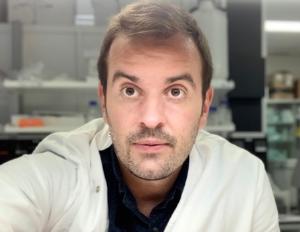


List of staff
Additional Information
The Reference and Research Laboratory for Water-borne an Food-borne Bacterial Diseases (LRIEBTAA) is recognized as a national reference laboratory for the zoonotic agents Salmonella, verotoxigenic Escherichia coli, Yersinia., Campylobacter. and Vibrio (RD 1940/2004 of September 27, Order APA/1808/2007 of June 13). In this sense, its main activity is to ensure adequate surveillance of these zoonoses, zoonotic agents and associated antibiotic resistance, as well as proper investigation of outbreaks caused by these microorganisms. In addition, the LRIEBTAA acts as a reference laboratory for Shigella, other diarrheagenic groups of E. coli, Legionella and toxigenic Corynebacterium species. Added to its reference activity is its applied research activity, among which those mentioned above stand out.
The members of the group carry out an important training activity. Every year, 3-5 students who develop their final Master's or Degree projects, laboratory technicians in training and rotating students of the specialty of Clinical Microbiology from different national origins are welcomed in the laboratory. In addition, it actively participates in the Public Health microbiologist training program funded by the ECDC through its supervision at the national level and coordination/supervision at the international level.
The Reference and Research Laboratory for Water-borne an Food-borne Bacterial Diseases (LRIEBTAA) is recognized as a national reference laboratory for the zoonotic agents Salmonella, verotoxigenic Escherichia coli, Yersinia., Campylobacter. and Vibrio (RD 1940/2004 of September 27, Order APA/1808/2007 of June 13). In this sense, its main activity is to ensure adequate surveillance of these zoonoses, zoonotic agents and associated antibiotic resistance, as well as proper investigation of outbreaks caused by these microorganisms. In addition, the LRIEBTAA acts as a reference laboratory for Shigella, other diarrheagenic groups of E. coli, Legionella and toxigenic Corynebacterium species. Added to its reference activity is its applied research activity, among which those mentioned above stand out.
The members of the group carry out an important training activity. Every year, 3-5 students who develop their final Master's or Degree projects, laboratory technicians in training and rotating students of the specialty of Clinical Microbiology from different national origins are welcomed in the laboratory. In addition, it actively participates in the Public Health microbiologist training program funded by the ECDC through its supervision at the national level and coordination/supervision at the international level.