



We protect your health through science
Investigation
Water-borne and Food-borne Bacterial Diseases
Research Lines
Content with Investigacion .
Classical viral vaccines rely on the induction of neutralizing antibodies. In the case of infection by the human immunodeficiency virus (HIV), the viral spike has evolved to evade recognition by these antibodies. Despite these obstacles, certain monoclonal antibodies capable of neutralizing the majority of primary HIV-1 isolates have been successfully isolated and have demonstrated efficacy both in controlling viremia and in providing protection against infection in animal models. These are known as broadly neutralizing antibodies (bNAbs).
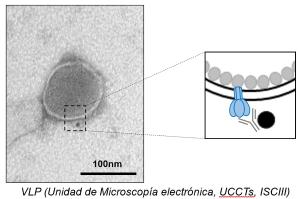
In order to identify the factors involved in the induction of these antibodies and to develop preventive strategies based on bNAb induction, we are pursuing the following research lines:
- Determination of factors associated with the induction of effective humoral responses in different scenarios: recent infection, chronic infection, co-infection with hepatitis C virus, reinfection, and pediatric infection, among others.
- Study of the effect of feminizing hormone therapy on the immune system of transgender women.
- Development of HIV-1 vaccine prototypes based on viral spike proteins incorporated into Virus-Like Particles (VLPs) from two sources:
a) Selected from a library of randomly mutated spikes to enhance the accessibility of epitopes recognized by bNAbs.
b) Derived from viruses present in individuals with broad neutralizing responses in recent infection. - Isolation and characterization of new bNAbs against HIV-1 from individual B cells of individuals with an efficient neutralizing response. These antibodies could be used in both preventive and therapeutic strategies.
- Isolation of new monoclonal antibodies against other human pathogenic viruses, adapting the technology developed for HIV-1 antibody isolation, in collaboration with researchers from the National Center for Microbiology.
- Use of gene therapy vectors (Recombinant Adeno-Associated Viruses; rAAVs) to incorporate bNAbs and apply them in prophylactic and therapeutic strategies.
Líneas de investigación prioritarias

1. Estudio de los procesos de latencia y reactivación del VIH-1: principales mecanismos homeostáticos responsables de la latencia proviral y la generación de los reservorios virales que imposibilitan la erradicación de la enfermedad.
2. Estudio de dianas terapéuticas para impedir la replicación viral activa durante la infección aguda o primaria y para interferir con la renovación del reservorio viral: análisis de fármacos inhibidores de las kinasas de linfocitos PKC o kinasas de la familia Src como p56Lck.
3. Análisis de los mecanismos de transactivación responsables de la replicación viral activa en linfocitos T CD4+: mecanismos virales implicados en reactivación del provirus.
4. Estudio de mecanismos que impidan la infección y replicación viral eficaz en células del reservorio viral secundario como son los monocitos/macrófagos.
5. Análisis de la resistencia a la infección por VIH-1 en linfocitos T CD4+ aislados de pacientes con distrofia muscular de cintura escapulohumeral/pélvica 1F (LGMD1F), que portan un defecto en el gen de la transportina-3 (tnpo3).
6. Estudio de la sinergia NF-B/Tat para la identificación de nuevas dianas terapéuticas.
7. Estudio de cambios de expresión en el transcriptoma y modificaciones postraduccionales en el proteoma de linfocitos T CD4+ que expresan Tat intracelular y su impacto sobre la estructura del citoesqueleto celular: mecanismo potencial de supervivencia de los reservorios virales.
8. Análisis de los mecanismos de degradación de p65/RelA (NF-B) y su importancia en la infección por VIH-1.
9. Estudio de las modificaciones en el metabolismo del RNA inducidas por la expresión intracelular de Tat y su papel en los mecanismos de supervivencia celular y aumento de la replicación viral.
Otras líneas de investigación
1. Estudio de la respuesta humoral y celular desarrollada en pacientes con Long COVID o COVID persistente.
2. Análisis de biomarcadores predictivos de gravedad en pacientes con distintas presentaciones de COVID-19.
3. Estudio de la respuesta inmune frente a la infección natural por SARS-CoV-2 o por la vacunación frente al COVID-19 desarrollada por pacientes con enfermedades oncohematológicas en estado de inmunodeficiencia.
4. Definición de biomarcadores predictivos de recaída en pacientes con leucemia mieloide crónica que hayan interrumpido el tratamiento con inhibidores de tirosina kinasas.
Research
The Molecular Virology group focuses its research on the study of HIV-1 genetic variation and viral evolution using both in vitro and ex vivo approaches, structured around the following research lines:
- Non-progressor patients. These patients maintain control of the disease in the absence of antiretroviral therapy and have therefore been proposed as a model of functional cure. Our objective is to study the contribution of viral factors to disease control through biological characterization and analysis of viral evolution in individuals with undetectable viral loads (elite controllers, EC), compared with individuals showing other patterns of viral control.
- Viral envelope. This viral protein is key in determining viral fitness. Therefore, its functionality significantly affects infection progression. In collaboration with Dr. Blanco and Dr. Valenzuela, we study which specific events (CD4 binding, fusogenicity, etc.) are associated with envelope functionality. To this end, we have analyzed envelopes from individuals with different patterns of disease progression. Some of these have been contributed to the AIDS Research Network envelope biobank for broader use.
- Dual infection. Infection with more than one viral variant (either through co-infection or superinfection) may have consequences for infection pathogenesis. Within our group, different aspects of DI have been analyzed, including its detection in non-progressor patients, its prevalence and incidence in Spain, and its influence on the neutralizing antibody response.
- Molecular Epidemiology. The group has analyzed viral evolution throughout the epidemic in Spain and in other countries (the Netherlands, Italy, Germany, Uruguay, Panama, Brazil, etc.).
- Role of amino acid residues in reverse transcriptase. We study the role of specific amino acid residues in HIV-1 reverse transcriptase in enzymatic function and replication capacity using an infectious molecular clone previously obtained by the group.
- “In vitro” variability. Serial passage studies have been used to detect the mechanisms responsible for the gain or loss of viral fitness.
- Antiviral studies. We have analyzed the selection of resistance mutations in vitro against different antivirals, as well as the effect of these mutations on viral fitness, and the activity of new antivirals such as ATR inhibitors.
Virological Diagnosis and Reference in HIV and HTLV Infections
The research group provides diagnostic and reference activities through the service portfolio of the National Center for Microbiology to the entire Spanish National Health System.
These services include:
-
Diagnosis and reference of HIV infection (types 1 and 2) through detection of specific antibodies and detection of proviral DNA by PCR.
-
Diagnosis and reference of HTLV-I/II infection through detection of specific antibodies and detection of proviral DNA by PCR. Quantification of HTLV-1 proviral load by real-time PCR.
European Union Reference Laboratory (EURL) in the field of in vitro diagnostic medical devices for microbiological diagnosis (IVD) of HIV and HTLV (Regulation 2023/2713 of December 5th, 2023). Our role is to confirm the reliability and effectiveness of devices for detecting these pathogens and to ensure their specific performance requirements through laboratory testing before they can be marketed within the European Union.
Research Lines:
1. Molecular mechanisms associated to the protection of HIV-1 infection in limb-girdle muscular dystrophy dominant D2 (LGMDD2) patients.
2. Generation of neutralizing antibodies for therapeutic use based on the broad-spectrum neutralizing response against founder viruses.
3. Characterization of the immune memory against SARS-CoV-2 in a population over 65 years of age.
4. Screening and characterization of new anti-latency drugs against HIV-1.
5. Study of viral entry and HIV tropism in viruses of special epidemiological relevance in Spain.
6. Genetic mechanisms of protection and control of HIV-1 infection in populations with extreme phenotypes.
Clinical studies:
1. Phase 1 clinical trial to evaluate the safety and immunogenicity of HIV-1 envelope-based 763SIP8/MPLA-5 vaccine as a preventive vaccine in healthy uninfected adults.
2. ENE-COVID-Senior: Prospective observational study in a cohort of elderly nursing home residents to establish their immune status after receiving a complete vaccination regimen.
Implementation of new technologies:
1. Identification of HIV-1 integration sites by deep sequencing.
2. Single cell transcriptomics with simultaneous TCR/BCR sequencing.
3. Epidemiological intelligence for prediction of SARS-CoV-2 variants likely to emerge in different vaccination settings.
Biología y Variabilidad del VIH
null
Publications
HCV eradication with IFN-based therapy does not completely restore gene expression in PBMCs from HIV/HCV-coinfected patients
Brochado-Kith; Martínez I; Berenguer J; et al; Fernández-Rodríguez A (AC); Resino S. (11/12). 2021. HCV eradication with IFN-based therapy does not completely restore gene expression in PBMCs from HIV/HCV-coinfected patients. Journal of Biomedical Sciences. Springer Nature. 28-1.
DOIOLFM4 polymorphisms predict septic shock survival after major surgery. Eur J Clin Invest.
Pérez-García F; Resino S; Gómez-Sánchez E; et al; Jiménez-Sousa MÁ (10/10). OLFM4 polymorphisms predict septic shock survival after major surgery. Eur J Clin Invest. 2021. 51(4):e13416. doi: 10.1111/eci.13416.
Alcazar-Fuoli L, Mellado E, Garcia-Effron G, Buitrago MJ, Lopez JF, Grimalt JO, Cuenca-Estrella JM, Rodriguez-Tudela JL. Aspergillus fumigatus C-5 sterol desaturases Erg3A and Erg3B: role in sterol biosynthesis and antifungal drug susceptibility. Antimicrob Agents Chemother. 2006 Feb
Alcazar-Fuoli L, Mellado E, Garcia-Effron G, Buitrago MJ, Lopez JF, Grimalt JO, Cuenca-Estrella JM, Rodriguez-Tudela JL. Aspergillus fumigatus C-5 sterol desaturases Erg3A and Erg3B: role in sterol biosynthesis and antifungal drug susceptibility. Antimicrob Agents Chemother. 2006 Feb;50(2):453-60. doi: 10.1128/AAC.50.2.453-460.2006. PMID: 16436696; PMCID: PMC1366924.
PUBMED14. Alcazar-Fuoli L, Mellado E, Alastruey-Izquierdo A, Cuenca-Estrella M, Rodriguez-Tudela JL. Aspergillus section Fumigati: antifungal susceptibility patterns and sequence-based identification. Antimicrob Agents Chemother. 2008 Apr
Alcazar-Fuoli L, Mellado E, Alastruey-Izquierdo A, Cuenca-Estrella M, Rodriguez-Tudela JL. Aspergillus section Fumigati: antifungal susceptibility patterns and sequence-based identification. Antimicrob Agents Chemother. 2008 Apr;52(4):1244-51. doi: 10.1128/AAC.00942-07. Epub 2008 Jan 22. PMID: 18212093; PMCID: PMC2292508.
PUBMED DOIAlcazar-Fuoli L, Mellado E, Alastruey-Izquierdo A, Cuenca-Estrella M, Rodriguez-Tudela JL. Species identification and antifungal susceptibility patterns of species belonging to Aspergillus section Nigri. Antimicrob Agents Chemother. 2009 Oct
Alcazar-Fuoli L, Mellado E, Alastruey-Izquierdo A, Cuenca-Estrella M, Rodriguez-Tudela JL. Species identification and antifungal susceptibility patterns of species belonging to Aspergillus section Nigri. Antimicrob Agents Chemother. 2009 Oct;53(10):4514-7. doi: 10.1128/AAC.00585-09. Epub 2009 Jul 27. PMID: 19635955; PMCID: PMC2764190.
PUBMED DOIAlcazar-Fuoli L, Mellado E, Cuenca-Estrella M, Sanglard D. Probing the role of point mutations in the cyp51A gene from Aspergillus fumigatus in the model yeast Saccharomyces cerevisiae. Med Mycol. 2011 Apr
Alcazar-Fuoli L, Mellado E, Cuenca-Estrella M, Sanglard D. Probing the role of point mutations in the cyp51A gene from Aspergillus fumigatus in the model yeast Saccharomyces cerevisiae. Med Mycol. 2011 Apr;49(3):276-84. doi: 10.3109/13693786.2010.512926. Epub 2010 Sep 10. PMID: 20831364.
PUBMED DOIAlcazar-Fuoli L, Cuesta I, Rodriguez-Tudela JL, Cuenca-Estrella M, Sanglard D, Mellado E. Three-dimensional models of 14α-sterol demethylase (Cyp51A) from Aspergillus lentulus and Aspergillus fumigatus: an insight into differences in voriconazole interaction. Int J Antimicrob Agents. 2011 Nov
Alcazar-Fuoli L, Cuesta I, Rodriguez-Tudela JL, Cuenca-Estrella M, Sanglard D, Mellado E. Three-dimensional models of 14α-sterol demethylase (Cyp51A) from Aspergillus lentulus and Aspergillus fumigatus: an insight into differences in voriconazole interaction. Int J Antimicrob Agents. 2011 Nov;38(5):426-34. doi: 10.1016/j.ijantimicag.2011.06.005. Epub 2011 Aug 25. PMID: 21871783.
PUBMED DOIAlcazar-Fuoli L, Mellado E. Ergosterol biosynthesis in Aspergillus fumigatus: its relevance as an antifungal target and role in antifungal drug resistance.
Alcazar-Fuoli L, Mellado E. Ergosterol biosynthesis in Aspergillus fumigatus: its relevance as an antifungal target and role in antifungal drug resistance. Front Microbiol. 2013 Jan 10;3:439. doi: 10.3389/fmicb.2012.00439. PMID: 23335918; PMCID: PMC3541703.
PUBMED DOIBernal-Martínez L, Alcazar Fuoli L, Miguel-Revilla B, Carvalho A, Cuétara Garcia MS, Garcia-Rodriguez J, Cunha C, Gómez-García de la Pedrosa E, Gomez-Lopez A. High-Resolution Melting Assay for Genotyping Variants of the CYP2C19 Enzyme and Predicting Voriconazole Effectiveness. Antimicrob Agents Chemother. 2019 May 24
Bernal-Martínez L, Alcazar Fuoli L, Miguel-Revilla B, Carvalho A, Cuétara Garcia MS, Garcia-Rodriguez J, Cunha C, Gómez-García de la Pedrosa E, Gomez-Lopez A. High-Resolution Melting Assay for Genotyping Variants of the CYP2C19 Enzyme and Predicting Voriconazole Effectiveness. Antimicrob Agents Chemother. 2019 May 24;63(6):e02399-18. doi: 10.1128/AAC.02399-18. PMID: 30910893; PMCID:PMC6535561.
PUBMED DOILupiañez CB, Martínez-Bueno M, Sánchez-Maldonado JM, Badiola J, Cunha C, Springer J, Lackner M, Segura-Catena J, Canet LM, Alcazar-Fuoli L, López-Nevot MA, Fianchi L, Aguado JM, Pagano L, López-Fernández E, Alarcón-Riquelme M, Potenza L, Gonçalves SM, Luppi M, Moratalla L, Solano C, Sampedro A, González-Sierra P, Cuenca-Estrella M, Lagrou K, Maertens JA, Lass-Flörl C, Einsele H, Vazquez L; PCRAGA Study Group, Loeffler J, Ríos-Tamayo R, Carvalho A, Jurado M, Sainz J. Polymorphisms within the ARNT2 and CX3CR1 Genes Are Associated with the Risk of Developing Invasive Aspergillosis. Infect Immun. 2020 Mar 23
Lupiañez CB, Martínez-Bueno M, Sánchez-Maldonado JM, Badiola J, Cunha C, Springer J, Lackner M, Segura-Catena J, Canet LM, Alcazar-Fuoli L, López-Nevot MA, Fianchi L, Aguado JM, Pagano L, López-Fernández E, Alarcón-Riquelme M, Potenza L, Gonçalves SM, Luppi M, Moratalla L, Solano C, Sampedro A, González-Sierra P, Cuenca-Estrella M, Lagrou K, Maertens JA, Lass-Flörl C, Einsele H, Vazquez L; PCRAGA Study Group, Loeffler J, Ríos-Tamayo R, Carvalho A, Jurado M, Sainz J. Polymorphisms within the ARNT2 and CX3CR1 Genes Are Associated with the Risk of Developing Invasive Aspergillosis. Infect Immun. 2020 Mar 23;88(4):e00882-19. doi: 10.1128/IAI.00882-19. PMID: 31964743; PMCID: PMC7093133.
PUBMED DOIAre Reduced Levels of Coagulation Proteins Upon Admission Linked to COVID-19 Severity and Mortality? Front Med (Laussane).
Ceballos FC; Ryan P; Blancas R; et al; Jiménez-Sousa MÁ (20/20). Are Reduced Levels of Coagulation Proteins Upon Admission Linked to COVID-19 Severity and Mortality? Front Med (Laussane). 2021; 8:718053. PMID: 34660629. doi: 10.3389/fmed.2021.718053.
T allele was linked to non-AIDS progression in ART-naïve HIV-infected patients: a retrospective study.
Jiménez-Sousa MA; Jiménez JL; Bellón JM; et al (1/10). CYP27B1 rs10877012 T allele was linked to non-AIDS progression in ART-naïve HIV-infected patients: a retrospective study. J Acquir Immune Defic Syndr 2020 ;85(5):659-664. doi: 10.1097/QAI.0000000000002485.
PBMCs gene expression signature of advanced cirrhosis with high risk for clinically significant portal hypertension in HIV/HCV coinfected patients
Salguero, Sergio; Brochado-Kith, Oscar; Verdices, Ana Virseda; et al; Jiménez-Sousa María A (‡, AC); Resino, Salvador (‡, AC). (12/12). 2023. PBMCs gene expression signature of advanced cirrhosis with high risk for clinically significant portal hypertension in HIV/HCV coinfected patients: A cross-control study. Biomedicine & pharmacotherapy. 159, pp.114220. ISSN 1950-6007.
Relative telomere length impact on mortality of COVID-19: Sex differences.Journal of medical virology.
Virseda-Berdices, Ana; Concostrina-Martinez, Leyre; Martinez-Gonzalez, Oscar; et al; Fernandez-Rodriguez, Amanda (‡), Jiménez-Sousa María A (‡). (14/14). 2023. Relative telomere length impact on mortality of COVID-19: Sex differences.Journal of medical virology. 95-1, pp.e28368. ISSN 1096-9071.
Plasma miRNA profile at COVID-19 onset predicts severity status and mortality.
Fernandez-Pato, Asier; Virseda-Berdices, Ana; Resino, Salvador; et al; Jiménez-Sousa María A (‡, AC); Fernandez-Rodriguez, Amanda (‡). (20/20). 2022. Plasma miRNA profile at COVID-19 onset predicts severity status and mortality. EMERGING MICROBES & INFECTIONS. 11(1):676-688. doi: 10.1080/22221751.2022.2038021.
Blood microbiome is associated with changes in portal hypertension after successful direct-acting antiviral therapy in patients with HCV-related cirrhosis.The Journal of antimicrobial chemotherapy.
Virseda-Berdices, Ana; Brochado-Kith, Oscar; Diez, Cristina; et al; Jimenez-Sousa, Maria Angeles. (16/16). 2021. Blood microbiome is associated with changes in portal hypertension after successful direct-acting antiviral therapy in patients with HCV-related cirrhosis.The Journal of antimicrobial chemotherapy. 77(3):719-726. doi: 10.1093/jac/dkab444. ISSN 1460-2091.
Chronic pulmonary aspergillosis update: A year in review. Med Mycol. 2019 Apr 1
Barac A, Kosmidis C, Alastruey-Izquierdo A, Salzer HJF; CPAnet. Chronic pulmonary aspergillosis update: A year in review. Med Mycol. 2019 Apr 1;57(Supplement_2):S104-S109. doi: 10.1093/mmy/myy070. PMID: 30816975.
PUBMED DOILaursen CB, Davidsen JR, Van Acker L, Salzer HJF, Seidel D, Cornely OA, Hoenigl M, Alastruey-Izquierdo A, Hennequin C, Godet C, Barac A, Flick H, Munteanu O, Van Braeckel E. CPAnet Registry-An International Chronic Pulmonary Aspergillosis Registry. J Fungi (Basel). 2020 Jun
Laursen CB, Davidsen JR, Van Acker L, Salzer HJF, Seidel D, Cornely OA, Hoenigl M, Alastruey-Izquierdo A, Hennequin C, Godet C, Barac A, Flick H, Munteanu O, Van Braeckel E. CPAnet Registry-An International Chronic Pulmonary Aspergillosis Registry. J Fungi (Basel). 2020 Jun 29;6(3):E96. doi: 10.3390/jof6030096. PMID: 32610566.
PUBMED DOIProject from GEMICOMED (SEIMC) and REIPI. Molecular identification and susceptibility testing of molds isolated in a Prospective Surveillance of Triazole Resistance in Spain (FILPOP2 study). Antimicrob Agents Chemother. 2018 Jun
Alastruey-Izquierdo A*, Alcazar-Fuoli L, Rivero-Menéndez O, Ayats J, Castro C, García-Rodríguez J, Goterris-Bonet L, Ibáñez-Martínez E, Linares-Sicilia MJ, Martin-Gomez MT, Martín-Mazuelos E, Pelaez T, Peman J, Rezusta A, Rojo S, Tejero R, Vicente Anza D, Viñuelas J, Zapico MS, Cuenca-Estrella M; members of the FILPOP2 Project from GEMICOMED (SEIMC) and REIPI. Molecular identification and susceptibility testing of molds isolated in a Prospective Surveillance of Triazole Resistance in Spain (FILPOP2 study). Antimicrob Agents Chemother. 2018 Jun 25. doi: 10.1128/AAC.00358-18. PMID: 29941643.
PUBMED DOIIn vitro activity of APX001A against rare moulds using EUCAST and CLSI methodologies. J Antimicrob Chemother. 2019 May 1
Rivero-Menendez O, Cuenca-Estrella M, Alastruey-Izquierdo A.* In vitro activity of APX001A against rare moulds using EUCAST and CLSI methodologies. J Antimicrob Chemother. 2019 May 1;74(5):1295-1299. doi: 10.1093/jac/dkz022. PMID: 30753499.
PUBMED DOIIn vitro activity of olorofim (F901318) against clinical isolates of cryptic species of Aspergillus by EUCAST and CLSI methodologies. J Antimicrob Chemother. 2019 Jun 1
Rivero-Menendez O, Cuenca-Estrella M, Alastruey-Izquierdo A.* In vitro activity of olorofim (F901318) against clinical isolates of cryptic species of Aspergillus by EUCAST and CLSI methodologies. J Antimicrob Chemother. 2019 Jun 1;74(6):1586-1590. doi: 10.1093/jac/dkz078. PMID: 30891600.
PUBMED DOIMolecular Identification, Antifungal Susceptibility Testing, and Mechanisms of Azole Resistance in Aspergillus Species Received within a Surveillance Program on Antifungal Resistance in Spain. Antimicrob Agents Chemother. 2019 Aug 23
Rivero-Menendez O, Soto-Debran JC, Medina N, Lucio J, Mellado E, Alastruey-Izquierdo A*. Molecular Identification, Antifungal Susceptibility Testing, and Mechanisms of Azole Resistance in Aspergillus Species Received within a Surveillance Program on Antifungal Resistance in Spain. Antimicrob Agents Chemother. 2019 Aug 23;63(9). doi: 10.1128/AAC.00865-19. PMID: 31285229.
PUBMED DOIClinical and Laboratory Development of Echinocandin Resistance in Candida glabrata: Molecular Characterization. Front Microbiol. 2019 Jul 11
Rivero-Menendez O, Navarro-Rodriguez P, Bernal-Martinez L, Martin-Cano G, Lopez-Perez L, Sanchez-Romero I, Perez-Ayala A, Capilla J, Zaragoza O, Alastruey-Izquierdo A*. Clinical and Laboratory Development of Echinocandin Resistance in Candida glabrata: Molecular Characterization. Front Microbiol. 2019 Jul 11;10:1585. doi: 10.3389/fmicb.2019.01585. PMID: 31354675.
PUBMED DOIIn vitro activity of olorofim against clinical isolates of Scedosporium species and Lomentospora prolificans using EUCAST and CLSI methodologies. J Antimicrob Chemother. 2020 Aug 28
Rivero-Menendez O, Cuenca-Estrella M, Alastruey-Izquierdo A.* In vitro activity of olorofim against clinical isolates of Scedosporium species and Lomentospora prolificans using EUCAST and CLSI methodologies. J Antimicrob Chemother. 2020 Aug 28. doi: 10.1093/jac/dkaa351. PMID:32856079.
PUBMED DOIEarly innate immune response triggered by the human respiratory syncytial virus and its regulation by ubiquitination/deubiquitination processes.
Martín-Vicente M*, Resino S#, Martínez I#*. Early innate immune response triggered by the human respiratory syncytial virus and its regulation by ubiquitination/deubiquitination processes. J Biomed Sci. 2022 Feb 13;29(1):11. doi: 10.1186/s12929-022-00793-3. PMID: 35152905 (R; FI= 12.771; D1 Medicine, Research & Experimental; JCR 2021).
PUBMEDHigh SARS-CoV-2 viral load and low CCL5 expression levels in the upper respiratory tract are associated with COVID-19 severity.
Pérez-García F, Martin-Vicente M, Rojas-García RL, Castilla-García L, Muñoz-Gomez MJ, Hervás Fernández I, González Ventosa V, Vidal-Alcántara EJ, Cuadros-González J, Bermejo-Martin JF, Resino S#, Martínez I#. High SARS-CoV-2 viral load and low CCL5 expression levels in the upper respiratory tract are associated with COVID-19 severity. J Infect Dis. 2022 Mar 15;225(6):977-982. doi: 10.1093/infdis/jiab604. PMID: 34910814 (A; FI= 7.759; Q1 Microbiology; JCR 2021).
PUBMEDNeighborhood environmental factors linked to hospitalizations of older people for viral lower respiratory tract infections in Spain: a case-crossover study.
Álvaro-Meca A, Sepúlveda-Crespo D#, Resino R, Ryan P, Martínez I#, Resino S#. Neighborhood environmental factors linked to hospitalizations of older people for viral lower respiratory tract infections in Spain: a case-crossover study. Environ Health. 2022 Nov 8;21(1):107. doi: 10.1186/s12940-022-00928-x. PMID: 36348411.
PUBMEDDiagnostic Performance of the HCV Core Antigen Test To Identify Hepatitis C in HIV-Infected Patients: a Systematic Review and Meta-Analysis.
Sepúlveda-Crespo D, Treviño-Nakoura A, Bellon JM, Jiménez-Sousa MA, Ryan P, Martínez I#, Fernández-Rodríguez A#, Resino S#. Diagnostic Performance of the HCV Core Antigen Test To Identify Hepatitis C in HIV-Infected Patients: a Systematic Review and Meta-Analysis. J Clin Microbiol. 2023 Jan 26; 61(1):e0133122. doi: 10.1128/jcm.01331-22. PMID: 36537787.
PUBMEDHCV Cure With Direct-Acting Antivirals Improves Liver and Immunological Markers in HIV/HCV-Coinfected Patients.
Brochado-Kith Ó, Martínez I*, Berenguer J, González-García J, Salgüero S, Sepúlveda-Crespo D, Díez C, Hontañón V, Ibañez-Samaniego L, Pérez-Latorre L, Fernández-Rodríguez A, Ángeles Jiménez-Sousa M, Resino S*. HCV Cure With Direct-Acting Antivirals Improves Liver and Immunological Markers in HIV/HCV-Coinfected Patients. Front Immunol. 2021 Aug 23;12:723196. doi: 10.3389/fimmu.2021.723196. eCollection 2021.PMID: 34497613 (A; FI= 8.786; Q1 Immunology; JCR 2021).
PUBMEDHIV screening and retention in care in people who use drugs in Madrid, Spain: a prospective study
Ryan P, Valencia J, Cuevas G; Troya J; Torres-Macho J; Muñoz-Gómez MJ, Muñoz-Rivas N, Canorea I, Vázquez-Morón S (‡), Resino S (‡ *). HIV screening and retention in care in people who use drugs in Madrid, Spain: A prospective study. Infect Dis Poverty. 2021; 10(1): 111. (A; FI= 10.49; D1, Tropical Medicine; JCR 2021). PMID: 34412695. DOI: 10.1186/s40249-021-00894-5.
PUBMEDObesity-related SNPs and weight gain following first-line antiretroviral therapy.
Berenguer J (*), Jarrín I, Bellón JM, Díez C, Jiménez-Sousa MA, Roca C, González-García J, Dalmau D, Olalla J, Herrero C, Villarroya F, Domingo P, Resino S. Obesity-related SNPs and weight gain following first-line antiretroviral therapy. Clin Inf Dis. 2023; In press. (A; FI= 20.99; D1, Infectious Diseases; JCR 2021).
PUBMED DOIMild profile improvement of immune biomarkers in HIV/HCV-coinfected patients who removed hepatitis C after HCV treatment: a prospective study.
García-Broncano P, Medrano LM, Berenguer J, Brochado O, González-García J, Jiménez-Sousa MA, Quereda C, Sanz J, Téllez MJ, Díaz L, Jiménez JL, Muñoz-Fernández MA, Resino S (*). Mild profile improvement of immune biomarkers in HIV/HCV-coinfected patients who removed hepatitis C after HCV treatment: a prospective study. J Infect 2020; 80(1):99-110. (A; FI= 6.07; Q1, Infectious Diseases; JCR 2020). PMID: 31585189. DOI: 10.1016/j.jinf.2019.09.020.
PUBMEDEvaluation of the possible influence of trailing and paradoxical effects on the clinical outcome of patients with candidemia
Rueda C, Puig-Asensio M, Guinea J, Almirante B, Cuenca-Estrella M, Zaragoza O; CANDIPOP Project from GEIH-GEMICOMED (SEIMC) and REIPI. Evaluation of the possible influence of trailing and paradoxical effects on the clinical outcome of patients with candidemia. Clin Microbiol Infect. 2017 Jan;23(1):49.e1-49.e8.
PUBMED DOIIdentification of Off-Patent Drugs That Show Synergism with Amphotericin B or That Present Antifungal Action against Cryptococcus neoformans and Candida spp
Rossi SA, de Oliveira HC, Agreda-Mellon D, Lucio J, Mendes-Giannini MJS, García-Cambero JP, Zaragoza O. Identification of Off-Patent Drugs That Show Synergism with Amphotericin B or That Present Antifungal Action against Cryptococcus neoformans and Candida spp. Antimicrob Agents Chemother. 2020 Mar 24;64(4):e01921-19. PMCID: PMC7179310.
PUBMED DOIParadoxical Growth of Candida albicans in the Presence of Caspofungin Is Associated with Multiple Cell Wall Rearrangements and Decreased Virulence
Rueda C, Cuenca-Estrella M, Zaragoza O. Paradoxical growth of Candida albicans in the presence of caspofungin is associated with multiple cell wall rearrangements and decreased virulence. Antimicrob Agents Chemother. 2014;58(2):1071-83. PMCID: PMC3910852.
PUBMED DOIHCV cure with direct-acting antivirals improves liver and immunological markers in HIV/HCV-coinfected patients.
Brochado-Kith O, Martínez I, Berenguer J, González-García J, Salgüero S, Sepúlveda-Crespo D, Díez C, Hontañón V, Ibañez-Samaniego L, Pérez-Latorre L, Fernández-Rodríguez A (‡), Jiménez-Sousa MA (‡), Resino S (‡ *). HCV cure with direct-acting antivirals improves liver and immunological markers in HIV/HCV-coinfected patients. Front immunol. 2021; 12:723196. (A; FI= 8.79; Q1, Immunology; JCR 2021). PMID: 34497613. DOI: 10.3389/fimmu.2021.723196.
PUBMEDCryptococcus neoformans induces antimicrobial responses and behaves as a facultative intracellular pathogen in the non mammalian model Galleria mellonella
Trevijano-Contador N, Herrero-Fernández I, García-Barbazán I, Scorzoni L, Rueda C, Rossi SA, García-Rodas R, Zaragoza O. Cryptococcus neoformans induces antimicrobial responses and behaves as a facultative intracellular pathogen in the non mammalian model Galleria mellonella. Virulence. 2015;6(1):66-74. PMCID: PMC4603429.
PUBMED DOIThe formation of titan cells in Cryptococcus neoformans depends on the mouse strain and correlates with induction of Th2-type responses
García-Barbazán I, Trevijano-Contador N, Rueda C, de Andrés B, Pérez-Tavárez R, Herrero-Fernández I, Gaspar ML, Zaragoza O. The formation of titan cells in Cryptococcus neoformans depends on the mouse strain and correlates with induction of Th2-type responses. Cell Microbiol. 2016 Jan;18(1):111-24.
PUBMED DOIPrevalence and undiagnosed fraction of hepatitis C infection in 2018 in Spain: results from a national population-based survey.
• Estirado Gómez A, Justo-Gil S, Limia A, Avellón A, Arce-Arnáez A, González-Rubio R, Diaz A, Del Amo J; Prevalence and undiagnosed fraction of hepatitis C infection in 2018 in Spain: results from a national population-based survey. Sci Rep. 2018 Jan 30;8(1):1858.
PUBMED DOIComparative Analysis of Aspergillus fumigatus Strains: The Reference Genome as a Matter of Concern.
Buitrago MJ, Martín-Gómez T. Timely Diagnosis of Histoplasmosis in Non-endemic Countries: A Laboratory Challenge. Front Microbiol. 2020 Mar 24; 11:467. doi: 10.3389/fmicb.2020.00467. eCollection 2020. PMID: 32269555.
PUBMED DOIIdentification of Novel Short C-Terminal Transcripts of Human SERPINA1 Gene.
Matamala N, Aggarwal N, Iadarola P, Fumagalli M, Gomez-Mariano G, Lara B, Martinez MT, Cuesta I, Stolk J, Janciauskiene S, Martinez-Delgado B. Identification of Novel Short C-Terminal Transcripts of Human SERPINA1 Gene. PLoS One. 2017 Jan 20;12(1):e0170533.
PUBMED DOIA case of respiratory toxigenic diphtheria: Contact tracing results and considerations following a 30-year disease-free interval, Catalonia, Spain, 2015.
Jané, M., Vidal, M.J., Camps, N., Campins, M., Martínez, A., Balcells, J., Martin-Gomez, M.T., Bassets, G., Herrera-Leon, S., Foguet, A., Maresma, M., Follia, N., Uriona, S., Pumarola, T. A case of respiratory toxigenic diphtheria: Contact tracing results and considerations following a 30-year disease-free interval, Catalonia, Spain, 2015. (2018) Eurosurveillance, 23 (13).
PUBMED DOIDevelopment of three multiplex PCR assays targeting the 21 most clinically relevant serogroups associated with Shiga toxin-producing E. coli infection in humans
Sánchez, S., Llorente, M.T., Echeita, M.A., Herrera-León, S. Development of three multiplex PCR assays targeting the 21 most clinically relevant serogroups associated with Shiga toxin-producing E. coli infection in humans (2015) PLoS ONE, 10 (1).
PUBMED DOIShiga toxin-producing Escherichia coli and atypical enteropathogenic E. coli infection in a Spanish household
Sánchez, S., Cenoz, M.G., Martín, C., Beristain, X., Llorente, M.T., Herrera-León, S. Cluster investigation of mixed O76:H19 Shiga toxin-producing Escherichia coli and atypical enteropathogenic E. coli infection in a Spanish household (2014) Epidemiology and Infection, 142 (5), pp. 1029-1033.
PUBMED DOIOff-label use of maraviroc in HIV-1-infected paediatric patients in clinical practice.
Palladino C, Navarro Gomez ML, Soler-Palacin P, Gonzalez-Tome MI, Jiménez de Ory S, Espiau M, Pérez-Hoyos S, León-Leal JA, Méndez M, Moreno-Pérez D, Fortuny C, uer A, Pocheville I, Moreno S, Briz V, on behalf of the CoRISpe Working Group. Off-label use of maraviroc in HIV-1-infected paediatric patients in clinical practice. AIDS 2015; 29-16, pp.2155-2159. (A; FI= 4,407; Q1 Infectious Disease).
PUBMED DOIComparative sensitivity of commercial tests for hepatitis E genotype 3 virus antibody detection.
Comparative sensitivity of commercial tests for hepatitis E genotype 3 virus antibody detection. Avellon A, Morago L, Garcia-Galera del Carmen M, Munoz M, Echevarría JM. J Med Virol. 2015 Nov;87(11):1934-9. Epub 2015 May 29.
PUBMED DOIRelative telomere length impact on mortality of COVID-19: sex differences.
Virseda-Berdices A, Concostrina-Martinez L, Martínez-González O, Blancas R, Resino S, Ryan P, De Juan C, Moreira-Escriche P, Martin-Vicente M, Brochado-Kith O, Blanca-López N, Jiménez-Sousa MA (‡,*), Fernández-Rodríguez A (‡). Relative telomere length impact on mortality of COVID-19: sex differences. J Med Virol 2023; 98 (1): e28368 (A; FI= 20.96; D1, Virology; JCR 2021).
PUBMEDActivity of host antimicrobials against multidrug resistant Acinetobacter baumannii acquiring colistin resistance through loss of lipopolysaccharide
García-Quintanilla, M., Pulido, M. R., Moreno-Martínez, P., Martín-Peña, R., López-Rojas, R., Pachón, J. and McConnell, M.J.* Activity of host antimicrobials against multidrug resistant Acinetobacter baumannii acquiring colistin resistance through loss of lipopolysaccharide. Antimicrobial Agents and Chemotherapy 2014. May;58(5):2972-5.
PUBMED DOICharacterization of broadly neutralizing antibody responses to HIV-1 in a cohort of long term non-progressors
Characterization of broadly neutralizing antibody responses to HIV-1 in a cohort of long term non-progressors. González N, McKee K, Lynch RM, Georgiev IS, Jimenez L, Grau E, Yuste E, Kwong PD, Mascola JR, Alcamí J. PLoS One. 2018;13:e0193773.
PUBMED DOIDiverse large HIV-1 non-subtype B clusters are spreading among men who have sex with men in Spain
Delgado E, Benito S, Montero V, Cuevas MT, Fernández-García A, Sánchez-Martínez M, García-Bodas E, Díez-Fuertes F, Gil H, Cañada J, Carrera C, Martínez-López J, Sintes M, Pérez-Álvarez L, Thomson MM; Spanish Group for the Study of New HIV Diagnoses. Diverse large HIV-1 non-subtype B clusters are spreading among men who have sex with men in Spain. Front Microbiol. 2019; 3;10:655.
PUBMED DOIImprovement of HIV-1 coreceptor tropism prediction by employing selected nucleotide positions of the env gene in a Bayesian network classifier.
Díez-Fuertes F, Delgado E, Vega Y, Fernández-García A, Cuevas MT, Pinilla M, García V, Pérez-Álvarez L, Thomson MM. Improvement of HIV-1 coreceptor tropism prediction by employing selected nucleotide positions of the env gene in a Bayesian network classifier. J Antimicrob Chemother. 2013; 68:1471-1485.
PUBMED DOIPredominance of CXCR4 tropism in HIV-1 CRF14_BG strains from newly diagnosed infections.
Pérez-Álvarez L, Delgado E, Vega Y, Montero V, Cuevas T, Fernández-García A, García-Riart B, Pérez-Castro S, Rodríguez-Real R, López-Álvarez MJ, Fernández-Rodríguez R, Lezaun MJ, Ordóñez P, Ramos C, Bereciartua E, Calleja S, Sánchez-García AM, Thomson MM. Predominance of CXCR4 tropism in HIV-1 CRF14_BG strains from newly diagnosed infections. J Antimicrob Chemother. 2014; 69:246-253.
PUBMED DOIMolecular epidemiology, phylogeny, and phylodynamics of CRF63_02A1, a recently originated HIV-1 circulating recombinant form spreading in Siberia.
Shcherbakova NS, Shalamova LA, Delgado E, Fernández-García A, Vega Y, Karpenko LI, Ilyichev AA, Sokolov YV, Shcherbakov DN, Pérez-Álvarez L, Thomson MM. Molecular epidemiology, phylogeny, and phylodynamics of CRF63_02A1, a recently originated HIV-1 circulating recombinant form spreading in Siberia. AIDS Res Hum Retroviruses. 2014; 30:912-919.
PUBMED DOIEpidemiological surveillance of HIV-1 transmitted drug resistance in Spain in 2004-2012: relevance of transmission clusters in the propagation of resistance mutations.
Vega Y, Delgado E, Fernández-García A, Cuevas MT, Thomson MM, Montero V, Sánchez M, Sánchez AM, Pérez-Álvarez L; Spanish Group for the Study of New HIV-1 Diagnoses in Galicia and Basque Country. Epidemiological surveillance of HIV-1 transmitted drug resistance in Spain in 2004-2012: relevance of transmission clusters in the propagation of resistance mutations. PLoS One. 2015; 10:e0125699.
PUBMED DOIPhylogeny and phylogeography of a recent HIV-1 subtype F outbreak among men who have sex with men in Spain deriving from a cluster with a wide geographic circulation in Western Europe.
Delgado E, Cuevas MT, Domínguez F, Vega Y, Cabello M, Fernández-García A, Pérez-Losada M, Castro MÁ, Montero V, Sánchez M, Mariño A, Álvarez H, Ordóñez P, Ocampo A, Miralles C, Pérez-Castro S, López-Álvarez MJ, Rodríguez R, Trigo M, Diz-Arén J, Hinojosa C, Bachiller P, Hernáez-Crespo S, Cisterna R, Garduño E, Pérez-Álvarez L, Thomson MM. Phylogeny and phylogeography of a recent HIV-1 subtype F outbreak among men who have sex with men in Spain deriving from a cluster with a wide geographic circulation in Western Europe. PLoS One. 2015; 10:e0143325.
PUBMED DOIIdentification of an HIV-1 BG intersubtype recombinant form (CRF73_BG), partially related to CRF14_BG, which Is circulating in Portugal and Spain.
Fernández-García A, Delgado E, Cuevas MT, Vega Y, Montero V, Sánchez M, Carrera C, López-Álvarez MJ, Miralles C, Pérez-Castro S, Cilla G, Hinojosa C, Pérez-Álvarez L, Thomson MM. Identification of an HIV-1 BG intersubtype recombinant form (CRF73_BG), partially related to CRF14_BG, which Is circulating in Portugal and Spain. PLoS One. 2016; 11:e0148549.
PUBMED DOISequence analysis of in vivo-expressed HIV-1 spliced RNAs reveals the usage of new and unusual splice sites by viruses of different subtypes
Vega Y, Delgado E, de la Barrera J, Carrera C, Zaballos Á, Cuesta I, Mariño A, Ocampo A, Miralles C, Pérez-Castro S, Álvarez H, López-Miragaya I, García-Bodas E, Díez-Fuertes F, Thomson MM. Sequence analysis of in vivo-expressed HIV-1 spliced RNAs reveals the usage of new and unusual splice sites by viruses of different subtypes. PLoS One. 2016; 11:e0158525.
PUBMED DOIHIV-1 genetic diversity in recently diagnosed infections in Moscow: predominance of AFSU, frequent branching in clusters, and circulation of the Iberian subtype G variant.
Karamov E, Epremyan K, Siniavin A, Zhernov Y, Cuevas MT, Delgado E, Sánchez-Martínez M, Carrera C, Kornilaeva G, Turgiev A, Bacqué J, Pérez-Álvarez L, Thomson MM. HIV-1 genetic diversity in recently diagnosed infections in Moscow: predominance of AFSU, frequent branching in clusters, and circulation of the Iberian subtype G variant. AIDS Res Hum Retroviruses. 2018; 34:629-634.
PUBMED DOIBayesian phylogeographic analyses clarify the origin of the HIV-1 subtype A variant circulating in former Soviet Union's countries.
Díez-Fuertes F, Cabello M, Thomson MM. Bayesian phylogeographic analyses clarify the origin of the HIV-1 subtype A variant circulating in former Soviet Union's countries. Infect Genet Evol. 2015; 33:197-205.
PUBMED DOIAdditional Information
The Reference and Research Laboratory for Water-borne an Food-borne Bacterial Diseases (LRIEBTAA) is recognized as a national reference laboratory for the zoonotic agents Salmonella, verotoxigenic Escherichia coli, Yersinia., Campylobacter. and Vibrio (RD 1940/2004 of September 27, Order APA/1808/2007 of June 13). In this sense, its main activity is to ensure adequate surveillance of these zoonoses, zoonotic agents and associated antibiotic resistance, as well as proper investigation of outbreaks caused by these microorganisms. In addition, the LRIEBTAA acts as a reference laboratory for Shigella, other diarrheagenic groups of E. coli, Legionella and toxigenic Corynebacterium species. Added to its reference activity is its applied research activity, among which those mentioned above stand out.
The members of the group carry out an important training activity. Every year, 3-5 students who develop their final Master's or Degree projects, laboratory technicians in training and rotating students of the specialty of Clinical Microbiology from different national origins are welcomed in the laboratory. In addition, it actively participates in the Public Health microbiologist training program funded by the ECDC through its supervision at the national level and coordination/supervision at the international level.
The Reference and Research Laboratory for Water-borne an Food-borne Bacterial Diseases (LRIEBTAA) is recognized as a national reference laboratory for the zoonotic agents Salmonella, verotoxigenic Escherichia coli, Yersinia., Campylobacter. and Vibrio (RD 1940/2004 of September 27, Order APA/1808/2007 of June 13). In this sense, its main activity is to ensure adequate surveillance of these zoonoses, zoonotic agents and associated antibiotic resistance, as well as proper investigation of outbreaks caused by these microorganisms. In addition, the LRIEBTAA acts as a reference laboratory for Shigella, other diarrheagenic groups of E. coli, Legionella and toxigenic Corynebacterium species. Added to its reference activity is its applied research activity, among which those mentioned above stand out.
The members of the group carry out an important training activity. Every year, 3-5 students who develop their final Master's or Degree projects, laboratory technicians in training and rotating students of the specialty of Clinical Microbiology from different national origins are welcomed in the laboratory. In addition, it actively participates in the Public Health microbiologist training program funded by the ECDC through its supervision at the national level and coordination/supervision at the international level.