



We protect your health through science
Investigation
Water-borne and Food-borne Bacterial Diseases
Research Lines
Content with Investigacion .
Classical viral vaccines rely on the induction of neutralizing antibodies. In the case of infection by the human immunodeficiency virus (HIV), the viral spike has evolved to evade recognition by these antibodies. Despite these obstacles, certain monoclonal antibodies capable of neutralizing the majority of primary HIV-1 isolates have been successfully isolated and have demonstrated efficacy both in controlling viremia and in providing protection against infection in animal models. These are known as broadly neutralizing antibodies (bNAbs).
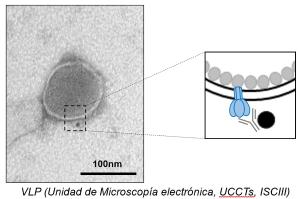
In order to identify the factors involved in the induction of these antibodies and to develop preventive strategies based on bNAb induction, we are pursuing the following research lines:
- Determination of factors associated with the induction of effective humoral responses in different scenarios: recent infection, chronic infection, co-infection with hepatitis C virus, reinfection, and pediatric infection, among others.
- Study of the effect of feminizing hormone therapy on the immune system of transgender women.
- Development of HIV-1 vaccine prototypes based on viral spike proteins incorporated into Virus-Like Particles (VLPs) from two sources:
a) Selected from a library of randomly mutated spikes to enhance the accessibility of epitopes recognized by bNAbs.
b) Derived from viruses present in individuals with broad neutralizing responses in recent infection. - Isolation and characterization of new bNAbs against HIV-1 from individual B cells of individuals with an efficient neutralizing response. These antibodies could be used in both preventive and therapeutic strategies.
- Isolation of new monoclonal antibodies against other human pathogenic viruses, adapting the technology developed for HIV-1 antibody isolation, in collaboration with researchers from the National Center for Microbiology.
- Use of gene therapy vectors (Recombinant Adeno-Associated Viruses; rAAVs) to incorporate bNAbs and apply them in prophylactic and therapeutic strategies.
Líneas de investigación prioritarias

1. Estudio de los procesos de latencia y reactivación del VIH-1: principales mecanismos homeostáticos responsables de la latencia proviral y la generación de los reservorios virales que imposibilitan la erradicación de la enfermedad.
2. Estudio de dianas terapéuticas para impedir la replicación viral activa durante la infección aguda o primaria y para interferir con la renovación del reservorio viral: análisis de fármacos inhibidores de las kinasas de linfocitos PKC o kinasas de la familia Src como p56Lck.
3. Análisis de los mecanismos de transactivación responsables de la replicación viral activa en linfocitos T CD4+: mecanismos virales implicados en reactivación del provirus.
4. Estudio de mecanismos que impidan la infección y replicación viral eficaz en células del reservorio viral secundario como son los monocitos/macrófagos.
5. Análisis de la resistencia a la infección por VIH-1 en linfocitos T CD4+ aislados de pacientes con distrofia muscular de cintura escapulohumeral/pélvica 1F (LGMD1F), que portan un defecto en el gen de la transportina-3 (tnpo3).
6. Estudio de la sinergia NF-B/Tat para la identificación de nuevas dianas terapéuticas.
7. Estudio de cambios de expresión en el transcriptoma y modificaciones postraduccionales en el proteoma de linfocitos T CD4+ que expresan Tat intracelular y su impacto sobre la estructura del citoesqueleto celular: mecanismo potencial de supervivencia de los reservorios virales.
8. Análisis de los mecanismos de degradación de p65/RelA (NF-B) y su importancia en la infección por VIH-1.
9. Estudio de las modificaciones en el metabolismo del RNA inducidas por la expresión intracelular de Tat y su papel en los mecanismos de supervivencia celular y aumento de la replicación viral.
Otras líneas de investigación
1. Estudio de la respuesta humoral y celular desarrollada en pacientes con Long COVID o COVID persistente.
2. Análisis de biomarcadores predictivos de gravedad en pacientes con distintas presentaciones de COVID-19.
3. Estudio de la respuesta inmune frente a la infección natural por SARS-CoV-2 o por la vacunación frente al COVID-19 desarrollada por pacientes con enfermedades oncohematológicas en estado de inmunodeficiencia.
4. Definición de biomarcadores predictivos de recaída en pacientes con leucemia mieloide crónica que hayan interrumpido el tratamiento con inhibidores de tirosina kinasas.
Research
The Molecular Virology group focuses its research on the study of HIV-1 genetic variation and viral evolution using both in vitro and ex vivo approaches, structured around the following research lines:
- Non-progressor patients. These patients maintain control of the disease in the absence of antiretroviral therapy and have therefore been proposed as a model of functional cure. Our objective is to study the contribution of viral factors to disease control through biological characterization and analysis of viral evolution in individuals with undetectable viral loads (elite controllers, EC), compared with individuals showing other patterns of viral control.
- Viral envelope. This viral protein is key in determining viral fitness. Therefore, its functionality significantly affects infection progression. In collaboration with Dr. Blanco and Dr. Valenzuela, we study which specific events (CD4 binding, fusogenicity, etc.) are associated with envelope functionality. To this end, we have analyzed envelopes from individuals with different patterns of disease progression. Some of these have been contributed to the AIDS Research Network envelope biobank for broader use.
- Dual infection. Infection with more than one viral variant (either through co-infection or superinfection) may have consequences for infection pathogenesis. Within our group, different aspects of DI have been analyzed, including its detection in non-progressor patients, its prevalence and incidence in Spain, and its influence on the neutralizing antibody response.
- Molecular Epidemiology. The group has analyzed viral evolution throughout the epidemic in Spain and in other countries (the Netherlands, Italy, Germany, Uruguay, Panama, Brazil, etc.).
- Role of amino acid residues in reverse transcriptase. We study the role of specific amino acid residues in HIV-1 reverse transcriptase in enzymatic function and replication capacity using an infectious molecular clone previously obtained by the group.
- “In vitro” variability. Serial passage studies have been used to detect the mechanisms responsible for the gain or loss of viral fitness.
- Antiviral studies. We have analyzed the selection of resistance mutations in vitro against different antivirals, as well as the effect of these mutations on viral fitness, and the activity of new antivirals such as ATR inhibitors.
Virological Diagnosis and Reference in HIV and HTLV Infections
The research group provides diagnostic and reference activities through the service portfolio of the National Center for Microbiology to the entire Spanish National Health System.
These services include:
-
Diagnosis and reference of HIV infection (types 1 and 2) through detection of specific antibodies and detection of proviral DNA by PCR.
-
Diagnosis and reference of HTLV-I/II infection through detection of specific antibodies and detection of proviral DNA by PCR. Quantification of HTLV-1 proviral load by real-time PCR.
European Union Reference Laboratory (EURL) in the field of in vitro diagnostic medical devices for microbiological diagnosis (IVD) of HIV and HTLV (Regulation 2023/2713 of December 5th, 2023). Our role is to confirm the reliability and effectiveness of devices for detecting these pathogens and to ensure their specific performance requirements through laboratory testing before they can be marketed within the European Union.
Research Lines:
1. Molecular mechanisms associated to the protection of HIV-1 infection in limb-girdle muscular dystrophy dominant D2 (LGMDD2) patients.
2. Generation of neutralizing antibodies for therapeutic use based on the broad-spectrum neutralizing response against founder viruses.
3. Characterization of the immune memory against SARS-CoV-2 in a population over 65 years of age.
4. Screening and characterization of new anti-latency drugs against HIV-1.
5. Study of viral entry and HIV tropism in viruses of special epidemiological relevance in Spain.
6. Genetic mechanisms of protection and control of HIV-1 infection in populations with extreme phenotypes.
Clinical studies:
1. Phase 1 clinical trial to evaluate the safety and immunogenicity of HIV-1 envelope-based 763SIP8/MPLA-5 vaccine as a preventive vaccine in healthy uninfected adults.
2. ENE-COVID-Senior: Prospective observational study in a cohort of elderly nursing home residents to establish their immune status after receiving a complete vaccination regimen.
Implementation of new technologies:
1. Identification of HIV-1 integration sites by deep sequencing.
2. Single cell transcriptomics with simultaneous TCR/BCR sequencing.
3. Epidemiological intelligence for prediction of SARS-CoV-2 variants likely to emerge in different vaccination settings.
Biología y Variabilidad del VIH
null
Research projects
Content with Investigacion .
- Towards a functional cure: Implications of early antiretroviral therapy and hormonal changes on the HIV reservoir in perinatally infected adolescents. Health Research Fund (FIS) – Carlos III Health Institute (01/01/2026 – 31/12/2028). €72,000. PI: María Pernas, Concepción Casado.
- Determination of factors associated with protection against Human Immunodeficiency Virus type 1 reinfection: Identification of correlates of protection. 9th Gilead Fellowship Program for Biomedical Research, Gilead Sciences, S.L. (01/07/2023 – 30/06/2025). €16,330. PI: María Pernas.
- Impact of the envelope on HIV viral replication: New avenues for vaccine development. Health Research Fund (FIS) – Carlos III Health Institute (01/01/2020 – 31/12/2023). €53,000. PI: María Pernas, Concepción Casado.
- Study of HIV-1 virulence in recently infected patients and its contribution, together with clinical and epidemiological factors, to disease progression. Ministry of Economy and Competitiveness. State Program for Scientific and Technical Research and Innovation (30/12/2016 – 30/06/2021). €145,000. PI: Concepción Casado, Cecilio López-Galíndez.
-Contribution of HIV-1 dual infection to virological and clinical evolution in homo/bisexual men. Health Research Fund (FIS) – Carlos III Health Institute (01/01/2014 – 31/01/2016). €74,410. PI: Cecilio López-Galíndez.
- Characterization of non-pathogenic HIV variants obtained “ex vivo” and “in vitro” for the study of disease pathogenesis. Ministry of Science and Innovation (01/01/2011 – 31/01/2014). €169,400. PI: Cecilio López-Galíndez.
- Spanish AIDS Research Network (RIS-RETIC). Carlos III Health Institute (02/01/2017 – 02/01/2022). €195,212. PI: Cecilio López-Galíndez, Concepción Casado.

1. Immune response to SARS-CoV-2 infection: effect in naïve vaccinees and seropositives against the most transmissible variants and relevance of host genetics.
Principal Investigator: Javier García Pérez.
Funding Agency: Acción Estratégica en Salud Intramural 2021(ISCIII)
Funding: 135.000 €
Duration: 2022-2025.
Project Reference: PI21CIII/00025.
2. Design and generation of viral stocks of new SARS-CoV-2 variants (omicron subvariants) and analysis of their susceptibility to antibodies neutralization.
Principal Investigator: Javier García Pérez.
Funding Agency: Hipra Scientific S.L.U.
Funding: 103.771 €
Duration: 2023-2025.
Project Reference: MVP 198/23.
3. Characterization of a mutation in transportin 3 that protects against HIV infection: molecular mechanisms and discovery of new drugs.
Principal Investigator: José Alcamí y Javier García Pérez.
Funding Agency: Proyectos de I+D+I, Generación de Conocimiento y Retos Investigación de la Agencia Estatal de Investigación.
Funding: 240.000 €
Duration: 2022-2026.
Project Reference: PID2021-125978OB-C21 funded by MICIU/AEI/10.13039/501100011033 and by FEDER, UE

4. Generation of immunogens based on HIV-1 envelopes from acutely infected individuals with a broad neutralizing response against founder viruses.
Principal investigator: Nuria González Fernández.
Funding Agency: Acción Estratégica en Salud Intramural 2023 (ISCIII)
Funding: 82.000 €
Duration: 2024-2026.
Project Reference: PI23CIII/00039.
5. Phase 1 clinical trial to evaluate the safety and immunogenicity of HIV-1 envelope-based 763SIP8/MPLA-5 vaccine.
Principal Investigator: Josep Mallolas Masferrer.
Funding Agency: Proyectos de Investigación Clínica Independiente, Acción Estratégica en Salud 2021-2023 (ISCIII).
Funding: 173.200 €
Duration: 2024-2026.
Project Reference: ICI23/00025.
6. Service of immunological determinations of the ENE-COVID SENIOR II protocol.
Principal Investigator: Mayte Pérez Olmeda y Javier García Pérez.
Funding Agency: Fundación para la investigación biomédica del Hospital Universitario La Paz
Funding: 185.037 €
Duration: 2024-2025.
Project Reference: MOTR 219/24.
7. Characterization of the immune memory against SARS-CoV-2 in a population over 65 years of age using single cell transcriptomics.
Principal Investigator: Javier García Pérez y Francisco Díez Fuertes.
Funding Agency: Acción Estratégica en Salud Intramural 2021(ISCIII)
Funding: 152.000 €
Duration: 2025-2027.
Project Reference: PI24CIII/00058
8. Evaluation of rimonabant and cannbinooid analogues in HIV infection and viral latency.
Principal Investigator: Luis Miguel Bedoya del Olmo.
Funding Agency: Universidad Complutense de Madrid
Funding: 12.000 €
Duration: 2024-2025.
Project Reference: PR12/24-31553.
9. Discovery of new inhibitors of HIV-1 RNA biogenesis based on blocking the ribonucleoprotein RRE-Rev.
Principal Investigator: José Gallego Sala. Associate Researcher: Luis Miguel Bedoya del Olmo
Funding Agency: Department of Innovation, Universities, Science and Digital Society. Generalitat Valenciana.
Funding: 543,683.84 €
Duration: 2025-2027.
Project Reference: PROMETEO/2021/036.
Research Projects as Principal Investigators
Effect of Feminizing Hormone Therapy on the Immune Response in Transgender Women
Principal Investigator: Víctor Sánchez-Merino
Funding Agency: Intramural Health Strategic Action
Funding: €117,000
Participating Institutions: ISCIII, IRSICAIXA, 7 Infectious diseases units (Hospital General Universitario Gregorio Marañón (HGUGM-INF), Hospital Universitario La Paz (HULP), Hospital Universitario Infanta Leonor (HUIL), Hospital Fundación Jiménez Díaz (FJD), Fundación Universitario la Princesa (HUP), Hospital Universitario Ramón y Cajal (HURyC) y Hospital Universitario Doce de Octubre (HU12O), Centro Sandoval, 1 Gender Identity Unit, Facultad de psicología (UAM), Facultad de Geografía e Historia (UCM) and three ONGs
Duration: 01/01/2025- 31/12/2027
Project Reference: PI24CIII/00031
Design of Vaccine Prototypes based on HIV-1 Envelope presented on Virus-Like Particles and Nanodiscs
Principal Investigator: Eloísa Yuste Herranz
Funding agency: Knowledge Generation Projects. State Plan for Scientific and Technical Research and Innovation.
Funding: €125,000
Participating Institutions: ISCIII and University of UNSW (Sydney, Australia)
Duration: 01/09/24–31/12/28
Reference: Project PID2023-148729OB-100 funded by MICIU/AEI/10.13039/501100011033 and by FEDER, UE.

Funding for Research Assistant Position. Project: New Approaches to Immunogen Design for the Induction of Anti-HIV-1 Broadly Neutralizing Antibodies (bNAbs) Based on Viral Envelope Proteins Presented on VLPs
Principal Investigator: Eloísa Yuste Herranz
Funding Agency: Youth Employment Plan (Community of Madrid)
Funding: Hiring of a senior graduate for 2 years
Participating Institutions: ISCIII
Duration: 01/04/2024 – 31/03/2026
Project Reference: SAL-GL-28125
Generation of an Adenovirus-Associated Vector for the Delivery of a Broadly Neutralizing Antibody (bNAb) Against HIV-1 That Does Not Induce Anti-Antibody Responses. Funding for Research Assistant Position.
Principal Investigator: Víctor Sánchez Merino
Funding Agency: FUAX-Santander
Funding: €90,000
Participating Institutions: Universidad Alfonso X El Sabio and ISCIII
Duration: 01/04/2022 – 01/04/2025
Project Reference: 1.013.008
New Approaches to Immunogen Design for the Induction of Anti-HIV-1 Broadly Neutralizing Antibodies (bNAbs) Based on Viral Envelope Proteins Presented on Virus-Like Particles (VLPs).
Principal Investigator: Eloísa Yuste Herranz
Funding Agency: Intramural Health Strategic Action
Funding: €77,000
Participating Institutions: Fraunhofer Institute (Germany) and ISCIII
Duration: 01/01/2021 – 30/06/2024
Project Reference: PI20CIII/00039
Development of Immunogens and Vaccination Strategies to Optimize the Induction of Broadly Neutralizing Antibodies (bNAbs) Against HIV-1.
Principal Investigator: Eloísa Yuste Herranz
Funding Agency: Intramural Health Strategic Action
Funding: €117,000
Participating Institutions: Fraunhofer Institute (Germany) and ISCIII
Duration: 01/01/2018 – 31/12/2021
Personnel Hiring: One postdoctoral researcher for 3 years
Project Reference: PI17/00049
Isolation and Characterization of Broadly Neutralizing Antibodies Against HIV-1 from Recently Infected Patients.
Principal Investigator: Eloísa Yuste Herranz
Funding Agency: Health Strategic Action (ISCIII)
Funding: €57,475
Participating Institutions: IDIBAPS, Fraunhofer Institute (Germany), and ISCIII
Duration: 01/01/2014 – 30/04/2017
Project Reference: PI13/01528
Development of an HIV Vaccine: Isolation and Characterization of New Broadly Neutralizing Antibodies.
Principal Investigator: Eloísa Yuste Herranz
Funding Agency: Health Research Fund (ISCIII)
Funding: €116,765
Participating Institutions: IDIBAPS and ISCIII
Duration: 01/01/2010 – 31/12/2012
Project Reference: PI09/1459
Optimization of the HIV-1 Envelope Protein as an Immunogen.
Principal Investigator: Eloísa Yuste Herranz
Funding Agency: Spanish Foundation for AIDS Research and Prevention (FIPSE)
Funding: €141,845
Participating Institutions: IDIBAPS
Duration: 30/10/2008 – 31/08/2012
Personnel Hiring: One senior graduate for 3 years
Project Reference: 36780/08
Optimization of the HIV-1 Envelope Protein as an Immunogen.
Principal Investigator: Eloísa Yuste Herranz
Funding Agency: Ramón y Cajal Program (Ministry of Education and Science)
Funding: 5-year Ramón y Cajal Researcher contract + 3 years as I3
Participating Institutions: IDIBAPS
Duration: 2008 – 2016
Project Reference: RYC-2007-00788
R&D projects as part of the research team
Determination of factors associated with protection against Human Immunodeficiency Virus type 1 Reinfection: Identification of protection correlates.
Principal Investigator: María Pernas Escario
Funding Agency: Gilead Sciences
Funding: €16,630
Participating Entities: Centro Sandoval and ISCIII
Duration: 01/01/2023 - 31/12/2023
Contract/Project File: GLD22/001144
EAVI2020: European AIDS Vaccine Initiative 2020
Principal Investigator: José Alcamí Pertejo
Funding Agency: Horizon 2020 (European Union; EU)
Funding: €403,829
Participating Entities: ISCIII and an EU consortium
Duration: 01/01/2015 - 30/04/2021
Contract/Project File: MPY1398/15
EHVA, European HIV Vaccine Alliance (EHVA): an EU platform for the discovery and evaluation of novel prophylactic and therapeutic vaccine candidates.
Principal Investigator: Felipe García Alcaide
Funding Agency: Horizon 2020 (European Union; EU)
Funding: €1,000,000
Participating Entities: IDIBAPS and an EU consortium
Duration: 01/01/2018 - 31/12/2020
Contract/Project File: 681032
Grup de Recerca VIH/SIDA
Principal Investigator: José María Gatell
Funding Agency: AGAUR_SGR14 (Generalitat de Catalunya-projects)
Funding: €63,000
Participating Entities: IDIBAPS
Duration: 01/01/2014 - 30/04/2017
Contract/Project File: 214_SGR_706
SIDA Vaccine Research Project (HIVACAT)
Principal Investigator: José María Gatell
Funding Agency: MINECO (INNPACTO Program)
Funding: €288,740
Participating Entities: IDIBAPS and Irsicaixa
Duration: 01/01/2013 - 31/03/2020
Contract/Project File: PT-2012-0325-010000
Design, synthesis, and anti-HIV-1 study of peptide domains of GB virus B
Principal Investigator: Isabel Haro
Funding Agency: Foundation for AIDS Research and Prevention (FIPSE)
Funding: €33,000
Participating Entities: IQAC-CSIC and IDIBAPS
Duration: 09/03/2010 - 30/11/2014
Contract/Project File: 36-0735-09
Expresion
1. Título del proyecto: Estudio del efecto de la inmunoterapia y el tratamiento antirretroviral a largo plazo sobre la evolución del reservorio del VIH durante la infección crónica: Búsqueda de nuevas estrategias para una cura funcional.
Investigadora principal: María Teresa Coiras López
Agencia financiadora: Plan Estatal de Investigación Científica, Técnica y de Innovación 2021-2023.
Financiación: 275.000€
Entidades participantes: ISCIII
Duración: 01/09/2023 – 31/08/2027
Expediente contrato/proyecto: PID2022-141317OB-I00 (MPY 345/23)
2. Título del proyecto: Estudio longitudinal de la evolución de parámetros inmunológicos en personas con COVID persistente: definición de biomarcadores de persistencia.
Investigadora principal: María Teresa Coiras López
Agencia financiadora: Acción Estratégica en Salud Intramural.
Financiación: 92.000€
Entidades participantes: ISCIII
Duración: 01/01/2023 – 31/12/2025
Expediente contrato/proyecto: PI22CIII/00059 (MPY 354/22)
3. Título del proyecto: Nuevas estrategias terapéuticas basadas en inhibidores de tirosina kinasas para la eliminación del reservorio latente del VIH-1.
Investigadora principal: María Teresa Coiras López
Agencia financiadora: Ministerio de Ciencia e Innovación, Convocatoria del Programa Estatal de I+D+i Orientada a los Retos de la Sociedad.
Financiación: 157.300€
Entidades participantes: ISCIII
Duración: 01/06/2020 – 31/05/2023
Contratación de personal: 1 licenciado en prácticas (2 años)
Expediente contrato/proyecto: PID2019-110275RB-I00 (MPY 274/20)
4. Título del proyecto: Identification of predictive biomarkers associated with immune responses against SARS-CoV-2 (Work Package 4, dentro de la Coordinación de actividades de investigación en el CNM para realizar una respuesta integradora frente a la pandemia por SARS-CoV2 en España).
Investigadoras principales: María Teresa Coiras López (Investigadora principal Work package 4); Inmaculada Casas Flecha (coordinadora proyecto general).
Agencia financiadora: FONDO–COVID19, en el marco del Real Decreto-ley 8/2020, de 17 de marzo, de medidas urgentes extraordinarias para hacer frente al impacto económico y social de la enfermedad COVID-19
Financiación: 23.000€ (WP4); 325.909€ (proyecto general)
Entidades participantes: ISCIII
Duración: 31/03/2020 – 01/11/2021
Contratación de personal: 1 licenciado por obra y servicio (6 meses)
Expediente contrato/proyecto: COV20_00679 (MPY 222/20)
5. Título del proyecto: Identification of predictive biomarkers associated with immune responses against SARS-CoV-2 (Work Package 4, dentro de la Coordinación de actividades de investigación en el CNM para realizar una respuesta integradora frente a la pandemia por SARS-CoV2 en España).
Investigadoras principales: María Teresa Coiras López (Investigadora principal Work package 4); Inmaculada Casas Flecha (coordinadora proyecto general).
Agencia financiadora: CHIESI ESPAÑA, S.A.U.
Financiación: 50.000€ (donación específica al WP4, aceptada por el ISCIII el 09/07/2020)
Entidades participantes: ISCIII
Duración: 09/07/20 – 01/11/2021
Expediente contrato/proyecto: COV20_00679 (MPY 222/20)
6. Título del proyecto: Tyrosine Kinase inhibition: The New Front in HIV Cure Efforts
Investigadora principal: María Teresa Coiras López
Agencia financiadora: NIH Research Project Grant Program (R01).
Financiación: 598.181,47€
Entidades participantes: ISCIII/Universidad de Utah
Duración: 31/10/2018 - 31/10/2024
Contratación de personal: 1 contrato de doctor por la Ley de la Ciencia (4,5 años); 1 contrato de licenciado por obra y servicio (3 años)
Expediente contrato/proyecto: R01-AI143567 (MPY 230/19)
7. Título del proyecto: Estudio de compuestos inhibidores de tirosina kinasas para impedir la formación del reservorio latente del VIH-1 en linfocitos T CD4+
Investigadora principal: María Teresa Coiras López
Agencia financiadora: Ministerio de Ciencia, Innovación y Universidades. Convocatoria del Programa Estatal de I+D+i Orientada a los Retos de la Sociedad.
Financiación: 157.300€
Entidades participantes: ISCIII
Duración: 31/12/2016 - 31/12/2019
Contratación de personal: un técnico de laboratorio por obra y servicio (2,5 años)
Expediente contrato/proyecto: SAF2016-78480-R (MPY 1361/16)
8. Título del proyecto: PKC theta y Lck como potenciales dianas terapéuticas para la disminución del reservorio viral durante la infección aguda por VIH-1 en linfocitos T CD4.
Investigadora principal: María Teresa Coiras López
Agencia financiadora: Ministerio de Ciencia, Innovación y Universidades. Convocatoria del Programa Estatal de I+D+i Orientada a los Retos de la Sociedad.
Financiación: 163.350€
Entidades participantes: ISCIII
Duración: 01/01/2014 - hasta: 30/09/2017
Contratación de personal: un técnico de laboratorio por obra y servicio (2 años)
Expediente contrato/proyecto: SAF2013-44677-R (MPY 1250/14)
9. Título del proyecto: Dasatinib preserves the activity of the antiviral factor SAMHD1 in human CD4+ T cells: potential use for the control of HIV-1 replication in patients with acute (primary) infection and prevention of the establishment of viral reservoirs.
Investigadora principal: María Teresa Coiras López
Agencia financiadora: Bristol-Myers Squibb (BMS). Non-Clinical Research Proposal
Financiación: 74.000€
Entidades participantes: ISCIII, BMS
Duración: 01-01-14 - 31-12-14
Expediente contrato/proyecto: AI471-041
10. Título del proyecto: Análisis de fármacos inhibidores selectivos de la protein kinasa C (PKC) theta para el bloqueo de la replicación del VIH durante la infección primaria.
Investigadora principal: María Teresa Coiras López
Agencia financiadora: ISCIII
Financiación: 63.104€
Entidades participantes: ISCIII
Duración: 31/12/2012 - hasta: 30/09/2015
Contratación de personal: un técnico de laboratorio por obra y servicio (2 años)
Expediente contrato/proyecto: MPY 1371/12
11. Título del proyecto: Análisis de fármacos inhibidores selectivos de la protein kinasa C (PKC) theta para el bloqueo de la replicación del VIH durante la infección primaria.
Investigadora principal: María Teresa Coiras López
Agencia financiadora: Ministerio de Sanidad, Servicios Sociales e Igualdad.
Financiación: 51.510€
Entidades participantes: ISCIII
Duración: 01/03/2012 - hasta: 01/10/2013
Contratación de personal: un técnico de laboratorio por obra y servicio (1 año)
Expediente contrato/proyecto: EC11-285 (MPY 1046/12)
12. Título del proyecto: Papel de PKC theta en la infección por VIH-1 y búsqueda de nuevas dianas terapéuticas.
Investigadora principal: María Teresa Coiras López
Agencia financiadora: Fundación para la Investigación y Prevención del SIDA en España (FIPSE), convocatoria XI. Premio FIPSE como joven investigadora del año, (30/05/11)
Financiación: 129.746€
Entidades participantes: ISCIII/Universidad Rey Juan Carlos (URJC)
Duración: 15/01/2011 - 15/07/2014
Contratación de personal: un técnico de laboratorio por obra y servicio (3 años)
Expediente contrato/proyecto: 360924/10 (MPY 1044/11)
13. Título del proyecto: Análisis de las modificaciones postraduccionales inducidas por la expresión intracelular de la proteina Tat del VIH-1 en linfocitos T y efecto sobre el metabolismo del RNA.
Investigadora principal: María Teresa Coiras López
Agencia financiadora: Ministerio de Ciencia e Innovación, convocatoria 2010.
Financiación: 67.760€
Entidades participantes: ISCIII
Duración: 31/12/2010 - 31/12/2013
Expediente contrato/proyecto: SAF2010-18388 (MPY 1401/10)
14. Título del proyecto: Papel de PKC theta en la infección por VIH-1 y búsqueda de nuevas dianas terapéuticas
Investigadoras principales: María Teresa Coiras López (ISCIII); Gema Díaz Gil (URJC)
Agencia financiadora: CAM-URJC (Programa de creación y consolidación de grupos de investigación cofinanciada por la Universidad Rey Juan Carlos y la Comunidad de Madrid, convocatoria 2009)
Financiación: 18.900€
Entidades participantes: ISCIII y URJC
Duración: 01/01/2011 - 31/12/2011
Expediente contrato/proyecto: CCG10-URJC/SAL-5020.
15. Título del proyecto: Estudio de la degradación de p65/RelA en linfocitos T humanos.
Investigadora principal: María Teresa Coiras López
Agencia financiadora: Fundación para la Investigación y Prevención del SIDA en España (FIPSE), convocatoria VIII.
Financiación: 36.139€
Entidades participantes: ISCIII
Duración: 01/01/2008 – 01/01/2011
Expediente contrato/proyecto: 36633/07 (MPY 1471/07)


Publications
Toll-like receptor signaling-deficient cells enhance antitumor activity of cell-based immunotherapy by increasing tumor homing
A. Morales-Molina, M.A. Rodríguez-Milla, S,. Gambera, T. Cejalvo, B. de Andrés M.L. Gaspar, J. Garcia-Castro. Cancer Res Commun 2023 Mar 1;3(3):347-360. eCollection 2023 Mar
PUBMED DOIImmune stress suppresses innate immune signaling in preleukemic precursor B-cells to provoke leukemia in predisposed mice
Isidro-Hernández M, Casado-García A, Oak N, Alemán-Arteaga S, Ruiz-Corzo B, Martínez-Cano J, Mayado A, G. Sánchez E, Blanco O, Gaspar ML, Orfao A, Alonso-López D, De las Rivas J, Riesco S, Prieto-Matos P, González-Murilo A, García Criado FJ, García Cenador MB, Ramírez-Orellana M, De Andrés B, Vicente-Dueñas C, Cobaleda C, Nichols KE, Sánchez-García I. Nat Commun 2023 Aug 24;14(1):5159.
PUBMED DOIRole of Toll-like receptor 4 in intravascular hemolisis-mediated injury
Vázquez-Carballo C, Herencia C, Guerrero-Hue M, García-Caballero C, Rayego-Mateos S, Morgado-Pascual JL, Opazo-Rios L, González-Guerrero C, Vallejo-Mudarra M, Cortegano I, Gaspar ML, de Andrés B, Egido J, Moreno JA. J Pathol. 2022 Nov; 258(3): 236–249.
PUBMED DOIAge-dependent nasal immune responses in non-hospitalized bronchiolitis children
Cortegano I, Rodríguez M, Hernángómez S, Arrabal A, Garcia-Vao C, Rodríguez J, Sandra Fernández S, Díaz J, de la Rosa B, Solís B, Arribas C, Garrido F, Zaballos A, Roa S, López V, Gaspar ML, de Andrés B. Front Immunol 2022 Dec 6:13:1011607.
PUBMED DOIToll-like receptors in acute kidney injury
Vázquez-Carballo C, Guerrero-Hue M, García Caballero C, Rayego-Mateos S, Opazo-Rios L, Morgado-Pascual JL, Herencia-Bellido C, Vallejo-Mudarra M, Cortegano I, Gaspar ML, de Andrés B, Egido J, Moreno-Gutiérrez JA. Int J Mol Sci. 2021 Jan; 22(2): 816.
PUBMED DOIThe TLR4-MyD88 Signaling Regulates Lung Monocyte Differentiation Pathways in Response to Streptococcus pneumoniae
Sánchez-Tarjuelo R, Cortegano I, Manosalva J, Rodríguez M, Ruiz C, Alía M, Prado MC, Cano EM, Ferrándiz MJ, de la Campa A, Gaspar ML, de Andrés B. Front Immunol 2020 Sep 16:11:2120.
PUBMED DOINrf2 plays a protective role against intravascular hemolysis-mediated acute kidney injury.
Rubio-Navarro A, Vázquez-Carballo C, Guerrero-Hue M, García-Caballero C, Herencia C, Gutierrez E, Yuste C, Sevillano A, Praga M, Egea J, Cannata P, Cortegano I, de Andrés B, Gaspar ML, Cadenas S, Michalska P, León R, Ortiz, A, Egido J, Moreno JA. Front Pharmacol. 2019; 10: 740.
PUBMED DOIPodocytes as new cellular targets of hemoglobin toxicity in massive intravascular hemolysis.
Rubio-Navarro A, Sanchez-Niño MD, Guerrero-Hue M, García-Caballero C, Gutiérrez E, Yuste C, Sevillano A, Praga M, Egea J, Román E, Cannata P, Ortega R, Cortegano I, de Andrés B, Gaspar ML, Cadenas S, Ortiz A, Egido J, Moreno JA. Podocytes as new cellular targets of hemoglobin toxicity in massive intravascular hemolysis. 2018. J.Pathol. 244(3):296-310.
PUBMED DOISpatially-restricted JAG1-Notch signaling in the human thymus provides permissive microenvironments for dendritic cell development.
Martín Gayo, E., González-García, S., García-León, M., Murcia-Ceballos, A., Alcain, J., García-Peydró, M., Allende, L., de Andrés, B., Gaspar, ML. and Toribio, ML. J.Exp.Med. (2017) 214:3361-3379
PUBMED DOIThe formation of titan cells in Cryptococcus neoformans depends on the mouse strain and correlates with induction of Th2-type responses
García-Barbazán, I., Trevijano-Contador, N., Rueda, C., de Andrés, B., Pérez-Tavárez, R., Herrero-Fernández, I., Gaspar ML., and Zaragoza, O. Cellular Microbiology (2015) 18:111-124
PUBMED DOIRoles of the multiplex real-time PCR assay and β-D-glucan in a high-risk population for intra-abdominal candidiasis (IAC)
Fortún J, Buitrago MJ, Gioia F, Gómez-Gª de la Pedrosa E, Alvarez ME, Martín-Dávila P, Pintado V, Cobeta P, Martinez-Castro N, Soriano C, Moreno I, Corral S, Muñoz P, Moreno-Jimenez G, Cuenca-Estrella M, Moreno-Guillen S. Med Mycol. 2020 Aug 1;58(6):789-796.
PUBMED DOIEuropean collaborative evaluation of the Enzygnost HBsAg 6.0 assay: performance on hepatitis B virus surface antigen variants
• Avellón A, Echevarría JM, Weber B, Weik M, Schobel U, Willems WR, Gerlich WH. European collaborative evaluation of the Enzygnost HBsAg 6.0 assay: performance on hepatitis B virus surface antigen variants. J Med Virol. 2011 Jan;83(1):95-100.
PUBMED DOIPrevalence of pSCFS7-like vectors among cfr-positive staphylococcal population in Spain.
Prevalence of pSCFS7-like vectors among cfr-positive staphylococcal population in Spain. Nguyen LTT*, Román F*, Morikawa K, Trincado P, Marcos C, Rojo-Martín MD, Cafini F. Int J Antimicrob Agents. 2018 Aug;52(2):305-306.
PUBMED DOIZoonotic pathogens in fluctuating common vole (Microtus arvalis) populations: occurrence and dynamics
Rodriguez-Pastor, Ruth; Escudero, Raquel; Lambin, Xavier; Vidal, M Dolors; Gil, Horacio; Jado, Isabel; Rodriguez-Vargas, Manuela; Luque-Larena, Juan Jose; Mougeot, Francois. Zoonotic pathogens in fluctuating common vole (Microtus arvalis) populations: occurrence and dynamics. Parasitology. pp. 1 - 10. 24/09/2018.
PUBMED DOILong-range dispersal moved Francisella tularensis into Western Europe from the East
Dwibedi, Chinmay; Birdsell, Dawn; Larkeryd, Adrian; Myrtennas, Kerstin; Ohrman, Caroline; Nilsson, Elin; Karlsson, Edvin; Hochhalter, Christian; Rivera, Andrew; Maltinsky, Sara; Bayer, Brittany; Keim, Paul; Scholz, Holger C; Tomaso, Herbert; Wittwer, Matthias; Beuret, Christian; Schuerch, Nadia; Pilo, Paola; Hernandez Perez, Marta; Rodriguez-Lazaro, David; Escudero, Raquel; Anda, Pedro; Forsman, Mats; Wagner, David M; Larsson, Par; Johansson, Anders. Long-range dispersal moved Francisella tularensis into Western Europe from the East. Microbial genomics. 2 - 12, pp. e000100. 01/01/2016.
PUBMED DOIFrancisella species in ticks and animals, Iberian Peninsula
Lopes de Carvalho, I.; Toledo, A.; Carvalho, C. L.; Barandika, J. F.; Respicio-Kingry, L. B.; Garcia-Amil, C.; Garcia-Perez, A. L.; Olmeda, A. S.; Ze-Ze, L.; Petersen, J. M.; Anda, P.; Nuncio, M. S.; Escudero, R. Francisella species in ticks and animals, Iberian Peninsula. Ticks and Tick-Borne Diseases. 7 - 1, pp. 159 - 165. Elsevier GMBH, Urban & Fischer Verlag, 01/01/2016.
PUBMED DOIStable levels of Coxiella burnetii prevalence in dairy sheep flocks but changes in genotype distribution after a 10-year period in northern Spain
Álvarez-Alonso R, Barandika JF, Ruiz-Fons F, Ortega-Araiztegi I, Jado I, Hurtado A, García-Pérez AL. Stable levels of Coxiella burnetii prevalence in dairy sheep flocks but changes in genotype distribution after a 10-year period in northern Spain. Acta Vet Scand. 2018 Nov 20;60(1):75.
PUBMED DOIEvidence for Suppression of Onchocerciasis Transmission in Bioko Island, Equatorial Guinea
Moya L, Herrador Z, Ta-Tang TH, Rubio JM, Perteguer MJ, Hernandez-González A, García B, Nguema R, Nguema J, Ncog P, Garate T, Benito A, Sima A and Aparicio P. Evidence for Suppression of Onchocerciasis Transmission in Bioko Island, Equatorial Guinea.PLoS Negl Trop Dis, 2016; 10(7): e0004829.
PUBMED DOILAMP kit for diagnosis of non-falciparum malaria in Plasmodium ovale infected patients
Cuadros J, Martin Ramírez A, González IJ, Ding XC, Perez Tanoira R, Rojo-Marcos G, Gómez-Herruz P, Rubio JM. LAMP kit for diagnosis of non-falciparum malaria in Plasmodium ovale infected patients. Malar J. 2017 Jan 7;16(1):20.
PUBMED DOIPlasmodium species differentiation by non-expert on-line volunteers for remote malaria field diagnosis
Ortiz-Ruiz A, Postigo M, Gil-Casanova S, Cuadrado D, Bautista JM, Rubio JM, Luengo-Oroz M, Linares M. Plasmodium species differentiation by non-expert on-line volunteers for remote malaria field diagnosis. Malar J. 2018 Jan 30;17(1):54.
PUBMED DOIStudy of the diagnostic accuracy of microbiological techniques in the diagnosis of malaria in the immigrant population in Madrid
Martín-Díaz A, Rubio JM, Herrero-Martínez JM, Lizasoain M, Ruiz-Giardin JM, Jaqueti J, Cuadros J, Rojo-Marcos G, Martín-Rabadán P, Calderón M, Campelo C, Velasco M, Pérez-Ayala A. Study of the diagnostic accuracy of microbiological techniques in the diagnosis of malaria in the immigrant population in Madrid. Malar J. 2018 Aug 29;17(1):314.
PUBMED DOIpective comparative multi-centre study on imported Plasmodium ovale wallikeri and Plasmodium ovale curtisi infections.
Rojo-Marcos G, Rubio-Muñoz JM, Angheben A, Jaureguiberry S, García-Bujalance S, Tomasoni LR, Rodríguez-Valero N, Ruiz-Giardín JM, Salas-Coronas J, Cuadros-González J, García-Rodríguez M, Molina-Romero I, López-Vélez R, Gobbi F, Calderón-Moreno M, Martin-Echevarría E, Elía-López M, Llovo-Taboada J; TropNet Plasmodium ovale investigator group. Prospective comparative multi-centre study on imported Plasmodium ovale wallikeri and Plasmodium ovale curtisi infections. Malar J. 2018 Oct 30;17(1):399.
PUBMED DOIImported and autochthonous malaria in West Saudi Arabia: results from a reference hospital
Soliman RH, Garcia-Aranda P, Elzagawy SM, Hussein BE, Mayah WW, Martin Ramirez A, Ta-Tang TH, Rubio JM. Imported and autochthonous malaria in West Saudi Arabia: results from a reference hospital. Malar J. 2018 Aug 7;17(1):286.
PUBMED DOICryptosporidium hominis genotypes involved in increased incidence and clusters of cases, Navarra, Spain, 2012.
Fuentes, I., Martín, C., Beristain, X; Mazón,A, Saugar, JM, Blanco, A; García M, Cenoz, Valle-Cristia, Ezpeleta, C., Castilla, J. 2015. Cryptosporidium hominis genotypes involved in increased incidence and clusters of cases, Navarra, Spain, 2012. Epidemiology and Infection; 143:1033-6
PUBMED DOIMolecular genotyping of Giardia duodenalis isolates from symptomatic individuals attending two major public hospitals in Madrid, Spain.
Lucio A, Martínez-Ruiz R, Merino FJ, Bailo B, Aguilera M, Fuentes I, Carmena D. 2015. Molecular genotyping of Giardia duodenalis isolates from symptomatic individuals attending two major public hospitals in Madrid, Spain. PLoS One. 10 (12): e0143981.
PUBMED DOIOccurrence and subtype distribution of Blastocystis sp. in humans, dogs, and cats sharing household in northern Spain and assessment of zoonotic transmission risk.
Paulos S, Köster PC, de Lucio A, Hernández-de-Mingo M, Cardona GA, Fernández-Crespo JC, Stensvold RC, Carmena D. 2018. Occurrence and subtype distribution of Blastocystis sp. in humans, dogs, and cats sharing household in northern Spain and assessment of zoonotic transmission risk. Zoonoses and Public Health, 65:993-1002.
PUBMED DOIPhlebotomine sand fly survey in the focus of leishmaniasis of Madrid, Spain (2012–2014): seasonal dynamics, Leishmania infantum infection rates and blood meal preferences.
González E, Jiménez M, Hernández S, Martín-Martín I, Molina R. Phlebotomine sand fly survey in the focus of leishmaniasis of Madrid, Spain (2012–2014): seasonal dynamics, Leishmania infantum infection rates and blood meal preferences. Parasit Vectors 2017, 10:368.
PUBMED DOIMethods in Sand Fly Research
Molina R, Jiménez M, Alvar J, González E, Hernández-Taberna S, Martín-Martín Inés. 2017. Methods in Sand Fly Research (R. Molina, M. Jiménez & J. Alvar, edits.). Servicio de Publicaciones Universidad de Alcalá de Henares. ISBN: 978-84-16978-28-1
Factors associated with Leishmania asymptomatic infection: results from a cross-sectional survey in highland northern Ethiopia
Custodio E, Gadisa E, Sordo L, Cruz I, Moreno J, Nieto J, Chicharro C, Aseffa A, Abraham Z, Hailu T, Cañavate C. Factors associated with Leishmania asymptomatic infection: results from a cross-sectional survey in highland northern Ethiopia. PLoS Negl Trop Dis. 2012;6(9):e1813.
PUBMED DOICytokine Release Assays as Tests for Exposure to Leishmania, and for Confirming Cure from Leishmaniasis, in Solid Organ Transplant Recipients.
Carrillo E, Carrasco-Antón N, López-Medrano F, Salto E, Fernández L, San Martín JV, Alvar J, Aguado JM, Moreno J. Cytokine Release Assays as Tests for Exposure to Leishmania, and for Confirming Cure from Leishmaniasis, in Solid Organ Transplant Recipients. PLoS Negl Trop Dis. 2015 Oct 23;9(10):e0004179.
PUBMED DOIChemotactic Protein 1 in Plasma from Soluble Leishmania Antigen-Stimulated Whole Blood as a Potential Biomarker of the Cellular Immune Response to Leishmania infantum
Ibarra-Meneses AV, Sanchez C, Alvar J, Moreno J, Carrillo E. Monocyte Chemotactic Protein 1 in Plasma from Soluble Leishmania Antigen-Stimulated Whole Blood as a Potential Biomarker of the Cellular Immune Response to Leishmania infantum. Front Immunol. 2017 Sep 29;8:1208.
PUBMED DOICytokines and chemokines measured in dried SLA-stimulated whole blood spots for asymptomatic Leishmania infantum and Leishmania donovani infection.
Ibarra-Meneses AV, Mondal D, Alvar J, Moreno J, Carrillo E. Cytokines and chemokines measured in dried SLA-stimulated whole blood spots for asymptomatic Leishmania infantum and Leishmania donovani infection. Sci Rep. 2017 Dec 8;7(1):17266.
PUBMED DOICellular Markers of Active Disease and Cure in Different Forms of Leishmania infantum-Induced Disease.
Botana L, Matía B, San Martin JV, Romero-Maté A, Castro A, Molina L, Fernandez L, Ibarra-Meneses A, Aguado M, Sánchez C, Horrillo L, Chicharro C, Nieto J, Ortega S, Ruiz-Giardin JM, Carrillo E, Moreno J. Cellular Markers of Active Disease and Cure in Different Forms of Leishmania infantum-Induced Disease. Front Cell Infect Microbiol. 2018 Nov 13;8:381.
PUBMED DOICarroll MW et al. Temporal and spatial analysis of the 2014-2015 Ebola virus outbreak in West Africa. Nature.
Carroll MW et al. Temporal and spatial analysis of the 2014-2015 Ebola virus outbreak in West Africa. Nature. 2015 Aug 6;524(7563):97-101. doi: 10.1038/nature14594. Epub 2015 Jun 17. PMID: 26083749.
Fernandez-Garcia MD, Meertens L, Chazal M, Hafirassou ML, Dejarnac O, Zamborlini A, Despres P, Sauvonnet N, Arenzana-Seisdedos F, Jouvenet N, Amara A. Vaccine and Wild-Type Strains of Yellow Fever Virus Engage Distinct Entry Mechanisms and Differentially Stimulate Antiviral Immune Responses.
Fernandez-Garcia MD, Meertens L, Chazal M, Hafirassou ML, Dejarnac O, Zamborlini A, Despres P, Sauvonnet N, Arenzana-Seisdedos F, Jouvenet N, Amara A. Vaccine and Wild-Type Strains of Yellow Fever Virus Engage Distinct Entry Mechanisms and Differentially Stimulate Antiviral Immune Responses. mBio. 2016 Feb 9;7(1):e01956-15. doi: 10.1128/mBio.01956-15. PMID: 26861019; PMCID:PMC4752603.
Identification and whole-genome characterization of a recombinant Enterovirus B69 isolated from a patient with Acute Flaccid Paralysis in Niger, 2015
Fernandez-Garcia MD, Majumdar M, Kebe O, Ndiaye K, Martin J. Identification and whole-genome characterization of a recombinant Enterovirus B69 isolated from a patient with Acute Flaccid Paralysis in Niger, 2015. Sci Rep. 2018 Feb 1;8(1):2181. doi: 10.1038/s41598-018-20346-9. PMID: 29391547; PMCID: PMC5795009.
Majumdar M, Sharif S, Klapsa D, Wilton T, Alam MM, Fernandez-Garcia MD, Rehman L, Mujtaba G, McAllister G, Harvala H, Templeton K, Mee ET, Asghar H, Ndiaye K, Minor PD, Martin J. Environmental Surveillance Reveals Complex Enterovirus Circulation Patterns in Human Populations. Open Forum Infect Dis. 2018
Majumdar M, Sharif S, Klapsa D, Wilton T, Alam MM, Fernandez-Garcia MD, Rehman L, Mujtaba G, McAllister G, Harvala H, Templeton K, Mee ET, Asghar H, Ndiaye K, Minor PD, Martin J. Environmental Surveillance Reveals Complex Enterovirus Circulation Patterns in Human Populations. Open Forum Infect Dis. 2018 Oct 1;5(10):ofy250. doi: 10.1093/ofid/ofy250. PMID: 30377626; PMCID: PMC6201154.
Fernandez-Garcia MD, Majumdar M, Kebe O, Fall AD, Kone M, Kande M, Dabo M, Sylla MS, Sompare D, Howard W, Faye O, Martin J, Ndiaye K. Emergence of Vaccine-Derived Polioviruses during Ebola Virus Disease Outbreak, Guinea, 2014-2015.
Fernandez-Garcia MD, Majumdar M, Kebe O, Fall AD, Kone M, Kande M, Dabo M, Sylla MS, Sompare D, Howard W, Faye O, Martin J, Ndiaye K. Emergence of Vaccine-Derived Polioviruses during Ebola Virus Disease Outbreak, Guinea, 2014-2015. Emerg Infect Dis. 2018 Jan;24(1):65-74. doi: 10.3201/eid2401.171174. PMID:29260690; PMCID: PMC5749474.
Tarragó, D.; Mateos, M.-L.; Avellón, A.; Pérez-Vázquez, M.-D.; Tenorio, A.2004
Tarragó, D.; Mateos, M.-L.; Avellón, A.; Pérez-Vázquez, M.-D.; Tenorio, A.2004. Quantitation of Cytomegalovirus DNA in Cerebrospinal Fluid and Serum Specimens from AIDS Patients Using a Novel Highly Sensitive Nested Competitive PCR and the Cobas Amplicor CMV Monitor™ Journal of Medical Virology. 72-2, pp.249-256. ISSN 01466615. 10. Tarragó, D.; Quereda, C.; Tenorio, A.2003. Different cytomegalovirus glycoprotein B genotype distribution in serum and cerebrospinal fluid specimens determined by a novel multiplex nested PCR Journal of Clinical Microbiology. 41-7, pp.2872-2877. ISSN 00951137.
Fernandez-Garcia, Maria Dolores (AC); Kebe, Ousmane; Fall, Aichatou D.; Dia, Hamet; Diop, Ousmane M.; Delpeyroux, Francis; Ndiaye, Kader. 2016.
Fernandez-Garcia, Maria Dolores (AC); Kebe, Ousmane; Fall, Aichatou D.; Dia, Hamet; Diop, Ousmane M.; Delpeyroux, Francis; Ndiaye, Kader. (1/ 7). 2016. Enterovirus A71 Genogroups C and E in Children with Acute Flaccid Paralysis, West Africa EMERGING INFECTIOUS DISEASES. 22-4, pp.753-755. ISSN 1080-6040.
Molecular epidemiology of coxsackievirus B3 infection in Spain, 2004-2015.
K Calderón, M Díaz-de Cerio, C Muñoz-Almagro, N Rabella, I Martínez-Rienda, A Moreno-Docón, G Trallero, M Cabrerizo*. Molecular epidemiology of coxsackievirus B3 infection in Spain, 2004-2015. Arch Virol 161: 1365-1370 (2016).
PUBMED DOIDevelopment and Evaluation of a Serological Assay for the Diagnosis of Tuberculosis in Alpacas and Llamas.
Development and Evaluation of a Serological Assay for the Diagnosis of Tuberculosis in Alpacas and Llamas. Infantes-Lorenzo, Jose A.; Whitehead, Claire E.; Moreno, Inmaculada; et ál..FRONTIERS IN VETERINARY SCIENCE Volumen: 5 Número de artículo: 189 Fecha de publicación: AUG 13 2018
PUBMED DOIInfluence of the Microenvironment in the Transcriptome of Leishmania infantum Promastigotes: Sand Fly versus Culture
Influence of the Microenvironment in the Transcriptome of Leishmania infantum Promastigotes: Sand Fly versus Culture. Alcolea, Pedro J.; Alonso, Ana; Dominguez, Mercedes; et ál..PLOS NEGLECTED TROPICAL DISEASES Volumen: 10 Número: 5 Número de artículo: e0004693 Fecha de publicación: MAY 2016
PUBMED DOIContent with Investigacion .
-
Carmen Marcos Moreno
Ayudante de Investigación de OPIs
-
Antonio Javier Martín Galiano
Investigador Miguel Servet II
-
Mireia López Siles
Investigadora Posdoctoral
-
Andrés Corral Lugo
Investigador Posdoctoral
-
Ana Tajuelo Moreno-Palancas
Investigadora predoctoral
-
Marta Vicente Pazos
Investigador predoctoral
-
Astrid Pérez Gomez
Investigador posdoctoral
-
Mar Cordero Alba
Investigador posdoctoral
-
Sonia Prieto Martín Gil
Investigador predoctoral
-
Beatriz Cano Castaño
Investigador predoctoral
-
Michael McConnell
Científico Titular
-
Federico Román Alonso
Científico Titular de OPIs
-
Miriam García López
Contratada predoctoral pFIS
-

María Dolores Pérez Vázquez
Científica Titular OPI
Licenciada y doctora en Farmacia (Universidad de Santiago de Compostela, Universidad Complutense de Madrid). Especialista en Microbiología y Parasitología clínicas (F.I.R.). Mi trayectoria investigadora se ha centrado en la resistencia a los antibióticos y la epidemiología de patógenos resistentes, desarrollándose principalmente en el Centro Nacional de Microbiología (ISCIII), así como en el ámbito hospitalario (HU Ramón y Cajal) y en el Wellcome Sanger Institute (Cambridge). Desde 2012, tras mi formación en bioinformática, he consolidado una línea de investigación basada en la secuenciación masiva (WGS) aplicada a la vigilancia microbiológica, promoviendo la creación de la RedLabRA para la vigilancia nacional de bacterias multirresistentes. Mi producción científica alcanza 111 publicaciones (7056 citas; h-index 39/36) y he destacado por integrar investigación, vigilancia y transferencia al Sistema Nacional de Salud, junto con una sólida actividad docente y formadora.
-

Noelia Lara Fuella
Técnico Superior
ORCID code: 0009-0004-8912-7741
Noelia Lara Fuella (NLF) es Técnica Superior Especialista en Anatomía Patológica y Citología, con amplia experiencia en técnicas fenotípicas y genotípicas de identificación de mecanismos de resistencia en enterobacterias y gran positivos, amplia experiencia en técnicas de biología molecular, incluyendo aislamiento de ADN, PCR, RT-Y qPCR, campo Pulsante, preparación de librerías para su posterior análisis por secuenciación masiva, análisis de secuencias mediante herramienta Galaxy. Posee experiencia en manipulación de animales, realizando técnicas de inoculación y posterior sangrado para realización de posteriores ensayos, cultivo de células tumorales y mantenimiento de líneas celulares. Su trayectoria investigadora abarca un periodo de 22 años llevados a cabo en el Centro Nacional de Microbiología, en el Laboratorio de Referencia e Investigación en Resistencia a Antibióticos e IRAS, durante todo este tiempo NLF ha sido clave para la realización y puesta a punto de diversas técnicas moleculares y pruebas diagnósticas del programa de vigilancia de Haemophilus Influenzae y Programa de Vigilancia de Resistencia a Antibióticos donde permanece en la actualidad.
-

Verónica Casquero García
Técnico Superior Especializado de OPIs
ORCID code: 0000-0002-2365-394X
Verónica Casquero García es Licenciada en Bioquímica y en Biología, con amplia experiencia en técnicas de biología molecular, incluyendo aislamiento de ADN y ARN, PCR, RT- y qPCR, clonaje, mutagénesis dirigida, silenciamiento génico mediante shRNA y edición génica con CRISPR-Cas9. Posee experiencia en cultivo y manipulación de células madre embrionarias de ratón, células primarias de ratón y humano y líneas celulares, así como en técnicas de bioquímica de proteínas y en microscopía. Su trayectoria investigadora abarca varios centros incluyendo CSIC, CNIC y CNIO. Desde su incorporación al CNM en el Laboratorio de Referencia e Investigación en Resistencia a Antibióticos e IRAS ha sido clave en la actualización y desarrollo de técnicas moleculares y pruebas diagnósticas del Programa de Vigilancia en Infecciones Estafilocócicas. Domina la extracción de ADN/ARN bacteriano de distintos tipos de muestras y la preparación de librerías para secuenciación genómica, metagenómica y metatranscriptómica.
-

Jesús Oteo Iglesias
Investigador Científico OPI
ORCID code: 0000-0003-3327-8263
Licenciado en Medicina y Cirugía en 1992 y Doctor en 2005 por la Universidad Complutense de Madrid. Realizó la especialidad en Microbiología y Parasitología en el Hospital de Móstoles (2000) y desde 2001 ha desarrollado su carrera profesional en el CNM del ISCIII, del cual fue Director entre 2019-2021 liderando el plan de acción del CNM-ISCIII frente a la pandemia de COVID-19. Es profesor de investigación de OPIs, director científico del CIBER de Enfermedades Infecciosas (CIBERINFEC), coordinador de la Red Nacional de Laboratorios para la Vigilancia de Microorganismos Resistentes (RedLabRA) y National Focal Point español en resistencia a antimicrobianos. Su actividad investigadora está centrada en el campo de la resistencia a antibióticos, ha publicado más de 200 artículos en revistas con índice de impacto y ha sido investigador principal de numerosos proyectos. Ha sido secretario científico de la Junta Directiva de la SEIMC, y presidente de su grupo para el estudio de los mecanismos de acción y resistencia a antibióticos (GEMARA).
-

Silvia García Cobos
Investigador Posdoctoral
ORCID code: 0000-0002-1417-5691
Doctora en Biología por la Universidad Complutense de Madrid (2009), realizó su tesis en el Centro Nacional de Microbiología (CNM) del Instituto de Salud Carlos III, donde investigó los mecanismos de resistencia a antibióticos β-lactámicos en Haemophilus influenzae. Continuó su investigación en el mismo centro hasta el 2013, especializándose en la caracterización molecular de mecanismos de resistencia a antibióticos y su vigilancia epidemiológica, colaborando en redes nacionales como REIPI. Entre 2013 y 2019 desarrolló su labor en el University Medical Center Groningen (UMCG), Países Bajos, donde aplicó la secuenciación completa de genomas en el estudio de la diseminación de bacterias resistentes a los antibióticos bajo el enfoque One Health y la colaboración transfronteriza (programa INTERREG), además de investigar el resistoma intestinal humano en proyectos europeos de investigación. En 2019 regresó a España con financiación del programa Atracción de Talento de la Comunidad de Madrid para iniciar una línea de investigación sobre el papel del microbioma humano en las enfermedades infecciosas bacterianas y la resistencia a antibióticos, mediante secuenciación y análisis de datos metagenómicos y metatranscriptómicos.
-

María Belén Aracil García
Científica Titular OPI
ORCID code: 0000-0002-6156-8252
Licenciada y doctora en Medicina y Cirugía (Universidad Autónoma de Madrid, y Universidad Complutense de Madrid, respectivamente). Especialista en Microbiología y Parasitología clínicas (M.I.R.). Experiencia clínica en enfermedades infecciosas y microbiología desarrollada en el ámbito hospitalario (HU de Móstoles y HM Hospitales- Madrid-Montepríncipe) y en el Laboratorio de Referencia e Investigación de .Resistencia a Antibióticos y Enfermedades Relacionadas con la Asistencia Sanitaria (IRAS) del Centro Nacional de Microbiología del Instituto de Salud Carlos III, donde desde 2000 se ha desarrollado también mi actividad investigadora, enfocada en el estudio de la resistencia a los antibióticos esencialmente en patógenos multirresistentes gnosocomiales desde el punto de vista de la epidemiología molecular y la salud pública. Desde 2012, responsable de calidad del laboratorio, punto focal alternate de resistencia a antibióticos en España y coordinadora de la red EARS-Net en España, red del ECDC para la vigilancia de la resistencia a antibióticos en infecciones invasivas causadas por los principales microorganismos involucrados en la multirresistencia. Labor formativa de posgrado en la Universidad de Alcalá y la UNED y en otros ciclos formativos relacionados. Destacada producción científica con 114 publicaciones e informes técnicos y 30 proyectos de investigación.
-

Isabela Alonzo González
Dra.
ORCID code: 0009-0007-4291-4870
La Dra. Isabela Alonso González es licenciada en Biología por la Universidad Complutense de Madrid, en 2002. Realizó su tesis doctoral en el ámbito de la regulación de la expresión génica en células de mamífero en el Centro de Biología Molecular Severo Ochoa (CBMSO-UAM), donde concluyó su doctorado en Biología Molecular en 2009. Tras varias estancias posdoctorales, se especializó mediante un Máster en Gestión de Proyectos de I+D y es experta en la coordinación y gestión de redes de investigación. Desde 2023 trabaja como Project Manager del proyecto MePRAM, contratada por el CIBER y, en paralelo, desarrolla su labor en el Centro Nacional de Microbiología (CNM) en el grupo de investigación del Dr. Jesús Oteo, explorando oportunidades en una nueva línea de trabajo relacionada con la proteómica y la resistencia a antimicrobianos en patógenos de interés para el Sistema Nacional de Salud (SNS), así como en el estudio de nuevas terapias celulares frente a las infecciones producidas por bacterias multirresistentes.


List of staff
Additional Information
The Reference and Research Laboratory for Water-borne an Food-borne Bacterial Diseases (LRIEBTAA) is recognized as a national reference laboratory for the zoonotic agents Salmonella, verotoxigenic Escherichia coli, Yersinia., Campylobacter. and Vibrio (RD 1940/2004 of September 27, Order APA/1808/2007 of June 13). In this sense, its main activity is to ensure adequate surveillance of these zoonoses, zoonotic agents and associated antibiotic resistance, as well as proper investigation of outbreaks caused by these microorganisms. In addition, the LRIEBTAA acts as a reference laboratory for Shigella, other diarrheagenic groups of E. coli, Legionella and toxigenic Corynebacterium species. Added to its reference activity is its applied research activity, among which those mentioned above stand out.
The members of the group carry out an important training activity. Every year, 3-5 students who develop their final Master's or Degree projects, laboratory technicians in training and rotating students of the specialty of Clinical Microbiology from different national origins are welcomed in the laboratory. In addition, it actively participates in the Public Health microbiologist training program funded by the ECDC through its supervision at the national level and coordination/supervision at the international level.
The Reference and Research Laboratory for Water-borne an Food-borne Bacterial Diseases (LRIEBTAA) is recognized as a national reference laboratory for the zoonotic agents Salmonella, verotoxigenic Escherichia coli, Yersinia., Campylobacter. and Vibrio (RD 1940/2004 of September 27, Order APA/1808/2007 of June 13). In this sense, its main activity is to ensure adequate surveillance of these zoonoses, zoonotic agents and associated antibiotic resistance, as well as proper investigation of outbreaks caused by these microorganisms. In addition, the LRIEBTAA acts as a reference laboratory for Shigella, other diarrheagenic groups of E. coli, Legionella and toxigenic Corynebacterium species. Added to its reference activity is its applied research activity, among which those mentioned above stand out.
The members of the group carry out an important training activity. Every year, 3-5 students who develop their final Master's or Degree projects, laboratory technicians in training and rotating students of the specialty of Clinical Microbiology from different national origins are welcomed in the laboratory. In addition, it actively participates in the Public Health microbiologist training program funded by the ECDC through its supervision at the national level and coordination/supervision at the international level.