



We protect your health through science
Investigation
Water-borne and Food-borne Bacterial Diseases
Research Lines
Content with Investigacion .
Classical viral vaccines rely on the induction of neutralizing antibodies. In the case of infection by the human immunodeficiency virus (HIV), the viral spike has evolved to evade recognition by these antibodies. Despite these obstacles, certain monoclonal antibodies capable of neutralizing the majority of primary HIV-1 isolates have been successfully isolated and have demonstrated efficacy both in controlling viremia and in providing protection against infection in animal models. These are known as broadly neutralizing antibodies (bNAbs).
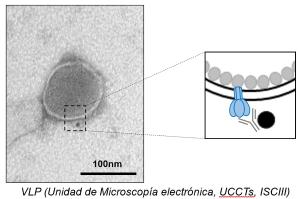
In order to identify the factors involved in the induction of these antibodies and to develop preventive strategies based on bNAb induction, we are pursuing the following research lines:
- Determination of factors associated with the induction of effective humoral responses in different scenarios: recent infection, chronic infection, co-infection with hepatitis C virus, reinfection, and pediatric infection, among others.
- Study of the effect of feminizing hormone therapy on the immune system of transgender women.
- Development of HIV-1 vaccine prototypes based on viral spike proteins incorporated into Virus-Like Particles (VLPs) from two sources:
a) Selected from a library of randomly mutated spikes to enhance the accessibility of epitopes recognized by bNAbs.
b) Derived from viruses present in individuals with broad neutralizing responses in recent infection. - Isolation and characterization of new bNAbs against HIV-1 from individual B cells of individuals with an efficient neutralizing response. These antibodies could be used in both preventive and therapeutic strategies.
- Isolation of new monoclonal antibodies against other human pathogenic viruses, adapting the technology developed for HIV-1 antibody isolation, in collaboration with researchers from the National Center for Microbiology.
- Use of gene therapy vectors (Recombinant Adeno-Associated Viruses; rAAVs) to incorporate bNAbs and apply them in prophylactic and therapeutic strategies.
Líneas de investigación prioritarias

1. Estudio de los procesos de latencia y reactivación del VIH-1: principales mecanismos homeostáticos responsables de la latencia proviral y la generación de los reservorios virales que imposibilitan la erradicación de la enfermedad.
2. Estudio de dianas terapéuticas para impedir la replicación viral activa durante la infección aguda o primaria y para interferir con la renovación del reservorio viral: análisis de fármacos inhibidores de las kinasas de linfocitos PKC o kinasas de la familia Src como p56Lck.
3. Análisis de los mecanismos de transactivación responsables de la replicación viral activa en linfocitos T CD4+: mecanismos virales implicados en reactivación del provirus.
4. Estudio de mecanismos que impidan la infección y replicación viral eficaz en células del reservorio viral secundario como son los monocitos/macrófagos.
5. Análisis de la resistencia a la infección por VIH-1 en linfocitos T CD4+ aislados de pacientes con distrofia muscular de cintura escapulohumeral/pélvica 1F (LGMD1F), que portan un defecto en el gen de la transportina-3 (tnpo3).
6. Estudio de la sinergia NF-B/Tat para la identificación de nuevas dianas terapéuticas.
7. Estudio de cambios de expresión en el transcriptoma y modificaciones postraduccionales en el proteoma de linfocitos T CD4+ que expresan Tat intracelular y su impacto sobre la estructura del citoesqueleto celular: mecanismo potencial de supervivencia de los reservorios virales.
8. Análisis de los mecanismos de degradación de p65/RelA (NF-B) y su importancia en la infección por VIH-1.
9. Estudio de las modificaciones en el metabolismo del RNA inducidas por la expresión intracelular de Tat y su papel en los mecanismos de supervivencia celular y aumento de la replicación viral.
Otras líneas de investigación
1. Estudio de la respuesta humoral y celular desarrollada en pacientes con Long COVID o COVID persistente.
2. Análisis de biomarcadores predictivos de gravedad en pacientes con distintas presentaciones de COVID-19.
3. Estudio de la respuesta inmune frente a la infección natural por SARS-CoV-2 o por la vacunación frente al COVID-19 desarrollada por pacientes con enfermedades oncohematológicas en estado de inmunodeficiencia.
4. Definición de biomarcadores predictivos de recaída en pacientes con leucemia mieloide crónica que hayan interrumpido el tratamiento con inhibidores de tirosina kinasas.
Research
The Molecular Virology group focuses its research on the study of HIV-1 genetic variation and viral evolution using both in vitro and ex vivo approaches, structured around the following research lines:
- Non-progressor patients. These patients maintain control of the disease in the absence of antiretroviral therapy and have therefore been proposed as a model of functional cure. Our objective is to study the contribution of viral factors to disease control through biological characterization and analysis of viral evolution in individuals with undetectable viral loads (elite controllers, EC), compared with individuals showing other patterns of viral control.
- Viral envelope. This viral protein is key in determining viral fitness. Therefore, its functionality significantly affects infection progression. In collaboration with Dr. Blanco and Dr. Valenzuela, we study which specific events (CD4 binding, fusogenicity, etc.) are associated with envelope functionality. To this end, we have analyzed envelopes from individuals with different patterns of disease progression. Some of these have been contributed to the AIDS Research Network envelope biobank for broader use.
- Dual infection. Infection with more than one viral variant (either through co-infection or superinfection) may have consequences for infection pathogenesis. Within our group, different aspects of DI have been analyzed, including its detection in non-progressor patients, its prevalence and incidence in Spain, and its influence on the neutralizing antibody response.
- Molecular Epidemiology. The group has analyzed viral evolution throughout the epidemic in Spain and in other countries (the Netherlands, Italy, Germany, Uruguay, Panama, Brazil, etc.).
- Role of amino acid residues in reverse transcriptase. We study the role of specific amino acid residues in HIV-1 reverse transcriptase in enzymatic function and replication capacity using an infectious molecular clone previously obtained by the group.
- “In vitro” variability. Serial passage studies have been used to detect the mechanisms responsible for the gain or loss of viral fitness.
- Antiviral studies. We have analyzed the selection of resistance mutations in vitro against different antivirals, as well as the effect of these mutations on viral fitness, and the activity of new antivirals such as ATR inhibitors.
Virological Diagnosis and Reference in HIV and HTLV Infections
The research group provides diagnostic and reference activities through the service portfolio of the National Center for Microbiology to the entire Spanish National Health System.
These services include:
-
Diagnosis and reference of HIV infection (types 1 and 2) through detection of specific antibodies and detection of proviral DNA by PCR.
-
Diagnosis and reference of HTLV-I/II infection through detection of specific antibodies and detection of proviral DNA by PCR. Quantification of HTLV-1 proviral load by real-time PCR.
European Union Reference Laboratory (EURL) in the field of in vitro diagnostic medical devices for microbiological diagnosis (IVD) of HIV and HTLV (Regulation 2023/2713 of December 5th, 2023). Our role is to confirm the reliability and effectiveness of devices for detecting these pathogens and to ensure their specific performance requirements through laboratory testing before they can be marketed within the European Union.
Research Lines:
1. Molecular mechanisms associated to the protection of HIV-1 infection in limb-girdle muscular dystrophy dominant D2 (LGMDD2) patients.
2. Generation of neutralizing antibodies for therapeutic use based on the broad-spectrum neutralizing response against founder viruses.
3. Characterization of the immune memory against SARS-CoV-2 in a population over 65 years of age.
4. Screening and characterization of new anti-latency drugs against HIV-1.
5. Study of viral entry and HIV tropism in viruses of special epidemiological relevance in Spain.
6. Genetic mechanisms of protection and control of HIV-1 infection in populations with extreme phenotypes.
Clinical studies:
1. Phase 1 clinical trial to evaluate the safety and immunogenicity of HIV-1 envelope-based 763SIP8/MPLA-5 vaccine as a preventive vaccine in healthy uninfected adults.
2. ENE-COVID-Senior: Prospective observational study in a cohort of elderly nursing home residents to establish their immune status after receiving a complete vaccination regimen.
Implementation of new technologies:
1. Identification of HIV-1 integration sites by deep sequencing.
2. Single cell transcriptomics with simultaneous TCR/BCR sequencing.
3. Epidemiological intelligence for prediction of SARS-CoV-2 variants likely to emerge in different vaccination settings.
Biología y Variabilidad del VIH
null
Research projects
Content with Investigacion .
- Towards a functional cure: Implications of early antiretroviral therapy and hormonal changes on the HIV reservoir in perinatally infected adolescents. Health Research Fund (FIS) – Carlos III Health Institute (01/01/2026 – 31/12/2028). €72,000. PI: María Pernas, Concepción Casado.
- Determination of factors associated with protection against Human Immunodeficiency Virus type 1 reinfection: Identification of correlates of protection. 9th Gilead Fellowship Program for Biomedical Research, Gilead Sciences, S.L. (01/07/2023 – 30/06/2025). €16,330. PI: María Pernas.
- Impact of the envelope on HIV viral replication: New avenues for vaccine development. Health Research Fund (FIS) – Carlos III Health Institute (01/01/2020 – 31/12/2023). €53,000. PI: María Pernas, Concepción Casado.
- Study of HIV-1 virulence in recently infected patients and its contribution, together with clinical and epidemiological factors, to disease progression. Ministry of Economy and Competitiveness. State Program for Scientific and Technical Research and Innovation (30/12/2016 – 30/06/2021). €145,000. PI: Concepción Casado, Cecilio López-Galíndez.
-Contribution of HIV-1 dual infection to virological and clinical evolution in homo/bisexual men. Health Research Fund (FIS) – Carlos III Health Institute (01/01/2014 – 31/01/2016). €74,410. PI: Cecilio López-Galíndez.
- Characterization of non-pathogenic HIV variants obtained “ex vivo” and “in vitro” for the study of disease pathogenesis. Ministry of Science and Innovation (01/01/2011 – 31/01/2014). €169,400. PI: Cecilio López-Galíndez.
- Spanish AIDS Research Network (RIS-RETIC). Carlos III Health Institute (02/01/2017 – 02/01/2022). €195,212. PI: Cecilio López-Galíndez, Concepción Casado.

1. Immune response to SARS-CoV-2 infection: effect in naïve vaccinees and seropositives against the most transmissible variants and relevance of host genetics.
Principal Investigator: Javier García Pérez.
Funding Agency: Acción Estratégica en Salud Intramural 2021(ISCIII)
Funding: 135.000 €
Duration: 2022-2025.
Project Reference: PI21CIII/00025.
2. Design and generation of viral stocks of new SARS-CoV-2 variants (omicron subvariants) and analysis of their susceptibility to antibodies neutralization.
Principal Investigator: Javier García Pérez.
Funding Agency: Hipra Scientific S.L.U.
Funding: 103.771 €
Duration: 2023-2025.
Project Reference: MVP 198/23.
3. Characterization of a mutation in transportin 3 that protects against HIV infection: molecular mechanisms and discovery of new drugs.
Principal Investigator: José Alcamí y Javier García Pérez.
Funding Agency: Proyectos de I+D+I, Generación de Conocimiento y Retos Investigación de la Agencia Estatal de Investigación.
Funding: 240.000 €
Duration: 2022-2026.
Project Reference: PID2021-125978OB-C21 funded by MICIU/AEI/10.13039/501100011033 and by FEDER, UE

4. Generation of immunogens based on HIV-1 envelopes from acutely infected individuals with a broad neutralizing response against founder viruses.
Principal investigator: Nuria González Fernández.
Funding Agency: Acción Estratégica en Salud Intramural 2023 (ISCIII)
Funding: 82.000 €
Duration: 2024-2026.
Project Reference: PI23CIII/00039.
5. Phase 1 clinical trial to evaluate the safety and immunogenicity of HIV-1 envelope-based 763SIP8/MPLA-5 vaccine.
Principal Investigator: Josep Mallolas Masferrer.
Funding Agency: Proyectos de Investigación Clínica Independiente, Acción Estratégica en Salud 2021-2023 (ISCIII).
Funding: 173.200 €
Duration: 2024-2026.
Project Reference: ICI23/00025.
6. Service of immunological determinations of the ENE-COVID SENIOR II protocol.
Principal Investigator: Mayte Pérez Olmeda y Javier García Pérez.
Funding Agency: Fundación para la investigación biomédica del Hospital Universitario La Paz
Funding: 185.037 €
Duration: 2024-2025.
Project Reference: MOTR 219/24.
7. Characterization of the immune memory against SARS-CoV-2 in a population over 65 years of age using single cell transcriptomics.
Principal Investigator: Javier García Pérez y Francisco Díez Fuertes.
Funding Agency: Acción Estratégica en Salud Intramural 2021(ISCIII)
Funding: 152.000 €
Duration: 2025-2027.
Project Reference: PI24CIII/00058
8. Evaluation of rimonabant and cannbinooid analogues in HIV infection and viral latency.
Principal Investigator: Luis Miguel Bedoya del Olmo.
Funding Agency: Universidad Complutense de Madrid
Funding: 12.000 €
Duration: 2024-2025.
Project Reference: PR12/24-31553.
9. Discovery of new inhibitors of HIV-1 RNA biogenesis based on blocking the ribonucleoprotein RRE-Rev.
Principal Investigator: José Gallego Sala. Associate Researcher: Luis Miguel Bedoya del Olmo
Funding Agency: Department of Innovation, Universities, Science and Digital Society. Generalitat Valenciana.
Funding: 543,683.84 €
Duration: 2025-2027.
Project Reference: PROMETEO/2021/036.
Research Projects as Principal Investigators
Effect of Feminizing Hormone Therapy on the Immune Response in Transgender Women
Principal Investigator: Víctor Sánchez-Merino
Funding Agency: Intramural Health Strategic Action
Funding: €117,000
Participating Institutions: ISCIII, IRSICAIXA, 7 Infectious diseases units (Hospital General Universitario Gregorio Marañón (HGUGM-INF), Hospital Universitario La Paz (HULP), Hospital Universitario Infanta Leonor (HUIL), Hospital Fundación Jiménez Díaz (FJD), Fundación Universitario la Princesa (HUP), Hospital Universitario Ramón y Cajal (HURyC) y Hospital Universitario Doce de Octubre (HU12O), Centro Sandoval, 1 Gender Identity Unit, Facultad de psicología (UAM), Facultad de Geografía e Historia (UCM) and three ONGs
Duration: 01/01/2025- 31/12/2027
Project Reference: PI24CIII/00031
Design of Vaccine Prototypes based on HIV-1 Envelope presented on Virus-Like Particles and Nanodiscs
Principal Investigator: Eloísa Yuste Herranz
Funding agency: Knowledge Generation Projects. State Plan for Scientific and Technical Research and Innovation.
Funding: €125,000
Participating Institutions: ISCIII and University of UNSW (Sydney, Australia)
Duration: 01/09/24–31/12/28
Reference: Project PID2023-148729OB-100 funded by MICIU/AEI/10.13039/501100011033 and by FEDER, UE.

Funding for Research Assistant Position. Project: New Approaches to Immunogen Design for the Induction of Anti-HIV-1 Broadly Neutralizing Antibodies (bNAbs) Based on Viral Envelope Proteins Presented on VLPs
Principal Investigator: Eloísa Yuste Herranz
Funding Agency: Youth Employment Plan (Community of Madrid)
Funding: Hiring of a senior graduate for 2 years
Participating Institutions: ISCIII
Duration: 01/04/2024 – 31/03/2026
Project Reference: SAL-GL-28125
Generation of an Adenovirus-Associated Vector for the Delivery of a Broadly Neutralizing Antibody (bNAb) Against HIV-1 That Does Not Induce Anti-Antibody Responses. Funding for Research Assistant Position.
Principal Investigator: Víctor Sánchez Merino
Funding Agency: FUAX-Santander
Funding: €90,000
Participating Institutions: Universidad Alfonso X El Sabio and ISCIII
Duration: 01/04/2022 – 01/04/2025
Project Reference: 1.013.008
New Approaches to Immunogen Design for the Induction of Anti-HIV-1 Broadly Neutralizing Antibodies (bNAbs) Based on Viral Envelope Proteins Presented on Virus-Like Particles (VLPs).
Principal Investigator: Eloísa Yuste Herranz
Funding Agency: Intramural Health Strategic Action
Funding: €77,000
Participating Institutions: Fraunhofer Institute (Germany) and ISCIII
Duration: 01/01/2021 – 30/06/2024
Project Reference: PI20CIII/00039
Development of Immunogens and Vaccination Strategies to Optimize the Induction of Broadly Neutralizing Antibodies (bNAbs) Against HIV-1.
Principal Investigator: Eloísa Yuste Herranz
Funding Agency: Intramural Health Strategic Action
Funding: €117,000
Participating Institutions: Fraunhofer Institute (Germany) and ISCIII
Duration: 01/01/2018 – 31/12/2021
Personnel Hiring: One postdoctoral researcher for 3 years
Project Reference: PI17/00049
Isolation and Characterization of Broadly Neutralizing Antibodies Against HIV-1 from Recently Infected Patients.
Principal Investigator: Eloísa Yuste Herranz
Funding Agency: Health Strategic Action (ISCIII)
Funding: €57,475
Participating Institutions: IDIBAPS, Fraunhofer Institute (Germany), and ISCIII
Duration: 01/01/2014 – 30/04/2017
Project Reference: PI13/01528
Development of an HIV Vaccine: Isolation and Characterization of New Broadly Neutralizing Antibodies.
Principal Investigator: Eloísa Yuste Herranz
Funding Agency: Health Research Fund (ISCIII)
Funding: €116,765
Participating Institutions: IDIBAPS and ISCIII
Duration: 01/01/2010 – 31/12/2012
Project Reference: PI09/1459
Optimization of the HIV-1 Envelope Protein as an Immunogen.
Principal Investigator: Eloísa Yuste Herranz
Funding Agency: Spanish Foundation for AIDS Research and Prevention (FIPSE)
Funding: €141,845
Participating Institutions: IDIBAPS
Duration: 30/10/2008 – 31/08/2012
Personnel Hiring: One senior graduate for 3 years
Project Reference: 36780/08
Optimization of the HIV-1 Envelope Protein as an Immunogen.
Principal Investigator: Eloísa Yuste Herranz
Funding Agency: Ramón y Cajal Program (Ministry of Education and Science)
Funding: 5-year Ramón y Cajal Researcher contract + 3 years as I3
Participating Institutions: IDIBAPS
Duration: 2008 – 2016
Project Reference: RYC-2007-00788
R&D projects as part of the research team
Determination of factors associated with protection against Human Immunodeficiency Virus type 1 Reinfection: Identification of protection correlates.
Principal Investigator: María Pernas Escario
Funding Agency: Gilead Sciences
Funding: €16,630
Participating Entities: Centro Sandoval and ISCIII
Duration: 01/01/2023 - 31/12/2023
Contract/Project File: GLD22/001144
EAVI2020: European AIDS Vaccine Initiative 2020
Principal Investigator: José Alcamí Pertejo
Funding Agency: Horizon 2020 (European Union; EU)
Funding: €403,829
Participating Entities: ISCIII and an EU consortium
Duration: 01/01/2015 - 30/04/2021
Contract/Project File: MPY1398/15
EHVA, European HIV Vaccine Alliance (EHVA): an EU platform for the discovery and evaluation of novel prophylactic and therapeutic vaccine candidates.
Principal Investigator: Felipe García Alcaide
Funding Agency: Horizon 2020 (European Union; EU)
Funding: €1,000,000
Participating Entities: IDIBAPS and an EU consortium
Duration: 01/01/2018 - 31/12/2020
Contract/Project File: 681032
Grup de Recerca VIH/SIDA
Principal Investigator: José María Gatell
Funding Agency: AGAUR_SGR14 (Generalitat de Catalunya-projects)
Funding: €63,000
Participating Entities: IDIBAPS
Duration: 01/01/2014 - 30/04/2017
Contract/Project File: 214_SGR_706
SIDA Vaccine Research Project (HIVACAT)
Principal Investigator: José María Gatell
Funding Agency: MINECO (INNPACTO Program)
Funding: €288,740
Participating Entities: IDIBAPS and Irsicaixa
Duration: 01/01/2013 - 31/03/2020
Contract/Project File: PT-2012-0325-010000
Design, synthesis, and anti-HIV-1 study of peptide domains of GB virus B
Principal Investigator: Isabel Haro
Funding Agency: Foundation for AIDS Research and Prevention (FIPSE)
Funding: €33,000
Participating Entities: IQAC-CSIC and IDIBAPS
Duration: 09/03/2010 - 30/11/2014
Contract/Project File: 36-0735-09
Expresion
1. Título del proyecto: Estudio del efecto de la inmunoterapia y el tratamiento antirretroviral a largo plazo sobre la evolución del reservorio del VIH durante la infección crónica: Búsqueda de nuevas estrategias para una cura funcional.
Investigadora principal: María Teresa Coiras López
Agencia financiadora: Plan Estatal de Investigación Científica, Técnica y de Innovación 2021-2023.
Financiación: 275.000€
Entidades participantes: ISCIII
Duración: 01/09/2023 – 31/08/2027
Expediente contrato/proyecto: PID2022-141317OB-I00 (MPY 345/23)
2. Título del proyecto: Estudio longitudinal de la evolución de parámetros inmunológicos en personas con COVID persistente: definición de biomarcadores de persistencia.
Investigadora principal: María Teresa Coiras López
Agencia financiadora: Acción Estratégica en Salud Intramural.
Financiación: 92.000€
Entidades participantes: ISCIII
Duración: 01/01/2023 – 31/12/2025
Expediente contrato/proyecto: PI22CIII/00059 (MPY 354/22)
3. Título del proyecto: Nuevas estrategias terapéuticas basadas en inhibidores de tirosina kinasas para la eliminación del reservorio latente del VIH-1.
Investigadora principal: María Teresa Coiras López
Agencia financiadora: Ministerio de Ciencia e Innovación, Convocatoria del Programa Estatal de I+D+i Orientada a los Retos de la Sociedad.
Financiación: 157.300€
Entidades participantes: ISCIII
Duración: 01/06/2020 – 31/05/2023
Contratación de personal: 1 licenciado en prácticas (2 años)
Expediente contrato/proyecto: PID2019-110275RB-I00 (MPY 274/20)
4. Título del proyecto: Identification of predictive biomarkers associated with immune responses against SARS-CoV-2 (Work Package 4, dentro de la Coordinación de actividades de investigación en el CNM para realizar una respuesta integradora frente a la pandemia por SARS-CoV2 en España).
Investigadoras principales: María Teresa Coiras López (Investigadora principal Work package 4); Inmaculada Casas Flecha (coordinadora proyecto general).
Agencia financiadora: FONDO–COVID19, en el marco del Real Decreto-ley 8/2020, de 17 de marzo, de medidas urgentes extraordinarias para hacer frente al impacto económico y social de la enfermedad COVID-19
Financiación: 23.000€ (WP4); 325.909€ (proyecto general)
Entidades participantes: ISCIII
Duración: 31/03/2020 – 01/11/2021
Contratación de personal: 1 licenciado por obra y servicio (6 meses)
Expediente contrato/proyecto: COV20_00679 (MPY 222/20)
5. Título del proyecto: Identification of predictive biomarkers associated with immune responses against SARS-CoV-2 (Work Package 4, dentro de la Coordinación de actividades de investigación en el CNM para realizar una respuesta integradora frente a la pandemia por SARS-CoV2 en España).
Investigadoras principales: María Teresa Coiras López (Investigadora principal Work package 4); Inmaculada Casas Flecha (coordinadora proyecto general).
Agencia financiadora: CHIESI ESPAÑA, S.A.U.
Financiación: 50.000€ (donación específica al WP4, aceptada por el ISCIII el 09/07/2020)
Entidades participantes: ISCIII
Duración: 09/07/20 – 01/11/2021
Expediente contrato/proyecto: COV20_00679 (MPY 222/20)
6. Título del proyecto: Tyrosine Kinase inhibition: The New Front in HIV Cure Efforts
Investigadora principal: María Teresa Coiras López
Agencia financiadora: NIH Research Project Grant Program (R01).
Financiación: 598.181,47€
Entidades participantes: ISCIII/Universidad de Utah
Duración: 31/10/2018 - 31/10/2024
Contratación de personal: 1 contrato de doctor por la Ley de la Ciencia (4,5 años); 1 contrato de licenciado por obra y servicio (3 años)
Expediente contrato/proyecto: R01-AI143567 (MPY 230/19)
7. Título del proyecto: Estudio de compuestos inhibidores de tirosina kinasas para impedir la formación del reservorio latente del VIH-1 en linfocitos T CD4+
Investigadora principal: María Teresa Coiras López
Agencia financiadora: Ministerio de Ciencia, Innovación y Universidades. Convocatoria del Programa Estatal de I+D+i Orientada a los Retos de la Sociedad.
Financiación: 157.300€
Entidades participantes: ISCIII
Duración: 31/12/2016 - 31/12/2019
Contratación de personal: un técnico de laboratorio por obra y servicio (2,5 años)
Expediente contrato/proyecto: SAF2016-78480-R (MPY 1361/16)
8. Título del proyecto: PKC theta y Lck como potenciales dianas terapéuticas para la disminución del reservorio viral durante la infección aguda por VIH-1 en linfocitos T CD4.
Investigadora principal: María Teresa Coiras López
Agencia financiadora: Ministerio de Ciencia, Innovación y Universidades. Convocatoria del Programa Estatal de I+D+i Orientada a los Retos de la Sociedad.
Financiación: 163.350€
Entidades participantes: ISCIII
Duración: 01/01/2014 - hasta: 30/09/2017
Contratación de personal: un técnico de laboratorio por obra y servicio (2 años)
Expediente contrato/proyecto: SAF2013-44677-R (MPY 1250/14)
9. Título del proyecto: Dasatinib preserves the activity of the antiviral factor SAMHD1 in human CD4+ T cells: potential use for the control of HIV-1 replication in patients with acute (primary) infection and prevention of the establishment of viral reservoirs.
Investigadora principal: María Teresa Coiras López
Agencia financiadora: Bristol-Myers Squibb (BMS). Non-Clinical Research Proposal
Financiación: 74.000€
Entidades participantes: ISCIII, BMS
Duración: 01-01-14 - 31-12-14
Expediente contrato/proyecto: AI471-041
10. Título del proyecto: Análisis de fármacos inhibidores selectivos de la protein kinasa C (PKC) theta para el bloqueo de la replicación del VIH durante la infección primaria.
Investigadora principal: María Teresa Coiras López
Agencia financiadora: ISCIII
Financiación: 63.104€
Entidades participantes: ISCIII
Duración: 31/12/2012 - hasta: 30/09/2015
Contratación de personal: un técnico de laboratorio por obra y servicio (2 años)
Expediente contrato/proyecto: MPY 1371/12
11. Título del proyecto: Análisis de fármacos inhibidores selectivos de la protein kinasa C (PKC) theta para el bloqueo de la replicación del VIH durante la infección primaria.
Investigadora principal: María Teresa Coiras López
Agencia financiadora: Ministerio de Sanidad, Servicios Sociales e Igualdad.
Financiación: 51.510€
Entidades participantes: ISCIII
Duración: 01/03/2012 - hasta: 01/10/2013
Contratación de personal: un técnico de laboratorio por obra y servicio (1 año)
Expediente contrato/proyecto: EC11-285 (MPY 1046/12)
12. Título del proyecto: Papel de PKC theta en la infección por VIH-1 y búsqueda de nuevas dianas terapéuticas.
Investigadora principal: María Teresa Coiras López
Agencia financiadora: Fundación para la Investigación y Prevención del SIDA en España (FIPSE), convocatoria XI. Premio FIPSE como joven investigadora del año, (30/05/11)
Financiación: 129.746€
Entidades participantes: ISCIII/Universidad Rey Juan Carlos (URJC)
Duración: 15/01/2011 - 15/07/2014
Contratación de personal: un técnico de laboratorio por obra y servicio (3 años)
Expediente contrato/proyecto: 360924/10 (MPY 1044/11)
13. Título del proyecto: Análisis de las modificaciones postraduccionales inducidas por la expresión intracelular de la proteina Tat del VIH-1 en linfocitos T y efecto sobre el metabolismo del RNA.
Investigadora principal: María Teresa Coiras López
Agencia financiadora: Ministerio de Ciencia e Innovación, convocatoria 2010.
Financiación: 67.760€
Entidades participantes: ISCIII
Duración: 31/12/2010 - 31/12/2013
Expediente contrato/proyecto: SAF2010-18388 (MPY 1401/10)
14. Título del proyecto: Papel de PKC theta en la infección por VIH-1 y búsqueda de nuevas dianas terapéuticas
Investigadoras principales: María Teresa Coiras López (ISCIII); Gema Díaz Gil (URJC)
Agencia financiadora: CAM-URJC (Programa de creación y consolidación de grupos de investigación cofinanciada por la Universidad Rey Juan Carlos y la Comunidad de Madrid, convocatoria 2009)
Financiación: 18.900€
Entidades participantes: ISCIII y URJC
Duración: 01/01/2011 - 31/12/2011
Expediente contrato/proyecto: CCG10-URJC/SAL-5020.
15. Título del proyecto: Estudio de la degradación de p65/RelA en linfocitos T humanos.
Investigadora principal: María Teresa Coiras López
Agencia financiadora: Fundación para la Investigación y Prevención del SIDA en España (FIPSE), convocatoria VIII.
Financiación: 36.139€
Entidades participantes: ISCIII
Duración: 01/01/2008 – 01/01/2011
Expediente contrato/proyecto: 36633/07 (MPY 1471/07)


Publications
Epidemiology of the Acinetobacter-derived cephalosporinase, carbapenem-hydrolysing oxacillinase and metallo-beta-lactamase genes, and of common insertion sequences, in epidemic clones of Acinetobacter baumannii from Spain
Villalón P, Valdezate S, Medina-Pascual MJ, Carrasco G, Vindel A, Saez-Nieto JA. Epidemiology of the Acinetobacter-derived cephalosporinase, carbapenem-hydrolysing oxacillinase and metallo-beta-lactamase genes, and of common insertion sequences, in epidemic clones of Acinetobacter baumannii from Spain. J Antimicrob Chemother. 2013;68(3):550-3.
PUBMED DOIShortcomings of the commercial MALDI-TOF MS database and use of MLSA as an arbiter in the identification of Nocardia species
Carrasco G, de Dios Caballero J, Garrido N, Valdezate S, Cantón R, Sáez-Nieto JA. Shortcomings of the commercial MALDI-TOF MS database and use of MLSA as an arbiter in the identification of Nocardia species. Front Microbiol. 2016 21;7:542.
PUBMED DOIKinetics of the invasion and egress processes of Babesia divergens, observed by time-lapse video microscopy.
Sevilla E; González LM; Luque D; Gray J; Montero E. 2018. Kinetics of the invasion and egress processes of Babesia divergens, observed by time-lapse video microscopy. Scientific Reports. 8:14116.DOI: 10.1038/s41598-018-32349-7
PUBMED DOIMisdiagnosis of Babesiosis as Malaria, Equatorial Guinea, 2014.
2. Arsuaga M; González LM; Salvador Padial E; Woubshet Dinkessa A; Sevilla E; Trigo E; Puente S; Gray J; Montero E. 2018. Misdiagnosis of Babesiosis as Malaria, Equatorial Guinea, 2014. Emerging Infectious Diseases.24-8, pp.1588-1589.
PUBMED DOIA fatal case of Babesia divergens infection in Northwestern Spain
3. Asensi V; González LM; Fernández-Suárez J; Sevilla E; Navascués RÁ; Suárez ML; Lauret ME; Bernardo A; Carton JA; Montero E. 2018. A fatal case of Babesia divergens infection in Northwestern Spain. Ticks Tick Borne Dis.9-3, pp.730-734.
PUBMED DOIFirst report of Babesia microti-caused babesiosis in Spain.
Arsuaga M*; Gonzalez LM*; Lobo CA; Calle F; Bautista JM; Azcárate IG; Puente S; Montero E. 2016. First report of Babesia microti-caused babesiosis in Spain. Vector Borne Zoonotic Dis.16-10, pp.677-679. (*)= contribuyeron igualmente en este trabajo.
PUBMED DOIThe efficacy of the ultraviolet C pathogen inactivation system in the reduction of Babesia divergens in pooled buffy coat platelets
Castro E, González LM, Rubio JM, Ramiro R, Gironés N, Montero E. 2014. The efficacy of the ultraviolet C pathogen inactivation system in the reduction of Babesia divergens in pooled buffy coat platelets. Transfusion. 54(9): 2207-2216.
PUBMED DOIPneumoviridae fusion proteins as immunogens to induce cross-neutralizing antibody responses
Olmedillas E, Cano O, Martinez I, Luque D, Terron MC, McLellan JS, et al. Chimeric Pneumoviridae fusion proteins as immunogens to induce cross-neutralizing antibody responses. EMBO Mol Med. 2018;10(2):175-87.
PUBMED DOIHigh-Quality Draft Genome of Babesia divergens, the Etiological Agent of Cattle and Human Babesiosis.
8. Cuesta I; González LM; Estrada K; Grande R; Zaballos A; Lobo CA; Barrera J; Sanchez-Flores A; Montero E. 2014. High-Quality Draft Genome of Babesia divergens, the Etiological Agent of Cattle and Human Babesiosis. Genome Announcement. 2: e01194-14.
PUBMED DOIHorizontal gene transmission of the cfr gene to MRSA and Enterococcus: role of Staphylococcus epidermidis as a reservoir and alternative pathway for the spread of linezolid resistance.
Horizontal gene transmission of the cfr gene to MRSA and Enterococcus: role of Staphylococcus epidermidis as a reservoir and alternative pathway for the spread of linezolid resistance. Cafini F, Nguyen le TT, Higashide M, Román F, Prieto J, Morikawa K. J Antimicrob Chemother. 2016 Mar;71(3):587-92.
PUBMEDEmergence of linezolid-resistant coagulase-negative staphylococci in an intensive care unit.
Emergence of linezolid-resistant coagulase-negative staphylococci in an intensive care unit. Balandin B, Lobo B, Orden B, Román F, García E, Martínez R, Valdivia M, Ortega A, Fernández I, Galdos P. Infect Dis (Lond). 2016;48(5):343-9.
PUBMEDClinical, microbiological, and molecular characterization of pediatric invasive infections by Streptococcus pyogenes in Spain in a context of global outbreak
Ramírez de Arellano E, Saavedra-Lozano J, Villalón P, Jové-Blanco A, Grandioso D, Sotelo J, Gamell A, González-López JJ, Cervantes E, Gónzalez MJ, Rello-Saltor V, Esteva C, Sanz-Santaeufemia F, Yagüe G, Manzanares Á, Brañas P, Ruiz de Gopegui E, Carrasco-Colom J, García F, Cercenado E, Mellado I, Del Castillo E, Pérez-Vazquez M, Oteo-Iglesias J, Calvo C; Spanish PedGAS-Net/CIBERINFEC GAS Study Group. Clinical, microbiological, and molecular characterization of pediatric invasive infections by Streptococcus pyogenes in Spain in a context of global outbreak. mSphere. 2024 Mar 26;9(3):e0072923
PUBMED DOICo-occurrence of the cephalosporinase cepA and carbapenemase cfiA genes in a Bacteroides fragilis division II strain, an unexpected finding
Valdezate S, Medina-Pascual MJ, Villalón P, Garrido N, Monzón S, Cuesta I, Cobo F (2024). Co-occurrence of the cephalosporinase cepA and carbapenemase cfiA genes in a Bacteroides fragilis division II strain, an unexpected finding. J Antimicrobial Chem. 2024 Jul 1;79(7):1683-1687
PUBMED DOIExploring the genetic background of the botulism neurotoxin BoNT/B2 in Spain
Valdezate S, Carrasco G, Medina MJ, Garrido N, Del Pino S, Valiente M, Pallarés MP, Villalon P. (2023). Exploring the genetic background of the botulism neurotoxin BoNT/B2 in Spain. Microbiol Spectr. Sep 26;11(5):e0238023
PUBMED DOIFocusing on Gordonia Infections: Distribution, Antimicrobial Susceptibilities and Phylogeny
Pino-Rosa S, Medina-Pascual MJ, Carrasco G, Garrido N, Villalón P, Valiente M, Valdezate S. (2023). Focusing on Gordonia Infections: Distribution, Antimicrobial Susceptibilities and Phylogeny. Antibiotics (Basel). 26;12(11):1568
PUBMED DOIContent with Investigacion .
-

Aída Úbeda Trillo
Técnico de Laboratorio
Técnico superior en laboratorio de diagnóstico clínico en 2019. Lleva vinculada a la Unidad de Neumococos desde 2023 como técnico de laboratorio contratada. Anteriormente estuvo contratada en el Servicio de Microbiología y Urgencias del Hospital Infanta Sofía de Madrid.
-
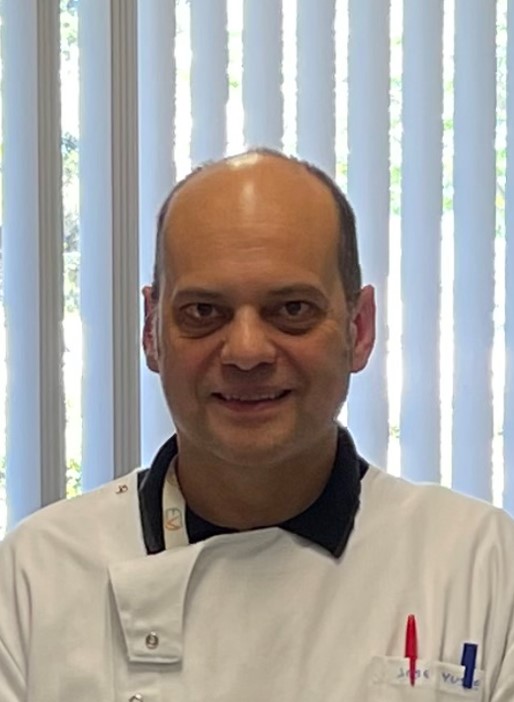
José Enrique Yuste Lobo
Científico Titular
ORCID code: 0000-0001-7996-0837
Licenciado en Farmacia en 1998 y Doctor en 2002 por la Universidad Complutense de Madrid. Realizó su tesis doctoral en el laboratorio de neumococos del Centro Nacional de Microbiología del ISCIII. Posteriormente trabajó durante 5 años en Londres, primero como Investigador Asociado en el Centre for Molecular Microbiology and Infection Biology de Imperial College hasta 2003 y luego en el Centre for Respiratory Research de University College hasta 2007. Tras esta etapa posdoctoral en Reino Unido, trabajó durante 3 años como Investigador Senior en el Centro de Investigaciones Biológicas del CSIC hasta 2010. Desde entonces trabaja como Científico Titular en la Unidad de Neumococos del CNM-ISCIII, siendo el responsable científico del laboratorio desde el año 2016. Es investigador principal del grupo CIBER de Enfermedades Respiratorias (CIBERES) CB06/06/0003 (https://www.ciberes.org/grupos/grupo-de-investigacion?id=18143)
-

Mirian Domenech Luchas
Investigadora posdoctoral
ORCID code: 0000-0002-0942-8180
Licenciada en Ciencias Biológicas en 2005 y Doctora en 2012 por la Universidad Complutense de Madrid. Realizó su tesis doctoral en el Centro de Investigaciones Biológicas del CSIC bajo la dirección del Profesor Ernesto García y la Dra. Miriam Moscoso caracterizando el biofilm neumocócico y estudiando distintos antimicrobianos para prevenir y tratar las infecciones producidas por neumococo y otros patógenos. Posteriormente ha trabajado como investigadora junior para el CIBER de Enfermedades Respiratorias y para la empresa Investigación y Proyectos Microbiológicos realizando estudios sobre biofilms de patógenos respiratorios. A finales del 2018 se incorporó a la Unidad de Neumococos del Centro Nacional Microbiología del ISCIII, donde participa en las distintas labores de investigación y referencia de la Unidad y es profesora ayudante Doctor de la Facultad de Biología de la Universidad Complutense de Madrid.
-
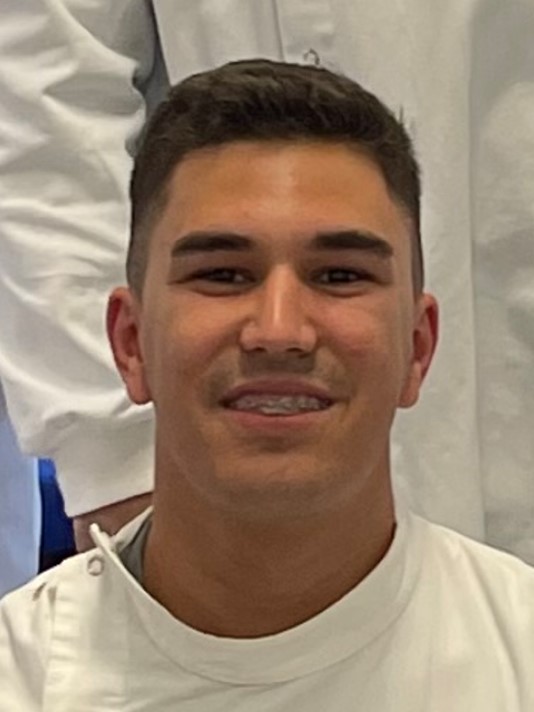
Julio Sempere García
Investigador Posdoctoral
ORCID code: 0000-0001-9340-6867
Graduado en Bioquímica por la Universidad Complutense de Madrid, donde posteriormente cursó estudios de Máster en Microbiología y Parasitología. Actualmente realiza el programa de doctorado en Microbiología y Parasitología. Lleva asociado a la Unidad de Neumococos desde 2017, donde realizó las prácticas extracurriculares de grado y posteriormente realizó su trabajo de fin de grado (2018) y trabajo de fin de máster (2019). En 2022 obtuvo el grado de Doctor y actualmente investiga biofilms de bacterias Gram positivas, la matriz de estos y cómo interaccionan con el sistema inmune. También trabaja en la interacción de diferentes cápsulas de Streptococcus pneumoniae con el sistema inmune y patogénesis de serotipos emergentes incluidos en las futuras vacunas antineumocócicas.
-
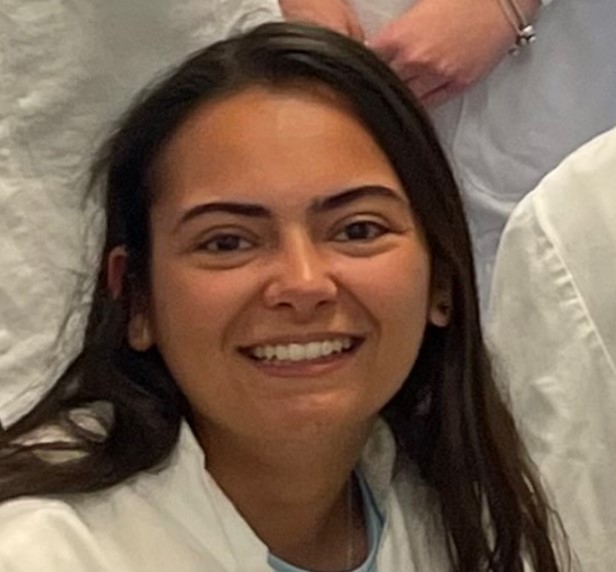
Covadonga Pérez García
Contratada predoctoral FPU
ORCID code: 0000-0002-5295-6480
Graduada en Biología por la Universidad Complutense de Madrid, donde posteriormente cursó estudios de Máster en Microbiología y Parasitología. Lleva vinculada a la Unidad de Neumococos desde 2019, donde realizó las prácticas extracurriculares de grado y posteriormente realizó su trabajo de fin de grado (2020) y trabajo de fin de máster (2021). En 2022 obtuvo beca predoctoral del programa FPU y actualmente investiga mecanismos de patogenicidad y protección de serotipos emergentes de neumococo.
-

Erick Joan Vidal Alcántara
Ayudante de Investigación
ORCID code: 0000-0001-8946-3754
Graduado en Biología por la Universidad Complutense de Madrid, y posteriormente cursó estudios de Máster en Microbiología aplicada a salud pública e investigación en enfermedades infecciosas por la Universidad de Alcalá de Henares. Lleva vinculado a la Unidad de Neumococos desde 2022 como ayudante de investigación y es personal de plantilla.
-
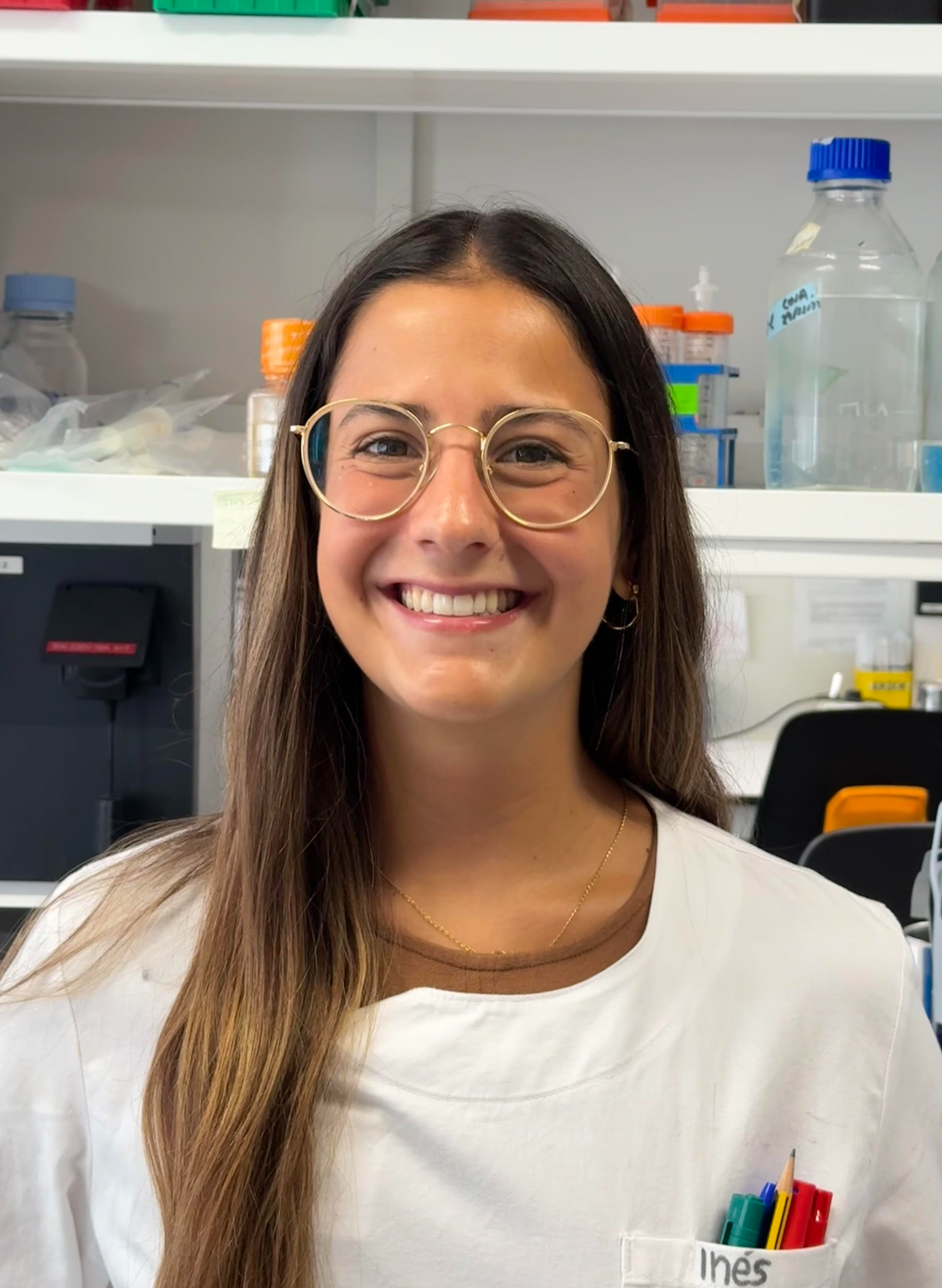
Inés Pareja Cerbán
Estudiante predoctoral CIBERES
ORCID code: 0009-0006-8015-7367
Graduada en Bioquímica por la Universidad de Málaga. Es contratada predoctoral del CIBER de Enfermedades Respiratorias (CIBERES) y en nuestro grupo está realizando su Tesis Doctoral en la caracterización de factores de virulencia de aislados prevalentes así como en el estudio y caracterización de nuevos antimicrobianos frente a bacterias respiratorias.
-

Mirella Llamosí Fornés
Contratada predoctoral
ORCID code: 0000-0002-4369-9558
Graduada en Biología por la Universidad Complutense de Madrid, donde posteriormente cursó estudios de Máster en Microbiología y Parasitología. Está realizando su Tesis Doctoral en el campo de la resistencia antibiótica así como en la búsqueda y caracterización de nuevos antimicrobianos con especial interés en lograr compuestos activos frente a infecciones producidas por biofilms.


List of staff
Additional Information
The Reference and Research Laboratory for Water-borne an Food-borne Bacterial Diseases (LRIEBTAA) is recognized as a national reference laboratory for the zoonotic agents Salmonella, verotoxigenic Escherichia coli, Yersinia., Campylobacter. and Vibrio (RD 1940/2004 of September 27, Order APA/1808/2007 of June 13). In this sense, its main activity is to ensure adequate surveillance of these zoonoses, zoonotic agents and associated antibiotic resistance, as well as proper investigation of outbreaks caused by these microorganisms. In addition, the LRIEBTAA acts as a reference laboratory for Shigella, other diarrheagenic groups of E. coli, Legionella and toxigenic Corynebacterium species. Added to its reference activity is its applied research activity, among which those mentioned above stand out.
The members of the group carry out an important training activity. Every year, 3-5 students who develop their final Master's or Degree projects, laboratory technicians in training and rotating students of the specialty of Clinical Microbiology from different national origins are welcomed in the laboratory. In addition, it actively participates in the Public Health microbiologist training program funded by the ECDC through its supervision at the national level and coordination/supervision at the international level.
The Reference and Research Laboratory for Water-borne an Food-borne Bacterial Diseases (LRIEBTAA) is recognized as a national reference laboratory for the zoonotic agents Salmonella, verotoxigenic Escherichia coli, Yersinia., Campylobacter. and Vibrio (RD 1940/2004 of September 27, Order APA/1808/2007 of June 13). In this sense, its main activity is to ensure adequate surveillance of these zoonoses, zoonotic agents and associated antibiotic resistance, as well as proper investigation of outbreaks caused by these microorganisms. In addition, the LRIEBTAA acts as a reference laboratory for Shigella, other diarrheagenic groups of E. coli, Legionella and toxigenic Corynebacterium species. Added to its reference activity is its applied research activity, among which those mentioned above stand out.
The members of the group carry out an important training activity. Every year, 3-5 students who develop their final Master's or Degree projects, laboratory technicians in training and rotating students of the specialty of Clinical Microbiology from different national origins are welcomed in the laboratory. In addition, it actively participates in the Public Health microbiologist training program funded by the ECDC through its supervision at the national level and coordination/supervision at the international level.