



We protect your health through science
Investigation
Water-borne and Food-borne Bacterial Diseases
Research Lines
Content with Investigacion .
Inmunología Microbiana e Inmunogenética
1. Análisis de la respuesta innata de mamíferos en la infección por Leishmania.
2. Caracterización inmunoproteómica en :
a. Streptococcus suis
b. Lactococcus garviae
c. Mycobacterium spp
3. Desarrollo de inmunoensayos analíticos basados en anticuerpos monoclonales (AcM) para detectar y cuantificar antígenos de origen animal, vegetal y microbiano.
4. Desarrollo y caracterización de AcM frente a los componentes del sistema del Complemento. Aplicación diagnóstica.
5. Desarrollo de reactivos de referencia y diseño de inmunoensayos para la evaluación cualitativa y cuantitativa de toxinas clostridiales.
6. Oferta tecnológica de producción de AcM y policlonales frente a substancias de interés industrial y biomédico.
El grupo está interesado en el estudio de la respuesta inmune desde una perspectiva multidisciplinar que incluye aproximaciones bioquímicas, biotecnológicas, genómicas, inmunoinformáticas y proteómicas, que junto con el uso adicional de modelos in vivo se encaminan al diseño de estrategias terapéuticas frente a diversas enfermedades crónicas, infecciosas y raras que poseen un claro componente inmunológico en su etiología.
Las principales líneas de investigación que está desarrollando el grupo en la actualidad son:
- * Análisis de las respuestas inmunes celulares frente a patógenos virales y bacterianos, mediante técnicas inmunoproteómicas, modelos in vivo con animales transgénicos y muestras humanas.
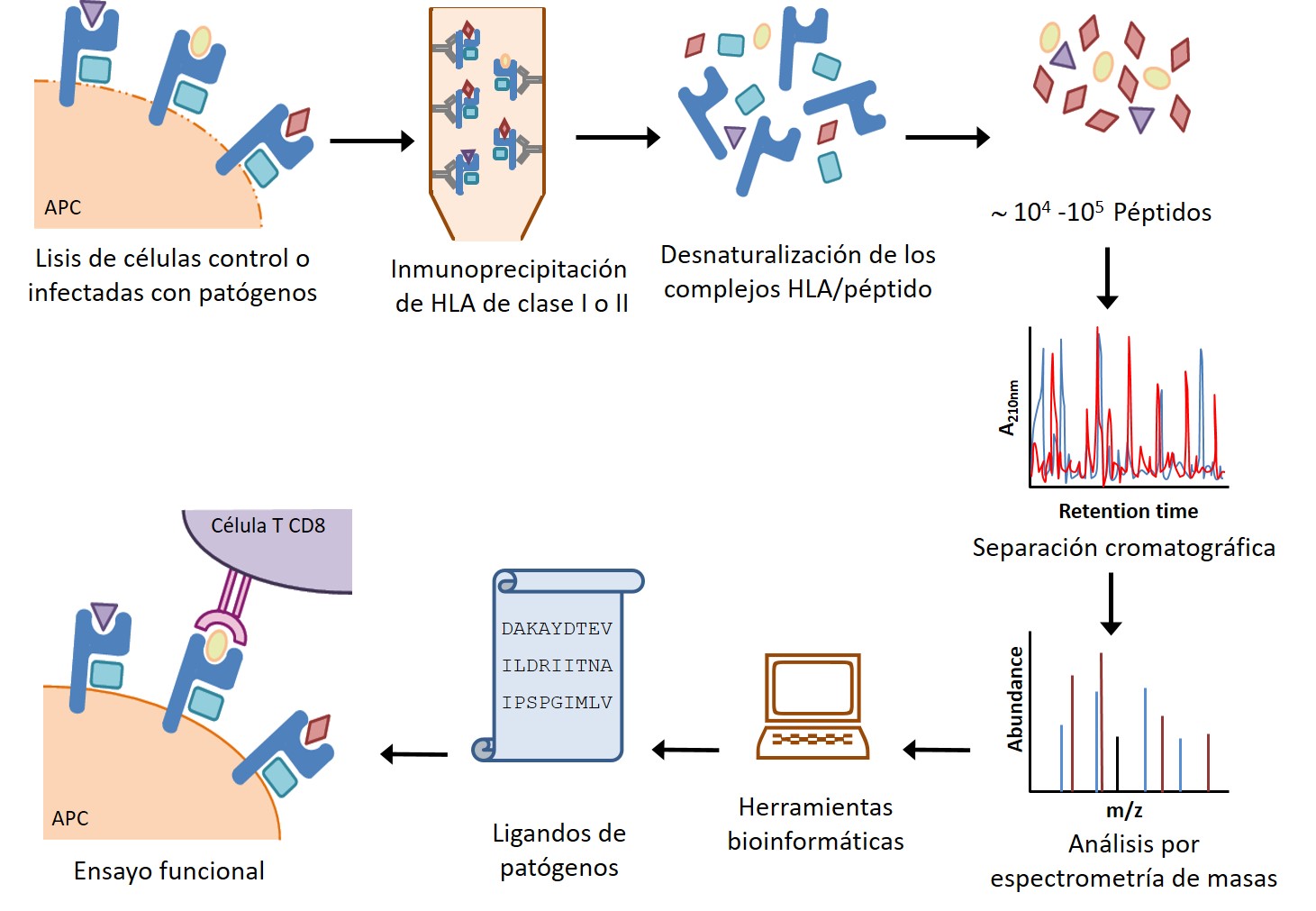
- * Caracterización de CD69: regulación génica, función reguladora inmune en homeostasis e infección y su uso como diana terapéutica, edición génica por CRISPR en modelos animales y celulares, etc.

* Desarrollo de herramientas inmunoinformáticas que permitan analizar la respuesta inmune celular frente a diversos virus de interés sanitario y determinar la eficacia de sus vacunas a nivel de población mundial.

* Estudio de las respuestas inmunes celulares frente a enfermedades raras (artritis reactiva y síndrome del linfocito desnudo) y crónicas (espondiloartropatías).
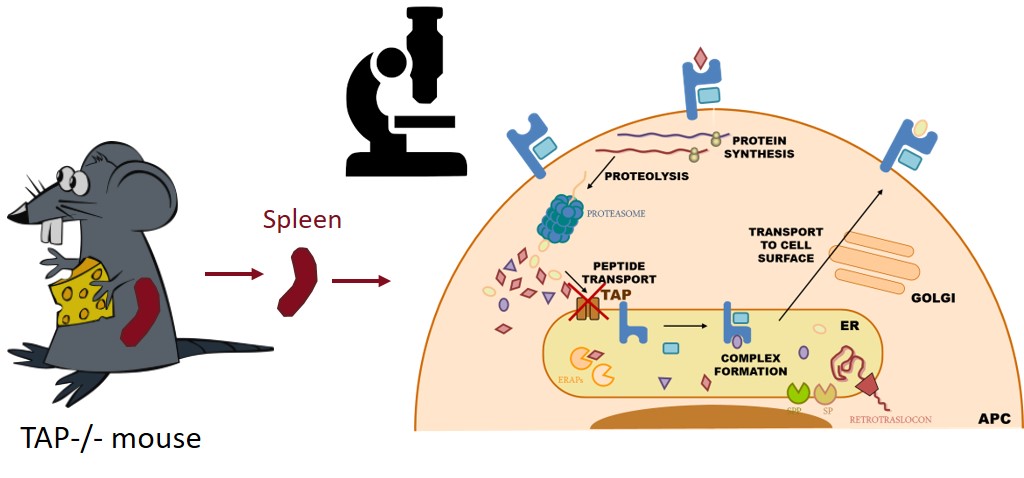
* Inclusión de componentes del sistema inmune en la fabricación de tejidos humanos, especialmente piel, para uso clínico, farmacéutico y cosmético.
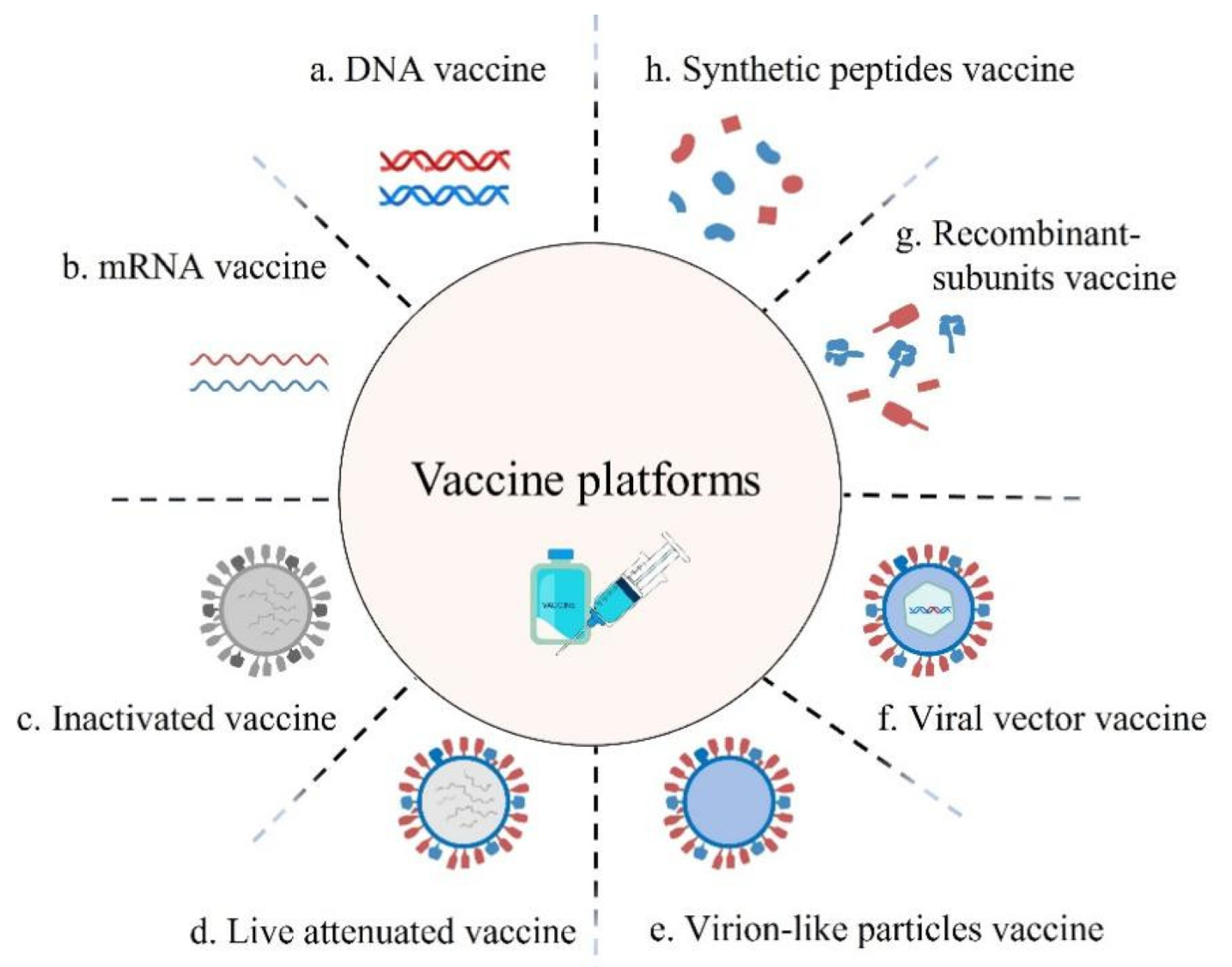
- * Generación de virus recombinantes como vectores vacunales.
Research projects
Content with Investigacion .
Los proyectos del grupo de los últimos años son los siguientes:
Proyecto “La interrelación de CD69 y el procesamiento antigénico en enfermedades infecciosas y autoinmunes" financiado por la Acción Estratégica en Salud del Ministerio de Ciencia, Innovación y Universidades. Año: 2023-2025.
Proyecto “Interacciones génicas y proteicas de CD69 y sus regiones génicas reguladoras con moléculas" financiado por la AEI. Año: 2022-2024.

Proyecto “Nuevas tecnologías de fabricación y optimización de tejidos: la piel como sistema modelo” financiado por el Programa de Actividades de I+D entre grupos de investigación de la Comunidad de Madrid en tecnologías 2018. Año: 2020-2023. Proyecto Coordinado por el Dr. Pablo Acedo de la Universidad Carlos III.
Proyecto “Estudio de CD69 como diana para mejorar el tratamiento de la leucopania y la movilización de células T de memoria de médula ósea" financiado por la Acción Estratégica en Salud del Ministerio de Ciencia, Innovación y Universidades. Año:2020-2024.
Proyecto “Diseño racional de una vacuna contra el virus respiratorio sincitial humano” financiado por la Acción Estratégica en Salud del Ministerio de Ciencia, Innovación y Universidades. Año: 2019-2022
Proyecto “Función de CD69 y sus elementos reguladores" financiado por la Acción Estratégica en Salud del Ministerio de Ciencia, Innovación y Universidades. Año: 2017-2022.
Proyecto “Diseño de vacunas recombinantes poliepitópicas para generar respuestas CD8+ contra virus emergentes” financiado por el Plan Nacional de I+D+i del Ministerio de Economía y Competitividad. Año: 2015-2017.
Proyecto “Análisis de los efectos de CD69 dependientes de S1P1 en modelos de infección e inflamación y estudio de su regulación” financiado por el FIS. Año: 2014-2017.
Proyecto “ADELVAC: Adenovirus con delecciones epitópicas para vacunación” financiado por el programa INNPACTO del Ministerio de Economía y Competitividad. Centro Nacional de Microbiología, Instituto de Salud Carlos III. Año: 2012-2014. Proyecto Coordinado por el Dr. Manel Cascallo de VCN BIOSCIENCES SL.
Proyecto “Diseño de vacunas multiepitópicas recombinantes para aumentar la respuesta inmune celular contra el VRSH” financiado por el Plan Nacional de I+D+i del Ministerio de Ciencia e Innovación. Año: 2012-2014.
Publications
Co-occurrence of the cephalosporinase cepA and carbapenemase cfiA genes in a Bacteroides fragilis division II strain, an unexpected finding
Valdezate S, Medina-Pascual MJ, Villalón P, Garrido N, Monzón S, Cuesta I, Cobo F (2024). Co-occurrence of the cephalosporinase cepA and carbapenemase cfiA genes in a Bacteroides fragilis division II strain, an unexpected finding. J Antimicrobial Chem. 2024 Jul 1;79(7):1683-1687
PUBMED DOIHookworm secreted extracellular vesicles interact with host cells and prevent inducible colitis in mice.
Eichenberger RM, Ryan S, Jones L, Buitrago G, Polster R, Montes de Oca M, Zuvelek J, Giacomin PR, Dent LA, Engwerda CR, Field MA, Sotillo J, Loukas A. Hookworm secreted extracellular vesicles interact with host cells and prevent inducible colitis in mice. Front Immunol. 2018 Apr 30;9:850.
PUBMED DOIToll-like receptor signaling-deficient cells enhance antitumor activity of cell-based immunotherapy by increasing tumor homing
A. Morales-Molina, M.A. Rodríguez-Milla, S,. Gambera, T. Cejalvo, B. de Andrés M.L. Gaspar, J. Garcia-Castro. Cancer Res Commun 2023 Mar 1;3(3):347-360. eCollection 2023 Mar
PUBMED DOICharacterizing carbapenemase-producing Escherichia coli isolates from Spain: high genetic heterogeneity and wide geographical spread.
1. Characterizing carbapenemase-producing Escherichia coli isolates from Spain: high genetic heterogeneity and wide geographical spread. Dahdouh E, Gómez-Marcos L, Cañada-García JE, de Arellano ER, Sánchez-García A, Sánchez-Romero I, López-Urrutia L, de la Iglesia P, Gonzalez-Praetorius A, Sotelo J, Valle-Millares D, Alonso-González I, Bautista V, Lara N, García-Cobos S, Cercenado E, Aracil B, Oteo-Iglesias J, Pérez-Vázquez M; Spanish Eco-Carba Study Group. Revista: Front Cell Infect Microbiol 2024 May 16;14:1390966.
PUBMED DOIThe sulfur-related metabolic status of Aspergillus fumigatus during infection reveals cytosolic serine hydroxymethyltransferase as a promising antifungal target
Alharthi R, Sueiro-Olivares M, Storer I, Bin Shuraym H, Scott J, Al-Shidhani R, Fortune-Grant R, Bignell E, Tabernero L, Bromley M and Amich J. 2025. Virulence, 16(1):2449075
PUBMED DOIThe importance of microbiology reference laboratories and adequate funding for infectious disease surveillance
Shaw D, Torreblanca RA, Amin-Chowdhury Z, Bautista A, Bennett D, Broughton K, Casanova C, Choi EH, Claus H, Corcoran M, Cottrell S, Cunney R, Cuypers L, Dalby T, Davies H, de Gouveia L, Deghmane AE, Desmet S, Domenech M, Drew R, Plessis MD, Duarte C, Fuursted K, Golden A, Almeida SCG, Henares D, Henriques-Normark B, Hilty M, Hoffmann S, Humphreys H, Jacobsson S, Johnson C, Jolley KA, Kawabata A, Kozakova J, Kristinsson KG, Krizova P, Kuch A, Ladhani S, Lâm TT, Ayala MEL, Lindholm L, Litt D, Maiden MCJ, Martin I, Martiny D, Mattheus W, McCarthy ND, Meehan M, Meiring S, Mölling P, Morfeldt E, Morgan J, Mulhall R, Muñoz-Almagro C, Murdoch D, Musilek M, Novakova L, Oftadeh S, Perez-Arguello A, Pérez-Vázquez MD, Perrin M, Prevost B, Roberts M, Rokney A, Ron M, Sanabria OM, Scott KJ, Sempere J, Siira L, de Lemos APS, Sintchenko V, Skoczyńska A, Slotved HC, Smith AJ, Taha MK, Toropainen M, Tzanakaki G, Vainio A, van der Linden MPG, van Sorge NM, Varon E, Moreno JV, Vohrnova S, von Gottberg A, Yuste J, Brueggemann AB. Lancet Digit Health. 2025 Apr;7(4):e275-e281.
PUBMED DOIETP-46321, a dual p110α/δ class IA phosphoinositide 3-kinase inhibitor modulates T lymphocyte activation and collagen-induced arthritis.
2. Aragoneses-Fenoll L, Montes-CasadoM, Ojeda G, Acosta YY, Herranz J, Martínez S, Blanco-Aparicio C, Criado G, Pastor J, Dianzani U, Portolés P, Rojo JM. ETP-46321, a dual p110α/δ class IA phosphoinositide 3-kinase inhibitor modulates T lymphocyte activation and collagen-induced arthritis. Biochem. Pharmacol. 2016 Apr 15;106:56-69. Epub 2016 Feb 13.
PUBMED DOIStructure and Immunogenicity of the Human Metapneumovirus F Protein in the Postfusion Conformation.
5. Mas V, Rodriguez L, Olmedillas E, Cano O, Palomo C, Terron MC, et al. Engineering, Structure and Immunogenicity of the Human Metapneumovirus F Protein in the Postfusion Conformation. PLoS Pathog. 2016;12(9):e1005859.
PUBMED DOIGodet C, Alastruey-Izquierdo A, Flick H, Hennequin C, Mikilps-Mikgelbs R, Munteanu O, Page I, Seidel D, Salzer HJF. A CPAnet consensus statement on research priorities for chronic pulmonary aspergillosis: a neglected fungal infection that requires attention. J Antimicrob Chemother. 2018
Godet C, Alastruey-Izquierdo A, Flick H, Hennequin C, Mikilps-Mikgelbs R, Munteanu O, Page I, Seidel D, Salzer HJF. A CPAnet consensus statement on research priorities for chronic pulmonary aspergillosis: a neglected fungal infection that requires attention. J Antimicrob Chemother. 2018 Feb 1;73(2):280-286. doi: 10.1093/jac/dkx390. PMID: 29126309.
PUBMED DOIExploring the genetic background of the botulism neurotoxin BoNT/B2 in Spain
Valdezate S, Carrasco G, Medina MJ, Garrido N, Del Pino S, Valiente M, Pallarés MP, Villalon P. (2023). Exploring the genetic background of the botulism neurotoxin BoNT/B2 in Spain. Microbiol Spectr. Sep 26;11(5):e0238023
PUBMED DOIHDP2: a ribosomal DNA (NTS-ETS) sequence as a target for species-specific molecular diagnosis of intestinal taeniasis in humans.
Flores MD, Gonzalez LM, Hurtado C, Motta YM, Domínguez-Hidalgo C, Merino FJ, Perteguer MJ, Gárate T. HDP2: a ribosomal DNA (NTS-ETS) sequence as a target for species-specific molecular diagnosis of intestinal taeniasis in humans. Parasit Vectors. 2018 Feb 27;11(1):117. doi: 10.1186/s13071-018-2646-6.
PUBMED DOIImmune stress suppresses innate immune signaling in preleukemic precursor B-cells to provoke leukemia in predisposed mice
Isidro-Hernández M, Casado-García A, Oak N, Alemán-Arteaga S, Ruiz-Corzo B, Martínez-Cano J, Mayado A, G. Sánchez E, Blanco O, Gaspar ML, Orfao A, Alonso-López D, De las Rivas J, Riesco S, Prieto-Matos P, González-Murilo A, García Criado FJ, García Cenador MB, Ramírez-Orellana M, De Andrés B, Vicente-Dueñas C, Cobaleda C, Nichols KE, Sánchez-García I. Nat Commun 2023 Aug 24;14(1):5159.
PUBMED DOIClinical, microbiological, and molecular characterization of pediatric invasive infections by Streptococcus pyogenes in Spain in a context of global outbreak.
2. Clinical, microbiological, and molecular characterization of pediatric invasive infections by Streptococcus pyogenes in Spain in a context of global outbreak. Autores: Ramírez de Arellano E, Saavedra-Lozano J, Villalón P, Jové-Blanco A, Grandioso D, Sotelo J, Gamell A, González-López JJ, Cervantes E, Gónzalez MJ, Rello-Saltor V, Esteva C, Sanz-Santaeufemia F, Yagüe G, Manzanares Á, Brañas P, Ruiz de Gopegui E, Carrasco-Colom J, García F, Cercenado E, Mellado I, Del Castillo E, Pérez-Vazquez M, Oteo-Iglesias J, Calvo C; Spanish PedGAS-Net/CIBERINFEC GAS Study Group. Revista: mSphere. 2024 Mar 26;9(3):e0072923.
PUBMED DOIPotent Induction of Envelope-Specific Antibody Responses by Virus-Like Particle Immunogens Based on HIV-1 Envelopes from Patients with Early Broadly Neutralizing Responses
Beltran-Pavez C, Bontjer I, Gonzalez N, Pernas M, Merino-Mansilla A, Olvera A, Miro JM, Brander C, Alcami J, Sanders RW, Sanchez-Merino V, Yuste E; J Virol. 2022 Jan 12;96(1):e0134321.
PUBMED DOIFungal burden assessment in hospital zones with different protection degrees
García-Gutiérrez L, Baena Rojas B, Ruiz M, Hernández Egido S, Ruiz-Gaitán AC, Laiz L, Pemán J, Cuétara-García MS, Mellado E & Martin-Sanchez PM. Build Environ, Volume 269, 1 February 2025, 112454
DOIAntimicrobial resistance and epidemiological aspects of Neisseria gonorrhoeae in the province of Lleida, Spain (2017-2024).
Cumplido A, Aramburu J, Font M, Montes M, Abad R, López E, Bernet A, Mormeneo S, Prats I, García M, Sánchez E, Bellés A. Enferm Infecc Microbiol Clin (Engl Ed). 2025 Mar;43(3):156-161.
PUBMED DOISuppression of CD4+ T lymphocyte activation in vitro and experimental encephalomyelitis in vivo by the phosphatidyl inositol 3-kinase inhibitor PIK-75.
3. Acosta YY, Montes-Casado M, Aragoneses-Fenoll L, Dianzani U, Portoles P, Rojo JM. Suppression of CD4+ T lymphocyte activation in vitro and experimental encephalomyelitis in vivo by the phosphatidyl inositol 3-kinase inhibitor PIK-75. Int. J. Immunopathol. Pharmacol. 2014 Jan-Mar;27(1):53-67.
PUBMED DOIHorizontal gene transmission of the cfr gene to MRSA and Enterococcus: role of Staphylococcus epidermidis as a reservoir and alternative pathway for the spread of linezolid resistance.
Horizontal gene transmission of the cfr gene to MRSA and Enterococcus: role of Staphylococcus epidermidis as a reservoir and alternative pathway for the spread of linezolid resistance. Cafini F, Nguyen le TT, Higashide M, Román F, Prieto J, Morikawa K. J Antimicrob Chemother. 2016 Mar;71(3):587-92.
PUBMEDFocusing on Gordonia Infections: Distribution, Antimicrobial Susceptibilities and Phylogeny
Pino-Rosa S, Medina-Pascual MJ, Carrasco G, Garrido N, Villalón P, Valiente M, Valdezate S. (2023). Focusing on Gordonia Infections: Distribution, Antimicrobial Susceptibilities and Phylogeny. Antibiotics (Basel). 26;12(11):1568
PUBMED DOIAntibody responses to chimeric peptides derived from parasite antigens in mice and other animal species.
Orbegozo-Medina RA, Martínez-Sernández V, Folgueira I, Mezo M, González-Warleta M, Perteguer MJ, Romarís F, Leiro JM, Ubeira FM. Antibody responses to chimeric peptides derived from parasite antigens in mice and other animal species. Mol Immunol. 2018 Dec 17;106:1-11.
PUBMED DOIRole of Toll-like receptor 4 in intravascular hemolisis-mediated injury
Vázquez-Carballo C, Herencia C, Guerrero-Hue M, García-Caballero C, Rayego-Mateos S, Morgado-Pascual JL, Opazo-Rios L, González-Guerrero C, Vallejo-Mudarra M, Cortegano I, Gaspar ML, de Andrés B, Egido J, Moreno JA. J Pathol. 2022 Nov; 258(3): 236–249.
PUBMED DOICarbapenemase-Producing Klebsiella pneumoniae in COVID-19 Intensive Care Patients: Identification of IncL-VIM-1 Plasmid in Previously Non-Predominant Sequence Types.
3. Carbapenemase-Producing Klebsiella pneumoniae in COVID-19 Intensive Care Patients: Identification of IncL-VIM-1 Plasmid in Previously Non-Predominant Sequence Types. Autores: Cañada-García JE, Ramírez de Arellano E, Jiménez-Orellana M, Viedma E, Sánchez A, Alhambra A, Villa J, Delgado-Iribarren A, Bautista V, Lara N, García-Cobos S, Aracil B, Cercenado E, Pérez-Vázquez M, Oteo-Iglesias J. Revista: Antibiotics (Basel). 2023 Jan 6;12(1):107.
DOIDistribution of Aspergillus Species and Prevalence of Azole Resistance in clinical and environmental Samples from a Spanish Hospital during a three-year study period
Lucio J, Alcazar-Fuoli L, Gil H, Cano-Pascual S, Hernandez-Egido S, Cuetara MS and Mellado E. Mycoses. 2024 Apr;67(4):e13719.
PUBMED DOIExploring the sequence diversity and surface expression of Factor H-Binding Protein among invasive serogroup B meningococcal strains from selected European countries
Clark SA, Willerton L, Claus H, Carannante A, Stefanelli P, Abad R, Vázquez JA, Borrow R. Hum Vaccin Immunother. 2024 Dec 31;20(1):2427471
PUBMED DOIEffects of 3D nanocomposite bioceramic scaffolds on the immune response
4. Cicuendez M., Portolés P., Montes-Casado M., Izquierdo-Barba I., Vallet-Regı M., and Portolés M.T. Effects of 3D nanocomposite bioceramic scaffolds on the immune response. J. Mater. Chem. B, 2014, 2 (22), 3469-3479.
DOIBotulism in Spain: Epidemiology and Outcomes of Antitoxin Treatment, 1997-2019
Peñuelas M, Guerrero-Vadillo M, Valdezate S, Zamora MJ, Leon-Gomez I, Flores-Cuéllar Á, Carrasco G, Díaz-García O, Varela C. (2022). Botulism in Spain: Epidemiology and Outcomes of Antitoxin Treatment, 1997-2019. Toxins (Basel). 20;15(1):2
PUBMED DOIComparison of T24H-his, GST-T24H and GST-Ts8B2 recombinant antigens in western blot, ELISA and multiplex bead-based assay for diagnosis of neurocysticercosis.
Hernández-González A, Noh J, Perteguer MJ, Gárate T, Handali S. Comparison of T24H-his, GST-T24H and GST-Ts8B2 recombinant antigens in western blot, ELISA and multiplex bead-based assay for diagnosis of neurocysticercosis. Parasit Vectors. 2017 May 15;10(1):237.
PUBMED DOIAge-dependent nasal immune responses in non-hospitalized bronchiolitis children
Cortegano I, Rodríguez M, Hernángómez S, Arrabal A, Garcia-Vao C, Rodríguez J, Sandra Fernández S, Díaz J, de la Rosa B, Solís B, Arribas C, Garrido F, Zaballos A, Roa S, López V, Gaspar ML, de Andrés B. Front Immunol 2022 Dec 6:13:1011607.
PUBMED DOIAn increase in erythromycin resistance in methicillin-susceptible Staphylococcus aureus from blood correlates with the use of macrolide/lincosamide/streptogramin antibiotics. EARS-Net Spain (2004-2020).
4. An increase in erythromycin resistance in methicillin-susceptible Staphylococcus aureus from blood correlates with the use of macrolide/lincosamide/streptogramin antibiotics. EARS-Net Spain (2004-2020). Autores: El Mammery A, Ramírez de Arellano E, Cañada-García JE, Cercenado E, Villar-Gómara L, Casquero-García V, García-Cobos S, Lepe JA, Ruiz de Gopegui Bordes E, Calvo-Montes J, Larrosa Escartín N, Cantón R, Pérez-Vázquez M, Aracil B, Oteo-Iglesias J. Revista: Front Microbiol. 2023 Sep 26;14:1220286.
PUBMED DOIPermanent control of HIV-1 pathogenesis in exceptional elite controllers: a model of spontaneous cure
Casado C, Galvez C, Pernas M, Tarancon-Diez L, Rodriguez C, Sanchez-Merino V, Vera M, Olivares I, De Pablo-Bernal R, Merino-Mansilla A, Del Romero J, Lorenzo-Redondo R, Ruiz-Mateos E, Salgado M, Martinez-Picado J, Lopez-Galindez C; Sci Rep. 2020 Feb 5;10(1):1902
PUBMED DOIResultado falso negativo en diversas PCR multiplex y monoplex en un episodio de bacteriemia por Neisseria meningitidis. Implicaciones diagnósticas, terapéuticas y epidemiológicas [False negative result in both multiplex and monoplex PCR in a case of Neisseria meningitidis bacteremia. Diagnostic, therapeutic and epidemiological implications]
Monforte ML, Cebollada R, Escobar MJ, Abad R, Aspiroz C. Rev Esp Quimioter. 2024 Oct;37(5):427-428
PUBMED DOICharacteristics of TCR/CD3 complex CD3 chains of regulatory CD4+ T (Treg) lymphocytes: Role in Treg differentiation in vitro and impact on Treg in vivo.
5. Rojo, J. M., G. Ojeda, Y. Y. Acosta, M. Montes-Casado, G. Criado, and P. Portoles. Characteristics of TCR/CD3 complex CD3 chains of regulatory CD4+ T (Treg) lymphocytes: Role in Treg differentiation in vitro and impact on Treg in vivo. J. Leukoc. Biol. 2014, 95 (3): 441-450.
PUBMED DOIInvasive Streptococcus pyogenes disease in Spain: a microbiological and epidemiological study covering the period 2007-2019
Villalón P, Sáez-Nieto JA, Rubio-López V, Medina-Pascual MJ, Garrido N, Carrasco G, Pino-Rosa S, Valdezate S. (2021). Invasive Streptococcus pyogenes disease in Spain: a microbiological and epidemiological study covering the period 2007-2019. Eur J Clin Microbiol Infect Dis. 2021 Nov;40(11):2295-2303
PUBMED DOICharacterization of Trichuris muris secreted proteins and extracellular vesicles provides new insights into host-parasite communication.
Eichenberger RM, Talukder MH, Field MA, Wangchuk P, Giacomin P, Loukas A, Sotillo J. Characterization of Trichuris muris secreted proteins and extracellular vesicles provides new insights into host-parasite communication. J Extracell Vesicles. 2018 Jan 21;7(1):1428004.
PUBMED DOIGuiding the humoral response against HIV-1 toward a MPER adjacent region by immunization with a VLP-formulated antibody-selected envelope variant
Beltran-Pavez C, Ferreira CB, Merino-Mansilla A, Fabra-Garcia A, Casadella M, Noguera-Julian M, Paredes R, Olvera A, Haro I, Brander C, Garcia F, Gatell JM, Yuste E, Sanchez-Merino V; PLoS One. 2018 Dec 19;13(12):e0208345
PUBMED DOIGlobal Meningococcal Initiative: Insights on antibiotic resistance, control strategies and advocacy efforts in Western Europe
Borrow R, Campbell H, Caugant DA, Cherkaoui A, Claus H, Deghmane AE, Dinleyici EC, Harrison LH, Hausdorff WP, Bajanca-Lavado P, Levy C, Mattheus W, Mikula-Pratschke C, Mölling P, Sáfadi MA, Smith V, van Sorge NM, Stefanelli P, Taha MK, Toropainen M, Tzanakaki G, Vázquez J. . J Infect. 2024; 89(6): 106335
PUBMED DOIDissociation of actin polymerization and lipid raft accumulation by ligation of the Inducible Costimulator (ICOS, CD278)
6. Y. Acosta, G. Ojeda, M. P. Zafra, I. Seren-Bernardone, A. Sánchez, U. Dianzani, P. Portolés y J. M. Rojo. Dissociation of actin polymerization and lipid raft accumulation by ligation of the Inducible Costimulator (ICOS, CD278). Inmunología, 2012, 31 (1): 4-12.
DOIGenetic Characterization of Brucella spp.: Whole Genome Sequencing-Based Approach for the Determination of Multiple Locus Variable Number Tandem Repeat Profiles
Pelerito A, Nunes A, Grilo T, Isidro J, Silva C, Ferreira AC, Valdezate S, Núncio MS, Georgi E, Gomes JP. (2021) Genetic Characterization of Brucella spp.: Whole Genome Sequencing-Based Approach for the Determination of Multiple Locus Variable Number Tandem Repeat Profiles. 2021. Front Microbiol. 12;12:740068
PUBMED DOIEvaluation of onchocerciasis seroprevalence in Bioko Island (Equatorial Guinea) after years of disease control programmes.
Hernández-González A, Moya L, Perteguer MJ, Herrador Z, Nguema R, Nguema J, Aparicio P, Benito A, Gárate T. Evaluation of onchocerciasis seroprevalence in Bioko Island (Equatorial Guinea) after years of disease control programmes. Parasit Vectors. 2016 Sep 20;9(1):509.
PUBMED DOIToll-like receptors in acute kidney injury
Vázquez-Carballo C, Guerrero-Hue M, García Caballero C, Rayego-Mateos S, Opazo-Rios L, Morgado-Pascual JL, Herencia-Bellido C, Vallejo-Mudarra M, Cortegano I, Gaspar ML, de Andrés B, Egido J, Moreno-Gutiérrez JA. Int J Mol Sci. 2021 Jan; 22(2): 816.
PUBMED DOICARB-ES-19 Multicenter Study of Carbapenemase-Producing Klebsiella pneumoniae and Escherichia coli From All Spanish Provinces Reveals Interregional Spread of High-Risk Clones Such as ST307/OXA-48 and ST512/KPC-3.
6. CARB-ES-19 Multicenter Study of Carbapenemase-Producing Klebsiella pneumoniae and Escherichia coli From All Spanish Provinces Reveals Interregional Spread of High-Risk Clones Such as ST307/OXA-48 and ST512/KPC-3. Autores: Cañada-García JE, Moure Z, Sola-Campoy PJ, Delgado-Valverde M, Cano ME, Gijón D, González M, Gracia-Ahufinger I, Larrosa N, Mulet X, Pitart C, Rivera A, Bou G, Calvo J, Cantón R, González-López JJ, Martínez-Martínez L, Navarro F, Oliver A, Palacios-Baena ZR, Pascual Á, Ruiz-Carrascoso G, Vila J, Aracil B, Pérez-Vázquez M, Oteo-Iglesias J; GEMARA/GEIRAS-SEIMC/REIPI CARB-ES-19 Study Group. Revista: Front Microbiol. 2022 Jun 30;13:918362.
DOIDetection of Broadly Neutralizing Activity within the First Months of HIV-1 Infection
Sanchez-Merino V, Fabra-Garcia A, Gonzalez N, Nicolas D, Merino-Mansilla A, Manzardo C, Ambrosioni J, Schultz A, Meyerhans A, Mascola JR, Gatell JM, Alcami J, Miro JM, Yuste E; J Virol. 2016 May 12;90(11):5231-5245
PUBMED DOIPotential implication of azole persistence in the treatment failure of two haematological patients infected with Aspergillus fumigatus
Peláez-García de la Rasilla T, Mato-López A, Pablos-Puertas CE, González-Huerta AJ, Gómez-López A, Mellado E, Amich J. Journal of Fungi, 2023 Jul 30;9(8):805.
PUBMED DOIMeningococcal disease in the Middle East: A report from the Global Meningococcal Initiative
Al-Abri SS, Abuhasan MY, Albayat SSA, Bai X, Bastaki H, Borrow R, Caugant DA, Dbaibo G, Deghmane AE, Dinleyici EC, Ghuneim N, Sheek-Hussein M, Lucidarme J, Leng S, Koliou MG, Sáfadi MAP, Salman JA, Al-Sanouri T, Smith V, Taha MK, Vázquez J, Wright C, Yezli S. J Infect. 2024; 88(2):71-76.
PUBMED DOIComplement regulatory protein Crry/p65 costimulation expands natural Treg cells with enhanced suppressive properties in proteoglycan-induced arthritis.
7. Ojeda G., Pini E., Eguiluz C., Montes-Casado M., Broere F., van Eden W., Rojo J.M., and Portolés P. Complement regulatory protein Crry/p65 costimulation expands natural Treg cells with enhanced suppressive properties in proteoglycan-induced arthritis. Arthritis Rheum. 2011 Jun;63(6):1562-72.
PUBMED DOISaezia sanguinis gen. nov., sp. nov., a Betaproteobacteria member of order Burkholderiales, isolated from human blood
Medina-Pascual MJ, Monzón S, Villalón P, Cuesta I, González-Romo F, Valdezate S. (2020). Saezia sanguinis gen. nov., sp. nov., a Betaproteobacteria member of order Burkholderiales, isolated from human blood. Int J Syst Evol Microbiol.70:2016-25.
PUBMED DOIChanges in protein expression after treatment with Ancylostoma caninum excretory/secretory products in a mouse model of colitis.
Sotillo J, Ferreira I, Potriquet J, Laha T, Navarro S, Loukas A, Mulvenna J. Changes in protein expression after treatment with Ancylostoma caninum excretory/secretory products in a mouse model of colitis. Sci Rep. 2017 Feb 13;7:41883.
PUBMED DOIContent with Investigacion .
-
Concepción Casado Herrero
Tenure Scientist of Public Research Organizations (OPIs)
ORCID code: 0000-0003-3412-2877
-
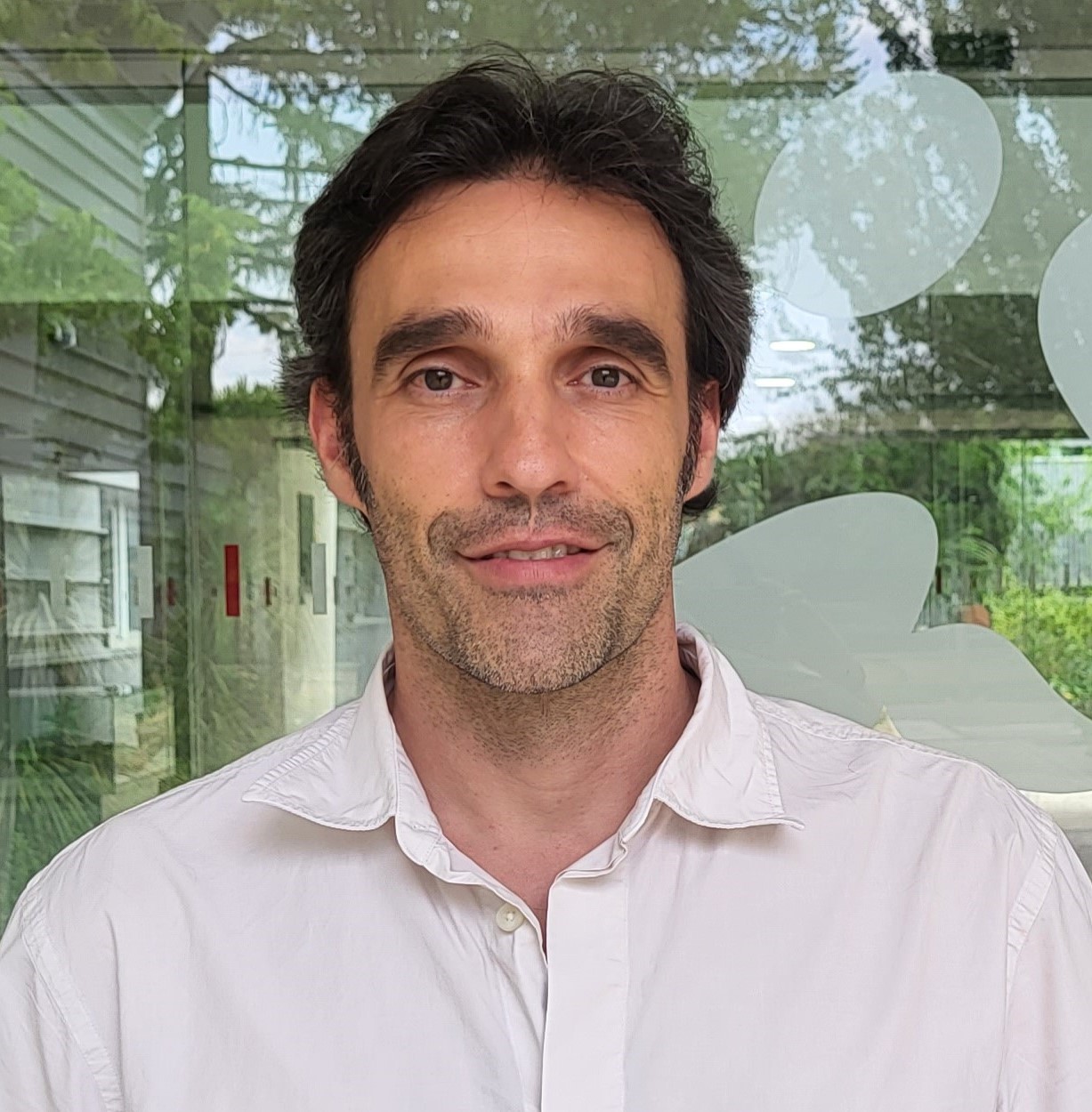
Javier García Pérez
Investigador Doctor
ORCID code: 0000-0001-7551-7803
Graduated in Biochemistry (1999) and Molecular Biology (2000) from the Autonomous University of Madrid (UAM), he obtained a predoctoral fellowship “ISCIII” in the AIDS Immunopathology laboratory, where he developed new techniques based on recombinant viruses. His doctoral thesis focused on the application of this technological development to the study of the replicative capacity of HIV-1 and its resistance to antiretroviral drugs, obtaining the degree of Doctor of Science from the UAM in 2007.
Thanks to a short postdoc in 2008 and several stays between 2009 and 2015 at the Viral Pathogenesis Unit of the Institut Pasteur in Paris he extended his training in the study of HIV-1 envelope and tropism. Between 2015 and 2019 he rejoins the AIDS Immunopathology Unit at ISCIII, focusing his work on the study of the functional capacity of founder viruses, as well as variants of the virus with interest in Public Health due to its recent expansion in our country. He is currently leading a project on the study of a mutation in transportin 3 observed in patients with a very rare muscular dystrophy (LGMDD2) that confers protection against HIV-1 infection.
During the last 5 years he combines this activity in HIV-1 with the participation and leadership of different clinical trials and studies investigating the immunity generated in people vaccinated against SARS-CoV-2 infection.
Since 2024 he is a “Investigador Doctor fuera de Convenio” at the Spanish National Centre of Microbiology and he currently coordinates together with Dr. Francisco Díez Fuertes the AIDS Immunopathology Unit.
-
Miguel Thomson
Research Professor. Head of Unit
-

Eloisa Yuste Herranz
Staff Scientist
ORCID code: 0000-0002-9484-9974
She holds a Bachelor's and a Ph.D. in Biological Sciences from the Complutense University of Madrid. She completed her first postdoctoral stay (1998–2001) at the “Severo Ochoa” Molecular Biology Center (Madrid). In 2001, she undertook a second postdoctoral stay at Harvard Medical School (USA), where she was promoted to Associate Researcher in 2005.
In 2008, she joined the August Pi i Sunyer Biomedical Research Institute (Barcelona) as a Ramón y Cajal Researcher, later being promoted to I3 Researcher in 2011 at the same institution. In 2016, she joined the National Center for Microbiology at the Carlos III Health Institute (Madrid) as a Distinguished Researcher. In 2018, she was promoted to Tenured Scientist at the same institution.
Her research has focused on the study of humoral immunity against HIV-1 and the development of preventive HIV-1 vaccine prototypes. She is currently co-leading, alongside Dr. Víctor Sánchez Merino, the newly established Humoral Immunity and HIV Vaccines Unit.
-
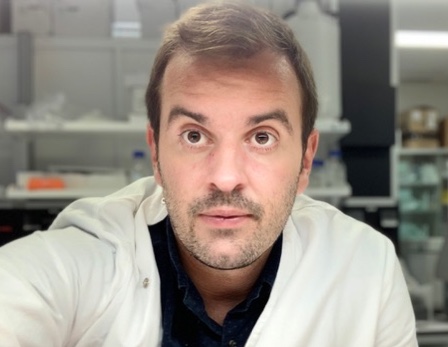
Francisco Díez Fuertes
Investigador Doctor Indefinido
ORCID code: 0000-0003-2413-9229
Degree in Biology from the University of León, PhD specialized in molecular virology from the Complutense University of Madrid in 2010 and master's degree in bioinformatics and computational biology from the same university in 2012. He has done research stays at University of Illinois at Urbana Champaign (USA) in 2010, Nebraska Center for Virology (USA) in 2011, Institut Pasteur (France) in 2013 and J. Craig Venter Institute (USA) in 2015-2016.
He joined the AIDS Immunopathology Unit in 2013 with a contract from the “Sara Borrell” postdoctoral program. After a period at the August Pi i Sunyer Biomedical Research Institute in Barcelona he rejoins the AIDS Immunopathology Unit in 2020 as a PhD researcher.
His lines of research have focused on the genomic and transcriptomic characterization of extreme phenotypes in HIV-1 infection, including long-term non-progressors and elite controllers. He collaborates with other laboratories of the center in the analysis of outbreaks caused by viruses with interest in Public Health, as well as in evolutionary studies on genomic epidemiology. Since 2020 he has led different clinical studies on COVID-19. Currently, he combines omics sciences with different bioinformatics tools to answer different scientific questions in the field of virology, especially in HIV-1 and SARS-CoV-2 research. He currently coordinates together with Dr. Javier García Pérez the AIDS Immunopathology Unit.
-
María Pernas Escario
Senior Specialized Technician of Public Research Organizations (OPIs)
ORCID code: 0000-0003-2966-0160
-
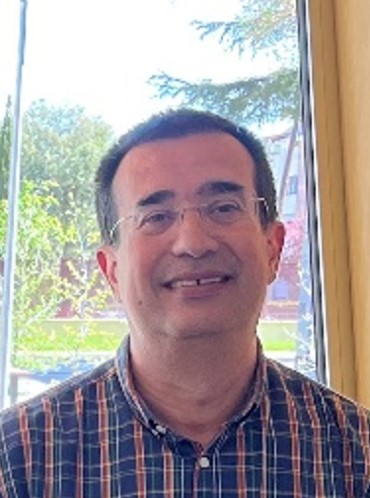
Victor Sánchez Merino
Distinguished Scientist
ORCID code: 0000-0001-9400-427X
He holds a Bachelor's and a Ph.D. in Pharmacy from the Complutense University of Madrid, specializing in virology and molecular biology. His research has focused on the study of HIV and EBV. His doctoral thesis addressed the evolution of HIV-1 and the restoration of mutant HIV-1 reverse transcriptase function.
He completed a postdoctoral stay at Harvard University, investigating new viral interactions (2001–2003). At the University of Massachusetts, he explored CD8+ T lymphocyte responses in vertical HIV transmission (2003–2008).
In Spain, at the Hospital Clínico-IDIBAPS (Barcelona; 2008–2017) and the Carlos III Health Institute (Madrid; 2017–Present), he has led research on HIV-1 neutralizing antibodies and the design of preventive vaccines.He is currently co-leading, alongside Dr. Eloísa Yuste Herranz, the newly established Humoral Immunity and HIV Vaccines Unit. Additionally, he is a professor and principal investigator at Alfonso X el Sabio University (Madrid).
-

Nuria González Fernández
Investigadora Contratada indefinida
ORCID code: 0000-0002-0087-5144
She completed her PhD in 2007 (Universidad Autónoma de Madrid), focused on the development of an envelope recombinant virus system to characterize HIV-1 tropism, as well as on the study of the role of the chemokine CXCL12 in virus propagation at the infectious synapse. Part of this work was carried out in the laboratory of Dr. Quentin Sattentau at the University of Oxford.
During her postdoctoral period, she expanded her research on the mechanisms of HIV entry and specialized in the study of the neutralizing response. She developed a system to measure neutralizing activity, which has been used in clinical trials of HIV vaccine candidates. During a stay at the Vaccine Research Center, NIH (USA), she acquired experience in various techniques for the characterization of broadly neutralizing antibodies, leading to new collaborations and research projects, which she is currently developing in the AIDS Immunopathology Unit of the Carlos III Health Institute.
She has participated in research networks such as EAVI2020 (co-PI), CIBERINFEC, RIS and EUROPRISE (EU). Since 2014 she is a professor of the Master in Microbiology applied to Public Health and Infectious Diseases Research at the University of the University of Alcalá and, since 2023, of the Master in Human Immunodeficiency Virus Infection at the University Rey Juan Carlos.
-

Almudena Rubio Perez
Research Assistant
ORCID code: 0009-0006-4687-7555
Graduated in Biochemistry from the University of Córdoba (Andalusia, Spain) with a master's degree in Biomedicine from the University of Cádiz (Andalusia, Spain). She is currently part of the Humoral Immunity and HIV Vaccines Unit (IHV) at the National Center for Microbiology (CNM) under a Youth Guarantee contract funded by the Community of Madrid and is pursuing a Ph.D. in the Microbiology and Parasitology program at the Complutense University of Madrid.
-
Virginia Sandonís Martín
Senior Specialized Technician of Public Research Organizations (OPIs)
ORCID code: 0000-0001-5762-7531
-
Mercedes Bermejo Herrero
Investigadora post-doctoral contratada
ORCID code: 0000-0001-9909-8578
Degree and PhD in Biological Sciences (Biochemistry and Molecular Biology) from the Autonoma University of Madrid. Her doctoral thesis studied the expression of CXCR4 and SDF-1/CXCL12 in lymphocytes and dendritic cells and their implications in HIV-1 infection.
She has completed internships in various laboratories: the Immunology Department of the Gregorio Marañón University Hospital in Madrid, the Research Center of the 12 de Octubre University Hospital in Madrid (where she was head of the flow cytometry service) and is currently at the CNM (National Research Center) of the Carlos III Health Institute.
Her research interests have focused on the study of HIV biology and its interaction with the immune system. She has currently participated in clinical trials, CombiVacs and ENE-Covid Senior, and in collaboration with Hipra.
-
Rosa Fuentes Fernández
Laboratory Technician
-

Rubén Ayala Suárez
Técnico Superior Especializado OPI
ORCID code: 0000-0002-1271-646.
Graduated in Biotechnology from the University of Cadiz (2015), Master in Microbiology of Infectious Diseases (2016) and PhD in Functional Biology from the University of Alcalá (2023). He carried out his PhD Thesis at the AIDS Immunopathology laboratory (CNM) on post-translational epigenetic mechanisms of natural control of HIV infection. In the same period, he completed a Diploma in Bioinformatics at Pablo de Olavide University (2021).
In 2023 he joined as a postdoctoral researcher in the HIV and AIDS research group at the August Pi i Sunyer Biomedical Research Institute (Barcelona), where he worked on the relationship of HIV and senescence until his incorporation as a Técnico Superior Especializado in the AIDS Immunopathology unit of the Spanish National Center of Microbiology (ISCIII) in 2025.
The main research projects in which he participates focus on resistance and natural control to HIV infection, as well as the evaluation of the immune response in vaccine trials, using mainly bioinformatics techniques focused on massive sequencing (RNA-Seq, single-cell, genome sequencing), the application of biostatistics and machine learning in data management.
-
-

Almudena Cascajero Díaz
Técnico de laboratorio
ORCID code: 0000-0002-9654-3100
Técnico Superior de Actividades Técnicas y Profesionales (Unidades de Inmunopatología del SIDA y Legionella, Centro Nacional de Microbiología). Clinical Diagnostic Laboratory Technician by IES Renacimiento de Madrid.
Experience in cloning techniques and characterization of neutralizing antibodies and participation in different projects on the pathogenesis of HIV by studying the viral envelope and the mechanisms of resistance to antiretroviral drugs. This experience has subsequently allowed me to participate in 5 multicenter clinical studies studying the immune response against different variants of SARS-CoV-2.
Since 2021, I also participate as a laboratory technician in the Legionella Unit as a support to the Spanish National Health System through the microbiological surveillance of the disease to contribute to the prevention and control of legionellosis.
-

Manuela Beltrán Vicente
Técnico de Laboratorio Indefinido
ORCID code: 0000-0001-6185-2280
Senior Technician of Technical and Professional Activities (AIDS Immunopathology Unit, Spanish National Center of Microbiology).
Clinical Analysis Laboratory Specialist Technician by IES Las Musas (Madrid, 1996). Demonstrated experience in the development of strategies against HIV, focused on the screening of compounds of both natural and synthetic origin with antiviral activity and identification and evaluation of potential therapeutic agents, as well as the screening of serological samples for the study of immunity for the identification of possible strategies for the development of vaccines against HIV. -

Silvia Jara Herrera
Técnico de Laboratorio Contratado CIBERINFEC
ORCID code: 0009-0001-2842-2040
Clinical and Biomedical Diagnostic Laboratory Technician.
She is currently working in the AIDS Immunopathology Unit of the Spanish National Center of Microbiology (ISCIII) with a contract through the Spanish Biomedical Research Networking Centre in Infectious Diseases (CIBER-INFEC).
She worked from March 2020 to September 2024 at the Department of Animal Health (Faculty of Veterinary Medicine) of the Universidad Complutense de Madrid.
She has experience in serological techniques (ELISA, Western Blot and IFA), cell culture and molecular biology.
-

Irene Díaz Marín
Técnico de laboratorio contratado
Clinical and Biomedical Diagnostics laboratory technician by CIFP Politécnico de Murcia-CESUR and graduated in Journalism from the Complutense University of Madrid.
She is currently at the AIDS Immunopathology Unit of the Spanish National Center of Microbiology with a contract of the “Garantía Juvenil” program (Community of Madrid), where she performs technical tasks in several research projects about HIV-1 and COVID-19.
-

Lorena Vigón Hernandez
Tenured Specialized Technician from OPIs
ORCID code: 0000-0002-6405-4054
Graduate in Health Biology and PhD in Health Sciences from the University of Alcalá de Henares. In 2016, she joined the CNM-ISCIII under a Youth Guarantee contract funded by the Community of Madrid, and in 2018 she was awarded a pFIS fellowship, which enabled her to remain at the same institution. Subsequently, in 2022, she was appointed as a Tenured Specialized Technical Staff of the Spanish Public Research Organizations (OPIs).
Her research has primarily focused on elucidating the mechanism of action of tyrosine kinase inhibitors in HIV-1 infection (PMID: 32828803; PMID: 34186065), as well as on the identification of biomarkers that could predict COVID-19 severity (PMID: 34616404; PMID: 34122423; PMID: 35960731).
She is currently a member of the recently established Humoral Immunity and HIV Vaccines Unit, led by Dr. Eloisa Yuste and Dr. Victor Sanchez-Merino.
Actualmente forma parte de la recientemente creada Unidad de Inmunidad Humoral y Vacunas frente al VIH, liderada por la Dra. Eloísa Yuste Herranz y el Dr. Víctor Sánchez Merino.
-
Laura Capa Muñoz
Investigadora post-doctoral contratada
ORCID code: 0000-0002-0234-331X
Degree in Biological Sciences from the Universidad Autónoma de Madrid and PhD from the Universidad Complutense de Madrid, she has a master's degree in AIDS (Universidad Complutense de Madrid) and a master's degree in HIV infection (Universidad Rey Juan Carlos de Madrid).
Professional activity developed mainly in the study of infectious diseases, both in the field of basic research in public research centers and in the pharmaceutical industry, as well as in the field of public health and scientific management. She has worked in the international response to the HIV pandemic, representing the Ministry of Health as an expert in meetings of the European Commission and collaborated with the WHO. At the Instituto de Salud Carlos III, she has led the scientific management of national and European projects in the AIDS Immunopathology Unit and has been part of the Institute's Data Protection Working Group. Currently, she continues to coordinate the Cohort of Long-Term Non-Progressing Patients created by the Spanish AIDS Research Network (RIS), is part of the coordination team of the PhD Program in Biomedical Sciences and Public Health IMIENS-UNED-ISCIII and of the Institute's Working Group on Equality.



List of staff
Additional Information
The Reference and Research Laboratory for Water-borne an Food-borne Bacterial Diseases (LRIEBTAA) is recognized as a national reference laboratory for the zoonotic agents Salmonella, verotoxigenic Escherichia coli, Yersinia., Campylobacter. and Vibrio (RD 1940/2004 of September 27, Order APA/1808/2007 of June 13). In this sense, its main activity is to ensure adequate surveillance of these zoonoses, zoonotic agents and associated antibiotic resistance, as well as proper investigation of outbreaks caused by these microorganisms. In addition, the LRIEBTAA acts as a reference laboratory for Shigella, other diarrheagenic groups of E. coli, Legionella and toxigenic Corynebacterium species. Added to its reference activity is its applied research activity, among which those mentioned above stand out.
The members of the group carry out an important training activity. Every year, 3-5 students who develop their final Master's or Degree projects, laboratory technicians in training and rotating students of the specialty of Clinical Microbiology from different national origins are welcomed in the laboratory. In addition, it actively participates in the Public Health microbiologist training program funded by the ECDC through its supervision at the national level and coordination/supervision at the international level.
The Reference and Research Laboratory for Water-borne an Food-borne Bacterial Diseases (LRIEBTAA) is recognized as a national reference laboratory for the zoonotic agents Salmonella, verotoxigenic Escherichia coli, Yersinia., Campylobacter. and Vibrio (RD 1940/2004 of September 27, Order APA/1808/2007 of June 13). In this sense, its main activity is to ensure adequate surveillance of these zoonoses, zoonotic agents and associated antibiotic resistance, as well as proper investigation of outbreaks caused by these microorganisms. In addition, the LRIEBTAA acts as a reference laboratory for Shigella, other diarrheagenic groups of E. coli, Legionella and toxigenic Corynebacterium species. Added to its reference activity is its applied research activity, among which those mentioned above stand out.
The members of the group carry out an important training activity. Every year, 3-5 students who develop their final Master's or Degree projects, laboratory technicians in training and rotating students of the specialty of Clinical Microbiology from different national origins are welcomed in the laboratory. In addition, it actively participates in the Public Health microbiologist training program funded by the ECDC through its supervision at the national level and coordination/supervision at the international level.