



We protect your health through science
Investigation
Molecular characterization of Staphylococcus
Research Lines
Content with Investigacion .
Legionella
Desde su creación hasta la actualidad, La Unidad de Legionella tiene como principal función dar apoyo científico-técnico a la Administración General del Estado, a las Comunidades Autónomas y al Sistema Nacional de Salud en el campo de la prevención y control de la legionelosis, así como llevar a cabo investigaciones científicas en el contexto de la legionelosis. Además, la Unidad de Legionella también actúa como Laboratorio de Referencia de España frente al European Centre for Disease Prevention and Control (ECDC), siendo miembro de la red europea de vigilancia de la legionelosis, “European Legionnaires’ Disease Surveillance Network (ELDSNet). Finalmente, la unidad también realiza una actividad docente, participando en cursos de formación especializada, así como en Máster Universitarios.
Principales líneas de investigación
Vigilancia microbiológica
Búsqueda de marcadores moleculares con capacidad de predecir el riesgo de una instalación de provocar legionelosis. Factores de virulencia de Legionella spp.
Estudio de la capacidad formadora de biofilms de Legionella spp. Colonización y dispersión.
Búsqueda de marcadores fenotípicos capaces de discriminar especies del Género Legionella; grupos y subgrupos de Legionella pneumophila.

Diferentes estructuras de biofilms en función de la cepa formadora de Legionella pneumophila. En verde la biomasa bacteriana, en rojo el exopolisacárido de la matriz extracelular.
Apoyo al Sistema Nacional de Salud de la Unidad de Legionella
La Unidad de Legionella tambien desarrolla actividades con el fin de proporcionar asistencia al sistema nacional de salud a traves de la oferta disponible en la cartera de servicios del CNM, así como a través de programas de vigilancia microbiológica.
Research projects
Content with Investigacion .
1: Título del proyecto: Búsqueda de biomarcadores de patogenicidad en Legionella spp con interés predictivo de riesgo de infección.
Investigador principal: Fernando González Camacho
Entidad financiadora: ISCIII (AESI). Referencia: MPY 341/22
Periodo: 01/01/2023 - 31/12/2025
Publications
Ribavirin Had Demonstrable Effects on the Crimean-Congo Hemorrhagic Fever Virus (CCHFV) Population and Load in a Patient With CCHF Infection
9. Nicole Espy; Unai Pérez-Sautu; Eva Ramírez de Arellano; Anabel Negredo; MR Wiley; S Bavari; Marta Díaz Manéndez; María Paz Sánchez-Seco; Gustavo Palacios. Ribavirin Had Demonstrable Effects on the Crimean-Congo Hemorrhagic Fever Virus (CCHFV) Population and Load in a Patient With CCHF Infection. J Infect Dis. 217 - 12, pp. 1952 - 1956. 25/05/2018.
PUBMED DOIAcute respiratory distress syndrome after convalescent plasma use: treatment of a patient with Ebola virus disease contracted in Madrid, Spain.
10. M Mora-Rillo, M Arsuaga, G Ramírez-Olivencia, F de la Calle, A M Borobia, P Sánchez-Seco, M Lago, J C Figueira, B Fernández-Puntero, A Viejo, A Negredo, C Nuñez, E Flores, A J Carcas, V Jiménez-Yuste, F Lasala, A García-de-Lorenzo, F Arnalich, J R Arribas, for the La Paz-Carlos III University Hospital Isolation Unit. Acute respiratory distress syndrome after convalescent plasma use: treatment of a patient with Ebola virus disease contracted in Madrid, Spain. Lancet Respir Med. 3-7, pp:554-562. 31/05/2015
PUBMED DOIViral infections of the central nervous system in Spain: a prospective study.
1. F. de Ory, A. Avellón, J.E. Echevarría, M.P. Sánchez-Seco, G. Trallero, M. Cabrerizo, I. Casas, F. Pozo, G. Fedele, D. Vicente, M. J. Pena, A. Moreno, J. Niubo, N. Rabella, G. Rubio, M. Pérez Ruiz, M. Rodríguez-Iglesias, C. Gimeno, J.M. Eiros, S. Melón, M. Blasco, I. López-Miragaya, E. Varela, A. Martinez-Sapiña, G. Rodríguez, M.Á. Marcos, M.I. Gegúndez, G. Cilla, I. Gabilondo, J.M. Navarro, J. Torres, C. Aznar, A. Castellanos, M.E. Guisasola, A.I. Negredo, A. Tenorio, S. Vázquez-Morón (2013). Viral Infections of the Central Nervous System in Spain: a prospective Study. JOURNAL OF MEDICAL VIROLOGY 85: 554-562.
PUBMED DOIFirst case of imported Zika virus infection in Spain
4. P. Bachiller-Luque, M. Dominguez-Gil-González, J. Alvarez-Manzanares, A. Vázquez, F. de Ory, M.P. Sánchez-Seco Fariñas (2016). First case of Zika virus infection imported to Spain (original breve). ENFERMEDADES INFECCIOSAS Y MICROBIOLOGÍA CLÍNICA, 34: 243-246.
PUBMED DOIChikungunya virus infections among travellers returning to Spain, 2008 to 2014.
5. M.D. Fernandez-Garcia, M. Bangert, F. de Ory, A. Potente, L. Hernández, F. Lasala, L. Herrero, F. Molero, A. Negredo, A. Vázquez, T. Minguito, P. Balfagón, J. de la Fuente, S. Puente, E. Ramírez de Arellano, M. Lago, M.J. Martinez, J. Gascón, F. Norman, R. Lopez-Velez, E. Sulleiro, D. Pou, N. Serre, R. Fernández-Roblas, A. Tenorio, L. Franco, M.P. Sánchez-Seco (2016). Chikungunya virus infections among travelers returning to Spain, 2008-2014. EUROSURVEILLANCE 2016; 21(36):pii=30336.
PUBMED DOIComparison of commercial methods of immunoblot, ELISA, and chemiluminescent immunoassay for detecting type-specific herpes simplex viruses-1 and -2 IgG.
7. F. de Ory, M.E. Guisasola, P. Balfagón, J.C. Sanz. 2018. Comparison of commercial methods of immunoblot, ELISA, and chemiluminescent immunoassay for detecting type-specific herpes simplex viruses-1 and -2 IgG. JOURNAL OF CLINICAL LABORATORY ANALYSIS; 32:e22203.
PUBMED DOIGenomic non-coding regions reveal hidden patterns of mumps virus circulation in Spain, 2005 to 2015.
8. A.M. Gavilán, A. Fernández-García, A. Rueda, A. Castellanos, J. Masa-Calles, N. López-Perea, M.V. Torres de Mier, F. de Ory, J.E. Echevarría. 2018. Genomic non-coding regions reveal hidden patterns of mumps virus circulation in Spain, 2005 to 2015. EUROSURVEILLANCE, 2018;23(15):pii=17-00349.
PUBMED DOIComparative evaluation of indirect immunofluoresecence and NS-1 based ELISA for the determination of Zika virus specific IgM.
9. F. de Ory, M.P. Sánchez-Seco, A. Vázquez, M.D. Montero, E. Sulleiro, M.J. Martinez, L. Matas, F.J. Merino, and Working Group for the Study of Zika Virus Infections (WGSZVI). 2018. Comparative evaluation of indirect immunofluoresecence and NS-1 based ELISA for the determination of Zika virus specific IgM. VIRUSES 10, 379
PUBMED DOIMeasles virus genotype D4 strains with non-standard genome lengths circulated during the large outbreaks in Spain in 2011-2012
10. H. Gil, A. Fernández-García, M.M. Mosquera, J.M. Hübschen, A. Castellanos, F. de Ory, J. Masa, J.E. Echevarria. 2018. Measles virus genotype D4 strains with non-standard length M-F non-coding region circulated during the major outbreaks of 2011-2012 in Spain. PLOS ONE July 16, 2018.
PUBMED DOIHepatitis E genotype 3 genome: A comprehensive analysis of entropy, motif conservation, relevant mutations, and clade-associated polymorphisms
• Muñoz-Chimeno M, Rodríguez-Paredes V, García-Lugo MA, Avellón A. Hepatitis E genotype 3 genome: A comprehensive analysis of entropy, motif conservation, relevant mutations, and clade-associated polymorphisms. Front Microbiol. 2022 Oct 6;13:1011662.
PUBMED DOIFrecuencia de sustituciones relevantes asociadas a resistencia en la región NS5A a elbasvir en el virus de la hepatitis C en pacientes con genotipo 1a en España
Palladino C, Esteban-Cartelle B, Mate-Cano I, Sánchez-Carrillo M, Resino S, Briz V. Frecuencia de sustituciones relevantes asociadas a resistencia en la región NS5A a elbasvir en el virus de la hepatitis C en pacientes con genotipo 1a en España Enferm Infecc Microbiol Clin. 2018; 36 (5): 262-267
PUBMED DOIProline-Rich Hypervariable Region of Hepatitis E Virus: Arranging the Disorder.
• Muñoz-Chimeno M, Cenalmor A, García-Lugo MA, Hernandez M, David Rodríguez-Lazaro D, Avellón A. Proline-Rich Hypervariable Region of Hepatitis E Virus: Arranging the Disorder. Microorganisms. 2020 Sep 15;8(9):1417.
PUBMED DOIClinical performance of Determine HBsAg 2 rapid test for Hepatitis B detection.
• Avellón A, Ala A, Diaz A, Domingo D, González R, Hidalgo L, Kooner L, Loganathan S, Martin D, McPherson S, Muñoz-Chimeno M, Ryder S, Gabrielle Slapak G, Ryan P, Valbuena M, Kennedy PT. Clinical performance of Determine HBsAg 2 rapid test for Hepatitis B detection. J Med Virol. 2020 Apr 9.
PUBMED DOIHepatitis E virus genotype 3 microbiological surveillance by the Spanish Reference Laboratory: geographic distribution and phylogenetic analysis of subtypes from 2009 to 2019.
• Muñoz-Chimeno M, Bartúren S, García-Lugo MA, Morago L, Rodríguez A, Galán JC, Pérez-Rivilla A, Rodríguez M, Millán R, Del Álamo M, Alonso R, Molina L, Aguinaga A, Avellón A. Hepatitis E virus genotype 3 microbiological surveillance by the Spanish Reference Laboratory: geographic distribution and phylogenetic analysis of subtypes from 2009 to 2019. Euro Surveill. 2022 Jun;27(23):2100542.
PUBMED DOIHepatitis E virus: Assessment of the epidemiological situation in humans in Europe
• Adlhoch C, Avellón A, Baylis SA, Ciccaglione AR, Couturier E, de Sousa R, Epštein J, Ethelberg S, Faber M, Fehér A, Ijaz S, Lange H, Manďáková Z, Mellou K, Mozalevskis A, Rimhanen-Finne R, Rizzi V, Said B, Sundqvist L, Thornton L, Tosti ME, van Pelt W, Aspinall E, Domanovic D, Severi E, Takkinen J, Dalton HR. Hepatitis E virus: Assessment of the epidemiological situation in humans in Europe, 2014/15. J Clin Virol. 2016 Sep;82:9-16.
PUBMED DOIEmergence of linezolid-resistant coagulase-negative staphylococci in an intensive care unit
2. Emergence of linezolid-resistant coagulase-negative staphylococci in an intensive care unit. Balandin B, Lobo B, Orden B, Román F, García E, Martínez R, Valdivia M, Ortega A, Fernández I, Galdos P. Infect Dis (Lond). 2016;48(5):343-9.
PUBMED DOIHorizontal gene transmission of the cfr gene to MRSA and Enterococcus: role of Staphylococcus epidermidis as a reservoir and alternative pathway for the spread of linezolid resistance.
3. Horizontal gene transmission of the cfr gene to MRSA and Enterococcus: role of Staphylococcus epidermidis as a reservoir and alternative pathway for the spread of linezolid resistance. Cafini F, Nguyen le TT, Higashide M, Román F, Prieto J, Morikawa K. J Antimicrob Chemother. 2016 Mar;71(3):587-92.
PUBMED DOIContent with Investigacion .
-

María Luisa Gaspar Alonso-Vega
Research Professor
ORCID code: 0000-0001-9858-3862
Dr. María Luis Gaspar Alons-Vega graduated in 1980 and obtained her PhD in 1985 in Medicine and Surgery from the Autonomous University of Madrid. She completed the specialty of Immunology (1981-1985), and her doctoral thesis under the direction of Dr. Carmen Gutierrez, in the Immunology laboratory of the Puerta de Hierro Clinic directed by Dr. Miguel Kreisler. She completed a predoctoral stay in the Cytogenetics Laboratory of the National Institute of Autoimmune, Diabetes, Digestive and Kidney Diseases (NIDDK, NIH), under the supervision of Dr. JH Tjio and Dr. E. Raveché. She joined the Immunology Service of the National Center for Health Microbiology, Virology and Immunology (CNMVIS, AISNA and later ISCIII) as a Physician-Specialist in 1986, in the Immunology Laboratory directed by Dr. Alfredo Toraño. She completed a postdoctoral stay (1989-1991) at the Immunogenetics Unit of the Pasteur Institute (Paris) directed by Dr. T. Meo. From 1991 to 2006 she was Head of the Immunology Section successively at the CNMVIS, at the National Center for Fundamental Biology (CNBF-ISCIII) and at the National Center for Microbiology (CNM-ISCIII). From 2006 to 2016 she has been a Senior Researcher and Senior Scientist of OPIs, in the Immunobiology laboratory of the CNM-ISCIII. From 2016 to 2018 she was a Scientific Researcher at OPIs and since 2018, she is a Research Professor at OPIs at the CNM.
-
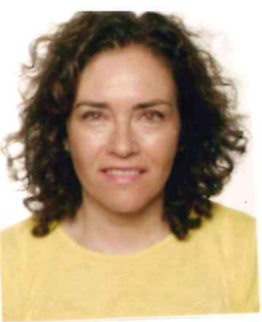
Belén de Andrés Muguruza
Research Scientist
ORCID code: 0000-0002-7391-2823
Graduated in Biology in 1987 and PhD in 1992 from the Autonomous University of Madrid. He completed his doctoral thesis in the laboratory of Dr. Carlos Lahoz in the Immunology department of the Jiménez Díaz Foundation with a pre-doctoral stay at the Institute Curie in Paris, in the laboratory of Dr. Wolf H. Fridman. Subsequently, he completed a two-year postdoctoral stay in the Department of Pathology of the College of Medicine at the University of Iowa, USA, in the laboratory of Dr. Richard G. Lynch. After a year as an Adjunct in the Immunology department of the Jiménez Diaz Foundation, she worked for 2 years with a reinstatement contract from the Ministry of Science in the Immunobiology department of the CNM/ISCIII in the laboratory of Dr. Mª Luisa Gaspar and later with a Ramón y Cajal contract. In 2006 she obtained a position as Staff Senior Scientist.
-
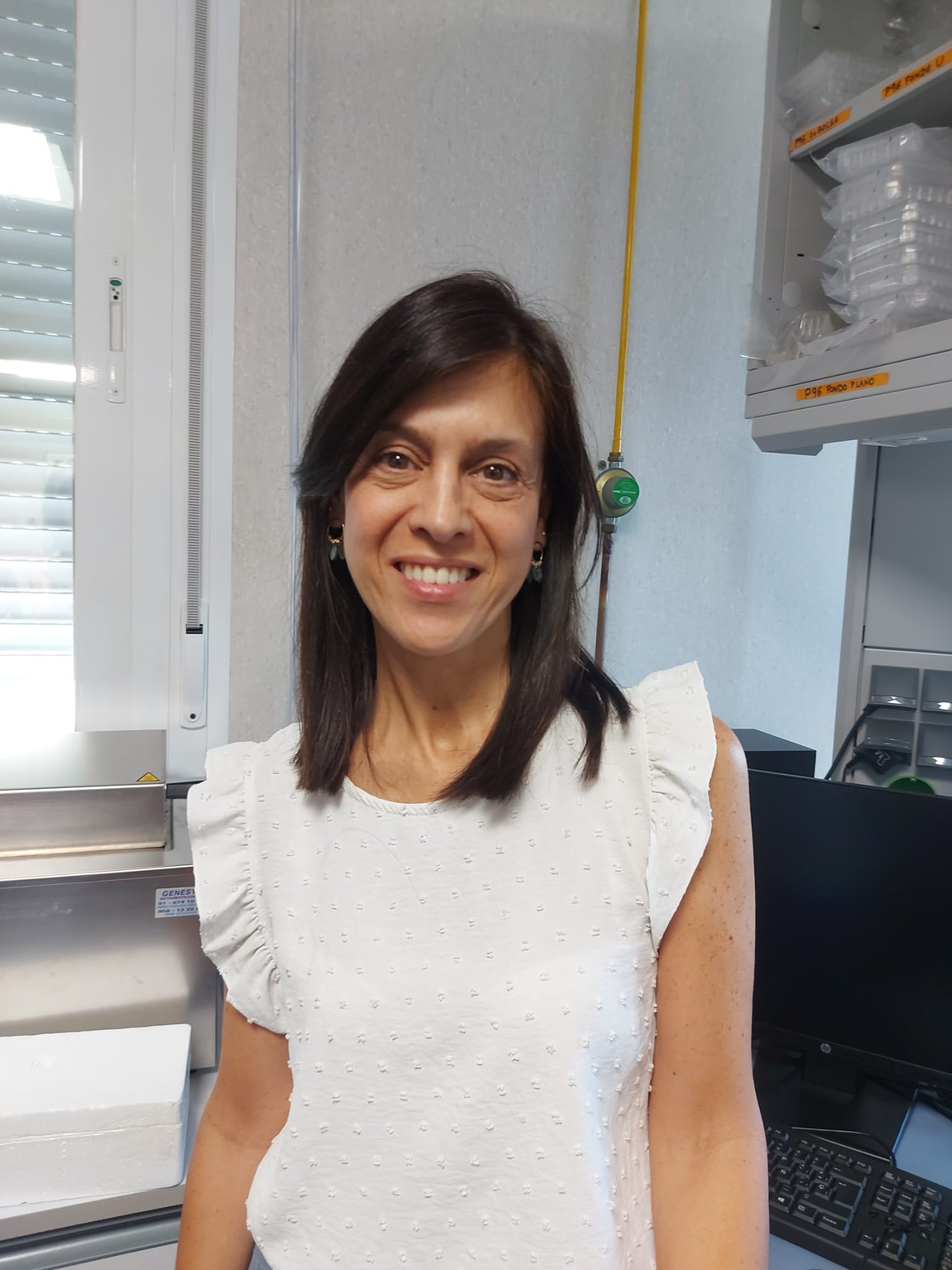
Isabel Cortegano Jimeno
Research Scientist
ORCID code: 0000-0002-6504-6347
Graduated in Biology in 1995 (Specialty in Biochemistry and Molecular Biology) and PhD in 1999 from the Autonomous University of Madrid. He completed his doctoral thesis at the Jiménez Díaz Foundation in the Immunology laboratory directed by Dr. Carlos Lahoz. Later he obtained a postdoctoral fellowship in the Immunobiology laboratory of Dr. Mª Luisa Gaspar at the National Center of Microbiology (CNM) of the Carlos IIII Health Institute (ISCIII) (2002-2006). He then enjoyed an I3P contract from the CSIC in the laboratory of Professor Miguel Ángel Rodríguez-Marcos (2007-2009). She has been a researcher associated with research projects in the ISCIII Immunobiology laboratory during the years 2010-2018. Since 2018 she has been an associate professor in the Department of Cell Biology of the UCM Faculty of Medicine. He coordinates the scientific dissemination group of the Spanish Society of Immunology (GESEI), is part of the editorial committee of the SEI magazine and is a member of the board of the CAM Immunology Society. She is a Senior Scientist of the ISCIII at the National Center for Microbiology since 2020.
-

Carolina Ruiz Sánchez
Specialized Technician
ORCID code: 0000-0002-2177-8132
Graduated in Chemical Sciences (biochemistry specialty) in 1998 and PhD in 2022 from the Complutense University of Madrid. In 2008 he joined the OPIS Assistant in the Immunobiology laboratory of the National Center for Microbiology of the ISCIII, specializing in flow cytometry the first year and subsequently becoming part of the laboratory's technical team. In 2012 he was promoted to Intermediate Level Technician and in 2018 to Higher Specialized Technician of the OPIS, currently occupying this position in the same laboratory.
-

Mercedes Rodríguez García
Specialized Higher Technician
Graduated in Biology from the Complutense University of Madrid in 2003, she began her doctoral studies in the Bone Metabolism laboratory of the La Paz University Hospital.
In 2007 he joined as a Research Assistant at the Carlos III Health Institute, at the CNM, in the Transplant Immunology laboratory. After 5 years, he began working in the Immunobilology laboratory where he was promoted in 2018 to Specialized Technician, in 2024 to Senior Specialized Technician and where he currently continues to develop his professional career. -

Alejandro Arrabal Sierra
Predoctoral Contract (Industrial Doctorate from CAM / Inmunotek).
ORCID code: 0000-0002-9354-9224
Graduated in Biotechnology in 2021 from the Polytechnic University of Madrid, carrying out his final degree project in the Immunobiology laboratory of the National Microbiology Center of the ISCIII. In 2021, he completed a Master's Degree in Research in Immunology at the Complutense University of Madrid and completed his master's thesis in the same CNM laboratory. Subsequently, he worked for a year as a Research Assistant in the laboratory of Dr. Elena Fernández Ruiz at the Hospital Universitario de la Princesa. Since the end of 2023, he has been a predoctoral fellow in the CNM Immunobiology laboratory with an Industrial Doctorate scholarship from the Community of Madrid in collaboration with the company Inmunotek.



List of staff