



We protect your health through science
Investigation
Viral Biology
Research Lines
Content with Investigacion .
The Laboratory of Medical Entomology (LME) develops an intense reference and research activity, focused on the field of disease vectors of interest in Public Health. The LME has an insectary where biological cycles of insect vectors are currently maintained, allowing the performance, among others, of vector competence and xenodiagnostic studies. The LME supports the national health system by offering techniques available in the portfolio of services for the taxonomic identification of arthropods of health interest. In addition, it performs entomological surveillance of outbreaks, supporting Surveillance Plans. In particular, the LME plays a leading role in the Entomological Surveillance Plan for Leishmaniasis in the Community of Madrid. On the other hand, the LME offers scientific advice to the CCAES (Centro de Coordinación de Alertas y Emergencias Sanitarias, Ministerio de Sanidad, Consumo y Bienestar Social), and participates in the elaboration of reports and rapid risk assessments.

The main research lines of the Laboratory of Medical Entomology are:
1. Maintenance of insect vector colonies: phlebotomine sand flies (Phlebotomus perniciosus, Phlebotomus papatasi and Phlebotomus argentipes, vectors of Leishmania infantum, Leishmania major and Leishmania donovani, respectively), Culex and Aedes mosquitoes (vectors of various arboviruses) and Rhodnius prolixus (vector of Trypanosoma cruzi).
2. Biology of disease vectors of public health interest: biology, vector competence, experimental infections. The CNM has a BSL3 safety laboratory to carry out vector competence studies with culicidae and phlebotomine sand flies.
3. Entomological sampling, infectivity of potential reservoirs of leishmaniasis.
4. Insecticides and repellents: evaluation of their efficacy.
5. Characterization of saliva proteins of hematophagous Diptera: genomics, proteomics, biochemistry and gene editing. Study of salivary proteins as markers of bite exposure, virulence factors and/or vaccines.
6. Xenodiagnosis of leishmaniasis.
7. Molecular biology and taxonomy of phlebotomine sand flies. Molecular detection of Leishmania infantum in phlebotomine sand flies and characterization of Leishmania spp. Molecular identification of blood ingested by vectors.
Research projects
Content with Investigacion .
CURRENT PROJECTS
Project title: "Biochemical and functional characterisation of salivary proteins of Phlebotomus perniciosus and their role in infection by Leishmania infantum (PERNIPROT)"Reference: Project PID2023-147773NA-I00 funded by MICIU/AEI/10.13039/501100011033 and by FEDER, EU.
Start date: 01/09/2024
End date: 31/08/2028
Funding: €175,000
Principal investigator: Inés Elena Martín Martín.
Funding agency: Agencia Estatal de Investigación (Proyecto de Generación del Conocimiento 2023).

Project title: "Surveillance of leishmaniasis in the Community of Madrid from a “One Health” perspective: study of the infectious capacity of patients with visceral leishmaniasis and their role as reservoirs"
Reference: PI24CIII/00026
Start date: 01/01/2025
End date: 31/12/2027
Funding: €60,000.00
Principal investigator: Inés Elena Martín Martín.
Co-principal investigator: Maribel Jiménez Alonso
Funding agency: Instituto de Salud Carlos III (Strategic Action in Intramural Health, AESI).
Service Contract: "Analysis for the surveillance of the vector and wild reservoirs that transmit leishmaniasis in the Community of Madrid"
Reference: file no. 17/2024 (A/SER-008455/2024).
Start date: 26/06/2024
End date: 10/12/25, extendable to 2026
Total funding: €171,084
Principal Investigator: Maribel Jiménez Alonso
Funding agency: Service Contract between the Instituto de Salud Carlos III and the Directorate-General for Public Health, Regional Ministry of Health of the Community of Madrid
Project Title: CIBERINFEC Research Group (CB21/13/00110)
Start date: 2021
End date: currently active
Principal Investigator: Dr. Mª Paz Sánchez-Seco, Arbovirus and Imported Viral Diseases Unit.
Researchers from the Medical Entomology Laboratory: Maribel Jiménez (member), Inés Martín Martín (collaborator).
Funding: €108,134. File number: CB21/13/00110.
Funding agency: Consortium Centre for Biomedical Research in NETWORK (CIBER)
PAST PROJECTS
Service Contract: "Evaluation of the anti-leishmania effect of the bacteria Tc1 and its derivatives in the intravectorial cycle"
Reference: ISCIII-06896
Start date: 15/12/2022
End date: 15/04/2025
Funding: €71,265.67
Principal Investigator: Inés Elena Martín Martín
Funding agency: Service Contract between the company GlaxoSmithKline R&D (GSK) and the Instituto de Salud Carlos III
Service Contract: "Analysis for the surveillance of the vector and wild reservoirs that transmit leishmaniasis in the Community of Madrid"
Reference: 59/2020 (A/SER-040739/2020)
Start date: 10/12/2021
End date: 10/12/2023.
Funding: €42,612.17 per year Total 2021-2023: €127,836.51
Principal Investigators: Ricardo Molina /Maribel Jiménez Alonso
Funding agency: Service contract between the Instituto de Salud Carlos III (ISCIII) and the Directorate-General for Public Health, Regional Ministry of Health of the Community of Madrid
Project title: "Research and Integrated Surveillance of Emerging Arboviruses West Nile, Toscana and Dengue in some areas of Spain"
Reference: PI19CIII/00014
Start date: 2020
End date: 2022
Principal Investigator: Ana Vázquez González
Co-Principal Investigator: Ricardo Molina
Funding: €60,000.00
Funding agency: Instituto de Salud Carlos III (Strategic Action in Intramural Health, AESI).
Project title: "Characterisation of the concept of ‘asymptomatic carrier’ in leishmaniasis: implications for treatment".
Start date: 01/01/2015
End date: 31/12/2017
Principal investigators: Javier Moreno and Javier García
Funding: €159,940
Funding agency: Study Agreement between Drugs for Neglected Diseases Initiative (DNDi), the Spanish Foundation for International Cooperation, Health and Social Policy (FCSAI) and Fuenlabrada Hospital. Subcontractor: ISCIII Medical Entomology Unit (Maribel Jiménez and Ricardo Molina).
Project title: "Biology and control of vector-borne infections in Europe (EDENext Collaborative Project): Sandfly-borne diseases".
Reference: Subproject (PBD) (EU, FP7-HEALTH-2010-single-stage, contract No. 261504).
Start date: 2011
End date: 2014
Principal investigator: Ricardo Molina General coordinator: Petr Volf
Funding: €140,000
Funding agency: EU-FP7
Project Title: "Phlebotomus perniciosus saliva as a source in the search for potential targets for the development of vaccines against Leishmania infantum"
Reference: AGL2008-01592/GAN (MICINN)
Start date: 2009
End date: 2011
Principal investigator: Ricardo Molina
Funding: €70,180
Funding agency: Ministry of Science and Innovation
Publications
Acquisition of functions on the outer capsid surface during evolution of double-stranded RNA fungal viruses
Mata C.P., Luque D., Gómez-Blanco J., Rodríguez J.M., González J.M., Suzuki N., Ghabrial S.A., Carrascosa J.L., Trus B.L., Castón J.R. 2017. Acquisition of functions on the outer capsid surface during evolution of double-stranded RNA fungal viruses. PLoS Pathog. 13(12):e1006755.
PUBMED DOIStructural Insights into the Assembly and Regulation of Distinct Viral Capsid Complexes
Sarker S., C. Terrón M., Khandokar Y., Aragão D., Hardy J.M., Radjainia M., Jiménez-Zaragoza M., de Pablo P.J., Coulibaly F., Luque D., Raidal D.R., Forwood J.K. 2016. Structural Insights into the Assembly and Regulation of Distinct Viral Capsid Complexes. Nat. Commun. 7:13014. IF: 12.124; D1.
PUBMED DOIHeterodimers as the structural unit of the T=1 capsid of the fungal dsRNA Rosellinia necatrix quadrivirus 1
Luque D., Mata C.P., González-Camacho F., González J.M., Gómez-Blanco J., Alfonso C., Rivas G., Havens W.M., Kanematsu S., Suzuki N., Ghabrial S.A., Trus B.L., Castón J.R. 2016. Heterodimers as the structural unit of the T=1 capsid of the fungal dsRNA Rosellinia necatrix quadrivirus 1. J Virol. 90(24):11220-11230. IF: 4.666, Q1.
PUBMED DOISelf-assembly and characterization of small and monodisperse dye nanospheres in a protein cage
Luque D., de la Escosura A., Snijder J., Brasch M., Burnley R.J, Koay M.S.T., Carrascosa J.L., Wuite G.J.L., Roos W.H., Heck A.J.R., J.J.L.M Cornelissen, Torres T., Castón J.R. 2014. Self-assembly and characterization of small and monodisperse dye nanospheres in a protein cage. Chem. Sci.,5, 575-581. IF: 9.211, D1.
DOICryo-EM near-atomic structure of a dsRNA fungal virus shows ancient structural motifs preserved in the dsRNA viral lineage.
Luque D., Gómez-Blanco J., Garriga D., Brilot A.F., González J.M., Havens W.M., Carrascosa J.L., Trus B.L., Verdaguer N., Ghabrial S.A., Castón J.R. 2014. Cryo-EM near-atomic structure of a dsRNA fungal virus shows ancient structural motifs preserved in the dsRNA viral lineage. Proc Natl Acad Sci U S A 111(21):7641-7646. IF: 9.674, D1
PUBMED DOINew insights into rotavirus entry machinery: stabilization of rotavirus spike conformation is independent of trypsin cleavage
Rodríguez J.M., Chichón F.J., Martín-Forero E., González-Camacho F., Carrascosa J.L., Castón J.R., Luque D*. 2014. New insights into rotavirus entry machinery: stabilization of rotavirus spike conformation is independent of trypsin cleavage. PLoS Pathog. 10(5):e1004157. IF: 7.562, D1. * Corresponding autor.
PUBMED DOIEfficacy and safety assessment of a TRAF6-targeted nanoimmunotherapy in atherosclerotic mice and non-human primates.
3. Lameijer M, Binderup T, van Leent M, Senders M, Fay F. Seijkens T, Kroon J, Stroes E, Kjaer A, Ochando J, Reiner T, Pérez-Medina C, Calcagno C, Fischer E, Zhang B, Temel R, Swirski F, Nahrendorf M, Fayad Z, Lutgens E, Mulder W and Duivenvoorden R. Efficacy and safety assessment of a TRAF6-targeted nanoimmunotherapy in atherosclerotic mice and non-human primates. Nature Biomedical Engineering. 2018. 2: 279–292.
PUBMED DOINeutrophil derived CSF1 induces macrophage polarization and promotes transplantation tolerance.
4. Braza MS, Conde P, Garcia MR, Cortegano I, Brahmachary M, Pothula V, Fay F, Boros P, Werner SW, Ginhoux F, Mulder WJ, and Ochando J. Neutrophil derived CSF1 induces macrophage polarization and promotes transplantation tolerance. Am J Transplant. 2018.
PUBMED DOIContent with Investigacion .
-
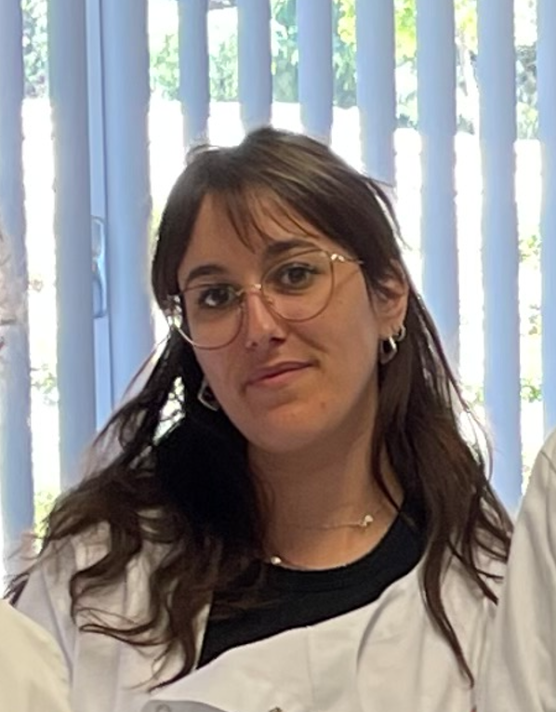
Aída Úbeda Trillo
Técnico de Laboratorio
Técnico superior en laboratorio de diagnóstico clínico en 2019. Lleva vinculada a la Unidad de Neumococos desde 2023 como técnico de laboratorio contratada. Anteriormente estuvo contratada en el Servicio de Microbiología y Urgencias del Hospital Infanta Sofía de Madrid.
-
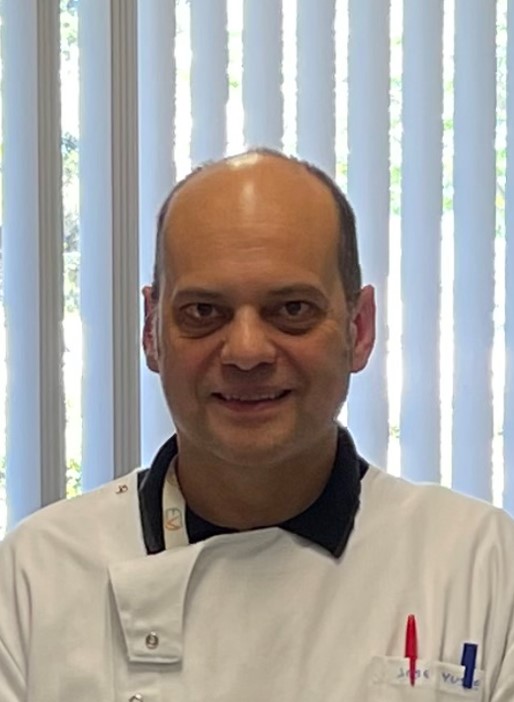
José Enrique Yuste Lobo
Científico Titular
ORCID code: 0000-0001-7996-0837
Licenciado en Farmacia en 1998 y Doctor en 2002 por la Universidad Complutense de Madrid. Realizó su tesis doctoral en el laboratorio de neumococos del Centro Nacional de Microbiología del ISCIII. Posteriormente trabajó durante 5 años en Londres, primero como Investigador Asociado en el Centre for Molecular Microbiology and Infection Biology de Imperial College hasta 2003 y luego en el Centre for Respiratory Research de University College hasta 2007. Tras esta etapa posdoctoral en Reino Unido, trabajó durante 3 años como Investigador Senior en el Centro de Investigaciones Biológicas del CSIC hasta 2010. Desde entonces trabaja como Científico Titular en la Unidad de Neumococos del CNM-ISCIII, siendo el responsable científico del laboratorio desde el año 2016. Es investigador principal del grupo CIBER de Enfermedades Respiratorias (CIBERES) CB06/06/0003 (https://www.ciberes.org/grupos/grupo-de-investigacion?id=18143)
-
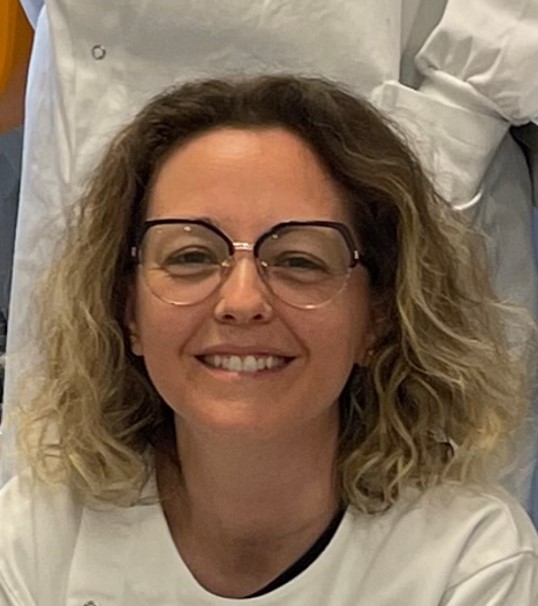
Mirian Domenech Luchas
Investigadora posdoctoral
ORCID code: 0000-0002-0942-8180
Licenciada en Ciencias Biológicas en 2005 y Doctora en 2012 por la Universidad Complutense de Madrid. Realizó su tesis doctoral en el Centro de Investigaciones Biológicas del CSIC bajo la dirección del Profesor Ernesto García y la Dra. Miriam Moscoso caracterizando el biofilm neumocócico y estudiando distintos antimicrobianos para prevenir y tratar las infecciones producidas por neumococo y otros patógenos. Posteriormente ha trabajado como investigadora junior para el CIBER de Enfermedades Respiratorias y para la empresa Investigación y Proyectos Microbiológicos realizando estudios sobre biofilms de patógenos respiratorios. A finales del 2018 se incorporó a la Unidad de Neumococos del Centro Nacional Microbiología del ISCIII, donde participa en las distintas labores de investigación y referencia de la Unidad y es profesora ayudante Doctor de la Facultad de Biología de la Universidad Complutense de Madrid.
-
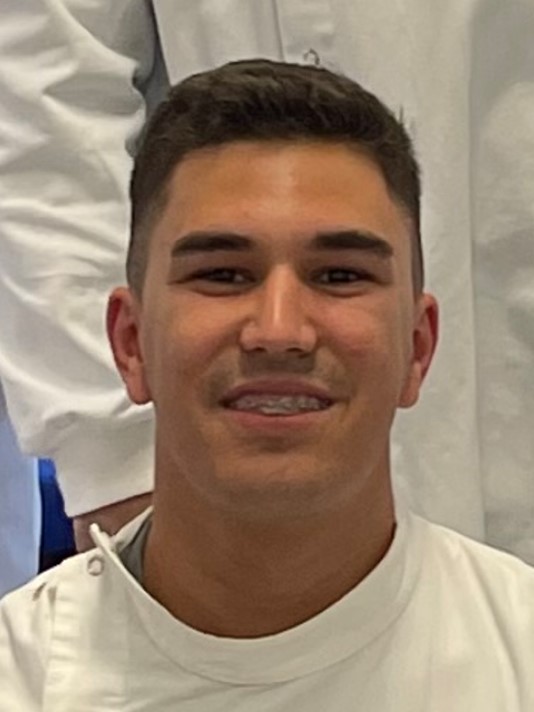
Julio Sempere García
Investigador Posdoctoral
ORCID code: 0000-0001-9340-6867
Graduado en Bioquímica por la Universidad Complutense de Madrid, donde posteriormente cursó estudios de Máster en Microbiología y Parasitología. Actualmente realiza el programa de doctorado en Microbiología y Parasitología. Lleva asociado a la Unidad de Neumococos desde 2017, donde realizó las prácticas extracurriculares de grado y posteriormente realizó su trabajo de fin de grado (2018) y trabajo de fin de máster (2019). En 2022 obtuvo el grado de Doctor y actualmente investiga biofilms de bacterias Gram positivas, la matriz de estos y cómo interaccionan con el sistema inmune. También trabaja en la interacción de diferentes cápsulas de Streptococcus pneumoniae con el sistema inmune y patogénesis de serotipos emergentes incluidos en las futuras vacunas antineumocócicas.
-
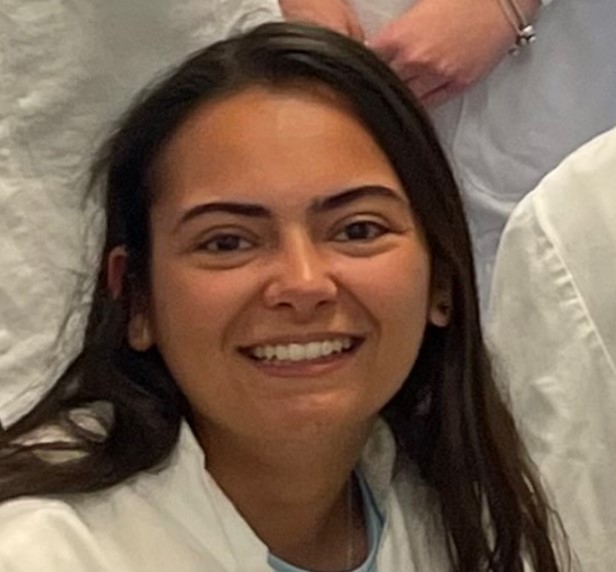
Covadonga Pérez García
Contratada predoctoral FPU
ORCID code: 0000-0002-5295-6480
Graduada en Biología por la Universidad Complutense de Madrid, donde posteriormente cursó estudios de Máster en Microbiología y Parasitología. Lleva vinculada a la Unidad de Neumococos desde 2019, donde realizó las prácticas extracurriculares de grado y posteriormente realizó su trabajo de fin de grado (2020) y trabajo de fin de máster (2021). En 2022 obtuvo beca predoctoral del programa FPU y actualmente investiga mecanismos de patogenicidad y protección de serotipos emergentes de neumococo.
-

Erick Joan Vidal Alcántara
Ayudante de Investigación
ORCID code: 0000-0001-8946-3754
Graduado en Biología por la Universidad Complutense de Madrid, y posteriormente cursó estudios de Máster en Microbiología aplicada a salud pública e investigación en enfermedades infecciosas por la Universidad de Alcalá de Henares. Lleva vinculado a la Unidad de Neumococos desde 2022 como ayudante de investigación y es personal de plantilla.
-
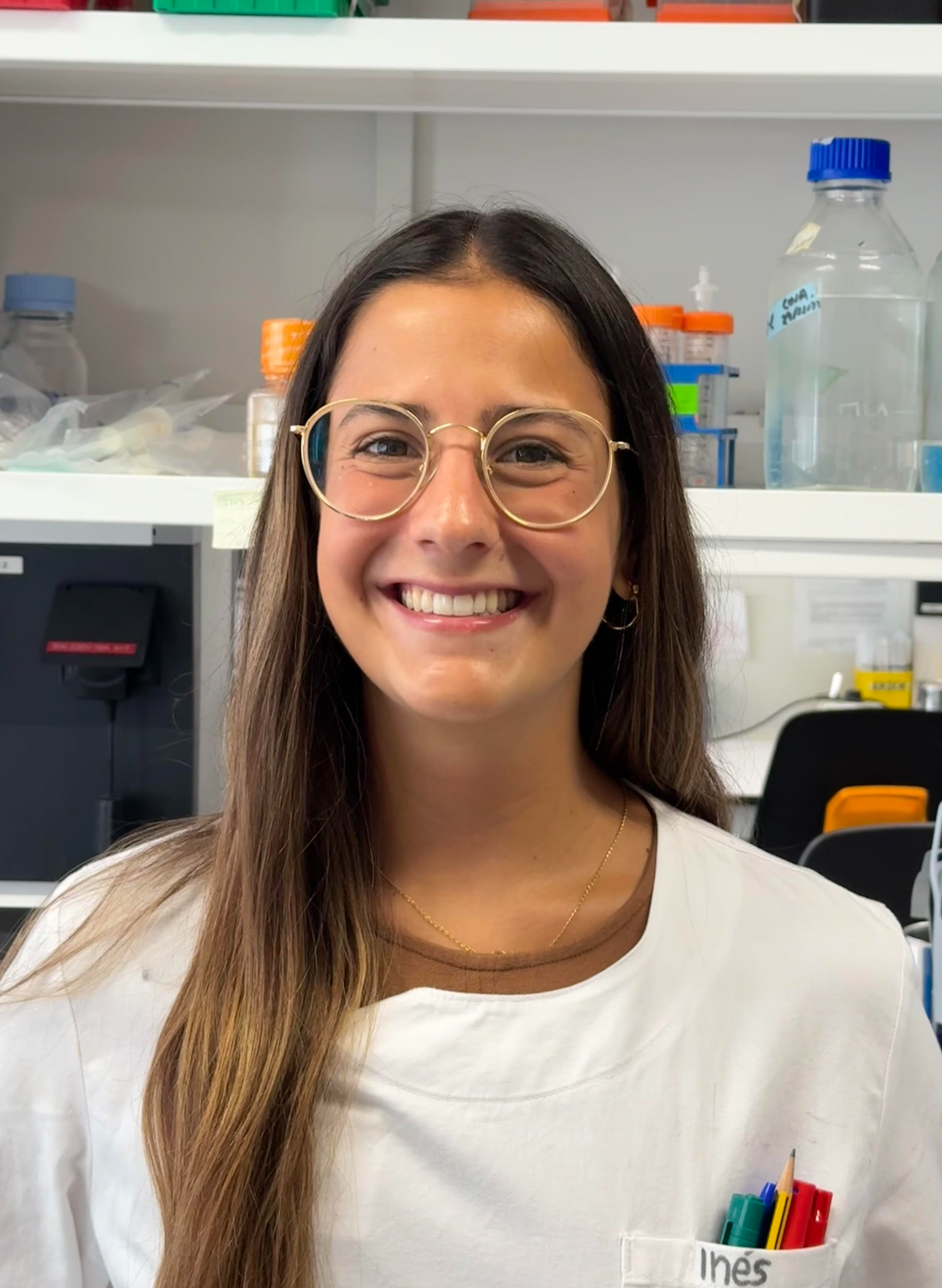
Inés Pareja Cerbán
Estudiante predoctoral CIBERES
ORCID code: 0009-0006-8015-7367
Graduada en Bioquímica por la Universidad de Málaga. Es contratada predoctoral del CIBER de Enfermedades Respiratorias (CIBERES) y en nuestro grupo está realizando su Tesis Doctoral en la caracterización de factores de virulencia de aislados prevalentes así como en el estudio y caracterización de nuevos antimicrobianos frente a bacterias respiratorias.
-

Mirella Llamosí Fornés
Contratada predoctoral
ORCID code: 0000-0002-4369-9558
Graduada en Biología por la Universidad Complutense de Madrid, donde posteriormente cursó estudios de Máster en Microbiología y Parasitología. Está realizando su Tesis Doctoral en el campo de la resistencia antibiótica así como en la búsqueda y caracterización de nuevos antimicrobianos con especial interés en lograr compuestos activos frente a infecciones producidas por biofilms.


List of staff
Additional Information
The research activity of the Viral Biology group since its beginnings in the 1980s has focused on respiratory viruses, especially on the study of the mechanisms of virus entry into the cell, evolutionary aspects, antigenic properties and vaccine development.
Currently, the group's objectives are focused on the characterisation of the immune response and the development of vaccines against human pneumoviruses: human respiratory syncytial virus (hRSV) and human metapneumovirus (hMPV).
Both viruses are considered to be important respiratory pathogens of high clinical relevance, especially in the paediatric population.
Safe and effective vaccines against these viruses are currently not available. Soluble protein subunits based on the fusion protein (F-protein) of hRSV and hMPV are being developed in the laboratory by protein engineering for use as vaccines against human pneumoviruses.
On the other hand, and thanks to the characterisation of the type of humoral response induced by the F proteins of these viruses, the laboratory is also involved in the isolation of monoclonal antibodies and nanoantibodies for use as treatments against these viruses.
The research activity of the Viral Biology group since its beginnings in the 1980s has focused on respiratory viruses, especially on the study of the mechanisms of virus entry into the cell, evolutionary aspects, antigenic properties and vaccine development.
Currently, the group's objectives are focused on the characterisation of the immune response and the development of vaccines against human pneumoviruses: human respiratory syncytial virus (hRSV) and human metapneumovirus (hMPV).
Both viruses are considered to be important respiratory pathogens of high clinical relevance, especially in the paediatric population.
Safe and effective vaccines against these viruses are currently not available. Soluble protein subunits based on the fusion protein (F-protein) of hRSV and hMPV are being developed in the laboratory by protein engineering for use as vaccines against human pneumoviruses.
On the other hand, and thanks to the characterisation of the type of humoral response induced by the F proteins of these viruses, the laboratory is also involved in the isolation of monoclonal antibodies and nanoantibodies for use as treatments against these viruses.