



We protect your health through science
Investigation
Viral Biology
Research Lines
Content with Investigacion .
Inmunología Microbiana e Inmunogenética
1. Análisis de la respuesta innata de mamíferos en la infección por Leishmania.
2. Caracterización inmunoproteómica en :
a. Streptococcus suis
b. Lactococcus garviae
c. Mycobacterium spp
3. Desarrollo de inmunoensayos analíticos basados en anticuerpos monoclonales (AcM) para detectar y cuantificar antígenos de origen animal, vegetal y microbiano.
4. Desarrollo y caracterización de AcM frente a los componentes del sistema del Complemento. Aplicación diagnóstica.
5. Desarrollo de reactivos de referencia y diseño de inmunoensayos para la evaluación cualitativa y cuantitativa de toxinas clostridiales.
6. Oferta tecnológica de producción de AcM y policlonales frente a substancias de interés industrial y biomédico.
El grupo está interesado en el estudio de la respuesta inmune desde una perspectiva multidisciplinar que incluye aproximaciones bioquímicas, biotecnológicas, genómicas, inmunoinformáticas y proteómicas, que junto con el uso adicional de modelos in vivo se encaminan al diseño de estrategias terapéuticas frente a diversas enfermedades crónicas, infecciosas y raras que poseen un claro componente inmunológico en su etiología.
Las principales líneas de investigación que está desarrollando el grupo en la actualidad son:
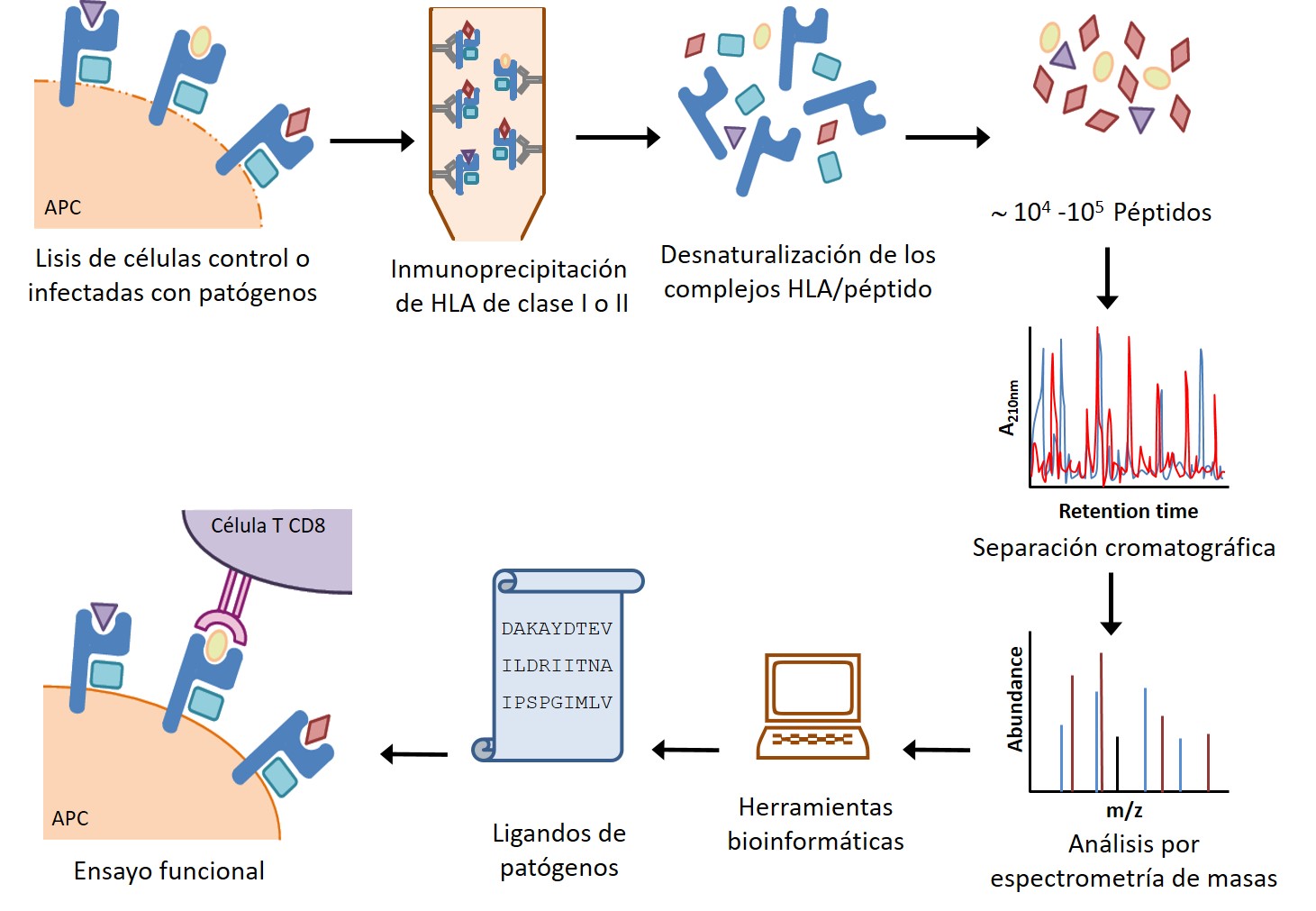
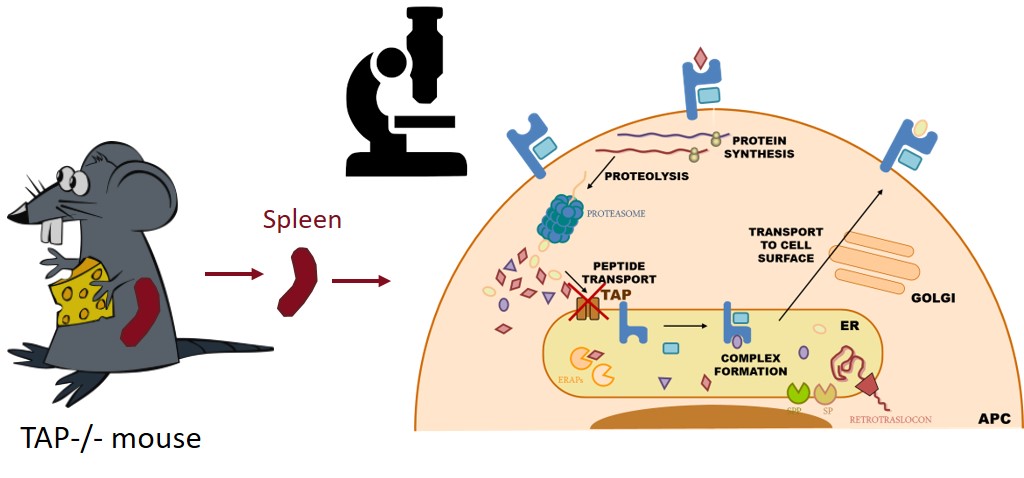
- * Análisis de las respuestas inmunes celulares frente a patógenos virales y bacterianos, mediante técnicas inmunoproteómicas, modelos in vivo con animales transgénicos y muestras humanas.
- * Caracterización de CD69: regulación génica, función reguladora inmune en homeostasis e infección y su uso como diana terapéutica, edición génica por CRISPR en modelos animales y celulares, etc.

* Desarrollo de herramientas inmunoinformáticas que permitan analizar la respuesta inmune celular frente a diversos virus de interés sanitario y determinar la eficacia de sus vacunas a nivel de población mundial.

* Estudio de las respuestas inmunes celulares frente a enfermedades raras (artritis reactiva y síndrome del linfocito desnudo) y crónicas (espondiloartropatías).
* Inclusión de componentes del sistema inmune en la fabricación de tejidos humanos, especialmente piel, para uso clínico, farmacéutico y cosmético.
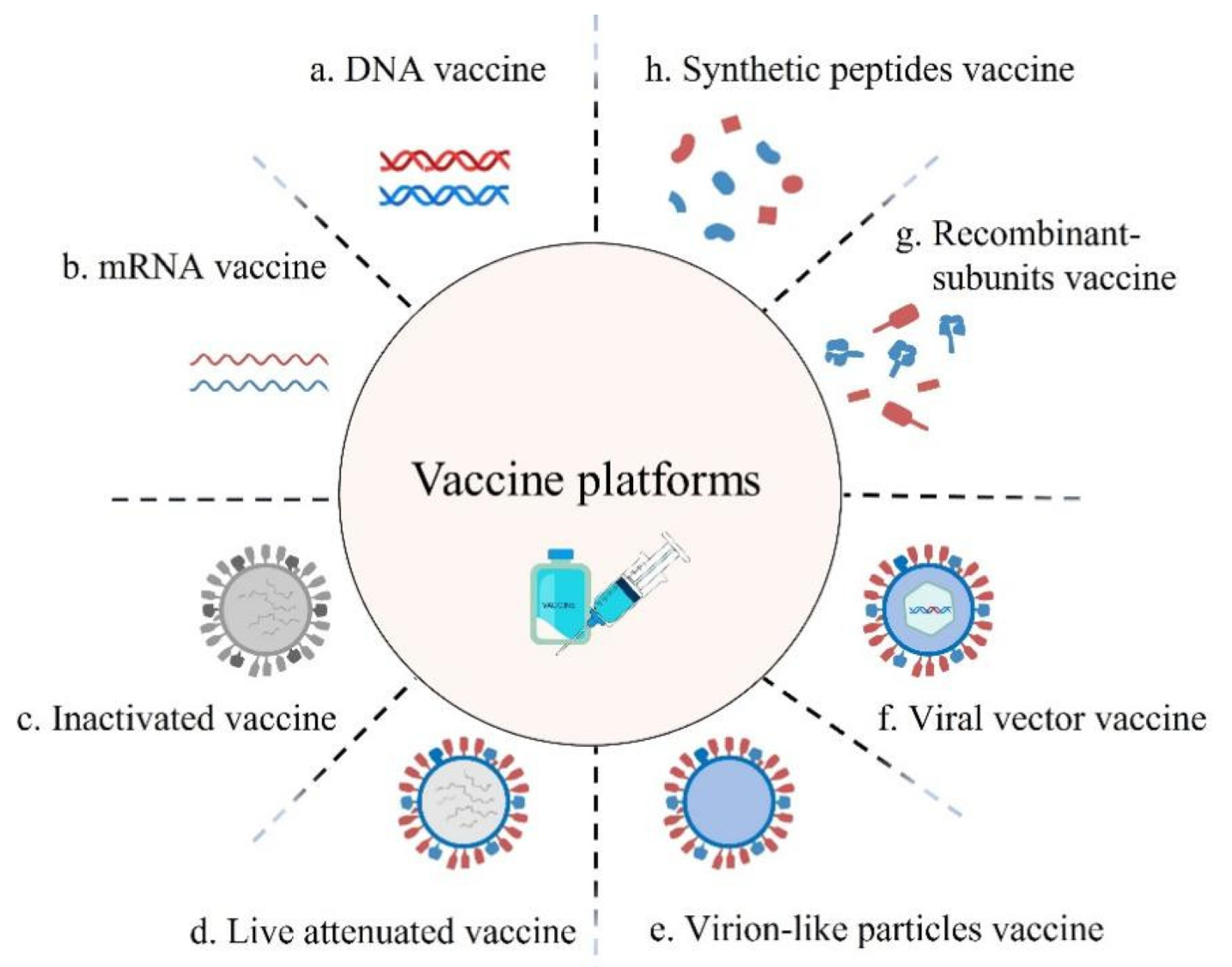
- * Generación de virus recombinantes como vectores vacunales.
Research projects
Content with Investigacion .
Los proyectos del grupo de los últimos años son los siguientes:
Proyecto “La interrelación de CD69 y el procesamiento antigénico en enfermedades infecciosas y autoinmunes" financiado por la Acción Estratégica en Salud del Ministerio de Ciencia, Innovación y Universidades. Año: 2023-2025.
Proyecto “Interacciones génicas y proteicas de CD69 y sus regiones génicas reguladoras con moléculas" financiado por la AEI. Año: 2022-2024.

Proyecto “Nuevas tecnologías de fabricación y optimización de tejidos: la piel como sistema modelo” financiado por el Programa de Actividades de I+D entre grupos de investigación de la Comunidad de Madrid en tecnologías 2018. Año: 2020-2023. Proyecto Coordinado por el Dr. Pablo Acedo de la Universidad Carlos III.
Proyecto “Estudio de CD69 como diana para mejorar el tratamiento de la leucopania y la movilización de células T de memoria de médula ósea" financiado por la Acción Estratégica en Salud del Ministerio de Ciencia, Innovación y Universidades. Año:2020-2024.
Proyecto “Diseño racional de una vacuna contra el virus respiratorio sincitial humano” financiado por la Acción Estratégica en Salud del Ministerio de Ciencia, Innovación y Universidades. Año: 2019-2022
Proyecto “Función de CD69 y sus elementos reguladores" financiado por la Acción Estratégica en Salud del Ministerio de Ciencia, Innovación y Universidades. Año: 2017-2022.
Proyecto “Diseño de vacunas recombinantes poliepitópicas para generar respuestas CD8+ contra virus emergentes” financiado por el Plan Nacional de I+D+i del Ministerio de Economía y Competitividad. Año: 2015-2017.
Proyecto “Análisis de los efectos de CD69 dependientes de S1P1 en modelos de infección e inflamación y estudio de su regulación” financiado por el FIS. Año: 2014-2017.
Proyecto “ADELVAC: Adenovirus con delecciones epitópicas para vacunación” financiado por el programa INNPACTO del Ministerio de Economía y Competitividad. Centro Nacional de Microbiología, Instituto de Salud Carlos III. Año: 2012-2014. Proyecto Coordinado por el Dr. Manel Cascallo de VCN BIOSCIENCES SL.
Proyecto “Diseño de vacunas multiepitópicas recombinantes para aumentar la respuesta inmune celular contra el VRSH” financiado por el Plan Nacional de I+D+i del Ministerio de Ciencia e Innovación. Año: 2012-2014.
Publications
Epidemiology and predictive factors for early and late mortality in Candida bloodstream infections: a population-based surveillance in Spain
11: Puig-Asensio M, Padilla B, Garnacho-Montero J, Zaragoza O, Aguado JM, Zaragoza R, Montejo M, Muñoz P, Ruiz-Camps I, Cuenca-Estrella M, Almirante B; CANDIPOP Project; GEIH-GEMICOMED (SEIMC); REIPI. Epidemiology and predictive factors for early and late mortality in Candida bloodstream infections: a population-based surveillance in Spain. Clin Microbiol Infect. 2014 Apr;20(4):O245-54.
PUBMED DOIB Pérez de Val, B Romero, MT Tórtola, L Herrera-León, P Pozo, I Mercader, JL Sáez, M Domingo, E Vidal. Poly-resistant Mycobacterium bovis infection in a human and sympatric sheep, Spain, 2017-2018
B Pérez de Val, B Romero, MT Tórtola, L Herrera-León, P Pozo, I Mercader, JL Sáez, M Domingo, E Vidal. Poly-resistant Mycobacterium bovis infection in a human and sympatric sheep, Spain, 2017-2018. Emerg Infect Dis. 2021 Apr;27(4):1241-1243. doi: 10.3201/eid2704.204467. PMID: 33755008.
DOIL Bernal-Martínez; L Herrera-Leon; C Valero; P de la Cruz; L Ghimpu; AC Mesa-Arango; G Santoni; L Goterris; R Millán; MJ Buitrago. Differential Diagnosis of Fungal Pneumonias vs.Tuberculosis in AIDS Patients by Using Two New Molecular Methods.
L Bernal-Martínez; L Herrera-Leon; C Valero; P de la Cruz; L Ghimpu; AC Mesa-Arango; G Santoni; L Goterris; R Millán; MJ Buitrago. Differential Diagnosis of Fungal Pneumonias vs.Tuberculosis in AIDS Patients by Using Two New Molecular Methods. J. Fungi 2021, 7, 336. doi.org: 10.3390/jof7050336. PMID: 33925404.
DOIE Tagliani, RAnthony, TA Kohl, A de Neeling, V Nikolayevskyy, C Ködmön, FP Maurer, S Niemann, D van Soolingen, MJ van der Werf, D Cirillo, ECDC molecular surveillance project participants. Use of a whole genome sequencing-based approach for Mycobacterium tuberculosis surveillance in Europe in 2017-2019: an ECDC pilot study
E Tagliani, RAnthony, TA Kohl, A de Neeling, V Nikolayevskyy, C Ködmön, FP Maurer, S Niemann, D van Soolingen, MJ van der Werf, D Cirillo, ECDC molecular surveillance project participants. Use of a whole genome sequencing-based approach for Mycobacterium tuberculosis surveillance in Europe in 2017-2019: an ECDC pilot study. Eur Respir J. 2021 Jan 5;57(1):2002272. doi: 10.1183/13993003.02272-2020. Print 2021 Jan. PMID: 32732329.
DOIMJ Iglesias, D Ibarz, A Cebollada, J Comín, MS Jiménez, MC Vázquez, S Samper, Spanish Working Group on MDRTB. The value of the continuous genotyping of multidrug resistant tuberculosis over 20 years in Spain.
MJ Iglesias, D Ibarz, A Cebollada, J Comín, MS Jiménez, MC Vázquez, S Samper, Spanish Working Group on MDRTB. The value of the continuous genotyping of multidrug resistant tuberculosis over 20 years in Spain. Sci Rep. 2020 Nov 24;10(1):20433. doi: 10.1038/s41598-020-77249-x. PMID: 33235225.
DOIS Campos-Gutierrez, MJ Ramos-Real, R Abreu, MS Jimenez, M Lecuona. Pseudo-ourbreak of Mycobacterium fortuitum, in a hospital bronchoscopy unit.
S Campos-Gutierrez, MJ Ramos-Real, R Abreu, MS Jimenez, M Lecuona. Pseudo-ourbreak of Mycobacterium fortuitum, in a hospital bronchoscopy unit. Am J Infect Control. 2020 Jul;48(7):765-769. doi: 10.1016/j.ajic.2019.11.019. Epub 2019 Dec 24. PMID: 31882175.
DOIGascha , Y Meijeb, M Espasac, B Fonta, MS Jiménez, N Fernández-Hidalgo. Disseminated Infection Due to Mycobacterium chimaera After Aortic Valve Replacement.
Gascha , Y Meijeb, M Espasac, B Fonta, MS Jiménez, N Fernández-Hidalgo. Disseminated Infection Due to Mycobacterium chimaera After Aortic Valve Replacement. Revista Española de cardiología. 2019. Vol 72 (6):502-503. DOI: 10.1016/j.rec.2018.06.026. PMID: 30029979
DOIPBMCs gene expression signature of advanced cirrhosis with high risk for clinically significant portal hypertension in HIV/HCV coinfected patients: A cross-control study
2. Salgüero S, Brochado-Kith O, Virseda Verdices A, Berenguer J, González-García J, Martínez I, Díez C, Hontañón V, Pérez-Latorre L, Fernández-Rodríguez A (‡), Jiménez-Sousa MA (‡,*), and Resino S (‡, *). PBMCs gene expression signature of advanced cirrhosis with high risk for clinically significant portal hypertension in HIV/HCV coinfected patients: A cross-control study. Biomed Pharmacother 2023, 159:114220. (A; FI= 7.42; D1, Pharmacology & Pharmacy; JCR 2021). PMID: 36628818. DOI: 10.1016/j.biopha.2023.114220.
PUBMEDContent with Investigacion .
-
-
Leticia Bernal Martínez
Staff Scientist
ORCID code: 0000-0002-1694-5522
Dr. Bernal-Martínez obtained her degree in Biochemistry from the University of Zaragoza in 2005. She joined the Mycology Reference and Research Laboratory (LRIM) in 2006 under a trainee contract and completed her PhD within the Official Doctoral Program in Microbiology and Parasitology at the Complutense University of Madrid, defending her thesis in 2010 with highest honors (Cum Laude). In 2007, she continued her research activity at LRIM within the framework of the Spanish Network for Research in Infectious Diseases (REIPI). In 2016, she completed a Postgraduate Diploma in Promotion and Management of International Projects (Technical University of Madrid) and undertook a research stay at the Microbiology and Infection Research Domain, Life and Health Sciences Research Institute (ICVS), School of Health Sciences, University of Minho (Braga, Portugal). She was subsequently appointed as a PhD researcher within the Biomedical Research Networking Center in Infectious Diseases (CIBERINFEC). Since 2024, she serves as Specialist Scientist at the Carlos III Health Institute (ISCIII) and is responsible for the Diagnostic and Serology Section for Endemic Fungi at the Mycology Reference and Research Laboratory.
Dr. Bernal-Martínez has authored more than 30 peer-reviewed scientific publications and two book chapters. She has actively participated in over 12 research projects and has presented her work at numerous national and international scientific conferences. Her research has focused on human fungal infections, antifungal resistance, therapeutic drug monitoring, genetic variants associated with antifungal metabolism, and the identification of predictive biomarkers of invasive fungal infections. However, her primary expertise lies in the diagnostic field, particularly in the design, optimization, and validation of real-time PCR–based methodologies.
She is currently Principal Investigator of a research project aimed at improving current diagnostic techniques for invasive fungal infections, evaluating emerging diagnostic technologies, and studying primary fungal pathogens. A substantial part of her work has been transferred to the Spanish National Health System and to research centers in Latin America. Many of the diagnostic methodologies developed have been incorporated into the official service portfolio of ISCIII. She has collaborated with multiple hospitals through research projects and clinical trials applying these technologies, as well as with the ISCIII spin-off company Micomol S.L.
Dr. Bernal-Martínez has supervised several Master’s and Undergraduate Final Degree Projects from students at the Complutense University of Madrid and the University of Alcalá. She is a member of the teaching staff of the UNED-ISCIII PhD Program in Biomedical Sciences and Public Health and serves as lecturer in the Master’s Program in Public Health and Research in Infectious Diseases at the University of Alcalá. -

Laura Alcázar Fuoli
Research Scientist
Graduated in Biochemistry from the Autonomous University of Madrid and PhD in Biology from the Complutense University of Madrid in 2006. She completed her doctoral thesis at the National Center of Microbiology (CNM) under the direction of Dr. Emilia Mellado, in the study of the synthesis of Ergosterol in Aspergillus fumigatus. In 2012 Laura joined the reference laboratory in mycology with a researcher contract for the “Miguel Servet” program after having worked for three years as an associate researcher at Imperial College London. During that period his research focused on host adaptation mechanisms and virulence factors of A. fumigatus. In 2014 he obtained the position of Senior Scientist of Public Research Organizations carrying out his research work at the CNM.

List of staff
Additional Information
The research activity of the Viral Biology group since its beginnings in the 1980s has focused on respiratory viruses, especially on the study of the mechanisms of virus entry into the cell, evolutionary aspects, antigenic properties and vaccine development.
Currently, the group's objectives are focused on the characterisation of the immune response and the development of vaccines against human pneumoviruses: human respiratory syncytial virus (hRSV) and human metapneumovirus (hMPV).
Both viruses are considered to be important respiratory pathogens of high clinical relevance, especially in the paediatric population.
Safe and effective vaccines against these viruses are currently not available. Soluble protein subunits based on the fusion protein (F-protein) of hRSV and hMPV are being developed in the laboratory by protein engineering for use as vaccines against human pneumoviruses.
On the other hand, and thanks to the characterisation of the type of humoral response induced by the F proteins of these viruses, the laboratory is also involved in the isolation of monoclonal antibodies and nanoantibodies for use as treatments against these viruses.
The research activity of the Viral Biology group since its beginnings in the 1980s has focused on respiratory viruses, especially on the study of the mechanisms of virus entry into the cell, evolutionary aspects, antigenic properties and vaccine development.
Currently, the group's objectives are focused on the characterisation of the immune response and the development of vaccines against human pneumoviruses: human respiratory syncytial virus (hRSV) and human metapneumovirus (hMPV).
Both viruses are considered to be important respiratory pathogens of high clinical relevance, especially in the paediatric population.
Safe and effective vaccines against these viruses are currently not available. Soluble protein subunits based on the fusion protein (F-protein) of hRSV and hMPV are being developed in the laboratory by protein engineering for use as vaccines against human pneumoviruses.
On the other hand, and thanks to the characterisation of the type of humoral response induced by the F proteins of these viruses, the laboratory is also involved in the isolation of monoclonal antibodies and nanoantibodies for use as treatments against these viruses.