



Protegemos tu salud a través de la Ciencia

Investigación
Inmunología Celular
Líneas de investigación
Contenidos con Investigacion .
Las líneas de investigación actuales del grupo de Helmintos giran en torno a los siguientes temas:
Innovación de técnicas diagnósticas en helmintosis humanas (autóctonas / importadas / olvidadas)
Está línea de investigación está enfocada al desarrollo de TDSP y técnicas multianalito para su aplicación en enfoques diagnósticos integrales. Estas técnicas permiten la evaluación simultánea de múltiples biomarcadores, proporcionando una visión más completa y precisa del estado de salud de un paciente. Además, el trabajo incluye la incorporación de candidatos diagnósticos noveles, es decir, nuevos biomarcadores o moléculas que podrían ser útiles para la detección precoz o el seguimiento de enfermedades. Este enfoque busca mejorar tanto la precisión como la rapidez en el diagnóstico clínico.
Búsqueda de candidatos vacunales para helmintosis olvidadas por aproximaciones ómicas.
Esta línea de investigación se centra en encontrar candidatos vacunales para las helmintosis olvidadas mediante el uso de aproximaciones ómicas, como la genómica y proteómica empleando ensayos experimentales “in vitro” e “in vivo”. El enfoque ómico permite un análisis integral de los parásitos, ayudando a descubrir proteínas, antígenos y otros biomoléculas que desempeñan un papel fundamental en la infección y supervivencia del helminto dentro del hospedador. Estas biomoléculas pueden ser seleccionadas como candidatos para vacunas que podrían inducir una respuesta inmunitaria eficaz, bloqueando la capacidad del parásito para establecer infecciones o disminuir su impacto en los seres humanos. El objetivo final es mejorar el control de estas enfermedades desatendidas, proporcionando nuevas estrategias más efectivas que los tratamientos actuales..
Estudio de la inmunobiología de la interacción parásito-hospedador en helmintosis desde una perspectiva proteómica e inmunológica.
Estudiar la interacción entre los helmintos y sus hospedadores desde una perspectiva proteómica e inmunológica nos ayuda a entender los mecanismos moleculares que utilizan los parásitos para evadir o suprimir la respuesta inmunitaria del hospedador. El conocimiento generado en esta línea de trabajo no solo ayudará a entender mejor las complejas interacciones biológicas entre parásitos y hospedadores, sino que también puede proporcionar información clave para el desarrollo de nuevas terapias inmunológicas o vacunas contra las helmintosis, al identificar posibles blancos terapéuticos o mecanismos de defensa que puedan ser potenciados para combatir la infección.
Investigación de nuevas alternativas terapéuticas para enfermedades autoinmunes a partir de moléculas de helmintos.
Dado que los helmintos han desarrollado mecanismos sofisticados para modular el sistema inmunológico del hospedador y evitar ser eliminados, las moléculas que secretan pueden tener propiedades inmunomoduladoras. Estas moléculas podrían ser aprovechadas para tratar enfermedades autoinmunes, donde el sistema inmune ataca al propio cuerpo. El estudio se enfoca en identificar y caracterizar estas moléculas helmínticas con potencial terapéutico, investigando su capacidad para regular las respuestas inmunes y restaurar el equilibrio inmunológico en condiciones autoinmunes. El objetivo es desarrollar tratamientos innovadores que utilicen estos compuestos naturales para reducir la inflamación y el daño tisular en enfermedades como la artritis reumatoide, esclerosis múltiple o lupus, ofreciendo nuevas opciones más seguras y efectivas para los pacientes.

Publicaciones destacadas
Cryo-EM near-atomic structure of a dsRNA fungal virus shows ancient structural motifs preserved in the dsRNA viral lineage.
Luque D., Gómez-Blanco J., Garriga D., Brilot A.F., González J.M., Havens W.M., Carrascosa J.L., Trus B.L., Verdaguer N., Ghabrial S.A., Castón J.R. 2014. Cryo-EM near-atomic structure of a dsRNA fungal virus shows ancient structural motifs preserved in the dsRNA viral lineage. Proc Natl Acad Sci U S A 111(21):7641-7646. IF: 9.674, D1
PUBMED DOINew insights into rotavirus entry machinery: stabilization of rotavirus spike conformation is independent of trypsin cleavage
Rodríguez J.M., Chichón F.J., Martín-Forero E., González-Camacho F., Carrascosa J.L., Castón J.R., Luque D*. 2014. New insights into rotavirus entry machinery: stabilization of rotavirus spike conformation is independent of trypsin cleavage. PLoS Pathog. 10(5):e1004157. IF: 7.562, D1. * Corresponding autor.
PUBMED DOIEfficacy and safety assessment of a TRAF6-targeted nanoimmunotherapy in atherosclerotic mice and non-human primates.
3. Lameijer M, Binderup T, van Leent M, Senders M, Fay F. Seijkens T, Kroon J, Stroes E, Kjaer A, Ochando J, Reiner T, Pérez-Medina C, Calcagno C, Fischer E, Zhang B, Temel R, Swirski F, Nahrendorf M, Fayad Z, Lutgens E, Mulder W and Duivenvoorden R. Efficacy and safety assessment of a TRAF6-targeted nanoimmunotherapy in atherosclerotic mice and non-human primates. Nature Biomedical Engineering. 2018. 2: 279–292.
PUBMED DOINeutrophil derived CSF1 induces macrophage polarization and promotes transplantation tolerance.
4. Braza MS, Conde P, Garcia MR, Cortegano I, Brahmachary M, Pothula V, Fay F, Boros P, Werner SW, Ginhoux F, Mulder WJ, and Ochando J. Neutrophil derived CSF1 induces macrophage polarization and promotes transplantation tolerance. Am J Transplant. 2018.
PUBMED DOIDC-SIGN(+) Macrophages Control the Induction of Transplantation Tolerance
9. Conde P, Rodriguez M, van der Touw W, Jimenez A, Burns M, Miller J, Brahmachary M, Chen HM, Boros P, Rausell-Palamos F, Yun TJ, Riquelme P, Rastrojo A, Aguado B, Stein-Streilein J, Tanaka M, Zhou L, Zhang J, Lowary TL, Ginhoux F, Park CG, Cheong C, Brody J, Turley SJ, Lira SA, Bronte V, Gordon S, Heeger PS, Merad M, Hutchinson J, Chen SH, Ochando J. 2015. DC-SIGN(+) Macrophages Control the Induction of Transplantation Tolerance. Immunity. 16;42(6):1143-58.
PUBMED DOIProteomic characterisation of bovine and avian purified protein derivatives and identification of specific antigens for serodiagnosis of bovine tuberculosis
2.- Proteomic characterisation of bovine and avian purified protein derivatives and identification of specific antigens for serodiagnosis of bovine tuberculosis. Antonio Infantes-Lorenzo, Jose; Moreno, Inmaculada; Angeles Risalde, Maria; et ál. CLINICAL PROTEOMICS Volumen: 14 Número de artículo: 36 Fecha de publicación: NOV 2 2017
PUBMED DOIFunctional and structural characterization of four mouse monoclonal antibodies to complement C3 with potential therapeutic and diagnostic applications.
3.- Functional and structural characterization of four mouse monoclonal antibodies to complement C3 with potential therapeutic and diagnostic applications. Subias Hidalgo, Marta; Yebenes, Hugo; Rodriguez-Gallego, Cesar; et ál..EUROPEAN JOURNAL OF IMMUNOLOGY Volumen: 47 Número: 3 Páginas: 504-515 Fecha de publicación: MAR 2017
PUBMED DOIImmunoproteomic characterisation of Mycoplasma mycoides subspecies capri by mass spectrometry analysis of two- dimensional electrophoresis spots and western blot
5.- Immunoproteomic characterisation of Mycoplasma mycoides subspecies capri by mass spectrometry analysis of two- dimensional electrophoresis spots and western blot. Churchward, Colin P.; Rosales, Ruben S.; Gielbert, Adriana; et ál..JOURNAL OF PHARMACY AND PHARMACOLOGY Volumen: 67 Número: 3 Número especial: SI Páginas: 364-371 Fecha de publicación: MAR 2015
PUBMED DOIEfficacy of low doses of amphotericin B plus allicin against experimental visceral leishmaniasis.
6.- Efficacy of low doses of amphotericin B plus allicin against experimental visceral leishmaniasis. Corral, M. Jesus; Serrano, Dolores R.; Moreno, Inmaculada; et ál..JOURNAL OF ANTIMICROBIAL CHEMOTHERAPY Volumen: 69 Número: 12 Páginas: 3268-3274 Fecha de publicación: DEC 2014
PUBMED DOIA Novel Antibody against Human Factor B that Blocks Formation of the C3bB Proconvertase and Inhibits Complement Activation in Disease Models
7.- A Novel Antibody against Human Factor B that Blocks Formation of the C3bB Proconvertase and Inhibits Complement Activation in Disease Models. Subias, Marta; Tortajada, Agustin; Gastoldi, Sara; et ál..JOURNAL OF IMMUNOLOGY Volumen: 193 Número: 11 Páginas: 5567-5575 Fecha de publicación: DEC 2014
PUBMED DOIDetection of anti-Leishmania infantum antibodies in sylvatic lagomorphs from an epidemic area of Madrid using the indirect immunofluorescence antibody test
8.- Detection of anti-Leishmania infantum antibodies in sylvatic lagomorphs from an epidemic area of Madrid using the indirect immunofluorescence antibody test. Moreno, Inmaculada; Alvarez, Julio; Garcia, Nerea; et ál..VETERINARY PARASITOLOGY Volumen: 199 Número: 3-4 Páginas: 264-267 Fecha de publicación: 2014
PUBMED DOIEvidence of Leishmania infantum Infection in Rabbits (Oryctolagus cuniculus) in a Natural Area in Madrid, Spain.
9.- Evidence of Leishmania infantum Infection in Rabbits (Oryctolagus cuniculus) in a Natural Area in Madrid, Spain. Garcia, Nerea; Moreno, Inmaculada; Alvarez, Julio; et ál..BIOMED RESEARCH INTERNATIONAL Número de artículo: 318254 Fecha de publicación: 2014
PUBMED DOIMucus-Activatable Shiga Toxin Genotype stx2d in Escherichia coli O157:H7
2. Sánchez, S., Llorente, M.T., Herrera-León, L., Ramiro, R., Nebreda, S., Remacha, M.A., Herrera-León, S. Mucus-activatable shiga toxin genotype stx2d in Escherichia coli O157:H7. (2017) Emerging Infectious Diseases, 23 (8), pp. 1431-1433.
PUBMED DOIMultinational outbreak of travel-related Salmonella Chester infections in europe, summers 2014 and 2015
3. Fonteneau, L., Da Silva, N.J., Fabre, L., Ashton, P., Torpdahl, M., Müller, L., Bouchrif, B., El Boulani, A., Valkanou, E., Mattheus, W., Friesema, I., Herrera Leon, S., Varela Martínez, C., Mossong, J., Severi, E., Grant, K., Weill, F., Gossner, C.M., Bertrand, S., Dallman, T., Le Hello, S. Multinational outbreak of travel-related Salmonella Chester infections in europe, summers 2014 and 2015. (2017) Eurosurveillance, 22 (7).
PUBMED DOIProspective use of whole genome sequencing (WGS) detected a multi-country outbreak of Salmonella Enteritidis
4. Inns, T., Ashton, P.M., Herrera-Leon, S., Lighthill, J., Foulkes, S., Jombart, T., Rehman, Y., Fox, A., Dallman, T., De Pinna, E., Browning, L., Coia, J.E., Edeghere, O., Vivancos, R. Prospective use of whole genome sequencing (WGS) detected a multi-country outbreak of Salmonella Enteritidis (2017) Epidemiology and Infection, 145 (2), pp. 289-298.
PUBMED DOIPlasmid-mediated quinolone resistance in different diarrheagenic Escherichia coli pathotypes responsible for complicated, noncomplicated, and traveler's diarrhea cases.
5. Herrera-Leon, S., Llorente, M.T., Sanchez, S. Plasmid-mediated quinolone resistance in different diarrheagenic Escherichia coli pathotypes responsible for complicated, noncomplicated, and traveler's diarrhea cases. (2016) Antimicrobial Agents and Chemotherapy, 60 (3), pp. 1950-1951.
PUBMED DOIMolecular Epidemiology and Antibiotic Susceptibility of Vibrio cholerae Associated with a Large Cholera Outbreak in Ghana in 2014.
6. Eibach, D., Herrera-León, S., Gil, H., Hogan, B., Ehlkes, L., Adjabeng, M., Kreuels, B., Nagel, M., Opare, D., Fobil, J.N., May, J. Molecular Epidemiology and Antibiotic Susceptibility of Vibrio cholerae Associated with a Large Cholera Outbreak in Ghana in 2014. (2016) PLoS Neglected Tropical Diseases, 10 (5).
PUBMED DOIContenidos con Investigacion .
-
Maria Jesús Perteguer Prieto
Investigadora Titular, Jefa de grupo
-

Sara Vázquez Ávila
Técnico de Laboratorio
Obtuve mi título como Técnico de Laboratorio Clínico y Biomédico en el año 2020 y en el 2021obtuve el Grado Superior de Anatomía Patológica y Citodiagnóstico. Trabajé en el Centro Andaluz de Biología Molecular y Medicina Regenerativa (Sevilla) y en el Departamento de Farmacología de la Facultad de Medicina (Universidad Complutense de Madrid). Actualmente soy Técnico de Laboratorio en el Laboratorio de Helmintos del CNM (ISCIII).
-
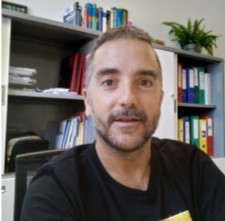
Javier Sotillo Gallego
Científico Titular
Código ORCID: 0000-0002-1443-7233
En el año 2011 obtuve mi título de doctor “cum laude” por la Universidad de Valencia. Durante mi etapa postdoctoral en la James Cook University en Australia (2012-2019) me especialicé en estudiar las interacciones parásito-hospedador usando diferentes técnicas ómicas. En 2019 volví España y comencé a trabajar en el Laboratorio de Helmintos del CNM (ISCIII) primero como Investigador Miguel Servet y más adelante como Investigador Ramón y Cajal. Actualmente soy Científico Titular en el mismo laboratorio.
-

Ana Hernández González
Laboral Fijo Doctor
Código ORCID: 0000-0001-6762-8175
Licenciada en Biología y doctora en Enfermedades Tropicales por la Universidad de Salamanca. Puestos ocupados con anterioridad: investigadora predoctoral en el IRNASA-CSIC (contrato JAE predoc), investigadora postdoctoral en el CNM (contrato Sara Borrell) e investigadora contratada como técnico superior en el CNM (RICET). Actualmente, personal Laboral Fijo Doctor en el laboratorio de Helmintos del CNM.
-
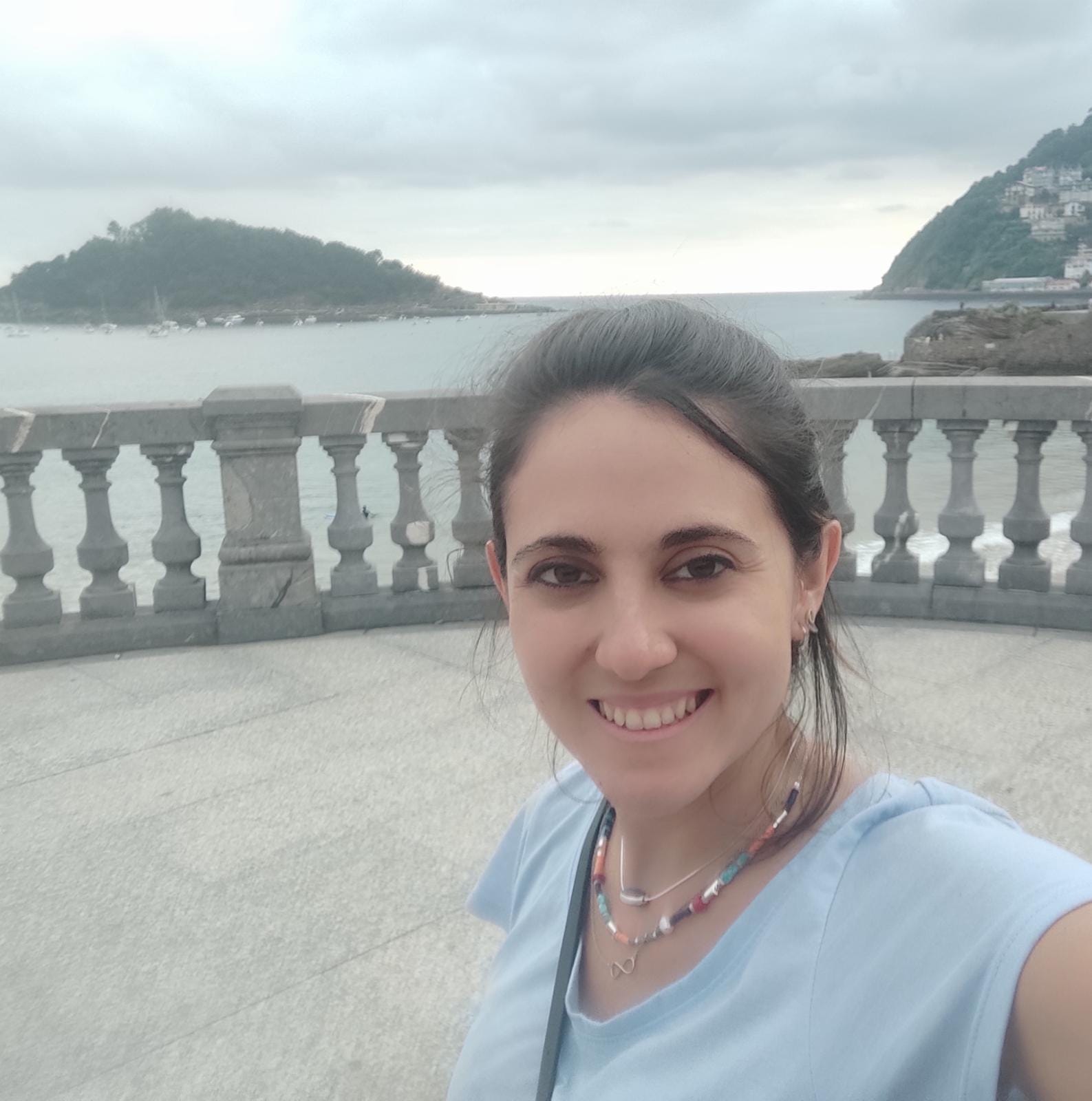
Esther Rodríguez Pérez
Técnico de Laboratorio
Código ORCID: 0000-0002-3680-7733
Obtuve mi título como Graduada en Biología Sanitaria en el año 2015 y en el año 2019 obtuve el Grado Superior de Laboratorio de Diagnóstico Clínico. De 2019 a 2022 trabajé en el Museo Nacional de Ciencias Naturales (MNCN-CSIC), en el Departamento de Biogeoquímica y Ecología Microbiana. Actualmente trabajo como Técnico de Laboratorio en el Laboratorio de Helmintos del CNM (ISCIII).
-
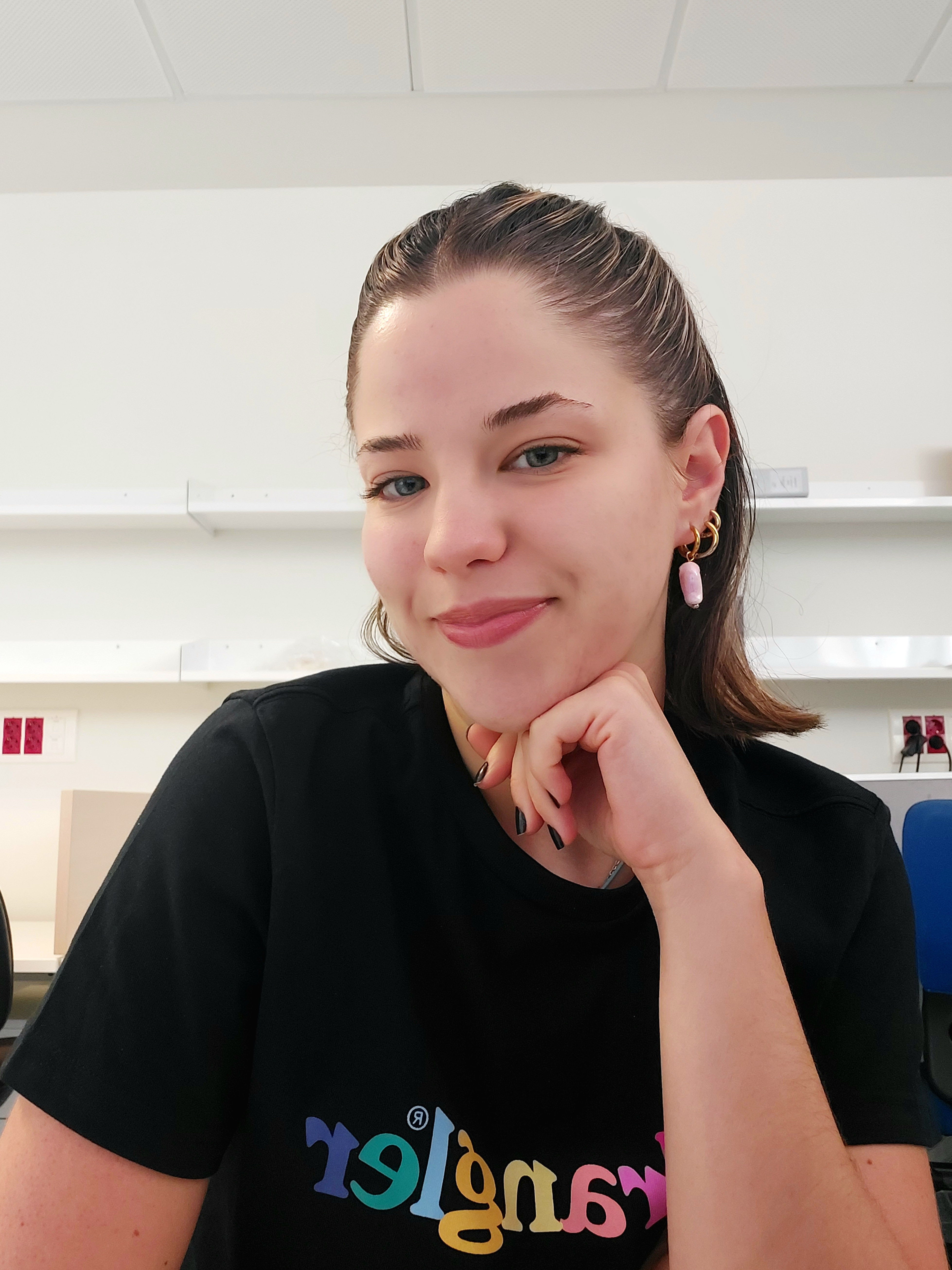
Lourdes Castro Companioni
Ayudante de Investigación
Código ORCID: 0009-0003-2746-4067
Bióloga sanitaria graduada en la Universidad de Alcalá de Henares (UAH), con master de Microbiología y Salud pública en la UAH en colaboración con el ISCIII.


Listado de personal